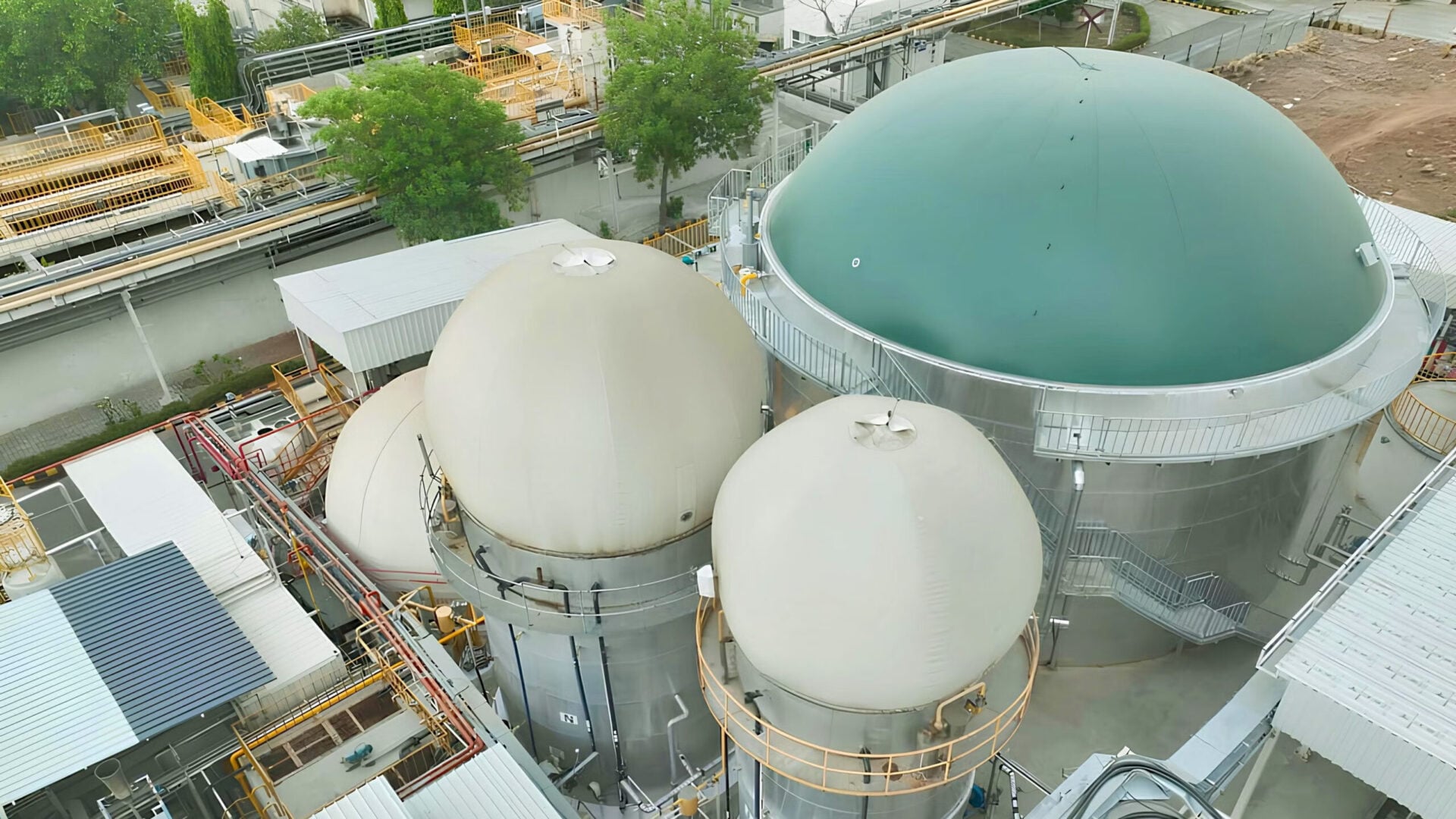
Suzuki is backing an unusual fuel project in India that turns cattle manure into compressed biogas for cars, trucks, and auto-rickshaws. The idea may sound unconventional, but it could help the country reduce its dependence on imported energy while putting one of its most abundant agricultural waste products to practical use.
The project is centered on the Banas Suzuki Bio-CNG facility in Gujarat, where roughly 88 tons of cattle waste are collected each day from farmers across 16 villages. That waste is processed into renewable compressed natural gas, or bio-CNG, which can be used by vehicles already designed to run on conventional CNG.
Around 600 to 700 vehicles reportedly refuel at the associated station each day, with the gas selling for roughly 80 rupees per kilogram. In some parts of India, that makes it noticeably cheaper than gasoline while offering a domestic alternative to imported fossil fuels.
The partnership between Suzuki and Banas Dairy also creates a broader circular system around the fuel. Farmers are paid for supplying manure, the resulting methane is captured and converted into vehicle fuel, and the remaining material is processed into organic fertilizer that can be returned to agricultural land.
How Cow Manure Becomes Vehicle Fuel
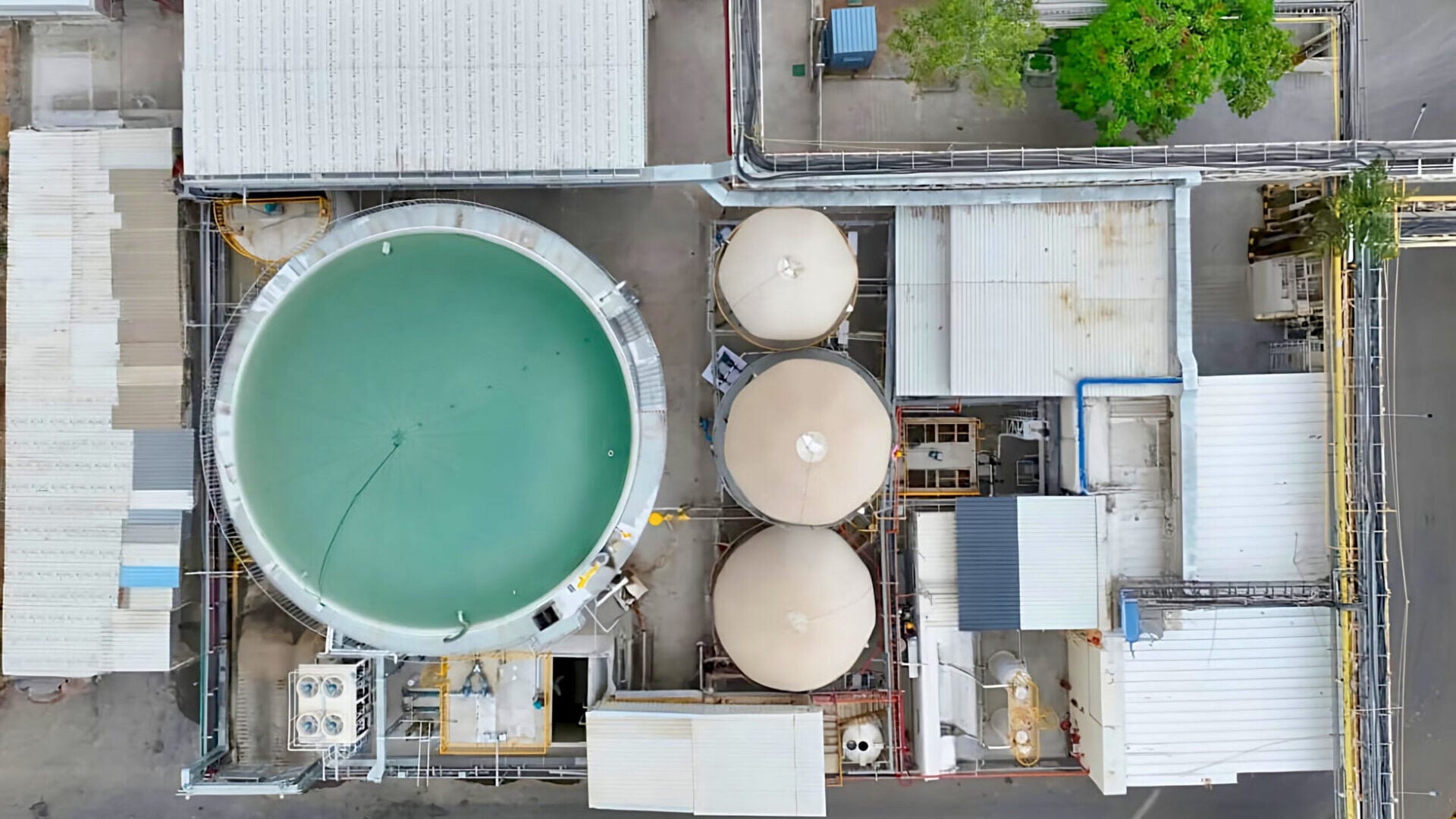
The process begins with cattle waste collected from local dairy farmers. Instead of allowing the manure to decompose naturally and release methane into the atmosphere, the material is sent to a biogas facility where microorganisms break it down in a controlled environment.
That process produces methane-rich biogas, which is then purified and compressed into a fuel suitable for CNG-powered vehicles. Once processed to the required standard, bio-CNG can be used in existing compressed-natural-gas vehicles without requiring an entirely new type of powertrain.
This compatibility is one of the biggest advantages of the approach. India already has a significant market for CNG-powered vehicles, meaning expanding biogas production could reduce emissions and imported fuel consumption without waiting for an entirely new vehicle fleet to arrive.
Suzuki Is Helping Build the Fuel Ecosystem
Suzuki’s involvement reflects a strategy to support fuels that can strengthen demand for its CNG vehicles. Rather than relying entirely on energy companies and governments to expand renewable gas infrastructure, the automaker is helping develop the production side of the equation itself.
Banas Dairy brings an important advantage to the project through its existing network of farmers and rural collection routes. Gathering manure at a commercially useful scale can be difficult, but a large dairy cooperative already has the logistics and relationships needed to collect agricultural material from many small farms.
The arrangement also gives participating farmers an additional source of income. In one example cited by Bloomberg, a farmer supplying roughly 400 kilograms of manure each day earns about 400 rupees from material that might otherwise have relatively limited commercial value.
India Wants to Scale Biogas Production
The Gujarat facility is still relatively small compared with India’s total energy needs, but the country’s interest in biogas is growing. India and Japan have outlined plans supporting the development of 1,000 additional biogas plants, while Indian policymakers are also considering stronger financial incentives for producers.
The push comes as India looks for additional ways to improve energy security and reduce its exposure to disruptions in imported oil and natural gas. Compressed biogas is attractive because it can be produced domestically from municipal waste, agricultural residue, crops, and livestock manure.
Current production remains a tiny fraction of the country’s total gas consumption, however. Expanding the industry will require significant investment in processing plants, collection networks, pipelines, transportation, and reliable access to suitable organic waste.
The Model Has Environmental Benefits Too

Capturing methane from cattle manure can provide an environmental benefit alongside the fuel itself. Methane is a powerful greenhouse gas, so preventing uncontrolled emissions from decomposing waste can reduce the climate impact of livestock operations.
The material left after biogas production also remains useful. At the Banas Suzuki operation, the leftover slurry is converted into organic fertilizer and sold back to farmers, potentially reducing reliance on imported or synthetic fertilizers.
That creates a relatively simple loop: cattle produce manure, the manure produces fuel, and the remaining material returns to the farm as fertilizer. For a country with a vast dairy industry and a large number of CNG vehicles, the concept has obvious appeal.
The Biggest Challenge Is Scale
Turning a successful local project into a nationwide energy solution will not be easy. Many potential biogas facilities are located in rural areas far from gas pipelines and major transportation networks, which can make moving both raw waste and finished fuel expensive.
The economics can also be difficult during the early years of operation because plants require substantial upfront investment while initially producing relatively modest volumes. Large companies such as Suzuki may be better positioned to absorb those early costs than smaller operators.
Even so, the project shows how automotive energy does not have to revolve entirely around gasoline, batteries, or hydrogen. In India, one part of the answer could come from something rural communities have had in abundance for generations: cow manure.