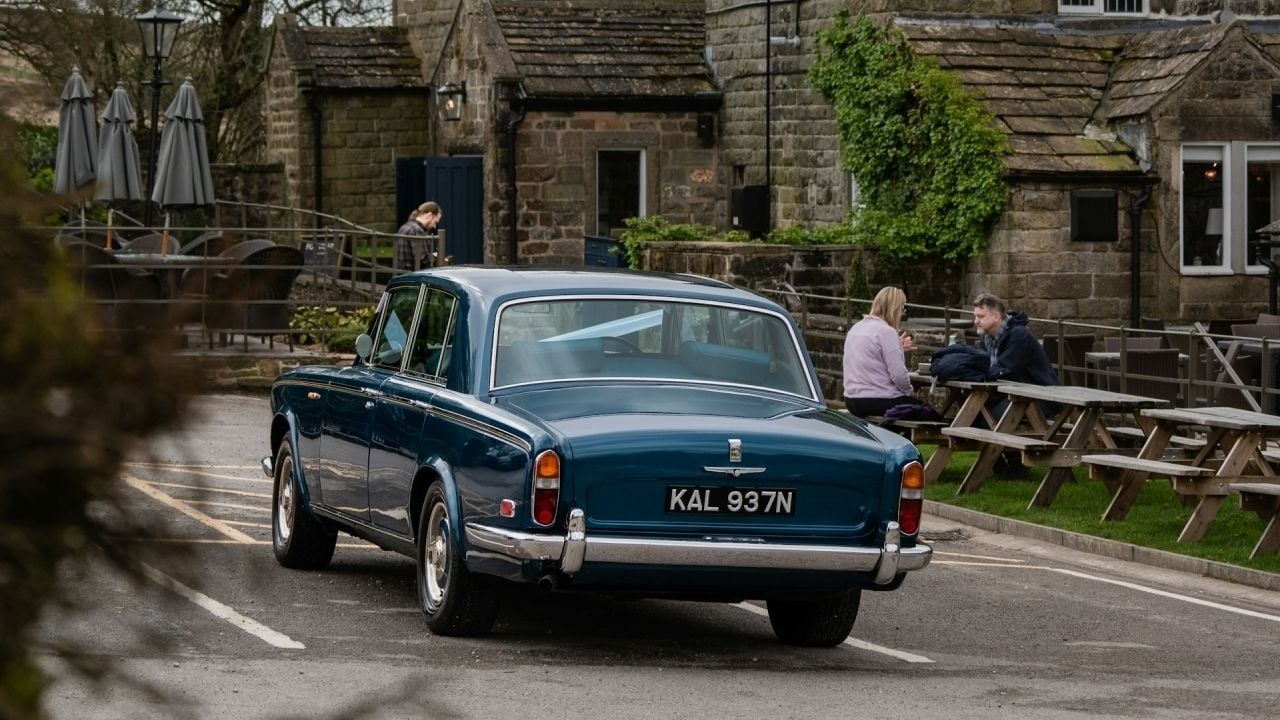
The summer is in full swing across the United Kingdom at the moment. Heatwave after heatwave has pounded the country, and while it’s been hot, plenty of people have been able to go and enjoy the sunshine. However, that has led to an increase in often-overlooked drink-driving offences.
RAC analysis has shown that the highest number of drink-driving casualties, offences and collisions take place in the summer months. It is a far more dangerous period than over the winter, and August 2026 will likely prove that theory correct yet again. That is, even though public attention is often focussed on occasions such as Christmas and New Year.
The RAC has said that from 2014 to 2024, August saw the highest average number of drink-driving offences, many of which were casualties and collisions. With the weather so good and days still long, more and more people go out to enjoy a few drinks at local pubs and bars.
It is because of this that the summer period in the UK is the highest-risk time for drink-driving. Driving when you have had a drink not only endangers your life, but also that of those around you.
What Does the Data Say About Summer Drink-Driving?
The RAC data on drink-driving in the UK is quite enlightening. August, on average, sees 721 drink-driving casualties, resulting from 485 collisions over 11 years. It proves that summer is consistently the highest-risk period in Britain for drink-driving incidents. December, by contrast, sees lower numbers. There is an average of 663 drink-driving casualties across 459 collisions. That is despite people drinking through Christmas and into the New Year.
It is roughly 16 percent more drink-driving casualties in the summer versus December to February over the past 11 years. Collisions themselves were also 16 percent higher in the summer months than in the Christmas and early New Year period. In June 2024, the RAC stated that this month saw the highest number of drink-driving casualties and collisions, with 650 casualties and 440 collisions.
Across the entire summer period, there were 1,810 casualties in 2024 and 1,220 collisions. The winter of 2024-2025 saw 1,570 casualties and 1,060 collisions across a similar three-month period. These findings come as the RAC itself is calling for stronger measures to help tackle drink-driving. Court-ordered alcohol ignition interlocks (‘alcolocks’) for high-risk and repeat offenders are being considered to try and prevent incidents as much as possible.
The Longer Evenings Play a Part in the Drink-Driving Problem
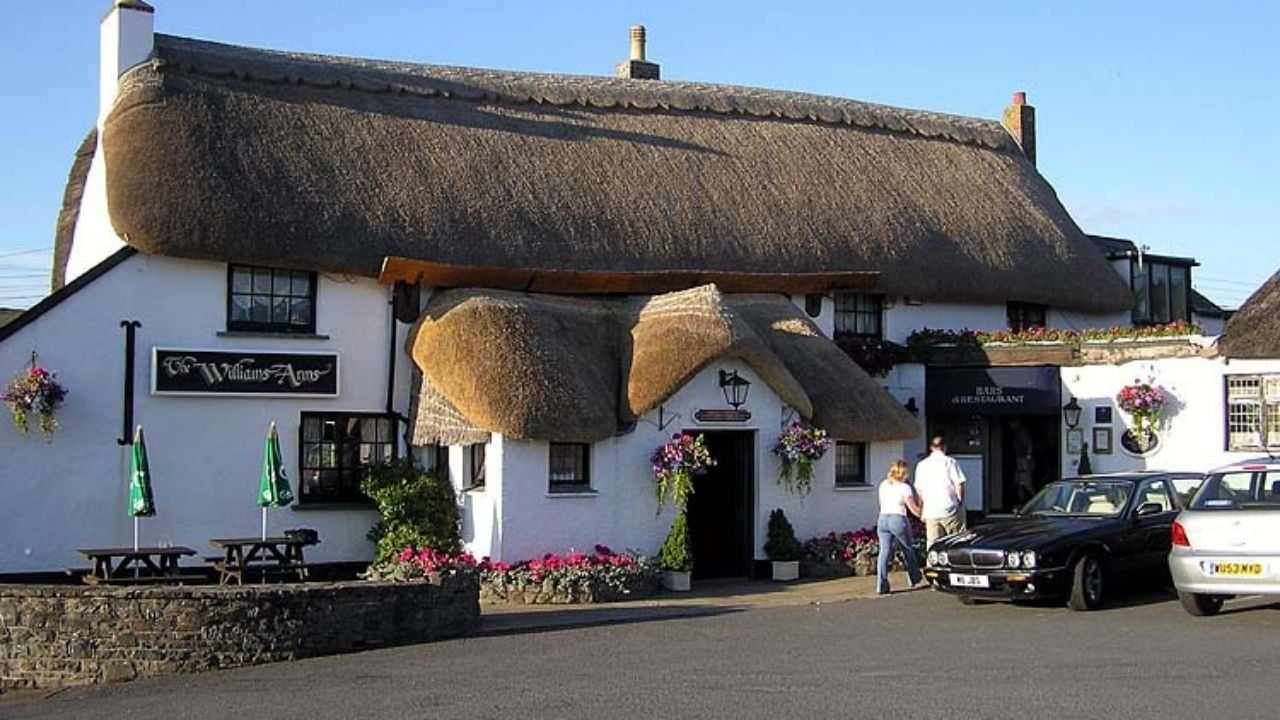
As to why it has become such a big problem, the RAC has plenty of evidence. “Warmer weather, longer evenings as well as holidays, festivals and barbecues all create more opportunities and temptation for people to drink and then get behind the wheel,” said RAC head of policy Simon Williams. “Anyone who has drunk alcohol on a summer’s evening or weekend shouldn’t get behind the wheel until they’re sure they’re safe to drive,” he added.
Given the sheer amount of sun and heat the UK has had in 2026, many people will have stopped off for a pint at ‘their local’ at some point. But clearly, more and more do so, having driven to the pub rather than walking or getting into a taxi. “It’s also important to be mindful of the effects of tiredness, which can affect people who struggle to sleep in very hot conditions. Tiredness, dehydration and alcohol can be a lethal combination behind the wheel,” added Williams.