When most travelers think of popular destinations, they imagine crowded streets, iconic landmarks, and predictable tourist experiences. Yet just a short distance away, often overlooked, lie destinations that offer completely different landscapes, vibes, and cultural encounters.
These hidden gems provide a refreshing alternative, allowing travelers to escape the crowds while discovering something unique. Visiting these spots shows that the world is full of surprises beyond the well-trodden paths.
These 12 destinations prove that proximity doesn’t always mean similarity. A neighboring city, town, or region can feel like an entirely different world, with its own history, architecture, and natural beauty. Exploring these places gives travelers a richer understanding of a country’s diversity. For those seeking originality in their journeys, these hidden alternatives are a treasure trove of inspiration.
Civita di Bagnoregio, Italy

While Rome draws millions for its ancient ruins and bustling piazzas, Civita di Bagnoregio offers a quiet medieval escape atop a hill. Often called “the dying town,” its cobbled streets, ancient stone buildings, and panoramic views feel like stepping into a fairy tale. The town is accessible only via a narrow pedestrian bridge, enhancing its secluded charm. Visitors experience timeless Italian culture without the overwhelming crowds.
Civita di Bagnoregio also features artisan shops, local trattorias, and serene landscapes. Hiking along the surrounding valleys provides breathtaking vistas. Unlike Rome’s crowded tourist hubs, this tiny town emphasizes tranquility and slow travel. Its unique setting makes it a visually and culturally distinct alternative.
Český Krumlov, Czech Republic

Prague is famous for its Gothic architecture and bustling city life, but Český Krumlov, just a few hours away, feels like a storybook village. Its meandering river, colorful houses, and hilltop castle create a whimsical atmosphere. Narrow cobbled streets lead to quaint cafés and artisan shops, offering a completely different pace from the capital. The town’s historic center is a UNESCO World Heritage site, rich with character and charm.
Visitors can explore medieval alleys, enjoy local theaters, and watch craftspeople at work. The town is quieter, making it ideal for photography and reflective strolls. Its unique architecture contrasts sharply with Prague’s grandiose monuments. Český Krumlov proves that small towns near major cities can be utterly captivating.
Gimmelwald, Switzerland
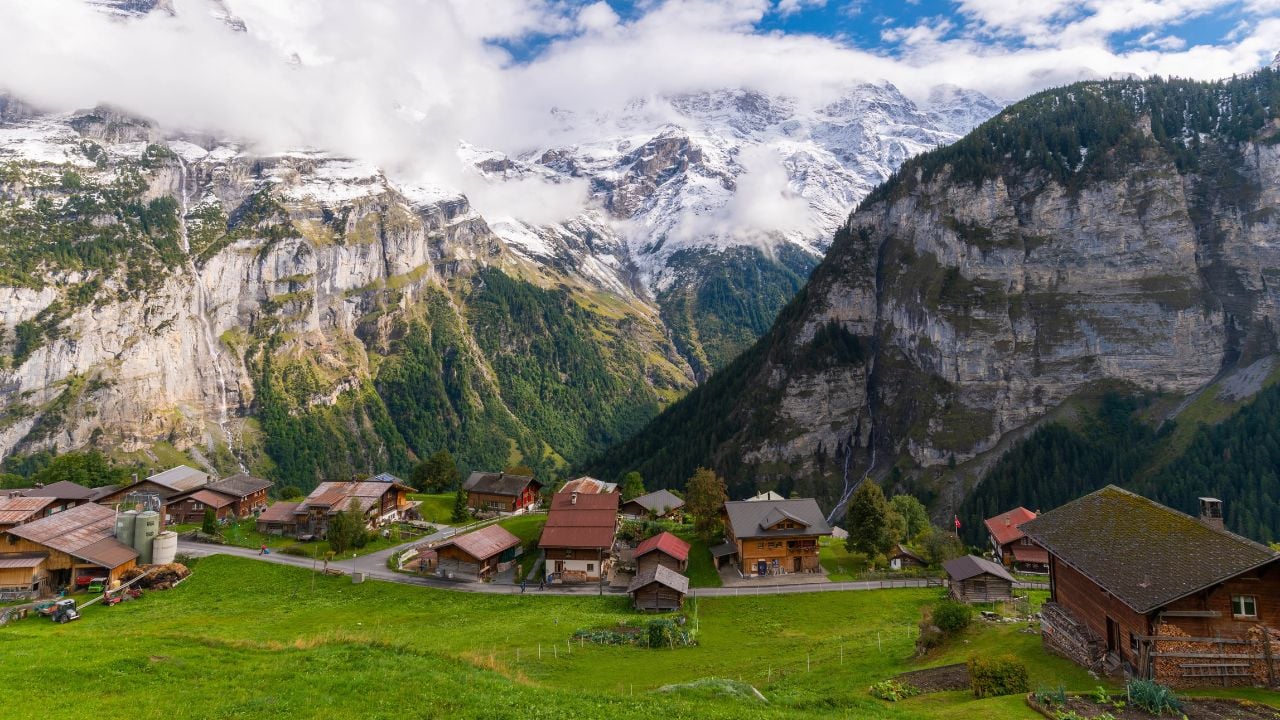
Lucerne and Interlaken attract crowds with their famous lakes and ski resorts, but Gimmelwald, a hidden village in the Alps, offers peace and alpine authenticity. Surrounded by steep cliffs and lush meadows, the village is car-free and accessible via cable car. Wooden chalets, grazing cows, and wildflower fields create a serene alpine experience. Hikers can explore trails with panoramic views of the Bernese Oberland.
Gimmelwald emphasizes simplicity and harmony with nature, a stark contrast to nearby bustling tourist towns. Small guesthouses and farm stays offer an intimate connection with local life. The pace here encourages slow exploration and outdoor adventure. It’s a perfect escape for those seeking tranquility and untouched landscapes.
Valle de Viñales, Cuba
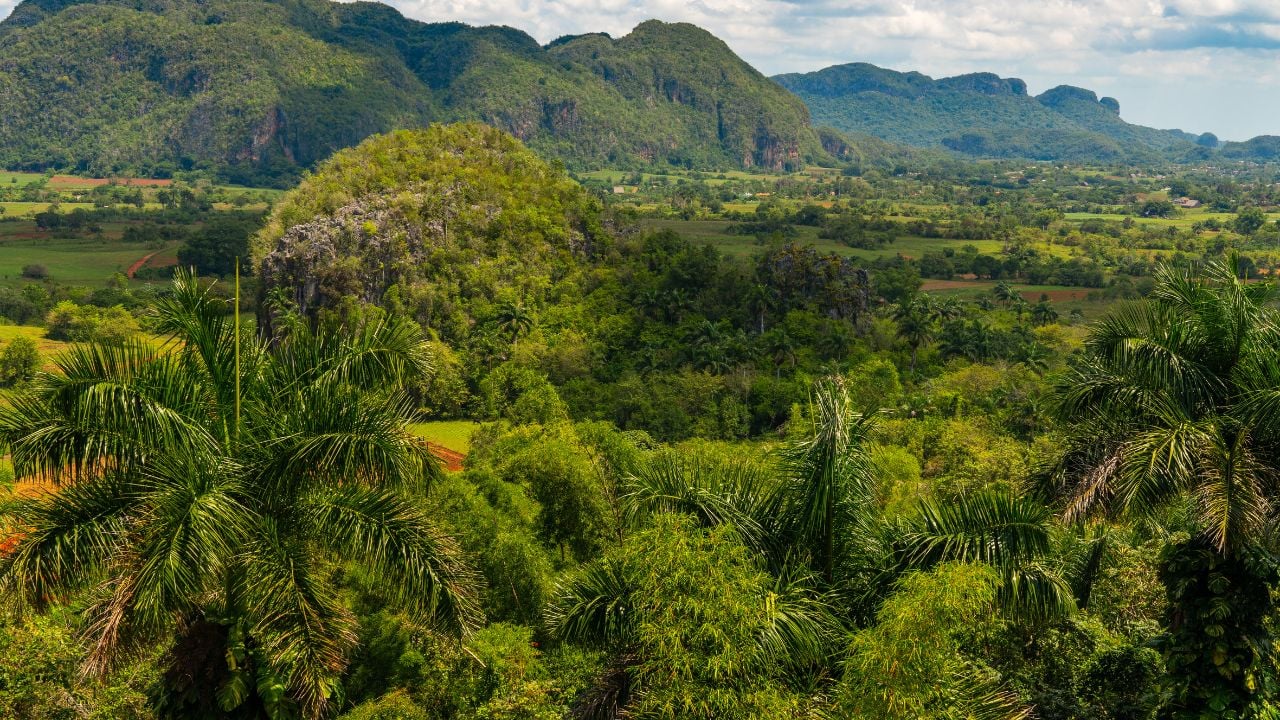
Havana dazzles with its vintage cars, colorful streets, and vibrant nightlife, but the Viñales Valley offers a completely different Cuban experience. Rolling tobacco fields, dramatic limestone mogotes, and small rural villages dominate the landscape. Travelers can horseback ride or hike through the valley, exploring caves and meeting local farmers. This verdant region exudes calm and authenticity.
Unlike Havana, Viñales is focused on agriculture and traditional rural life. Tobacco farming workshops and local homestays provide cultural immersion. The natural beauty and slow pace make it a photographer’s dream. Visitors witness a side of Cuba rarely seen by typical tourists.
Colchagua Valley, Chile

While Santiago dazzles with its modern skyline and urban energy, the Colchagua Valley, south of the city, is a haven for wine lovers and scenic landscapes. Vineyards stretch across rolling hills, producing some of Chile’s finest wines. Travelers can tour wineries, sample vintages, and enjoy intimate tastings. The valley’s rustic charm contrasts sharply with Santiago’s metropolitan vibe.
The region also offers horse riding, traditional haciendas, and culinary experiences rooted in local traditions. Boutique hotels provide personalized stays amidst vineyards. The serene rural atmosphere encourages relaxation and exploration. Colchagua Valley is a refreshing escape for those seeking calm and authenticity.
Albarracín, Spain

Madrid attracts visitors with its bustling streets and grand plazas, but Albarracín, a medieval town in Aragón, offers a strikingly different visual and cultural experience. Its pink-hued houses cling to steep hills, winding around ancient walls. Narrow streets, stone staircases, and historic towers create a storybook atmosphere. Walking here feels like traveling back several centuries.
The surrounding mountains provide hiking and scenic viewpoints. Local artisan shops and small restaurants emphasize traditional cuisine and crafts. Albarracín’s intimate scale contrasts Madrid’s sprawling urban energy. The town’s preservation of history and charm makes it an unforgettable alternative.
Kotor, Montenegro

While Dubrovnik is famous for its fortified walls and bustling Old Town, Kotor offers a quieter, equally stunning bay experience. Its medieval architecture, narrow alleyways, and hidden piazzas feel more authentic and less commercialized. Climbing the fortress walls rewards visitors with panoramic views of the Adriatic. The town’s setting on Kotor Bay provides dramatic coastal scenery.
Small cafés, local markets, and boat tours allow travelers to explore at their own pace. Kotor maintains a slower, more relaxed vibe compared to Dubrovnik’s crowds. The mix of history and natural beauty creates a unique charm. It’s an ideal alternative for those seeking culture and tranquility.
Giethoorn, Netherlands

Amsterdam is famous for its canals, museums, and lively nightlife, but Giethoorn is a quiet village where boats replace cars. Waterways wind through thatched-roof houses and lush gardens. Visitors can rent small boats or simply stroll along canal paths, enjoying a serene pace. The village feels like a living postcard, peaceful and unhurried.
Unlike Amsterdam, Giethoorn emphasizes nature and tranquility. Local cafés and artisan shops add charm without the typical tourist rush. Cycling and boating offer immersive ways to explore. The village is a perfect contrast to the bustling capital.
Sintra, Portugal

Lisbon attracts crowds with its historic neighborhoods and coastal charm, but Sintra, a short trip away, is known for mystical palaces, lush forests, and colorful architecture. Hills are dotted with castles, palaces, and gardens that feel like something out of a fantasy novel. Walking through Sintra’s streets reveals artisan shops, quaint cafés, and hidden viewpoints. Nature and history blend seamlessly here.
The town is cooler and quieter than Lisbon, offering an escape from city bustle. Hiking trails lead to magical viewpoints and secret gardens. Local pastries and traditional food enhance the cultural experience. Sintra’s unique character makes it a must-visit alternative.
Hoi An, Vietnam

Ho Chi Minh City dazzles with its energy, traffic, and skyscrapers, but Hoi An feels calm, historic, and culturally immersive. Its lantern-lit streets, riverside markets, and well-preserved architecture create an entirely different atmosphere. Cyclo rides, local workshops, and cooking classes offer interactive experiences. The old town emphasizes tradition over modern chaos.
Hội An is also surrounded by rice paddies, beaches, and countryside villages. Night markets, artisan shops, and lantern festivals enhance the charm. The town provides a slower pace ideal for reflection and exploration. It’s a perfect contrast to Vietnam’s bustling metropolises.
Pucón, Chile
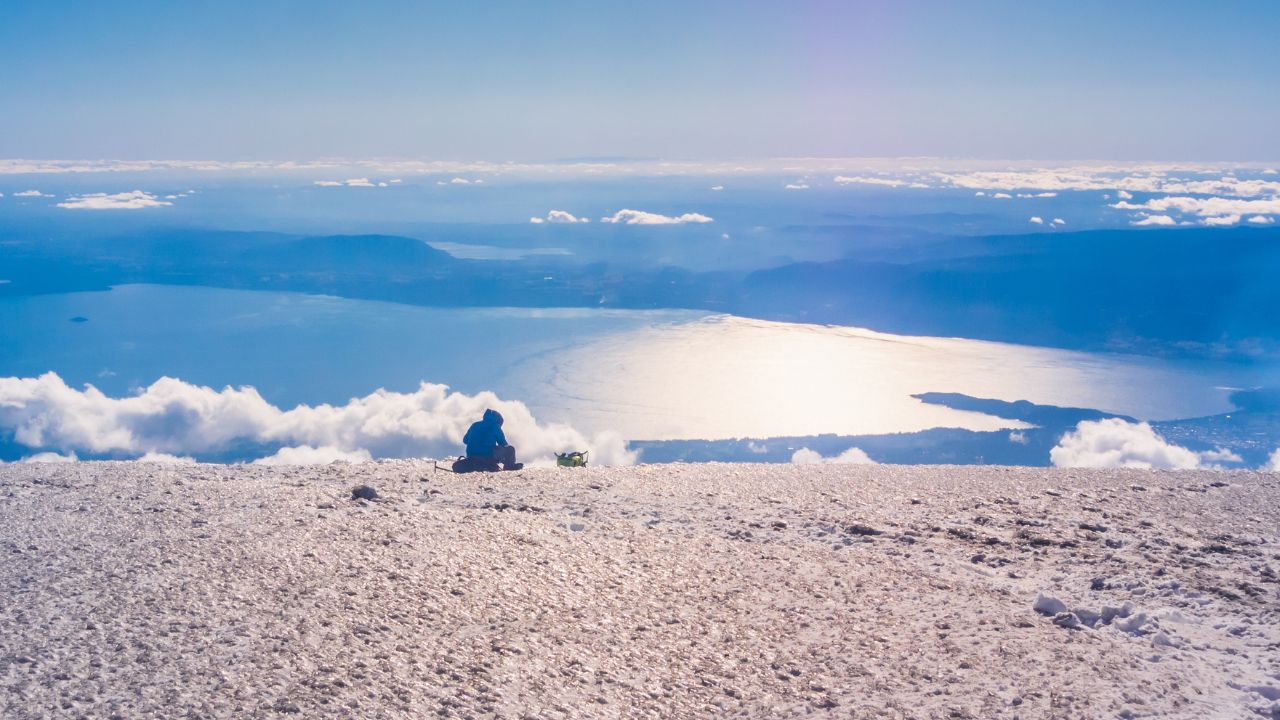
Santiago’s urban energy contrasts with Pucón’s adventure-filled natural surroundings. Volcanoes, lakes, and forests create a playground for outdoor enthusiasts. Travelers can hike, kayak, or soak in hot springs. Small town vibes and local eateries provide a cozy, authentic atmosphere.
Unlike Santiago, Pucón emphasizes nature and outdoor adventure over urban sightseeing. The scenery is dramatic and untouched, ideal for photographers. Adventure sports and eco-tourism thrive here. Pucón is a perfect escape for thrill-seekers and nature lovers alike.
Chefchaouen, Morocco
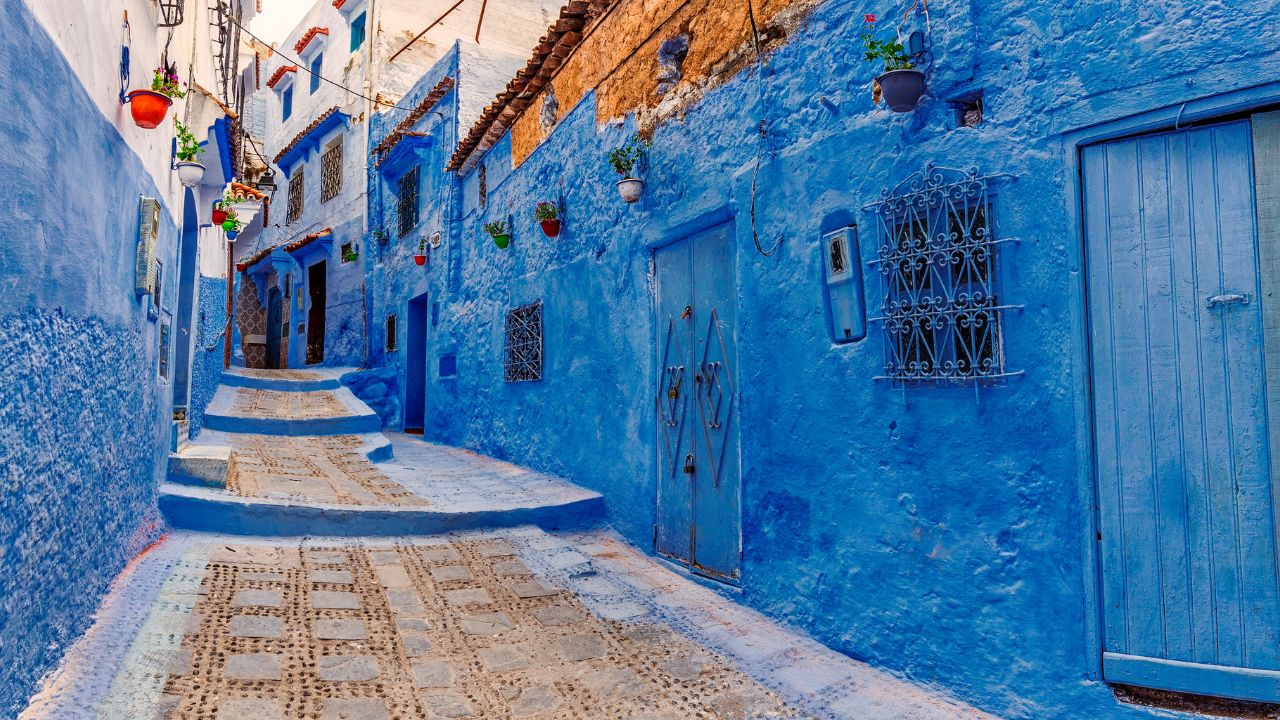
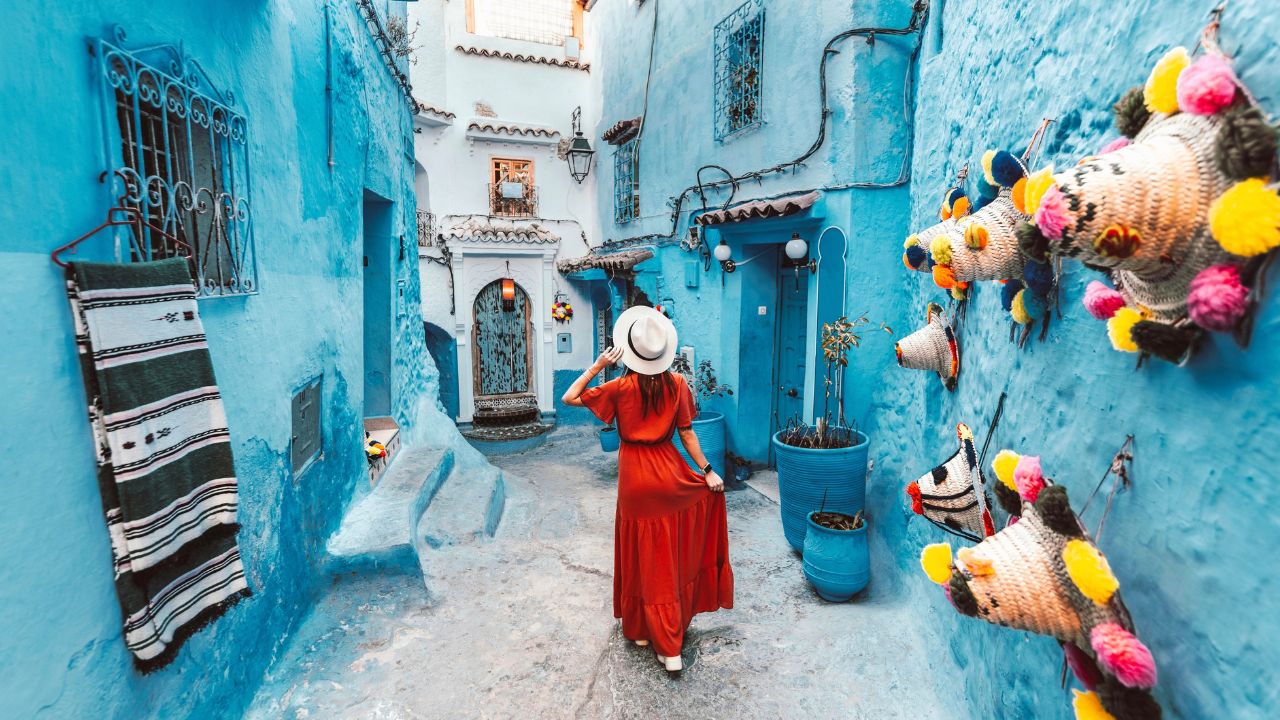
Marrakech is vibrant, chaotic, and colorful, but Chefchaouen is calm, serene, and dominated by blue-painted streets. The Rif Mountains provide a stunning backdrop for exploring alleys, plazas, and artisan shops. Walking through Chefchaouen feels tranquil compared to Marrakech’s hustle. Small cafés and rooftop terraces add charm and relaxation.
The town’s slow pace encourages wandering, photography, and reflection. Local crafts and markets offer authentic experiences without overwhelming crowds. Chefchaouen provides a unique cultural and visual identity unlike its famous neighbor. It’s a peaceful, hidden gem that surprises every visitor.