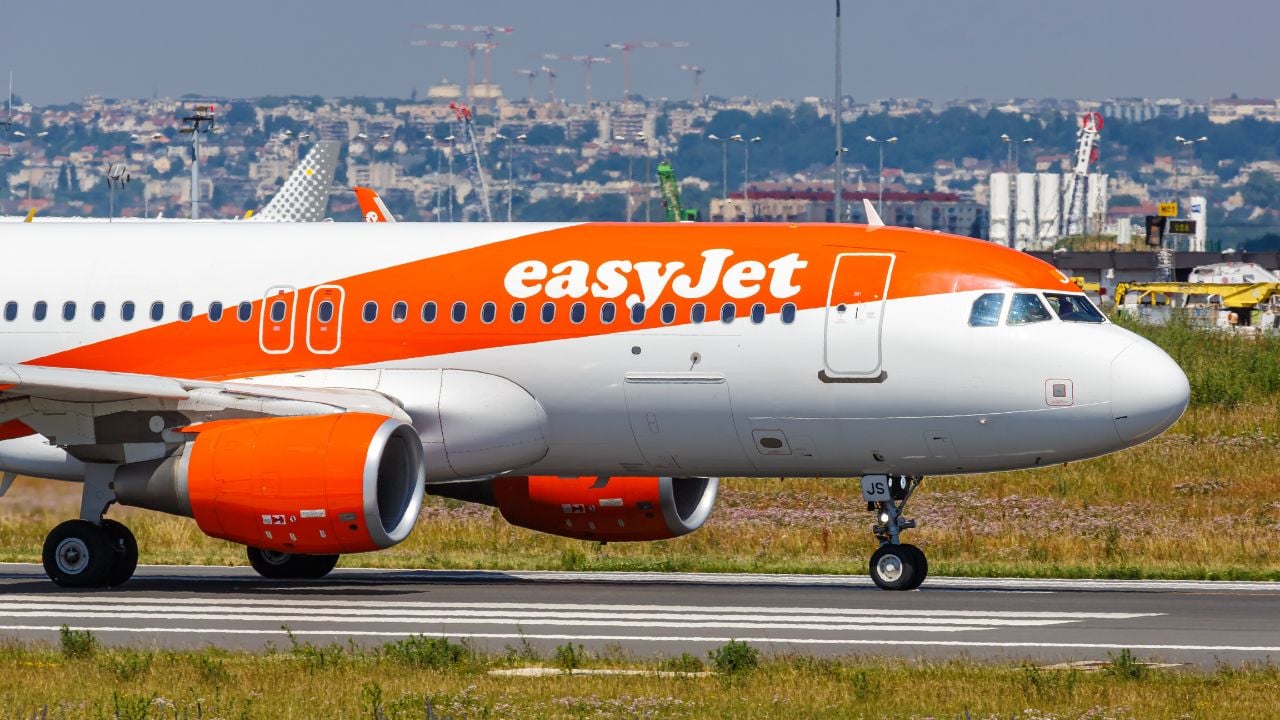
An easyJet flight from Egypt to London was diverted to Rome after crew were told that a power bank was charging inside a passenger’s checked luggage.
Sky News reported that Flight EZY2618 had departed Hurghada for London Luton before landing at Rome Fiumicino as a precaution. The aircraft landed safely, passengers disembarked routinely, and easyJet said the decision was made in line with safety regulations.
The incident is a useful reminder for travelers because power banks are not treated like ordinary packed electronics. They contain lithium batteries, and spare lithium batteries have to stay where crew can reach them if they overheat, swell, smoke, or catch fire.
Fox Business reported that the captain diverted after crew learned a power bank was charging in checked luggage. easyJet apologized for the disruption and said passenger and crew safety was its highest priority.
What Happened on the Hurghada to Luton Flight
Flight EZY2618 was traveling from the Red Sea resort city of Hurghada to London Luton when the crew were informed that a power bank was charging in a passenger’s luggage. Sky News reported that easyJet described the landing at Rome Fiumicino as a precaution and said the flight was rescheduled to operate the following morning.
The airline said passengers were provided hotel accommodation and meals where available. Customers who remained at the airport received refreshments.
There was no report of the device catching fire. The concern was where the device was located and what it was doing. A power bank in the aircraft hold cannot be checked quickly by cabin crew if it begins overheating, while a device in the cabin can be seen, isolated, and handled more quickly.
Why Power Banks Belong in Carry-On Bags
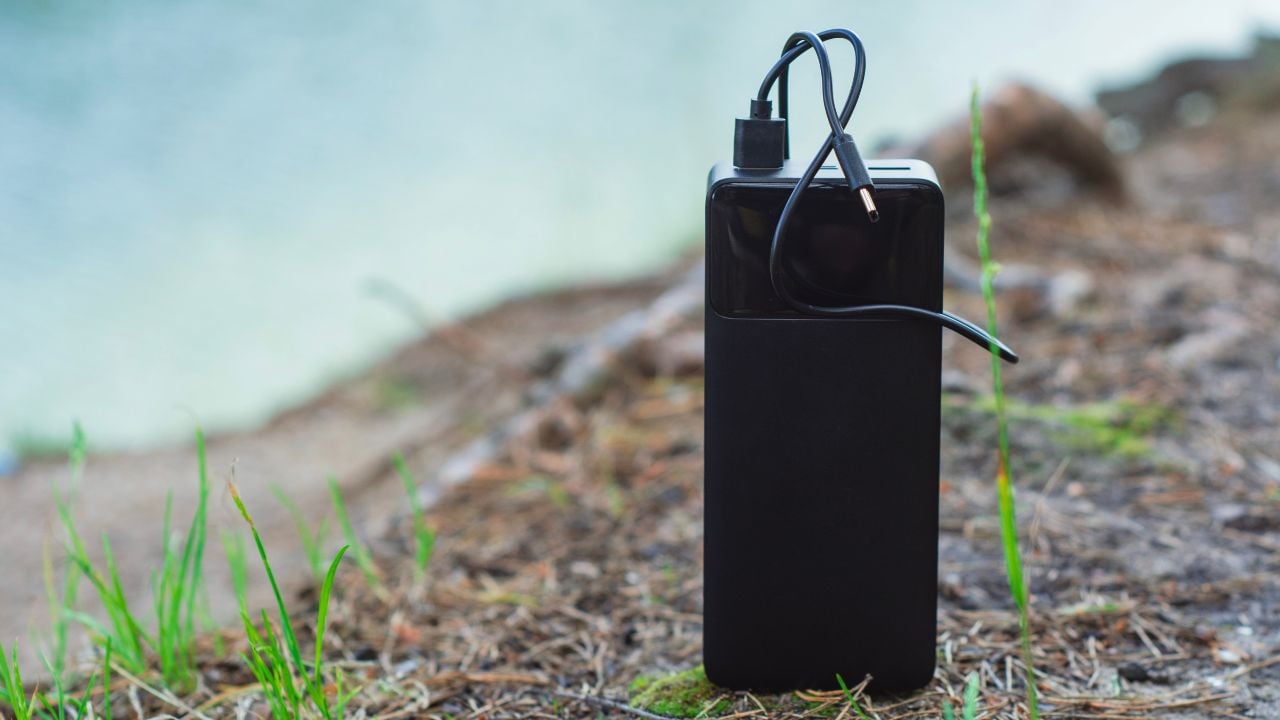
The rule is clear for U.S. travelers: spare lithium batteries, including power banks and portable rechargers, must be carried in carry-on baggage only, according to the FAA. If a carry-on bag is checked at the gate or placed in the hold, passengers must remove spare lithium batteries and power banks and keep them in the cabin.
The FAA also says battery terminals must be protected from short circuit. Travelers can do that by keeping the battery in retail packaging, covering the terminals with tape, using a battery case, or placing the power bank in a protective pouch.
European guidance follows the same core rule. EASA says spare batteries and power banks must travel in carry-on baggage, never in checked baggage, and must be protected to prevent short circuits.
The Rules Tightened Again in 2026
The easyJet diversion also comes after aviation authorities tightened power bank rules in 2026. The ICAO announced new specifications effective March 27, 2026, limiting lithium battery-powered power banks to two per passenger and prohibiting passengers from recharging them during flights.
U.K. regulators have reflected that update in practical passenger guidance. The CAA says power banks must be carried in carry-on baggage, individually protected when not in use, not recharged on board, and limited to a maximum of two per person.
The CAA also says power banks should not be used to charge other portable electronic devices on board. Most lithium-ion power banks up to 100 watt-hours are allowed without operator approval, while power banks above 100 watt-hours and up to 160 watt-hours require airline approval.
What Travelers Should Do Before Flying
Passengers should pack power banks in a small carry-on item that stays with them, not in checked luggage. If a gate agent takes a cabin bag for hold loading, the power bank should come out before the bag is handed over.
Travelers should also check the watt-hour rating printed on the device, protect the terminals, and avoid using or charging the power bank during the flight when airline or national rules prohibit it. A small charger packed the wrong way can turn into a major delay, as the easyJet diversion showed.