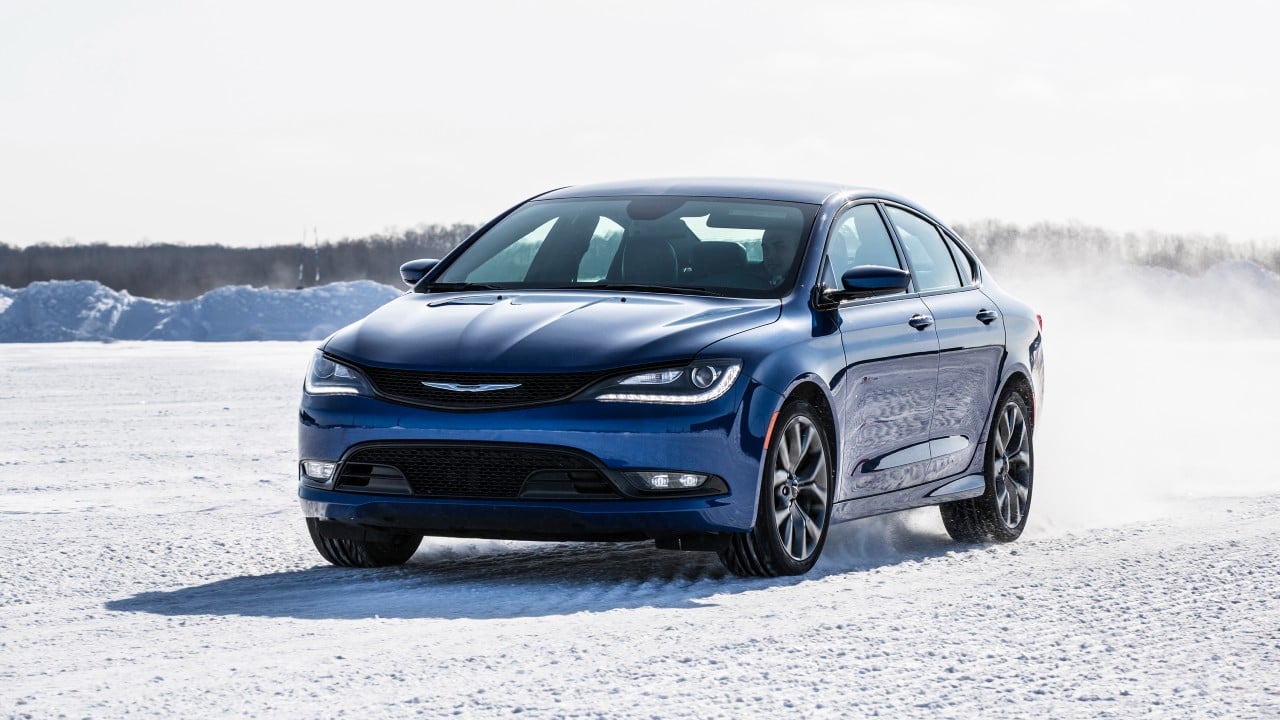
Stellantis has had a disastrous few years. As a recap, the company’s misfortunes include multiple quarters of dwindling profits, several recalls of many of its vehicles, and the abrupt resignation of its CEO, Carlos Tavares.
Now, on top of the recent issues, Fiat Chrysler Automobiles, which is owned by Stellantis, has agreed to settle a class-action suit stemming from older models of the now-defunct Chrysler 200 over the mislabeling of some of its components. Impacted customers will see an adjustment to the terms of their warranties.
Regarding the Chrysler 200, production officially ended in 2016, making the 2017 model year the last of the lineup.
Stellantis Extends Warranty for Certain Chrysler 200 Phev Models

According to Carscoops, owners of certain 2015–2017 Chrysler 200 sedans may soon receive a much longer safety net under a proposed class-action settlement involving Fiat Chrysler Automobiles (Stellantis). The dispute focuses on Chrysler 200s originally sold as Partial Zero Emission Vehicles (PZEVs) and whether the automaker should have treated specific MultiAir-related components as “emissions-related parts” for the purpose of emissions-warranties.
Under the proposed deal, the company would cover the full cost of parts and labor to replace a failed MultiAir actuator or certain fuel injector components for 15 years or 150,000 miles from the vehicle’s original in-service date, whichever comes first. A court preliminarily approved the settlement on December 2, and the benefits apply only to 2015–2017 Chrysler 200 PZEVs originally sold in 11 states. They are: California, Connecticut, Delaware, Maine, Maryland, Massachusetts, Oregon, Pennsylvania, Rhode Island, Vermont, and Washington.
That state list is a big deal. If your Chrysler 200 wasn’t originally sold as a PZEV in one of those locations, it may not be included even if it looks identical to a covered car. The complaints behind the case were filed in late 2021 and mid-2022 and argued that FCA didn’t properly label the actuator and certain injector parts under the applicable emissions warranty framework.
Here’s What Impacted Drivers Need To Know

The warranty extension is intended to be automatic for qualifying vehicles. To receive no-cost repairs under the extension, the work generally needs to be done at an authorized FCA US dealership within the 15-year/150,000-mile window.
Owners who previously paid out of pocket to repair a failed MultiAir actuator or fuel injector component on an eligible Chrysler 200 can submit a claim seeking repayment of qualifying costs. In a nutshell, if you do nothing, you should still receive the warranty extension (if eligible), but you won’t be reimbursed for past repairs from Stellantis.
Requirements For The Claim
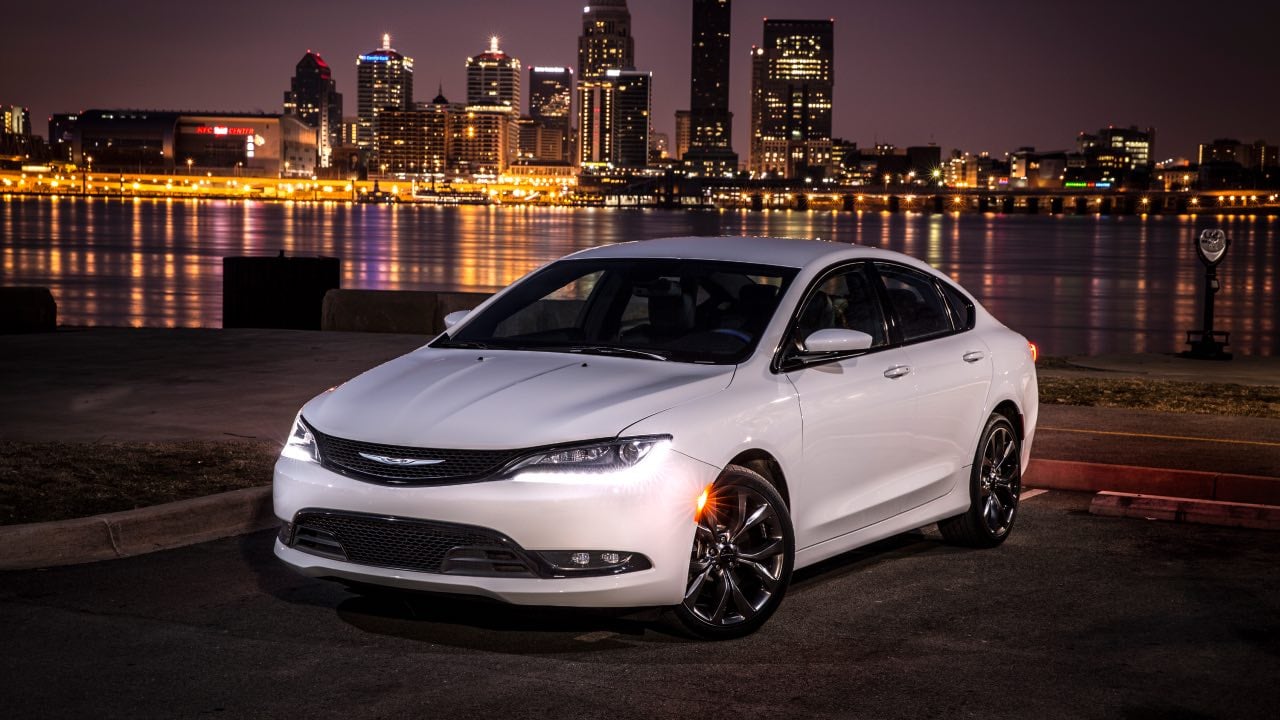
The claim typically requires a completed form plus proof of payment (paid invoice, receipt, or card statement), documentation identifying the vehicle (including VIN), and details about the repair facility and the component repaired.
Reimbursement claims must be submitted or postmarked by March 30, 2026. Opt-outs and objections are due by April 2, 2026. The final approval hearing is scheduled for June 4, 2026, in federal court in Los Angeles. Because the coverage clock starts at the in-service date, older cars may already be years into the 15-year period, making it smart to confirm eligibility sooner rather than later.
As with many class actions, there are separate payments for the named plaintiffs and attorneys’ fees. Reports indicate the two plaintiffs may receive up to $7,500 each, while class counsel is set to receive a more substantial payment.