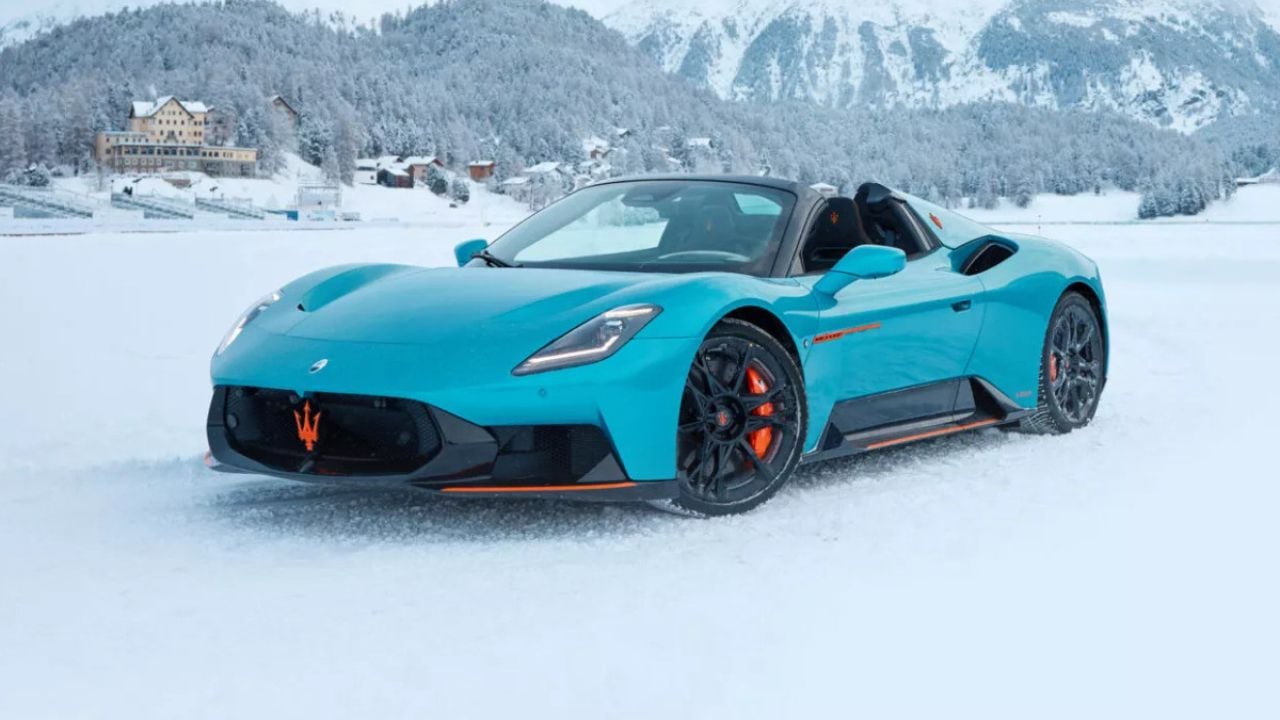
Stellantis’ latest reporting for the fourth quarter of 2025 confirms what registration data has been signaling for months.
Maserati is in one of the deepest sales downturns of its modern era. The Italian luxury brand delivered just 1,900 vehicles in the final quarter of 2025, finishing the year at 7,800 total deliveries worldwide.
For context, that annual total is closer to Maserati’s early 2010s footprint, when it operated as a far more niche, low-volume manufacturer, before the Ghibli sedan and Levante SUV helped push the brand into a higher output phase.
A Steep Drop From The Brand’s Recent Peak
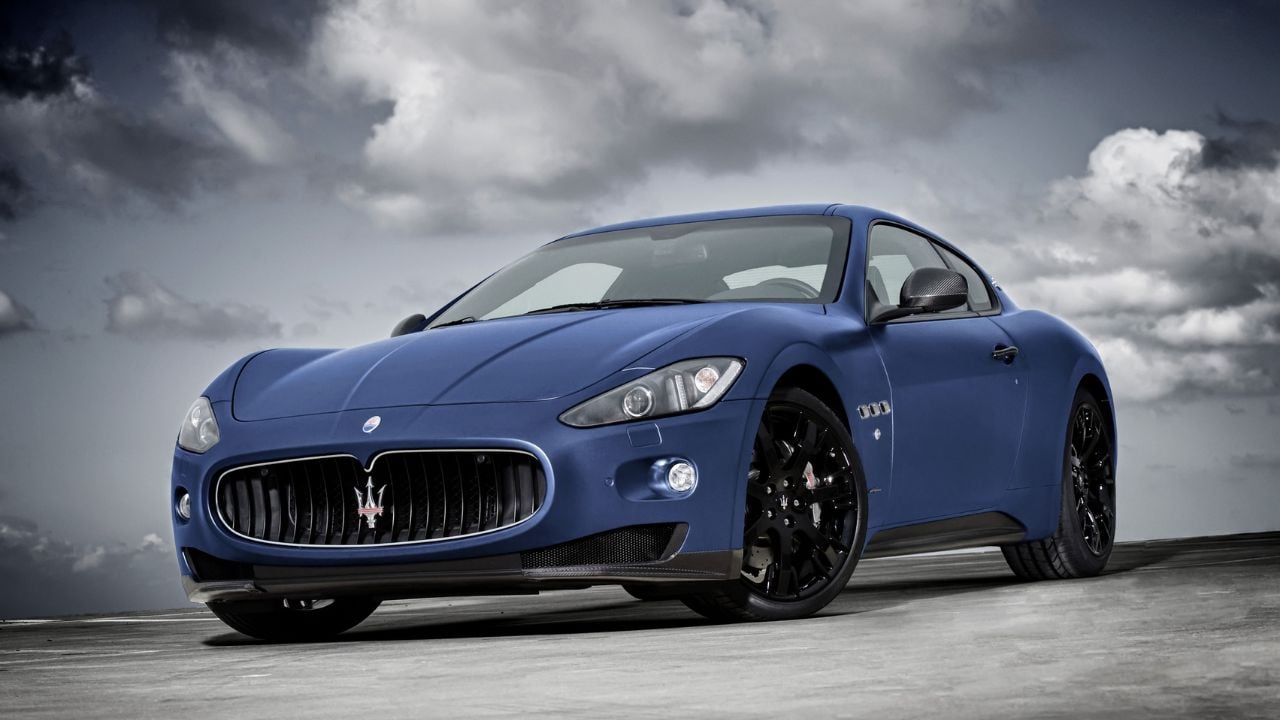
The contrast is dramatic because Maserati’s global deliveries hit a recent high of about 51,500 units in 2017. Eight years later, the brand is selling roughly seven times fewer vehicles on a worldwide basis.
The speed of the decline is what stands out most. Maserati delivered 26,600 vehicles in 2023, then fell to 11,300 in 2024, and dropped again to 7,800 in 2025. In other words, the brand has lost more than two-thirds of its global volume in just two years.
Quarterly Results Show No Meaningful Rebound
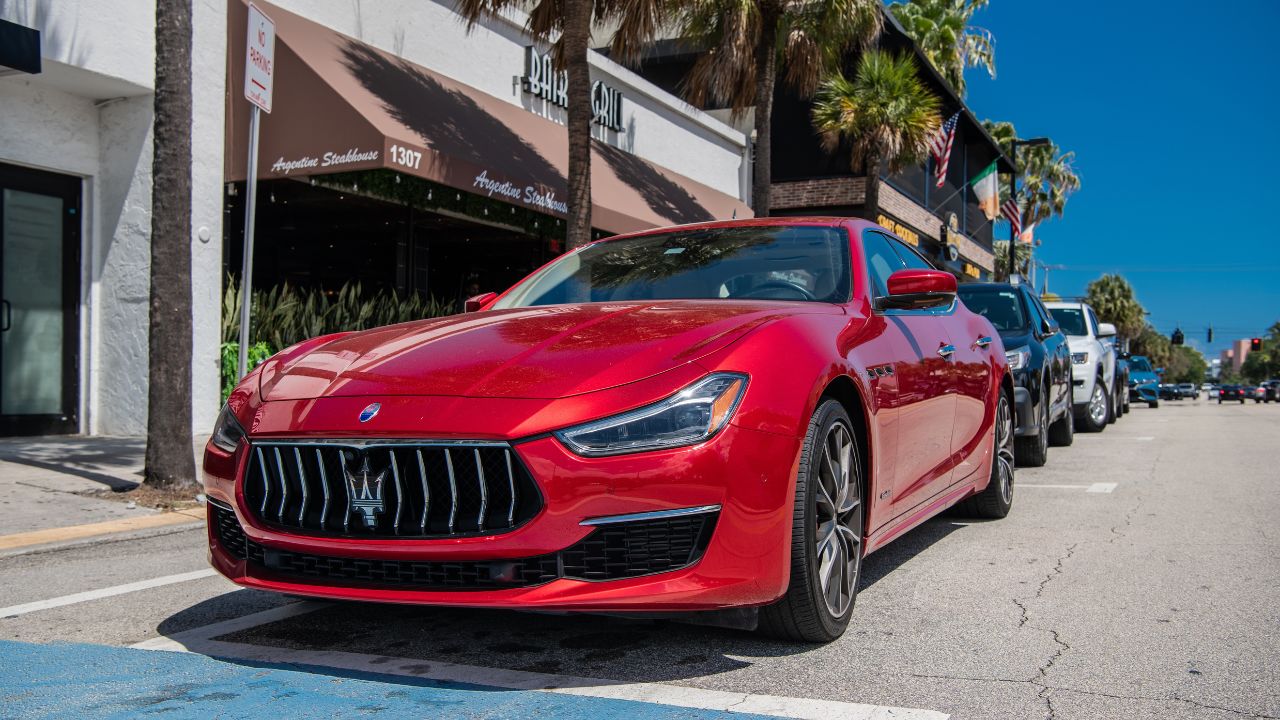
Quarterly results reinforce the lack of recovery. The year breaks down to 1,700 deliveries in Q1, 2,500 in Q2, 1,700 in Q3, and 1,900 in Q4. That pattern suggests there was no late-year surge, no visible lift from product cadence, and no sustained momentum, just a low, flat trajectory.
This matters for U.S. readers because Maserati has historically relied heavily on the American market as a volume anchor for the brand’s modern lineup, particularly in the post-Ghibli era. When weakness shows up across multiple quarters, it becomes harder to attribute the decline to a single temporary factor like inventory timing or a one-off product gap.
Weakness Is Broad, Including The United States
Registration and market-level indicators suggest the slide is not isolated to one region. The United States, long one of Maserati’s most important markets, recorded 2,838 registrations and a 41% decline year over year, while other key markets also fell sharply. The broader point is that the contraction appears multi-regional, which typically points to deeper positioning challenges rather than a single market disruption.
Competitive Pressure In The Luxury Performance Segment
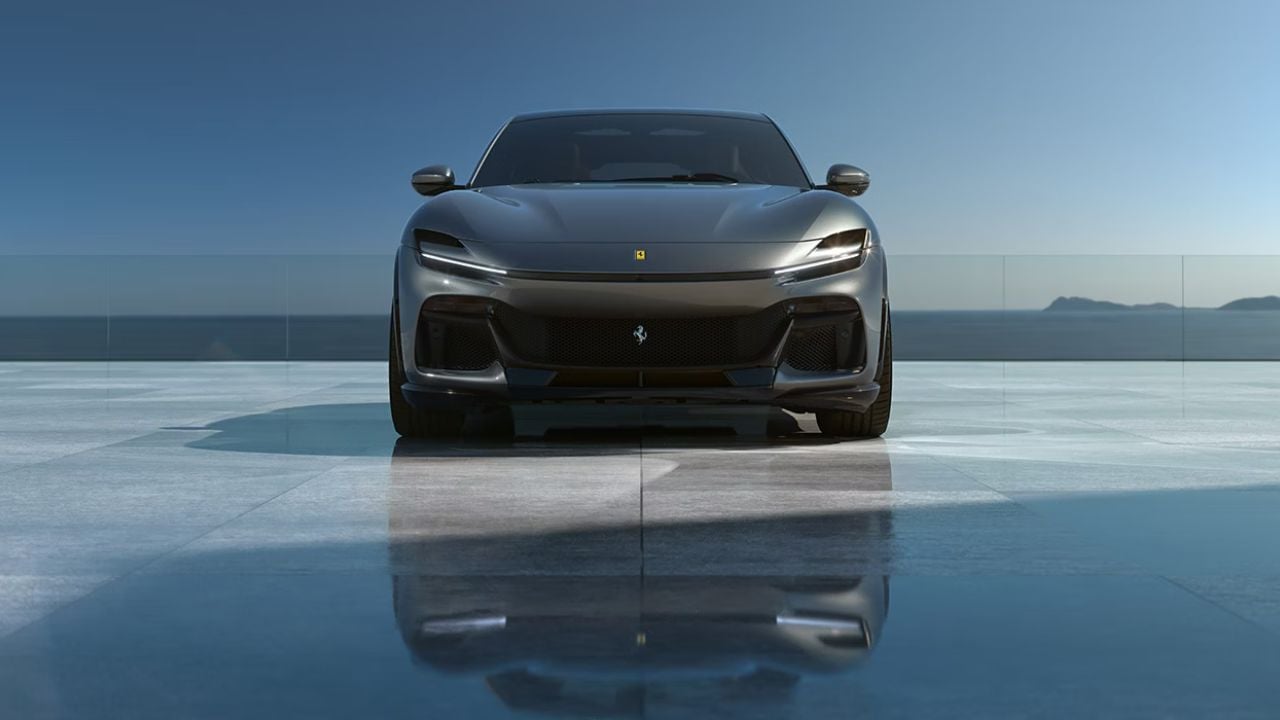
Maserati’s problem becomes clearer when viewed against the wider luxury performance landscape. Ferrari is deliberately low volume, but it has been able to maintain pricing power and profitability through limited production, high-margin personalization, and tightly controlled exclusivity. Lamborghini, meanwhile, continues to post record delivery results, including 10,747 vehicles delivered in 2025.
The takeaway is not that Maserati needs to match Ferrari or Lamborghini’s business model exactly, but that the segment has become less forgiving. Buyers can choose from a wider range of high-performance luxury vehicles, including increasingly electrified options, and they are also paying closer attention to brand clarity, residual value expectations, and product consistency.
The Limits Of The Old Volume Strategy
The results for 2025 also raise questions about the higher volume strategy. Maserati pursued this in the 2010s, when models like the Ghibli and Levante expanded reach beyond the brand’s traditional ultra-niche base. That strategy helped generate scale, but it also created long-running debates about brand dilution in a market where exclusivity and perceived value are central.
Now Maserati faces a difficult middle ground. It does not have enough global volume to function like a scaled premium brand, and it also has to rebuild desirability to compete as a true luxury performance marque.
Leadership and a High-Stakes Window From 2026 To 2030
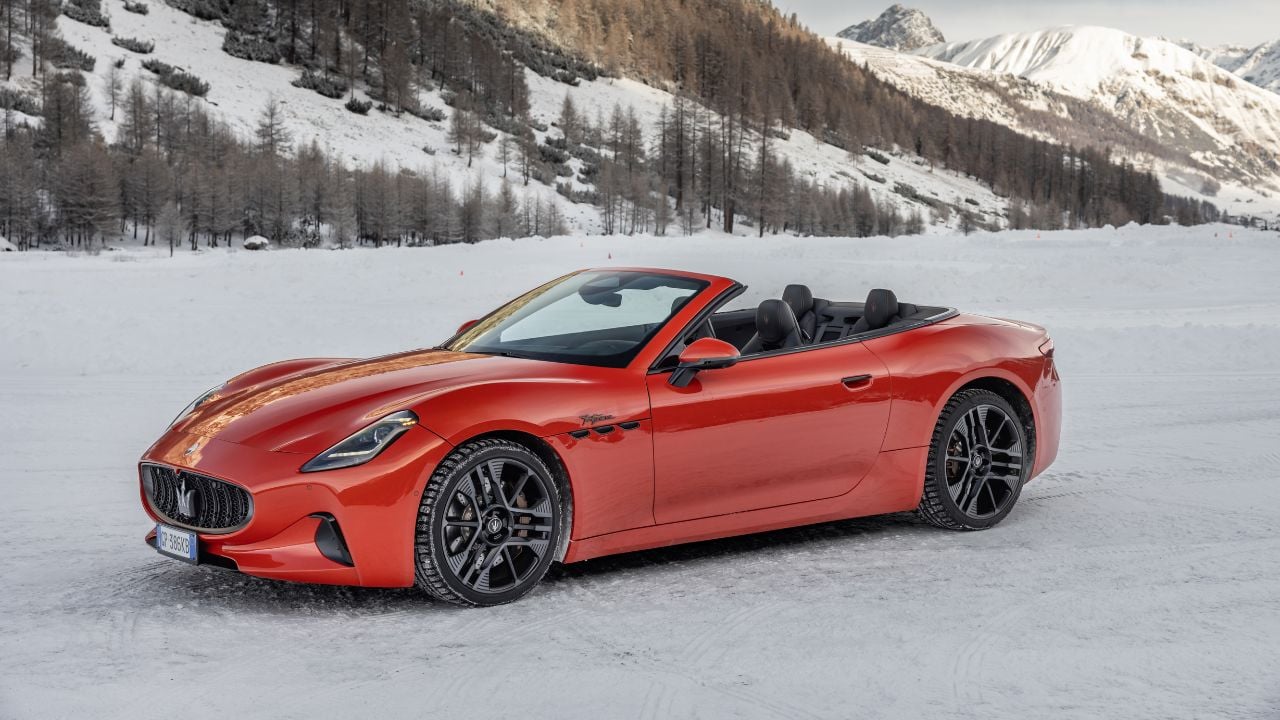
Stellantis has already signaled changes at the top. Jean Philippe Imparato has been tasked with focusing full-time on performance improvements at Maserati as CEO, as Stellantis works on a broader recovery path.
With global deliveries at 7,800 units, the second half of the decade becomes more than a normal product cycle. It becomes a repositioning effort in an environment shaped by electrification, intensified competition, and the rising influence of ultra-exclusive brands. The challenge for Maserati is straightforward but demanding. It has to become desirable again before it can become reliably profitable again.
This article originally appeared on Autorepublika.com and has been republished with permission by Guessing Headlights. AI-assisted translation was used, followed by human editing and review.