Sports cars often chase a simple goal. Deliver the most thrilling performance possible. Horsepower figures receive endless attention, yet another number tells a deeper story about real performance. Power to weight ratio reveals how effectively a car turns engine output into acceleration and agility.
A lighter car with strong power frequently feels faster and more responsive than a heavier machine with greater horsepower. That balance explains why many legendary sports cars focus as much on weight reduction as engine development. Engineers spend enormous effort trimming mass from chassis components, body panels, and suspension systems.
Buyers today can find impressive power to weight performance across many price categories. Affordable sports coupes now deliver acceleration that once belonged only to expensive exotics. Meanwhile, high end supercars continue pushing engineering limits with advanced materials and powerful engines.
This article explores sports cars that stand out for exceptional power to weight balance across different price levels. Each model combines strong output with carefully controlled mass to deliver remarkable performance on the road and track.
Why Power To Weight Defines Real Sports Car Performance

Power figures alone rarely explain how a sports car truly performs. A powerful engine must move the entire mass of the vehicle. When weight increases, acceleration and agility often suffer even if horsepower climbs higher.
Power to weight ratio measures how much horsepower moves each pound of vehicle mass. A lower weight combined with strong power allows a car to accelerate faster, brake more effectively, and change direction with greater precision. Engineers often focus on reducing unnecessary mass to improve this balance.
Lightweight materials play a critical role in this process. Aluminum structures, carbon fiber panels, and advanced composite components allow manufacturers to trim weight without sacrificing strength. Modern suspension systems and compact powertrains also contribute to better performance efficiency.
Sports cars with excellent power to weight ratios tend to feel more alive behind the wheel. Steering responses sharpen. Acceleration becomes immediate. Drivers often describe these cars as more connected to the road.
The following models demonstrate how different manufacturers approach this engineering challenge across a wide range of price segments.
Mazda MX 5 Miata

Few sports cars demonstrate the importance of weight reduction better than the Mazda MX 5 Miata. Rather than relying on massive horsepower figures, this compact roadster focuses on balance and lightweight engineering.
A naturally aspirated 2.0 liter four cylinder engine produces about 181 horsepower. That figure may appear modest on paper, yet the Miata weighs only about 2,340 pounds. This balance creates a lively driving experience where every input feels immediate.
Cornering behavior highlights the advantages of a strong power to weight ratio. The Miata changes direction quickly and communicates road conditions clearly through the steering wheel. Drivers often describe the experience as pure and mechanical.
“Pricing in the United States starts at $30,430 before destination and fees, which makes the Miata one of the most accessible sports cars available today. Despite its affordable price, the car continues to deliver performance characteristics that many larger and more expensive vehicles struggle to match.
Toyota GR86

Lightweight engineering also defines the Toyota GR86. This compact coupe focuses on driver engagement and balanced performance rather than extreme horsepower numbers.
Power comes from a naturally aspirated 2.4 liter flat four engine producing about 228 horsepower. With a curb weight close to 2,800 pounds, the GR86 achieves a power to weight ratio that supports strong acceleration and responsive handling.
The low center of gravity created by the flat engine layout contributes to stable cornering behavior. Drivers quickly notice how easily the car rotates through tight turns. That balance encourages confidence during spirited driving.
Starting prices around $31,200 place the GR86 within reach of many sports car buyers. Its combination of lightweight design, rear wheel drive layout, and lively engine character continues to attract drivers who value pure driving enjoyment.
Ford Mustang GT
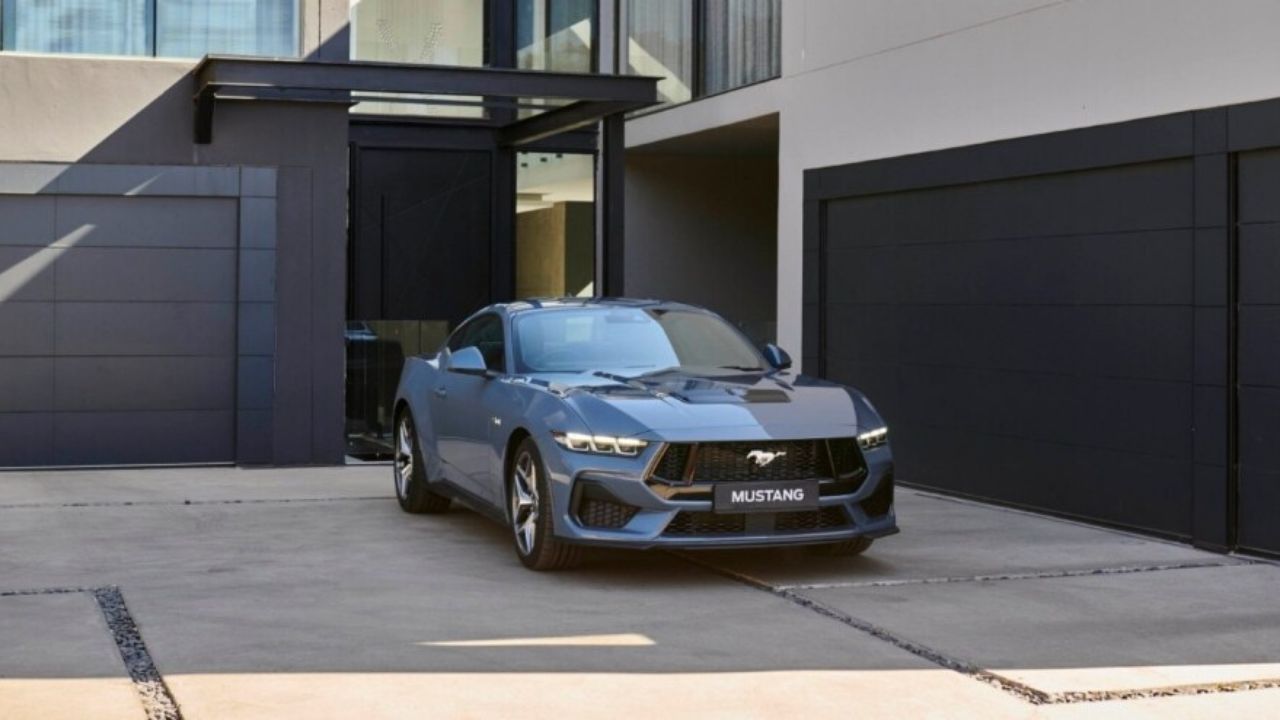
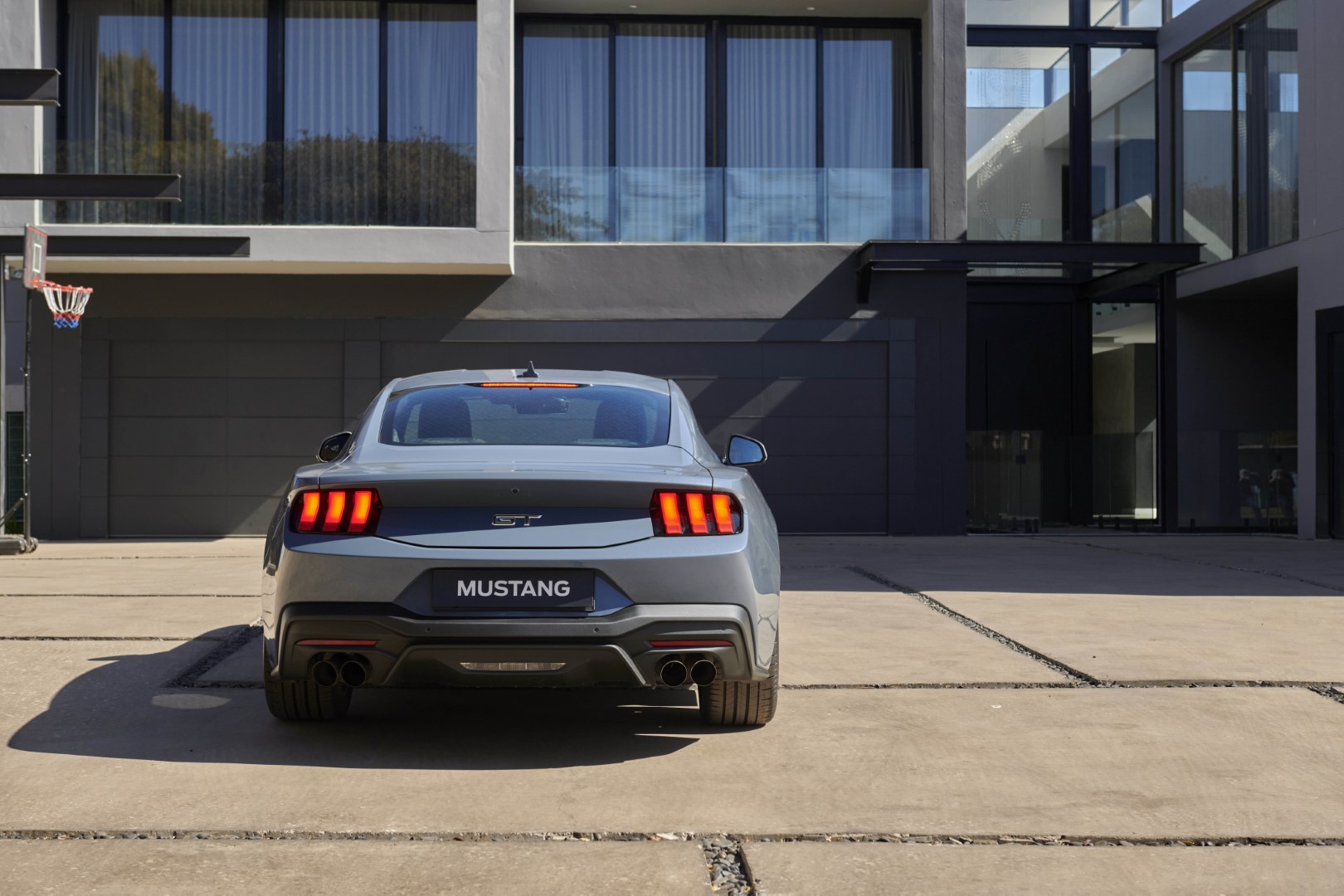
American muscle enters the conversation through the Ford Mustang GT. This modern interpretation of a classic performance formula combines a powerful V8 engine with improved chassis engineering.
Under the hood sits a naturally aspirated 5.0 liter V8 producing approximately 480 horsepower. Curb weight hovers near 3,800 pounds depending on configuration. The resulting power to weight ratio delivers impressive straight line acceleration.
Recent generations of the Mustang also improved handling characteristics dramatically. Suspension upgrades and chassis rigidity enhancements help balance the car’s substantial power output.
Pricing typically begins around $45,000 in the United States. That price point allows buyers to access serious performance without entering the exotic sports car market. The Mustang GT demonstrates how traditional V8 power can still deliver strong power to weight performance in a relatively attainable package.
Chevrolet Corvette Stingray

Moving into higher performance territory brings the Chevrolet Corvette Stingray into focus. The mid engine layout introduced in the latest generation improves weight distribution and overall balance.
A naturally aspirated 6.2 liter V8 produces 495 horsepower in the Z51 performance configuration. With a curb weight near 3,535 pounds, the Corvette delivers impressive power to weight numbers.
Acceleration feels immediate and relentless. The car launches aggressively while maintaining strong stability through high speed corners. Mid engine architecture also improves traction during acceleration.
Starting prices around $70,000 position the Corvette in an interesting segment. Performance levels approach those of exotic supercars while pricing remains relatively accessible. This balance explains why the Corvette continues to attract attention from drivers seeking serious performance value.
Porsche 718 Cayman GTS 4.0

Precision engineering defines the Porsche 718 Cayman GTS 4.0. This mid engine coupe focuses on delivering exceptional balance between power and lightweight construction.
A naturally aspirated 4.0 liter flat six engine produces 394 horsepower. With a curb weight slightly above 3,240 pounds, the Cayman GTS achieves a strong power to weight ratio that supports thrilling acceleration.
The mid engine layout contributes to near perfect weight distribution. Drivers often praise the car’s composure through corners and its immediate throttle response. Steering precision remains one of the Cayman’s strongest characteristics.
When it was orderable new in the United States, pricing started around $99,700, and by late 2025 Porsche stopped taking new U.S. orders for 718 models. While more expensive than earlier entries on this list, the Cayman GTS rewards drivers with remarkable balance and a driving experience that feels both refined and intensely engaging.
BMW M4 Competition
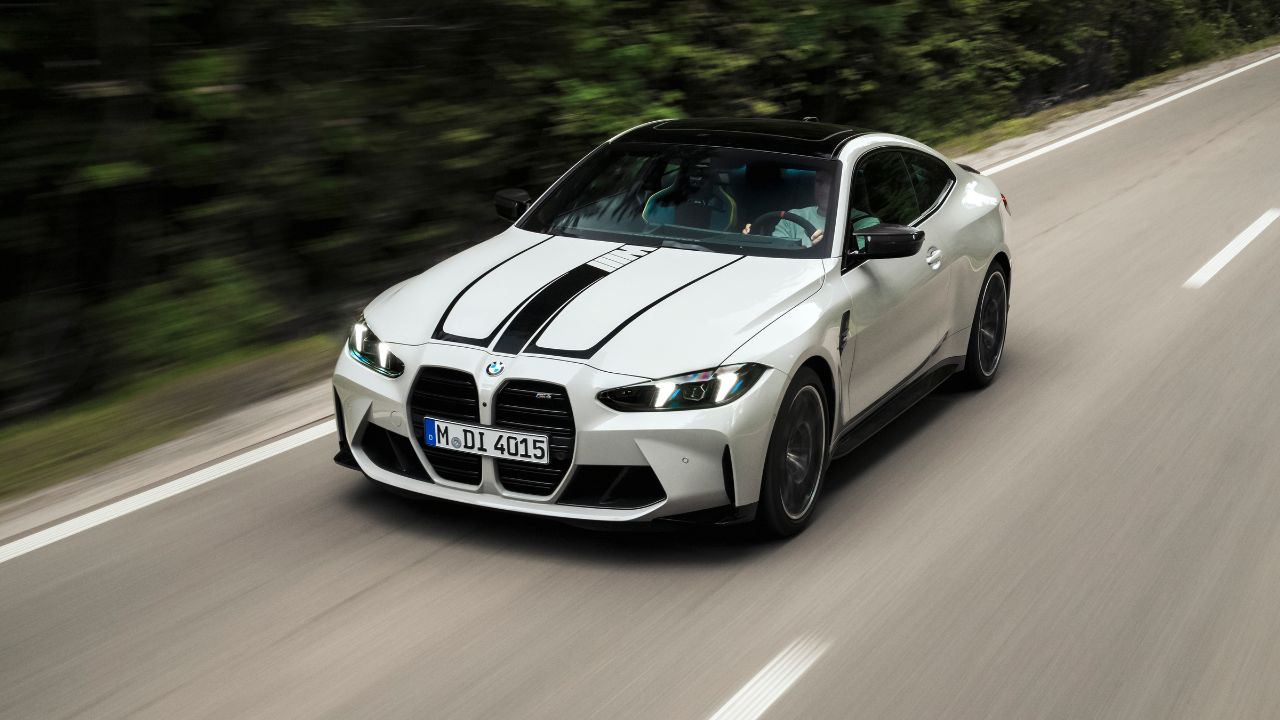
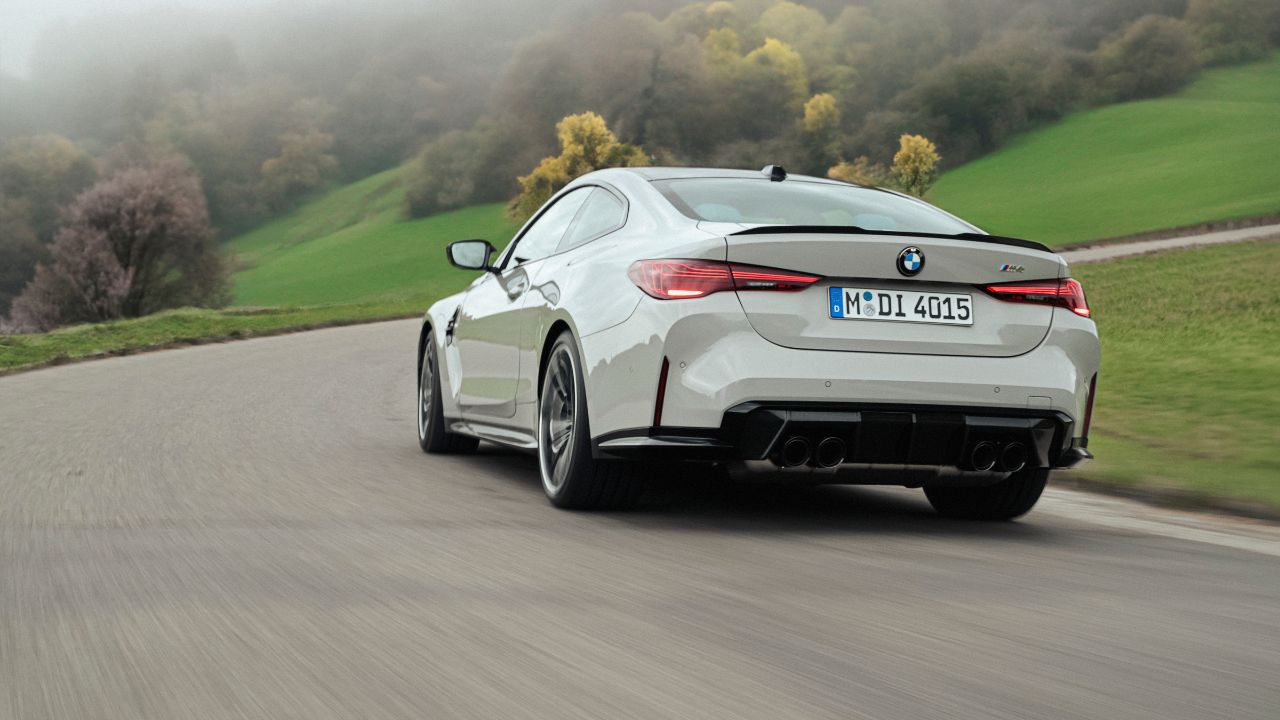
High performance engineering reaches another level with the BMW M4 Competition. This performance coupe blends strong turbocharged power with advanced chassis technology.
A twin turbocharged 3.0 liter inline six produces about 503 horsepower. Curb weight sits close to 3,830 pounds depending on configuration. Despite the additional mass compared with smaller sports cars, the engine’s strong output delivers impressive acceleration.
Modern suspension tuning and adaptive damping systems help maintain stability during aggressive driving. Drivers experience strong grip and predictable handling characteristics even at high speeds.
Pricing begins around $86,400 in the United States. The M4 Competition demonstrates how modern performance engineering can deliver impressive power to weight figures even in larger sports coupe platforms.
Ferrari 296 GTB

Hybrid technology enters the discussion through the Ferrari 296 GTB. This supercar combines electrified performance with advanced lightweight construction.
A twin turbocharged 3.0 liter V6 works together with an electric motor to produce 819 horsepower combined. Ferrari quotes a claimed weight around 3,240 pounds, depending on specification, helped by extensive lightweight construction.
The resulting power to weight ratio places the 296 GTB among the most explosive sports cars currently available. Acceleration happens with extraordinary intensity, while sophisticated aerodynamics maintain stability at high speeds.
Pricing is typically quoted starting around $350,000 in the United States, depending on specification. Ferrari’s engineering approach highlights how hybrid technology can enhance performance without compromising driving excitement.
McLaren 765LT
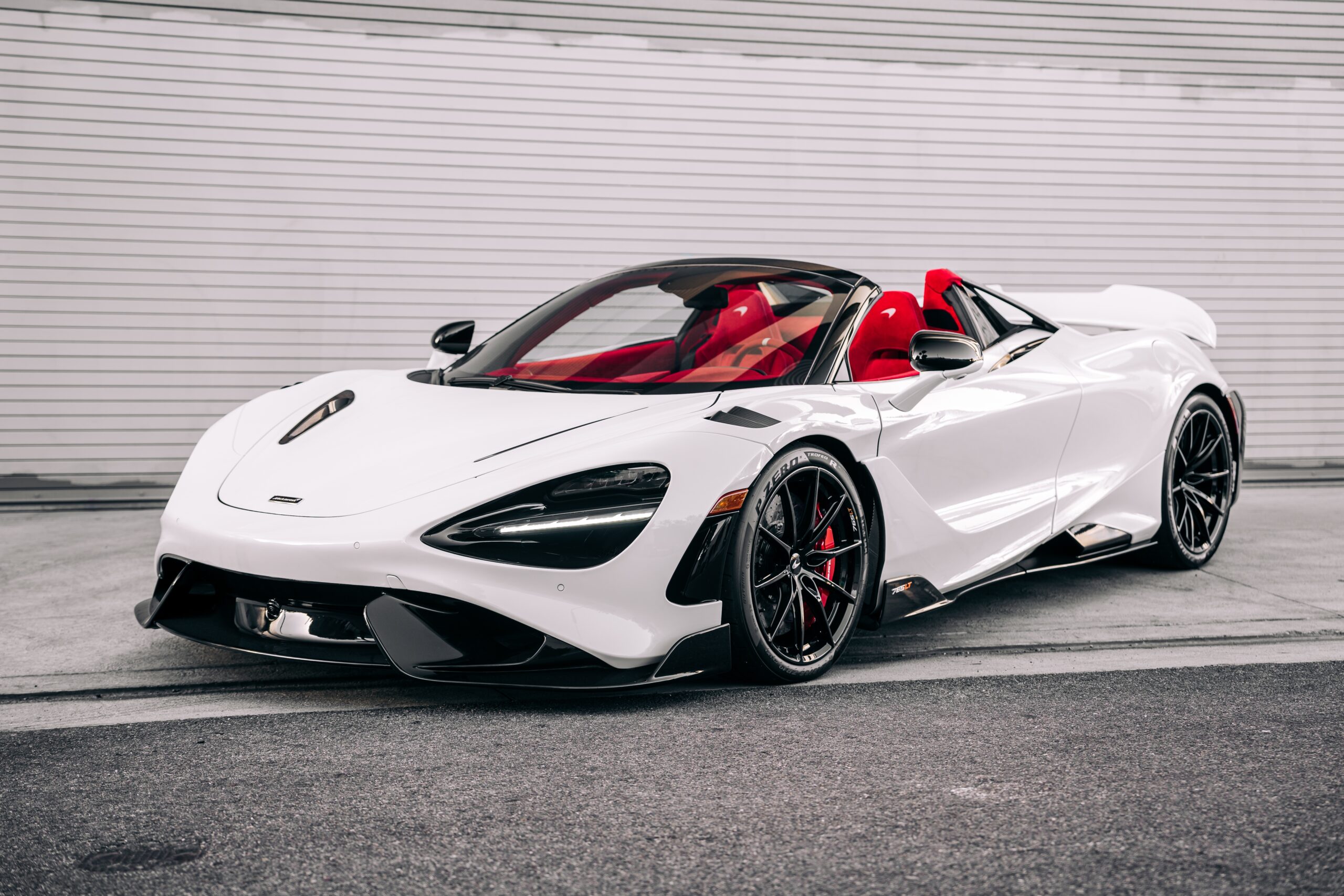
Extreme performance reaches its peak with the McLaren 765LT. Engineers designed this supercar specifically to maximize power to weight efficiency through aggressive weight reduction.
A twin turbocharged 4.0 liter V8 produces 755 horsepower. Carbon fiber construction and lightweight components help keep DIN curb weight at about 2,952 pounds.
This combination creates a stunning power to weight ratio that places the 765LT among the fastest road cars ever produced. Acceleration feels almost violent as the car surges forward with relentless force.
Pricing started around $358,000 when new, and today values depend heavily on mileage and specification. Despite its extreme performance focus, the car still delivers precise steering and remarkable balance on challenging roads. McLaren’s dedication to lightweight engineering remains central to the brand’s identity.
Where Power Meets Precision
Sports cars achieve greatness when power and weight work together in perfect harmony. An enormous engine alone cannot guarantee thrilling performance. Balanced engineering determines how effectively that power reaches the road.
The models in this list show how different manufacturers approach this challenge across multiple price categories. Lightweight roadsters deliver pure driving joy at accessible prices. Mid engine coupes combine balance and strong acceleration. Exotic supercars push power to weight ratios to extraordinary levels.
Every sports car buyer eventually faces an important question. Does pure horsepower matter most, or does balanced performance create the most rewarding experience?
The answer often becomes clear the moment a perfectly balanced sports car accelerates out of a corner.