
For more than two decades, the Lotus Elise stood as the David among automotive Goliaths. Its bonded aluminum bare chassis/tub weighing in at just 150 pounds, with most versions of the car tipping the scales under or around 2,000 pounds, depending on year and specification, this Norfolk-born lightweight made heavyweight boxers look positively portly. Its recipe was deceptively simple: take everything unnecessary off a sports car, then remove a bit more for good measure.
Here’s where things get interesting. The Elise didn’t just capture hearts, it captured imaginations. Engineers, entrepreneurs, and the occasional lunatic looked at Colin Chapman’s spiritual successor and thought, “You know what this needs? More everything.” More power, more batteries, more propellers, more doors (actually, scratch that last one, for now).
From track-day terrors to electric experiments that would make Elon blush, the Elise’s DNA spread faster than gossip at a cars and coffee meet. Some collaborations made perfect sense; others made you wonder if someone had been sampling the racing fuel. But that’s the beauty of the Elise: it was such a perfect foundation that even the craziest ideas somehow worked.
The Little Lotus Elise That Could
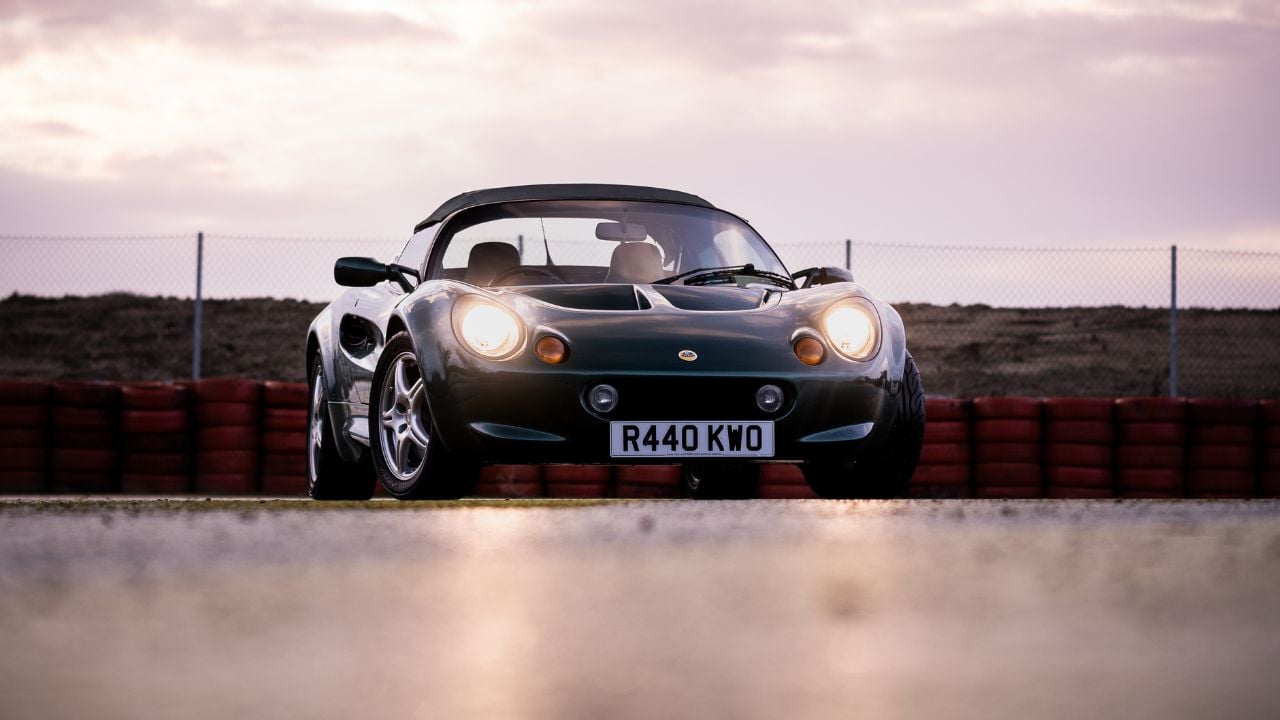
The Lotus Elise is a very recognizable car, there is nothing else quite like it, except for these cars inspired by it, of course. Due to the Elise’s unique chassis, build, and appearance, it has become the target for many carmakers that want to build off it in various ways. Can we make the Elise, but faster? lighter? harder, better, faster, stronger?
What does “inspired by” mean in the car world exactly? It means cars that share something with the Elise, whether it’s direct parts or just design principals, even just its lightweight performance.
Our focus was on production models and notable prototypes that reached a stage where they could realistically be driven or purchased, even if in very small numbers. We avoided pure concept sketches and one-off show cars that never moved under their own power.
For each entry, we looked at how the car came to be, what role Lotus or the Elise platform played in its creation, and why it stands out in the wider automotive landscape. The goal was not to produce an exhaustive technical analysis, but rather to highlight the relationships, collaborations, and experiments that sprang from one of the most influential sports cars of its era.
Meet the Elise mutants that led to wild innovations in performance and style.
Lotus 340R
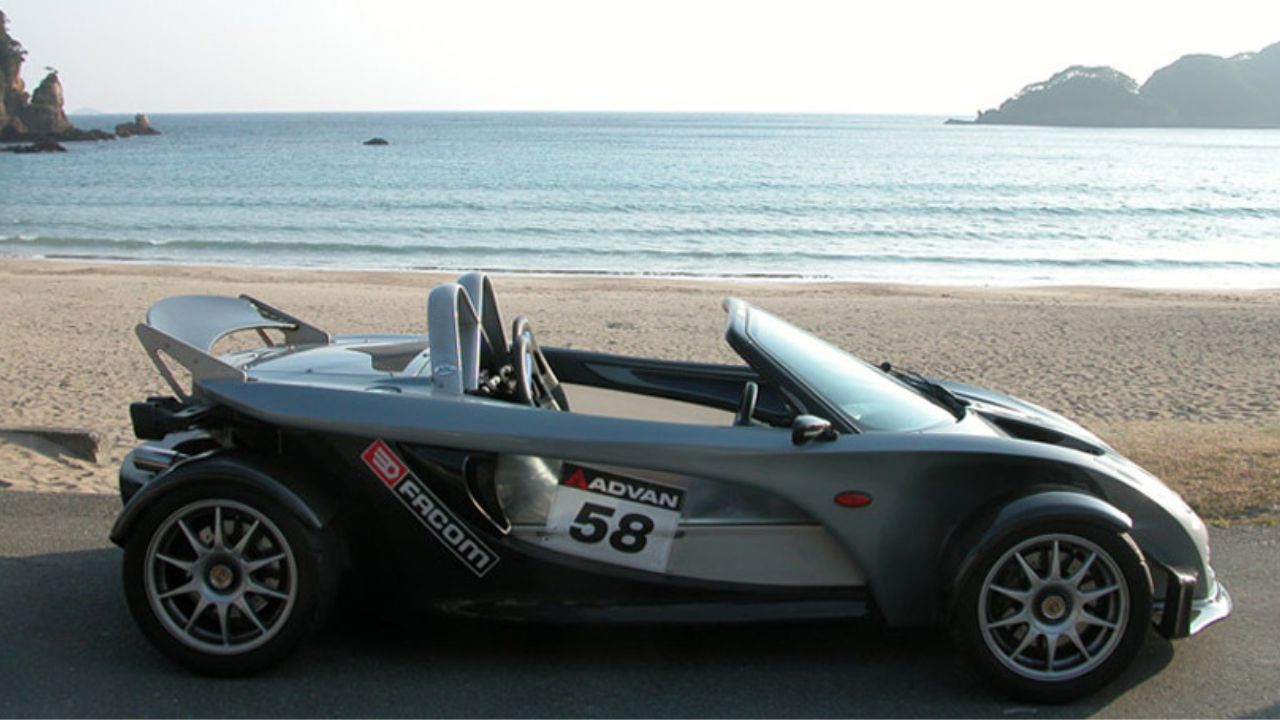
The 340R looked like someone challenged Lotus designers to create the world’s most impractical car while drunk. No doors, no roof, no windscreen, and definitely no chance of explaining to your insurance company why you need coverage for what appears to be a street-legal go-kart with delusions of grandeur.
Built in a strictly limited run of 340 units (hence the name, Lotus has always been refreshingly literal), it sold out faster than tickets to a Pink Floyd reunion tour. The 340R proved that there’s always a market for maximum inconvenience if you wrap it in carbon fiber and call it “pure.”
While it shared the Elise’s basic architecture, the 340R pushed minimalism so far it made a monk’s cell look cluttered. It was the perfect car for people who thought the regular Elise had too many creature comforts, like being able to get in and out without dislocating a hip.
Vauxhall VX220
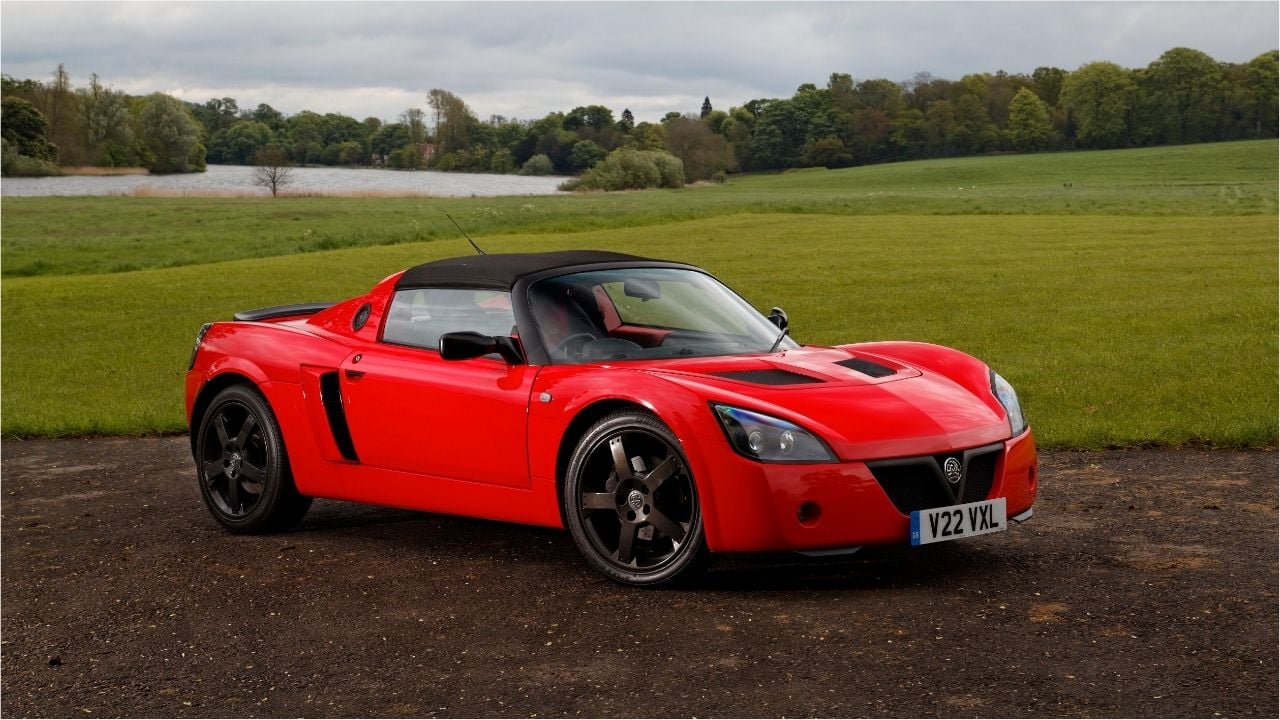
When Vauxhall (that’s Opel for our European friends) needed a sports car, they did what any sensible company would do, they called their mates at Lotus. The result was the VX220, essentially an Elise that had gone to finishing school and learned some manners.
It was slightly bigger, marginally more civilized, and came with amenities that Lotus engineers considered pure luxury, like door handles that didn’t require a PhD in mechanical engineering to operate. The VX220 proved that the Elise platform could work for people who wanted sports car thrills without requiring a yoga instructor on speed dial.
For Vauxhall, it was their ticket to the sports car club. For Lotus, it was funding for their next wild project. Everyone won, except maybe the engineers who had to figure out how to make an Elise feel “German” (spoiler alert: they succeeded).
Lotus Exige
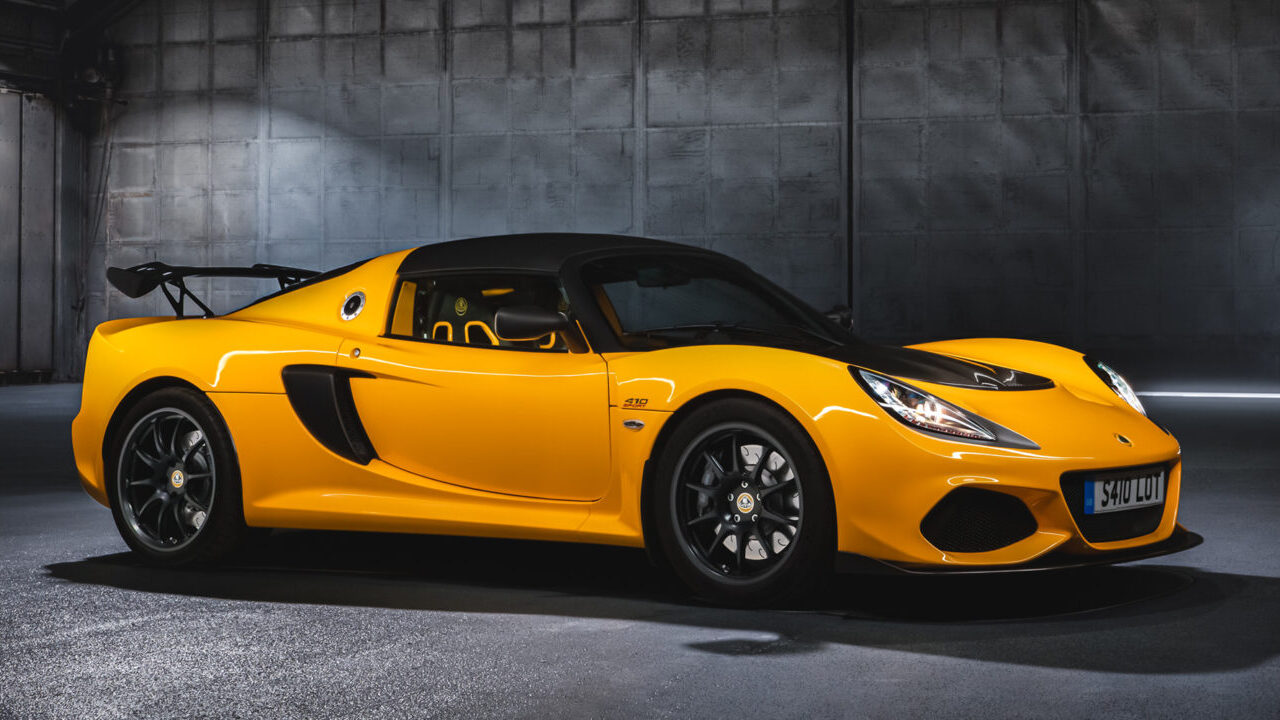
If the Elise was the classy, straightforward track car, the Exige was the fun-loving younger sibling with a bit more bells and whistles for an even crazier performance. Available with naturally aspirated engines producing 189 horsepower or supercharged units making 218 hp, it took the Elise’s playbook and underlined all the important bits in red ink.
The early Exige looked like an Elise wearing a crash helmet, which wasn’t far from the truth. The fixed roof and aerodynamic additions weren’t just for show, however, as they turned the already sharp Elise into something that could embarrass cars costing three times as much around a proper circuit.
Over the years, the Exige evolved into one of Lotus’s most respected models, beloved by people who thought the regular Elise was missing that extra chutzpah. It became the thinking enthusiast’s weapon of choice, proving that sometimes the best way to improve perfection is to make it slightly more obsessive-compulsive.
Tesla Roadster

In 2008, while everyone was arguing about whether electric cars would ever be anything more than glorified golf carts, Tesla dropped a bombshell. Their first production car was built on, wait for it, a Lotus Elise, except it has a totally different drivetrain, body panels, aluminum tub, rear subframe, brakes, ABS system, HVAC, and rear suspension.
“If you tried to convert a Lotus Elise into a Tesla Roadster and removed every component that wasn’t carried over, you’d be left with little more than the windshield, dashboard with airbags, front suspension components, and the removable soft top,” explained Darryl Siry, who served as Vice President of Sales, Marketing, and Services at Tesla during the Roadster program.
So basically, it shared… the general concept of having four wheels and being a car. That platform gave Tesla the head start it desperately needed. With 0–60 mph times in the high-3s to around 4 seconds and an EPA-rated range that reached 244 miles in later testing, it proved electric cars could be quick, desirable, and fun to drive.
Critics called it “an over-ballasted Lotus Elise,” which was probably fair, batteries are heavy, but it changed everything. Without the Roadster, we might still be stuck with electric cars that looked like suppositories and drove like them, too.
Lotus 2-Eleven
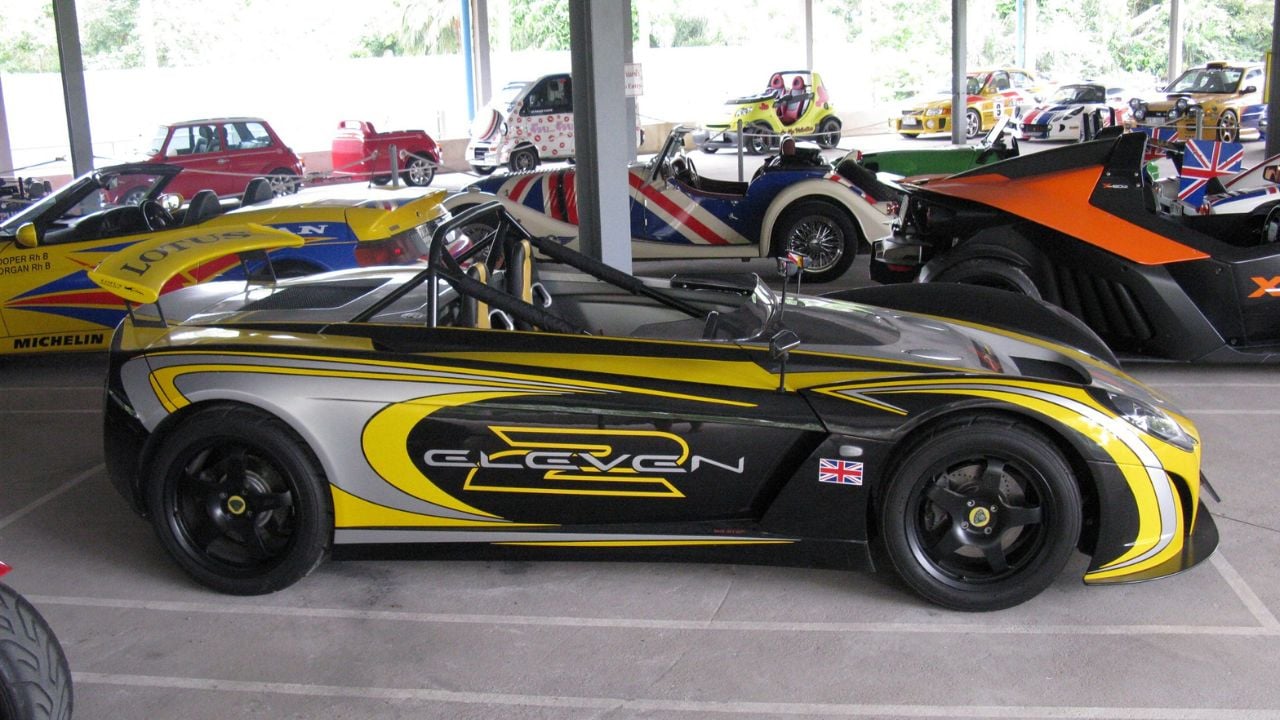
The 2-Eleven was what happened when Lotus engineers were asked to make something even more focused than the 340R. Their response was essentially automotive performance art, if Jackson Pollock had been into aerodynamics instead of paint splatters.
With even less bodywork than the 340R (an achievement that deserves some sort of award), the 2-Eleven was available in track-only and road-legal versions. The road-legal version was technically legal in the same way that wearing a banana hammock is legal at the beach. You’re gonna get some looks.
It demonstrated just how far you could push the lightweight philosophy before physics started laughing at you. Spoiler alert: physics has a good sense of humor.
Dodge Circuit
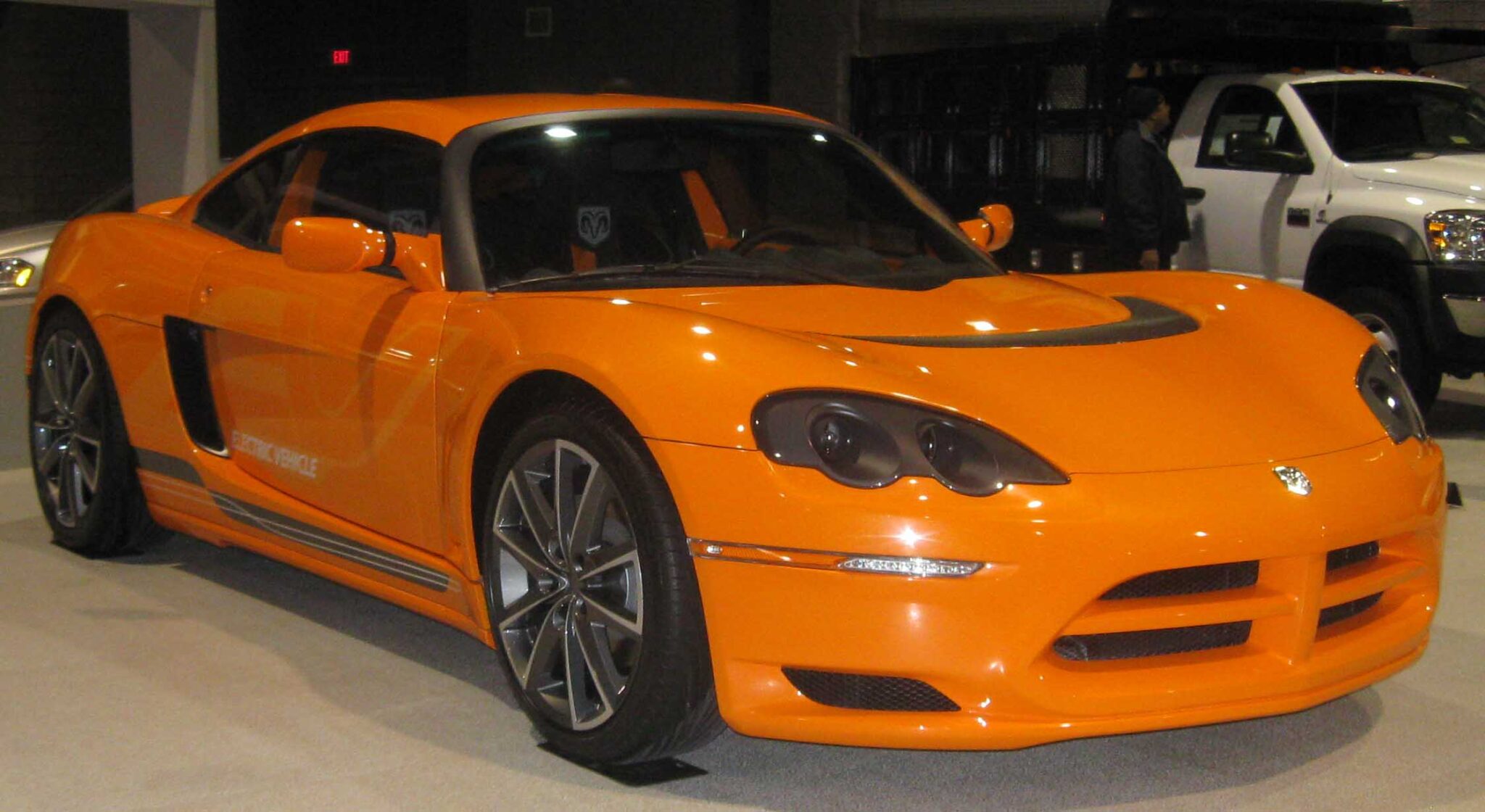
Here’s where things get properly bonkers. In 2009, Dodge, the company famous for putting superchargers on everything and asking questions later, showed up at Detroit with an electric sports car based on the Lotus Europa platform, which in turn was based on the Elise. Yes, you read that correctly. Dodge. Electric. Sports car.
The Circuit EV promised 200 miles of range and the kind of performance that would make Prius drivers weep with joy. It looked properly aggressive in that distinctly American way; like it wanted to arm-wrestle every other car in the parking lot.
Then, 2009 happened to the economy like a brick happens to a windshield, and Dodge went back to what they knew best: making V8s angrier. The Circuit EV became a fascinating “what if”, proof that even muscle car companies were eyeing the Elise platform for inspiration.
Detroit Electric SP.01
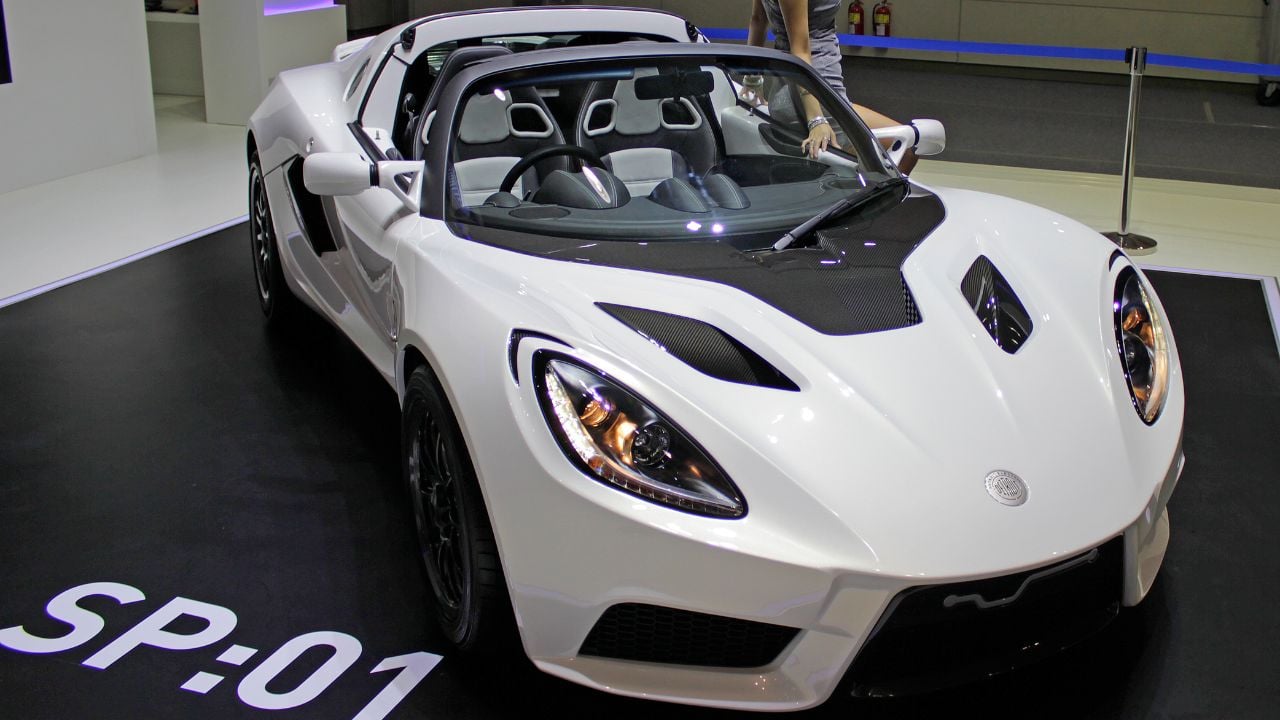
Reviving a brand name from the dawn of motoring, Detroit Electric announced the SP.01 with all the confidence of someone who definitely hasn’t checked their bank balance recently. Based on the Elise platform, it promised to combine classic driving dynamics with modern electric propulsion.
The business plan was solid, the performance claims were impressive, and the marketing was suitably ambitious. There was just one tiny problem: actually building and selling the things. Despite investment and genuine enthusiasm, the project dissolved faster than a sugar cube in rain.
Still, it proved that the Elise’s influence extended beyond established manufacturers to entrepreneurs with more ambition than sense, which, let’s be honest, describes most of the best automotive projects.
Rinspeed sQuba
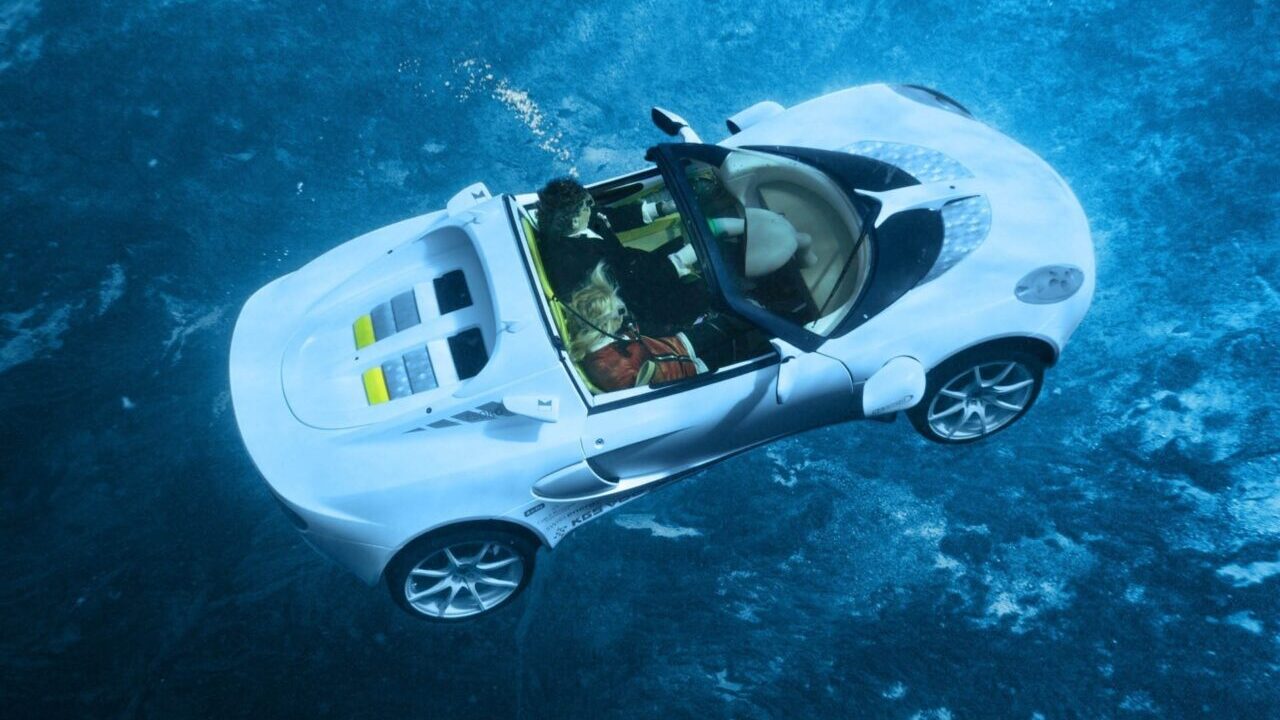
Swiss company Rinspeed has made a career out of answering questions nobody asked (nobody), and the sQuba was their masterpiece. Based on an Elise, it wasn’t content with merely conquering roads: it wanted to explore the briny depths as well.
The sQuba could drive normally on land using electric motors, then transition to underwater propulsion via twin propellers and water jets. Passengers breathed through scuba-style oxygen systems while the entire interior resisted saltwater corrosion. It was equal parts engineering marvel and publicity stunt.
Only one was built, but it remains the most outrageous answer to the question, “What else can we do with an Elise platform?” The answer, apparently, was “Go where even Land Rovers fear to tread.”
Hennessey Venom GT
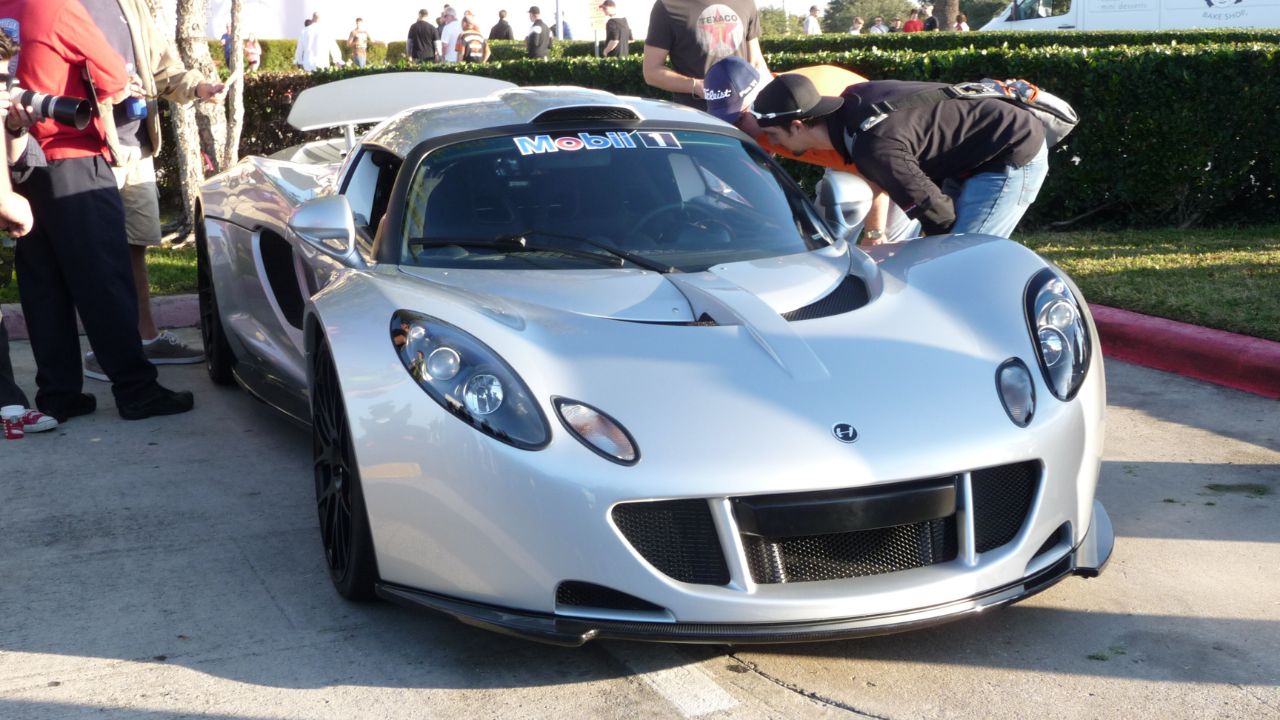
American tuner Hennessey looked at the Elise chassis and thought, “This needs more freedom.” By freedom, they meant a 7.0-liter twin-turbo V8 producing up to 1,451 hp. Because nothing says “subtle modification” like multiplying the original power output by roughly eight.
Based on the Lotus Elise/Exige platform, the Venom GT retained components including the roof, doors, side glass, windscreen, dash, cockpit, floorpan, and HVAC system, then stretched the chassis to accommodate enough horsepower to power a small town.
The result hit 270.49 mph at Kennedy Space Center, proving that with enough American ingenuity (and complete disregard for sensible power-to-weight ratios), you could turn a lightweight British sports car into a land-based missile. At just 2,743 pounds, it maintained the Elise’s lightweight philosophy while adding enough power to restructure continental plates.
Rezvani Beast Alpha
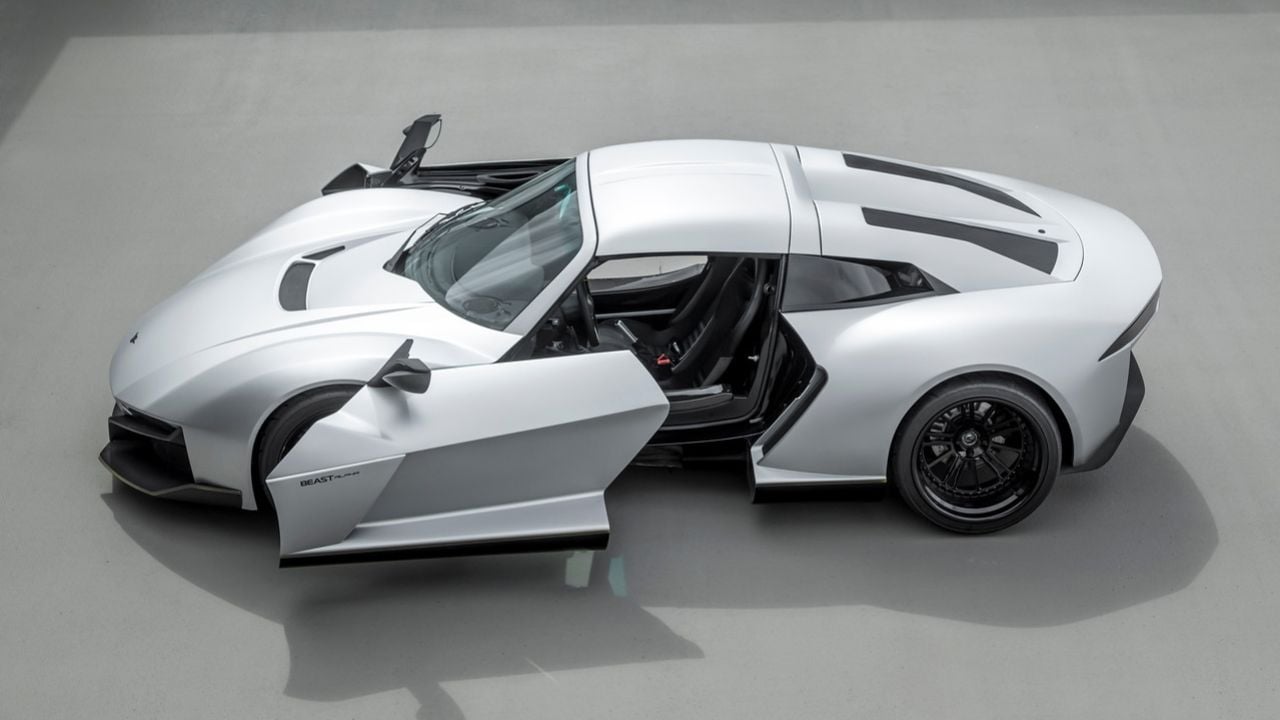
California-based Rezvani looked at the Lotus Elise and decided it needed more drama, specifically, sidewinder doors that open like they’re auditioning for a Transformer movie. The Beast Alpha wraps a striking carbon fiber body around the Elise chassis and adds enough power to make things properly interesting.
Under the carbon fiber skin sits a supercharged Honda K24 four-cylinder producing around 400 hp to about 500 hp, depending on version and production year. At around 2,000 pounds, it’ll hit 60 mph in 3.5 seconds, which is quick enough to make most supercars nervous and light enough to make Lotus engineers nod approvingly. A scary combo.
Originally priced at around $200,000, Rezvani later advertised a starting price as low as $95,000 for entry configurations, making it one of the more attainable ways to experience Elise-based performance with Honda reliability and those absolutely bonkers doors. It even comes with Apple CarPlay and Android Auto, because apparently even track weapons need to stay connected these days.
The Beast Alpha proved that the Elise platform could handle American-style drama without losing its fundamental lightweight charm, though explaining those doors to parking valets remains a challenge.
From Norfolk to the World: The Elise’s Ripple Effect
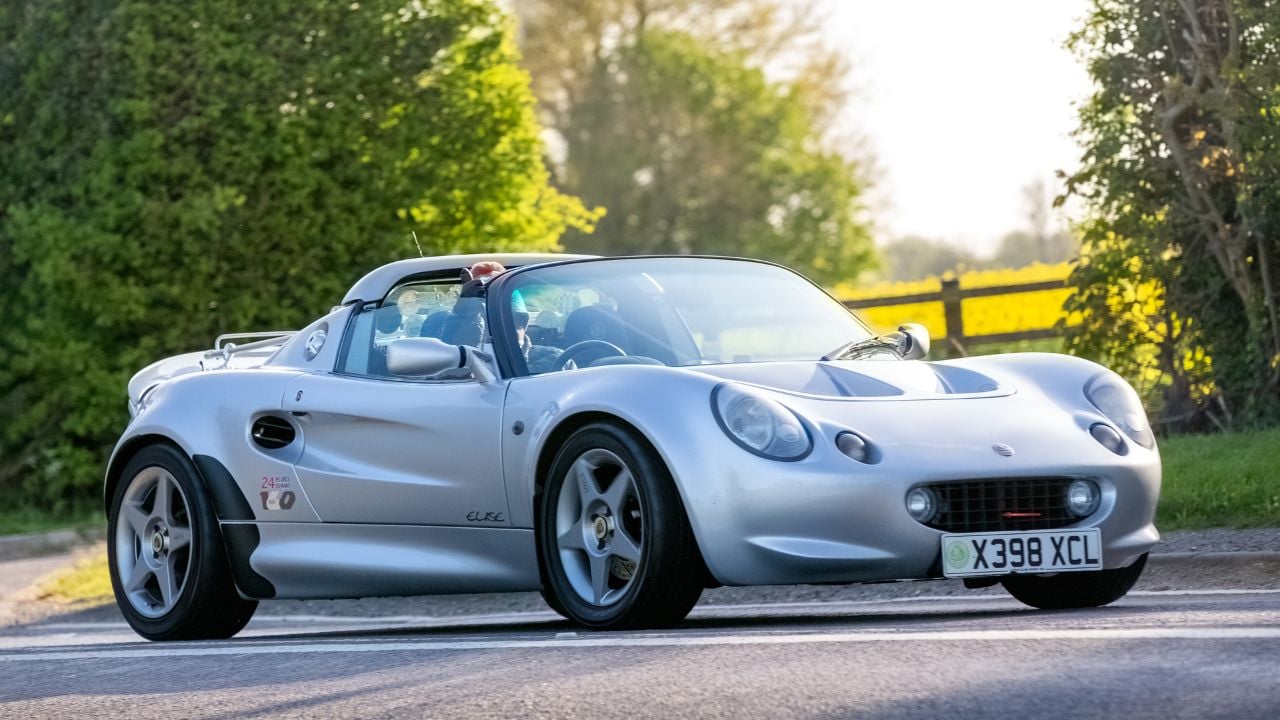
The Lotus Elise may have started life as a small British sports car with humble ambitions, but it became something much bigger, a platform that inspired lunatics, entrepreneurs, and major manufacturers alike (all of whom wanted to clearly one-up each other in the wackiest of ways). From the sensible (Vauxhall VX220) to the sublime (Exige) to the absolutely mental (sQuba), it proved that good engineering is endlessly adaptable.
Some projects succeeded spectacularly, others crashed and burned with equal enthusiasm, but each one proved that the Elise’s DNA was strong enough to survive even the most ambitious modifications. Whether it was electrification, submarine duty, or enough horsepower to move tectonic plates, that little aluminum chassis from Norfolk just kept saying, “Sure, why not?”
In a world of increasingly complex, heavy, and digitally dependent sports cars, the Elise’s influence reminds us that sometimes the best solution is also the simplest one: make it light, make it fun, and let the enthusiasts figure out the rest. They usually come up with something far more interesting than you’d expect, and occasionally, something that can outrun physics itself.