Electric vehicles are constantly in the news, often surrounded by loud claims about how they will change everything forever. Sometimes, the noise and excitement before a vehicle arrives far outweighs what it actually delivers to the public.
These are the cars that generated massive headlines, huge initial buzz, and sky-high valuations, only to see the reality of the market or production prove much tougher.
Faraday Future FF 91
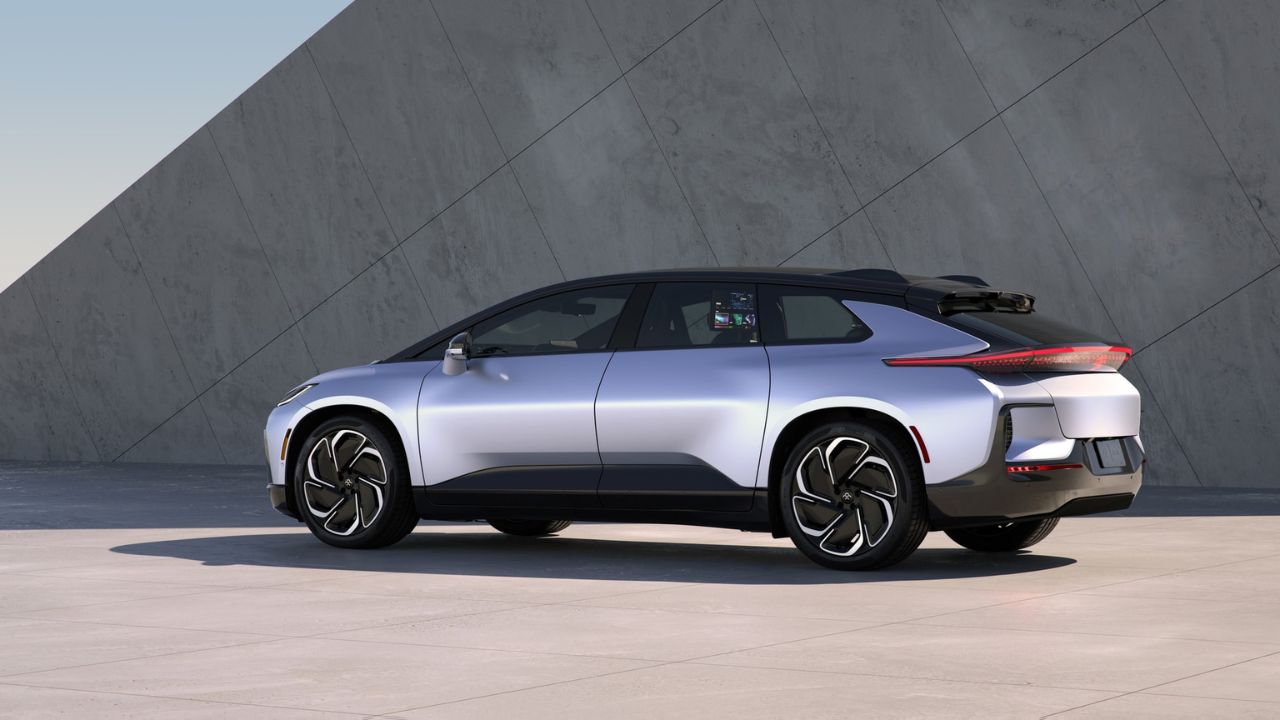
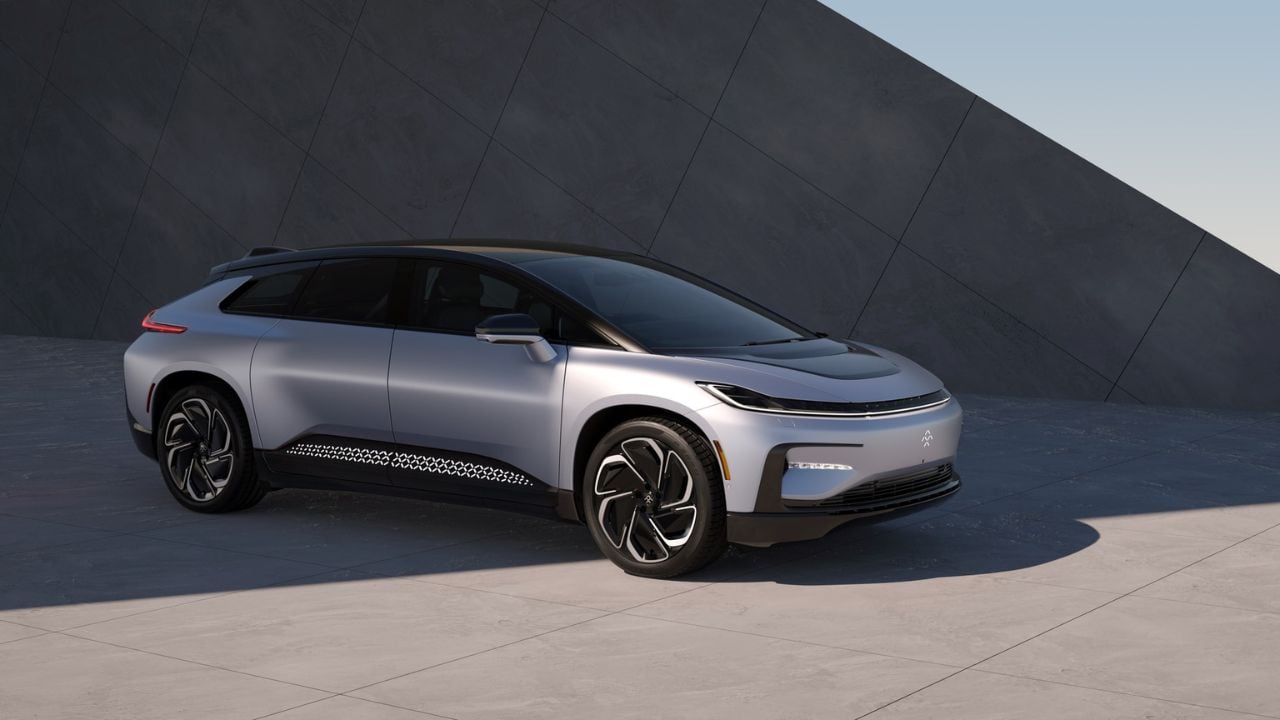
This car became the symbol of a difficult period where hype and financial projections seemed to matter more than delivering a finished product. The FF 91 debuted in 2017 and did not begin limited production and deliveries until 2023.The vehicle was introduced with incredible power claims and futuristic looks, promising a new era of luxury EVs.
Years of financial instability, high leadership turnover, and multiple production delays followed the initial big reveal. The true cost of the vehicle and its long-term reliability remain major question marks as it finally began small-volume delivery years after its debut.
Fisker Ocean

The brand promised a sustainably built, affordable, and stylish SUV that could truly take on the EV leaders. The Ocean launched with a high level of media attention and strong reservation numbers that suggested massive potential. However, the initial sales trajectory quickly slowed, driven by software glitches, reported production bottlenecks, and complex issues with quality control that made early customers nervous.
Its perception shifted from being a highly anticipated disruptor to a company struggling to gain consistent ground against more established rivals. Fisker ultimately filed for Chapter 11 bankruptcy in June 2024.
The Original Tesla Roadster

This was the very first product that put the name Tesla on the map, using a sports car body built by Lotus and a battery pack. While it proved that an electric car could be fast and cool, the initial performance was very limited, and the EPA-rated range was about 244 miles, though real-world results varied by driving conditions.
It was ultimately a proof-of-concept that captured huge imaginations, yet its six-figure price tag and low production numbers meant it never truly impacted the market until years later with the introduction of the Model S.
Lucid Air (Initial Hype)

The Lucid Air was hyped as the first true American competitor that could offer better range, better efficiency, and better luxury than the established EV flagship. While the car did eventually set impressive efficiency records, the initial production ramp-up was extremely challenging, with the company facing a slower-than-expected production ramp that required revised targets.
This gap between the huge claims of volume and the slow pace of actual deliveries tempered the initial excitement among many consumers and investors.
Sono Sion
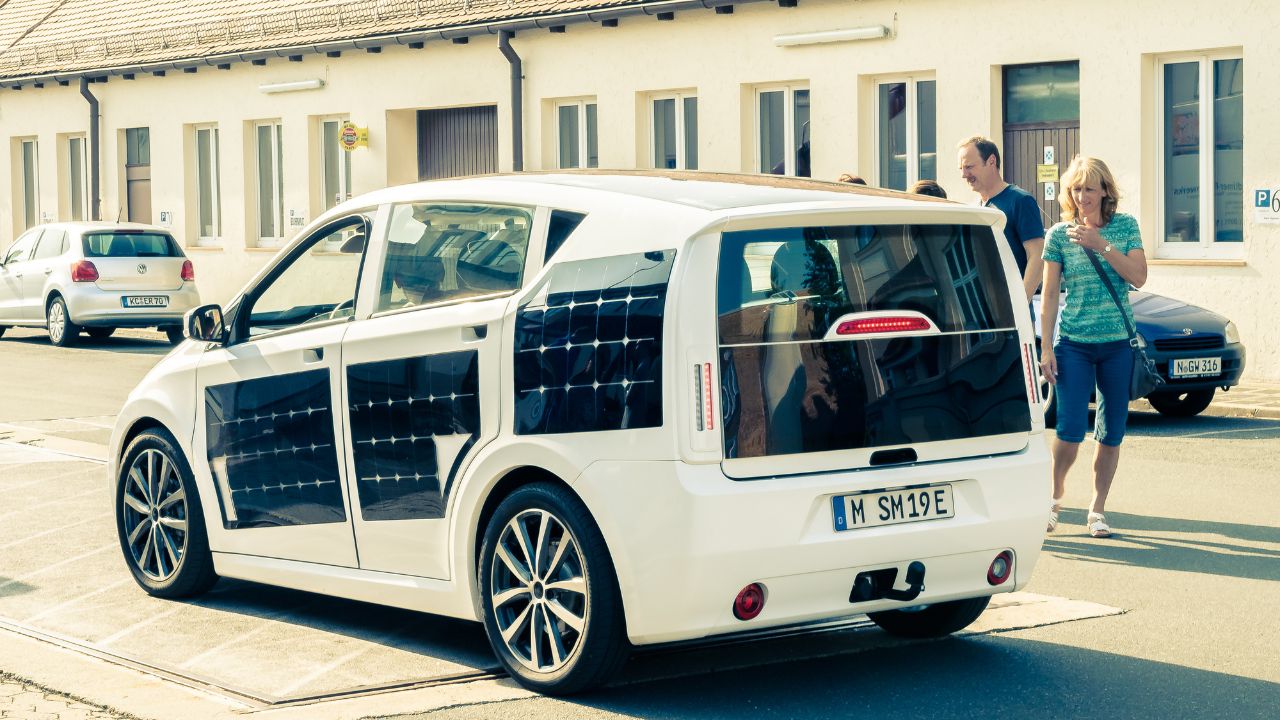
This unique German car was built around a bold concept: a solar-powered vehicle affordable enough for the masses, which could actually generate some of its own charge while parked. The idea was brilliant and attracted thousands of reservations and significant media coverage for its democratic vision.
Sadly, the complexity of developing a truly effective solar vehicle at a low price point proved too difficult, and the company eventually halted its primary vehicle program after years of development. Sono Motors officially canceled the Sion vehicle program in 2023.
Lordstown Endurance Pickup

This electric work truck was promoted with massive fanfare, often emphasizing its rugged design and hub motor technology aimed directly at fleet buyers and industrial use. The company’s valuation briefly soared on the back of impressive promises and videos of the truck in action, generating huge national media interest.
This initial excitement did not last, as the company faced intense scrutiny over claims of roughly 100,000 non-binding reservations that were later challenged, production viability, and financial stability, leading to a much more difficult path to market than originally promised.
Tesla Cybertruck (Initial Launch)
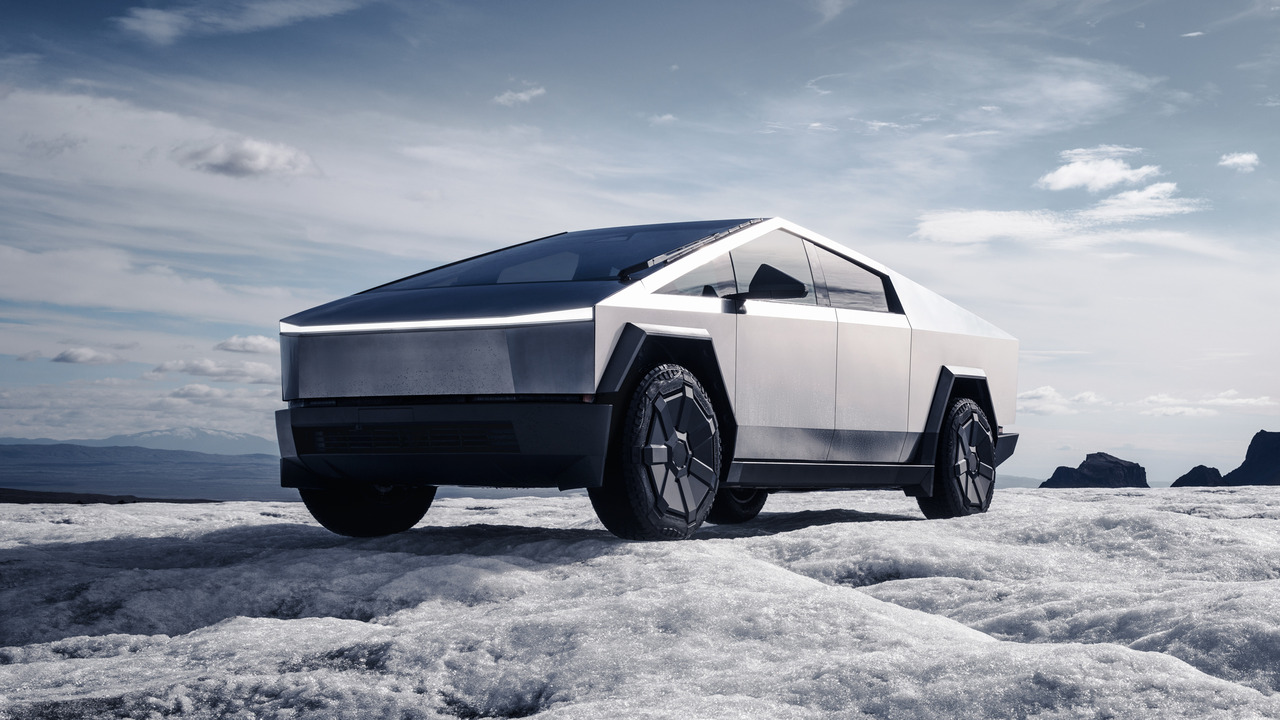
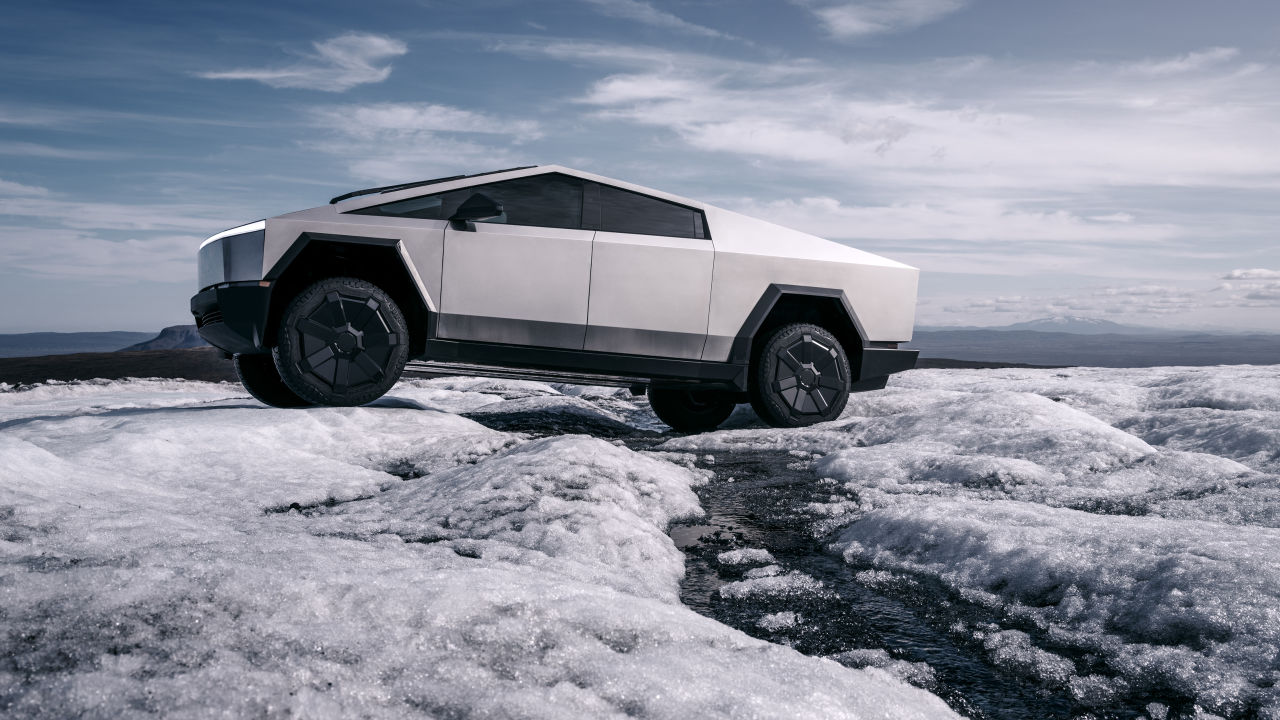
The vehicle’s initial unveiling was designed to shock and excite the world with its radical, wedge-shaped stainless steel design. The event itself, featuring a broken ‘unbreakable’ window, became instantly viral and generated unprecedented levels of attention and reservations.
However, the sheer extremity of the design, the delays in production, and the a final launch price far higher than the roughly $39,900 figure discussed at its 2019 unveiling meant the initial frenzy has been followed by years of waiting and uncertainty for many reservation holders.
Bollinger B1 and B2

These electric SUVs and pickups offered a tough, boxy, utilitarian design that appealed directly to a niche market looking for a simple, rugged EV without unnecessary technology. They received widespread praise in the automotive press for their honesty and minimalist approach.
Despite this strong critical reception, the high projected price point and the difficulty of bringing a niche vehicle to market ultimately led the company to pause and abandon the consumer B1 and B2 projects while pivoting to commercial vehicles before significant numbers were delivered.
The Original Aptera 2E

This vehicle was a hyper-efficient, three-wheeled design that generated a passionate following due to its extreme focus on aerodynamics and efficiency. It was promoted as a solution to high gas prices and environmental concerns, and it pursued federal loan funding but never reached sustained production before the company collapsed.
However, the difficulty of mass-producing such an unusual, non-traditional vehicle structure meant that the initial buzz faded when the company could not overcome the financial and engineering hurdles to reach consistent volume production.
Coda Sedan
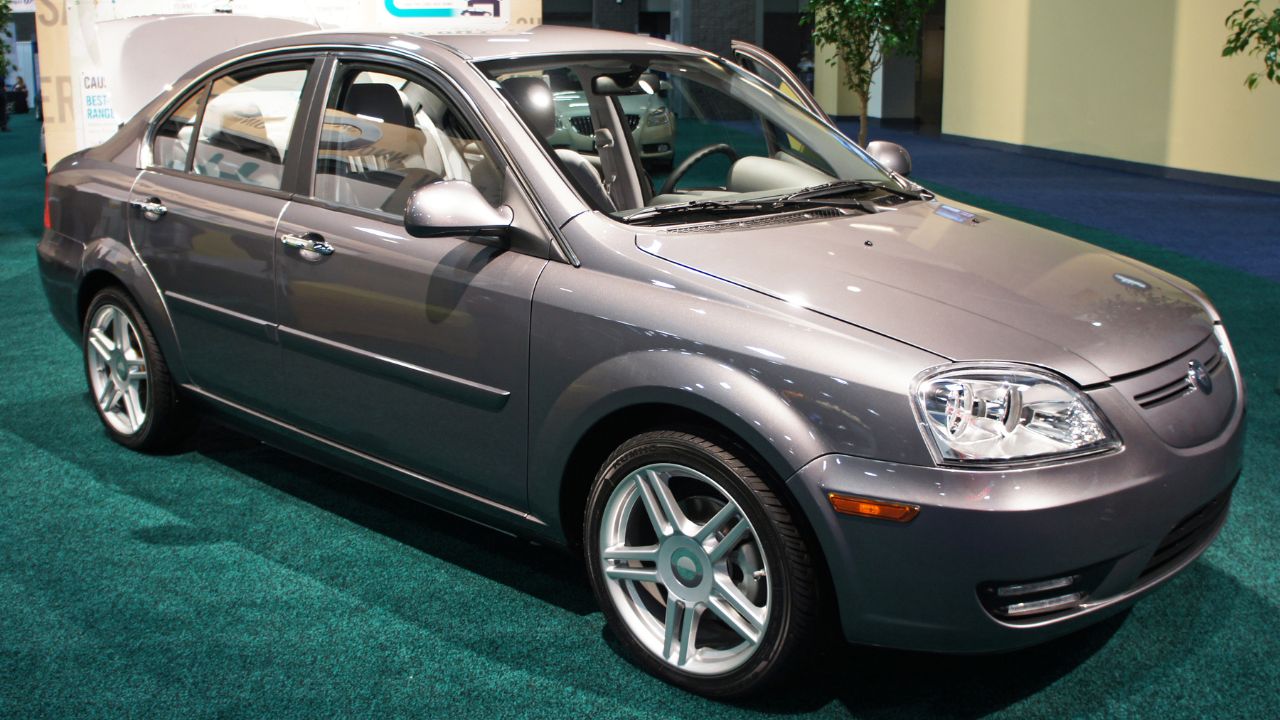
This compact electric sedan used a Chinese-built platform adapted for the U.S. market, then pushed as an easy, budget-friendly way to start going electric. Marketed mainly for urban commutes, it earned praise thanks to no-fuss operation.
Still, reviewers knocked it for costing too much given the short driving range and basic looks – so even with heavy hype at release, actual sales ended up really weak.
NIO ES8 Launch

This Chinese electric car grabbed global headlines when it launched, thanks to its bold battery-swapping idea along with plush cabin details. People kept calling it the ‘Chinese Tesla,’ and investors jumped on board early.
Sales inside China did fairly well – yet scaling outside China proved far more challenging than early hype suggested. Big legacy automakers made tough rivals, pulling down the sky-high hopes tied to their market value.
BYD E6 (US. Taxi Launch)

The Chinese automaker BYD tried to gain a foothold in the US market by focusing on fleet sales, specifically promoting the E6 as a reliable, long-range taxi cab. The company received widespread press coverage for being a major global player making a US entry.
The practical reality of maintenance, parts, and integrating a new vehicle into demanding fleet operations proved much harder than anticipated, and the large-scale US rollout that was hyped never truly materialized. The e6 was never widely sold to U.S. consumers and remained limited to pilot and fleet use.
The Value of Quiet Delivery
The cars that truly change the industry rarely do it with a single, dramatic moment; they often rely on slow, steady improvements and reliable execution. The list above reminds everyone that the biggest headlines do not always translate into the most successful products. Instead, the vehicles that consistently deliver on their core promises, rather than generating maximum shock, quietly build a lasting legacy.