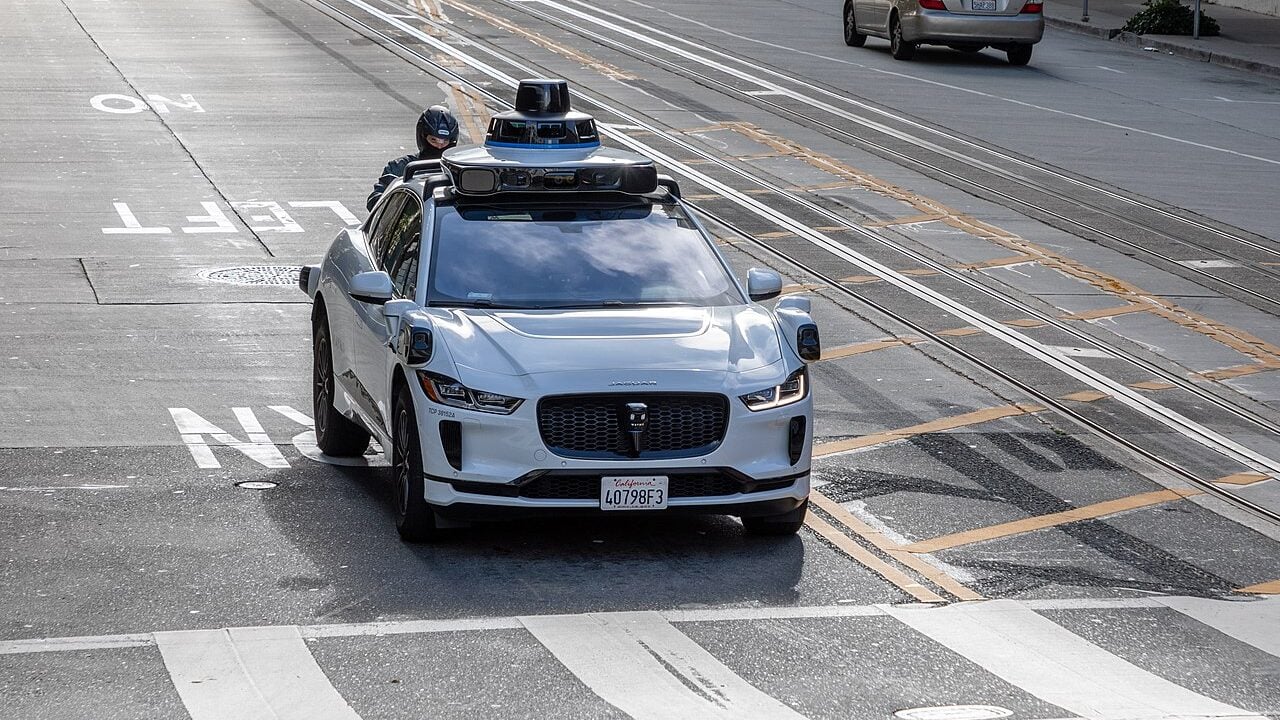
San Francisco police have spent nearly six months trying to identify the man who broke into a yoga studio in the Marina District in January, stole some merchandise and left in a Waymo robotaxi. The Waymo had 29 cameras, a 360-degree view and a connected account. Police have still not made an arrest.
According to the San Francisco Chronicle, the burglary happened in January at a Hot 8 Yoga studio in the city’s Marina District. Surveillance footage from inside the studio showed the suspect entering, grabbing merchandise and leaving within minutes. Outside, a Waymo was waiting for him, and he got in and the car drove off.
Police obtained a search warrant for the ride’s account details and for the vehicle’s video. The account information did not lead anywhere useful, in part because ride-hailing services can be accessed using stolen payment information or burner phones. The video, by the time investigators went looking for it, was no longer fully available.
By the time the warrant was filed in April, Waymo no longer had the interior video from the theft. The exterior footage was available, but the faces of people captured outside the vehicle had been blurred under Waymo’s privacy safeguards. The case has continued without a suspect.
What Happened to the Waymo?
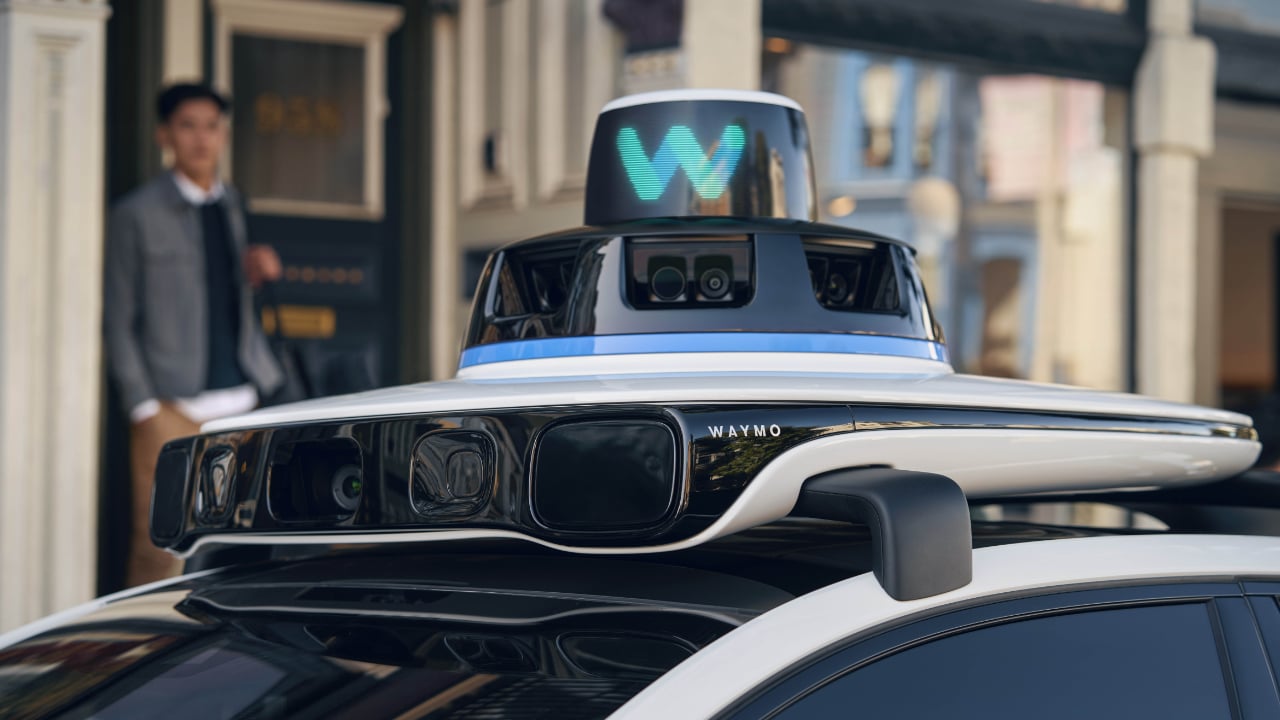
San Francisco Police Department Sergeant Tim Faye, the detective assigned to the case, said he had expected a Waymo crime to be relatively easy to solve given the cameras and the trip data tied to a connected user account. But it seems things didn’t go as Faye has planned it. In fact, the case may have been made even more difficult because of the fact that it involves a Waymo.
The studio’s manager, Farah Issa, reported that most of what had been taken was men’s athletic shorts. She added that she had found the incident more funny than alarming after watching the footage. But that didn’t mean a crime hadn’t been committed, so there still needed to be someone held responsible.
Waymo’s latest Jaguar I-Pace vehicles come equipped with 29 cameras for a 360-degree view, and every ride is tied to a user account. The company blurs the faces of anyone captured in exterior footage as a privacy safeguard. It also doesn’t not use facial recognition or other biometric identification.
Waymo hasn’t publicly disclosed how long it retains video data from its vehicles and declined to comment to the Chronicle on the specifics of the case. The company has said publicly that it reviews law enforcement requests to confirm they’re legally valid. It may also sometimes narrow the scope of those requests to protect rider privacy.
A Broader Pattern
Law enforcement agencies have increasingly turned to connected vehicles for evidence in recent years, including Teslas. They can also record activity around the car and have been used as a source of footage in investigations. Fully autonomous ride-hailing services like Waymo’s are still limited to a handful of US cities, so getaway car cases involving them remain rare.
A similar 2025 case in Los Angeles ended differently. A suspect who entered a Waymo after a robbery was caught when officers stopped the vehicle by turning on their emergency lights. It remains to be seen whether the offender in this case will be tracked down with the available data, however.