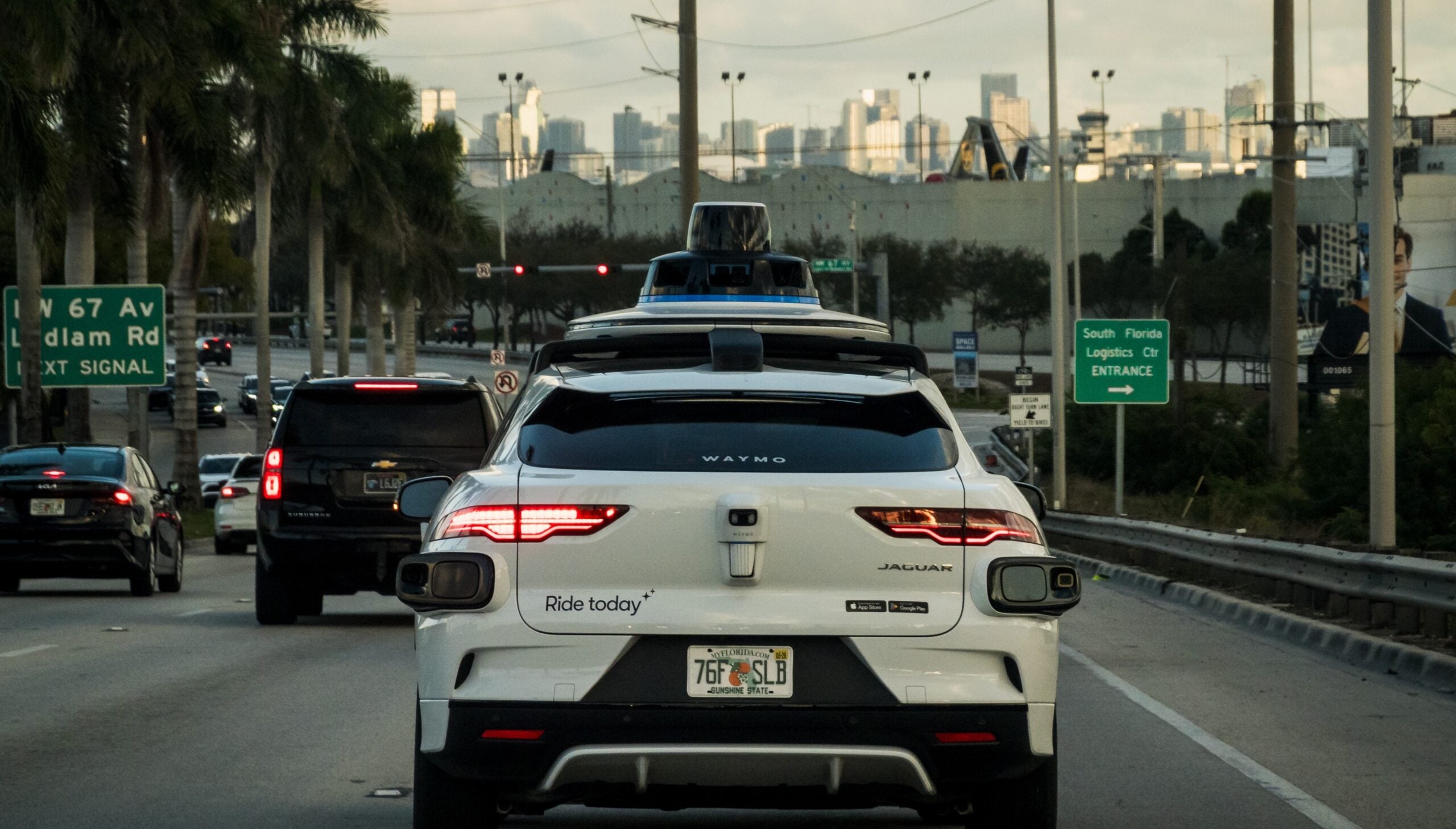
If you thought the most awkward part of hailing a robotaxi was figuring out where to look when there is no driver to make small talk with, think again. Riders across the country are now getting interrupted mid-trip by a Waymo representative asking if they are old enough to be in the car. Not before the ride. Not at booking. Right in the middle of it, while you are sitting there minding your business.
A TikTok posted by content creator Addi (@ihaveahottake) captured the moment perfectly. A voice suddenly came through the Waymo’s speaker system and asked her point-blank whether she was over 18. Then came the follow-up: was she the account holder? She confirmed both, the rep thanked her, and her journey continued as if nothing happened. The video racked up more than 1.8 million views, suggesting this experience hit a little too close to home for a lot of people.
Here is the thing: Addi is not alone. Adults well into their twenties, and beyond, have reported the same mid-ride interrogation. Some are annoyed. Some are confused. And more than a few have decided to just take it as a compliment and move on with their lives, skincare routine very much intact.
But beneath the humor is a genuinely important question that the viral moment has opened up: when you climb into a Waymo, exactly how much is being watched, recorded, and potentially handed over to someone else?
Why Waymo Started Checking Ages in the First Place
@ihaveahottakeShoutout sculptra
Waymo launched teen accounts for riders aged 14 to 17, starting in Phoenix, allowing parents to link their accounts so teens can hail fully autonomous rides. Before that rollout, the minimum age to ride solo was 18, full stop. Now that younger riders are eligible under specific conditions, the company has to make sure no one is slipping through the cracks on an adult account.
A Waymo spokesperson confirmed the policy, stating the company has measures in place to verify that riders are either 18 or older, or between 14 and 17 for authorized teen accounts in Phoenix. The age check is not automated. It is a human Waymo support agent tapping into the vehicle’s speaker system, asking the questions directly. That detail alone has made people pause.
The checks have become something of a running joke among riders, with some treating them as accidental compliments. Seema Amble, a partner at Andreessen Horowitz, posted on X after being carded mid-ride, asking whether this was the new version of getting carded and whether she should be flattered. Another rider, who goes by @clarahyee on social media, used the moment as an opportunity to share the skincare routine that made both Waymo and Uber think she was a minor.
Just How Many Cameras Are Actually in That Car
Age verification aside, the broader picture of what Waymo is capturing during any given ride is worth understanding before your next trip. Waymo’s driverless cars are equipped with 29 external cameras, providing a comprehensive 360-degree view of their surroundings. And then there are the interior cameras, which the company frames as a customer support tool.
According to Waymo’s own documentation, the company does not use facial recognition or biometric identification to identify individuals, and cameras are described as a way to make sure rides go smoothly. Support staff may review video under certain circumstances, including after an issue is brought to their attention.
That sounds reasonable enough on paper. The cameras help the car navigate, help resolve complaints, and in theory protect both riders and the company. But “in theory” is doing a lot of heavy lifting here, especially when law enforcement enters the conversation.
What Happens When Police Come Knocking
This is where the conversation shifts from mildly funny to genuinely worth paying attention to. In April 2025, the Los Angeles Police Department used footage from a Waymo vehicle to investigate a hit-and-run, obtaining a warrant and releasing the video publicly to help identify the driver. It was not an isolated case.
Police in San Francisco, Los Angeles, and parts of Arizona have increasingly requested data from autonomous vehicle fleets, with at least nine warrants served to Waymo for footage related to crimes ranging from hit-and-runs to homicides. And because many of these requests come with gag orders, the public has no clear picture of how frequently it is actually happening.
Waymo has stated it will reject any requests not backed by a valid legal process such as a warrant or court order, and co-CEO Tekedra Mawakana has emphasized that the company reserves the right to push back on overly broad demands. That is a meaningful commitment. But anti-surveillance activist Albert Fox Cahn of the Surveillance Technology Oversight Project made a point that is hard to argue with: where there is a camera, it is only one court order away from being used against you in a court of law.
Protests in Los Angeles where Waymo vehicles captured footage of immigration demonstrations amplified these tensions, raising questions about how footage collected in public spaces could eventually be used beyond its original purpose.
What We Can Learn From Getting Carded by a Robot Car
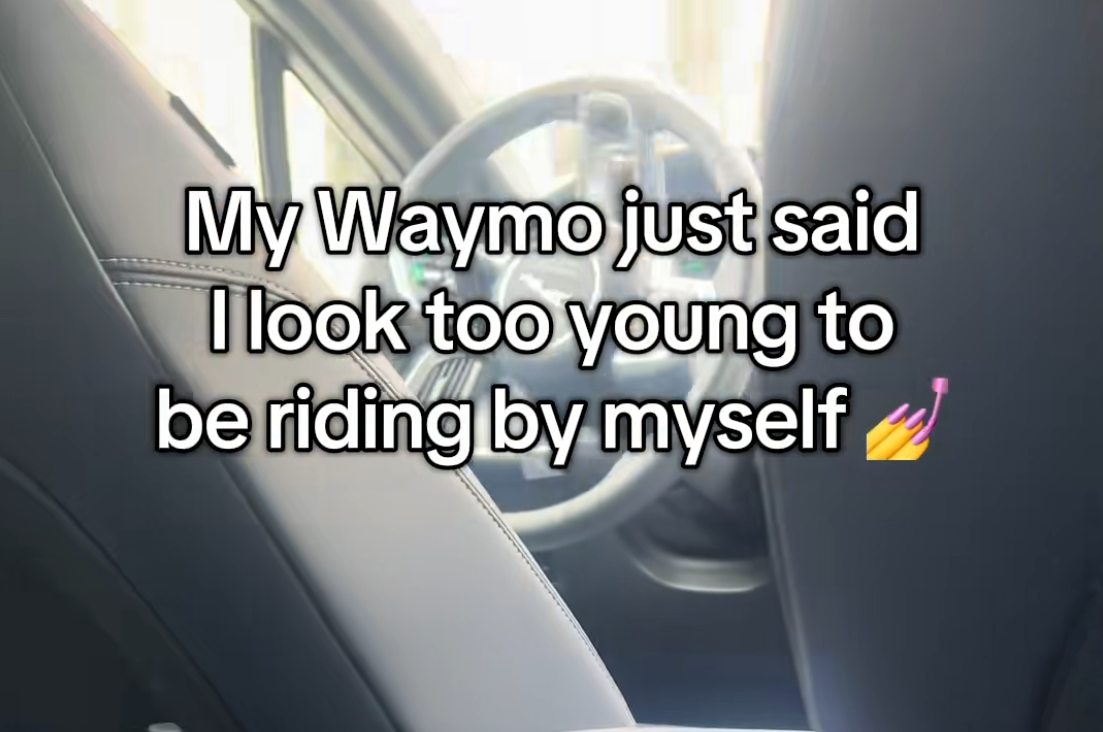
The Waymo age verification moment is funny. It is also a useful reminder that the experience of using emerging technology is almost never just about the convenience it promises. Every trip taken in an autonomous vehicle is a data transaction, one that riders agree to through a privacy policy most people click past without reading.
Privacy advocates warn that adding rolling networks of autonomous vehicle cameras to the existing landscape of surveillance tools, including license plate readers and security cameras, creates meaningful risks. At a minimum, there is the potential for violations of basic privacy rights. Beyond that, surveillance footage opens the door to scope creep, where individuals unrelated to any crime end up being monitored, and a chilling effect on free expression when people know they are constantly being recorded.
Waymo is not doing anything illegal. Its policies are largely consistent with how other tech platforms handle data, and in many ways the company has been more transparent than most. Waymo has hit 10 million paid trips as of 2025 and currently provides more than 200,000 weekly rides, meaning the scale of data being collected is growing rapidly alongside the company’s footprint.
The lesson is not that robotaxis are sinister. It is that as this technology scales to new cities, including planned expansions to Miami and Washington D.C., the public conversation about what riders are actually consenting to needs to keep pace with the rollout. Getting carded by a speaker system is a funny story. What those cameras see when no one is joking about it is the part that deserves a closer look.