There’s something about European luxury cars that makes even the most practical person consider stretching their budget just a bit further. Maybe it’s the engineering precision honed over decades, or perhaps it’s the way these vehicles make every commute feel like an event rather than a chore.
While luxury cars from around the world certainly have their merits, European manufacturers have carved out a special place in the automotive world by combining performance, craftsmanship, and technology in ways that justify their premium price tags. From the autobahns of Germany to the winding roads of Italy and the sophisticated streets of Britain, these brands have been refining their craft for generations.
Whether you’re drawn to raw performance, uncompromising comfort, or simply the pride of ownership, European luxury brands offer experiences that go well beyond basic transportation.
Mercedes-Benz

When you think of luxury cars, Mercedes-Benz probably comes to mind first, and there’s a good reason for that century-long association. Mercedes-Benz was founded in 1926, but its roots trace back to Carl Benz’s 1886 Patent Motorwagen and the early Mercedes cars sold in the 1900s.
Today’s Mercedes lineup offers something for everyone, from the sporty C-Class starting around $50,800 to the opulent S-Class starting around $120,700 and easily surpassing that with options. What makes Mercedes worth the investment is their relentless focus on both innovation and comfort, they’re often first to market with new safety technologies that eventually become industry standard. The MBUX infotainment system represents one of the most intuitive interfaces in the industry, responding to voice commands with impressive accuracy.
Plus, there’s an undeniable satisfaction in that three-pointed star on the hood that signals you’ve arrived, both literally and figuratively.
BMW
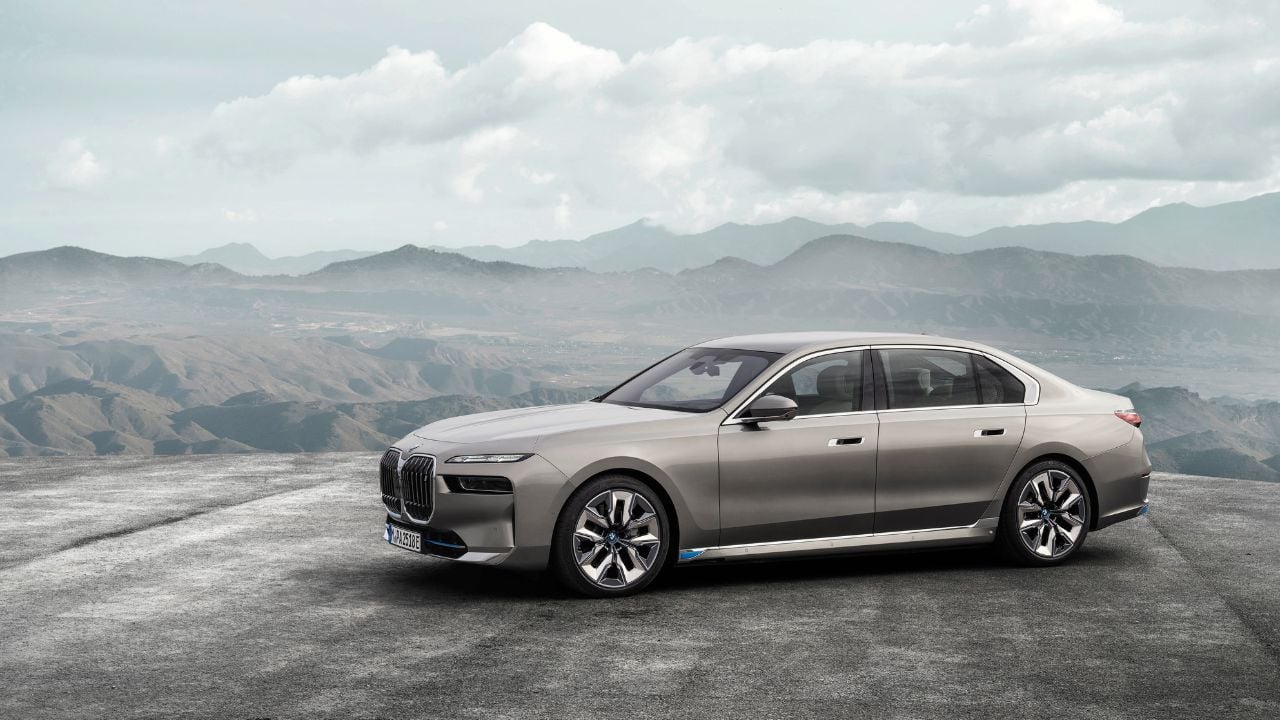
BMW’s tagline “The Ultimate Driving Machine” dates to 1974, and it became synonymous with the brand’s driver-focused marketing rather than something used since BMW’s 1916 founding. While Mercedes focuses on comfort and prestige, BMW has always prioritized the connection between driver and road, creating vehicles that somehow make even grocery runs feel sporty.
Their lineup spans from the compact 2 Series starting around $38,000 to the luxurious 7 Series and performance-oriented M models that can reach well into six figures. The 50/50 weight distribution that BMW engineers obsess over translates into handling that feels balanced and responsive, whether you’re navigating tight city streets or sweeping highway curves. The brand’s recent push into electrification with the i4 and iX shows they’re committed to maintaining that driving excitement even as the industry evolves.
For driving enthusiasts who want luxury without sacrificing engagement, BMW consistently delivers that rare combination.
Audi

Audi has quietly built a reputation as the thinking person’s luxury brand, combining understated elegance with technology that often feels borrowed from the future. The four-ring logo might not shout for attention like some competitors, but that subtlety is exactly what draws many buyers to the brand.
With models ranging from the compact A3 starting around $40,100 to the flagship A8 starting around $96,395, Audi covers impressive ground without ever feeling flashy. Their Quattro all-wheel-drive system, refined over four decades, provides confidence in all weather conditions that’s hard to match. The Virtual Cockpit digital instrument cluster transforms the traditional gauge layout into a customizable information hub that makes analog dials feel instantly dated.
Audi interiors typically feature some of the best build quality in the segment, with materials and fit-and-finish that hold up beautifully over years of ownership.
Porsche

Porsche proves that sports car DNA and everyday luxury aren’t mutually exclusive concepts. While the iconic 911 sports car remains the heart of the lineup, starting around $135,500, Porsche has expanded into SUVs and sedans that maintain that performance-first philosophy.
The Cayenne transformed the luxury SUV segment when it launched in 2002, showing that a practical family vehicle could still deliver genuine driving thrills. What sets Porsche apart is their obsessive attention to engineering details, even their SUVs handle like sports cars, with precise steering and minimal body roll. The brand’s reliability reputation is strong too, with many Porsches remaining in daily use decades after leaving the factory.
When you’re paying premium prices, knowing your investment will hold value and require fewer trips to the shop makes the splurge easier to justify.
Ferrari

Ferrari occupies a unique space in the automotive world where cars transcend transportation and become rolling art installations. With entry prices starting around $280,000 and easily climbing past $500,000, these Italian stallions represent the ultimate automotive splurge for those who can afford it.
The Prancing Horse badge carries decades of racing heritage, with Formula 1 success directly influencing road car development. Ferrari owners aren’t just buying horsepower and handling: they’re buying into an exclusive club with factory tours, special events, and allocation privileges for limited-production models. The sound of a naturally-aspirated Ferrari V12 at full throttle remains one of the automotive world’s greatest sensory experiences.
While not practical by conventional standards, Ferrari delivers on its promise of emotion and excitement in ways few other manufacturers can match.
Lamborghini

If Ferrari is the sophisticated older sibling, Lamborghini is the rebellious younger brother who shows up to family dinner in a neon green supercar. The Italian brand has always embraced drama and spectacle, with scissor doors, angular designs, and V12 engines that sound like mechanical thunder.
The Huracán has been replaced by the Temerario, with early pricing reported around $390,000, and limited editions can climb far beyond that, placing Lamborghini firmly in dream car territory. What makes these bulls from Sant’Agata Bolognese special is their unapologetic commitment to being noticed, there’s nothing subtle about a Lamborghini, and that’s exactly the point. The Urus SUV has made the brand more accessible and practical without diluting the excitement that defines the nameplate.
For those who want their luxury car to make a statement before the engine even starts, Lamborghini delivers theater in automotive form.
Bentley

Bentley represents British luxury at its finest, combining Rolls-Royce levels of opulence with genuine performance capabilities. The Continental GT, expected to start around $250,000, offers a unique proposition: a car equally comfortable cruising at highway speeds or attacking mountain roads with surprising agility.
Bentley interiors showcase craftsmanship that takes weeks to complete, with hand-stitched leather, real wood veneers, and knurled metal controls that feel substantial under your fingers. Bentley has ended W12 production, and its latest Continental models use a V8-based hybrid powertrain that delivers effortless speed without drama or strain. Bentley’s history stretches back to 1919, including legendary victories at Le Mans that prove these luxury cruisers have legitimate racing pedigree.
For buyers seeking both performance and pampering in equal measure, Bentley offers a compelling balance that few competitors can match.
Rolls-Royce

Rolls-Royce doesn’t just make luxury cars, they create automotive experiences so refined that everything else feels slightly incomplete by comparison. With prices starting around $350,000 and climbing past $500,000 for bespoke creations, these are vehicles for individuals who’ve exhausted conventional definitions of success.
The famous Spirit of Ecstasy hood ornament has graced the world’s most prestigious automobiles since 1911, and modern Rolls-Royce models uphold that legacy with almost obsessive attention to detail. The Phantom’s cabin is so quiet that Rolls-Royce has said it uses almost 300 pounds of sound insulation to reduce intrusive noise. Customization options are virtually limitless, from personalized embroidery to paint colors matched to favorite flowers or precious gemstones.
When the goal is arriving in the absolute pinnacle of automotive luxury, Rolls-Royce remains the standard against which all others are measured.
Aston Martin

Aston Martin brings British elegance and James Bond sophistication to the sports car world, creating vehicles that feel equally at home at Monaco’s casino or on Scottish highland roads. Prices typically start around $194,500 and can exceed $300,000 for high-performance variants, positioning them as attainable alternatives to Ferrari and Lamborghini.
The brand’s design language emphasizes flowing curves and muscular proportions rather than aggressive angles, resulting in cars that age gracefully. Aston Martin interiors blend modern technology with traditional craftsmanship, featuring leather and wood that would look appropriate in a British country estate. The exhaust notes from Aston’s V8 and V12 engines rank among the finest in the industry, musical, sophisticated, and appropriately dramatic.
For buyers who appreciate subtlety with their speed, Aston Martin offers refined performance without the look-at-me theatrics.
Maserati

Maserati occupies an interesting middle ground in the Italian luxury space, offering exotic character at somewhat more accessible prices than Ferrari or Lamborghini. The Ghibli sedan was discontinued after the 2023 model year, while the Grecale starts around $86,495 and the MC20 is priced around $262,000, giving the brand broader appeal than some competitors.
That distinctive trident logo traces back to the company’s 1914 founding in Bologna, carrying over a century of Italian automotive passion. Maserati’s strength lies in balancing everyday usability with emotional appeal: these are cars you can drive daily while still turning heads and enjoying a V6 or V8 soundtrack. Recent quality improvements have addressed concerns from earlier model years, making current Maseratis more reliable propositions.
For those who want Italian flair without committing to supercar impracticality, Maserati delivers compelling options worth considering.
McLaren

McLaren brings Formula 1 technology directly to the road, creating some of the most driver-focused supercars available today. The British manufacturer entered the road car business relatively recently but quickly established themselves as serious performance players with prices starting around $220,000.
McLaren’s carbon fiber construction keeps weight impressively low, making their cars feel nimble and responsive in ways that heavier competitors can’t quite match. The McLaren F1 became famous for its center-seat driving position, a layout that remains rare in road cars. McLaren’s racing heritage isn’t just marketing, their F1 team’s engineering expertise directly influences road car development, resulting in technologies that trickle down from the track.
For pure driving enthusiasts who prioritize performance and handling above all else, McLaren offers some of the most capable machines on the planet.
Jaguar
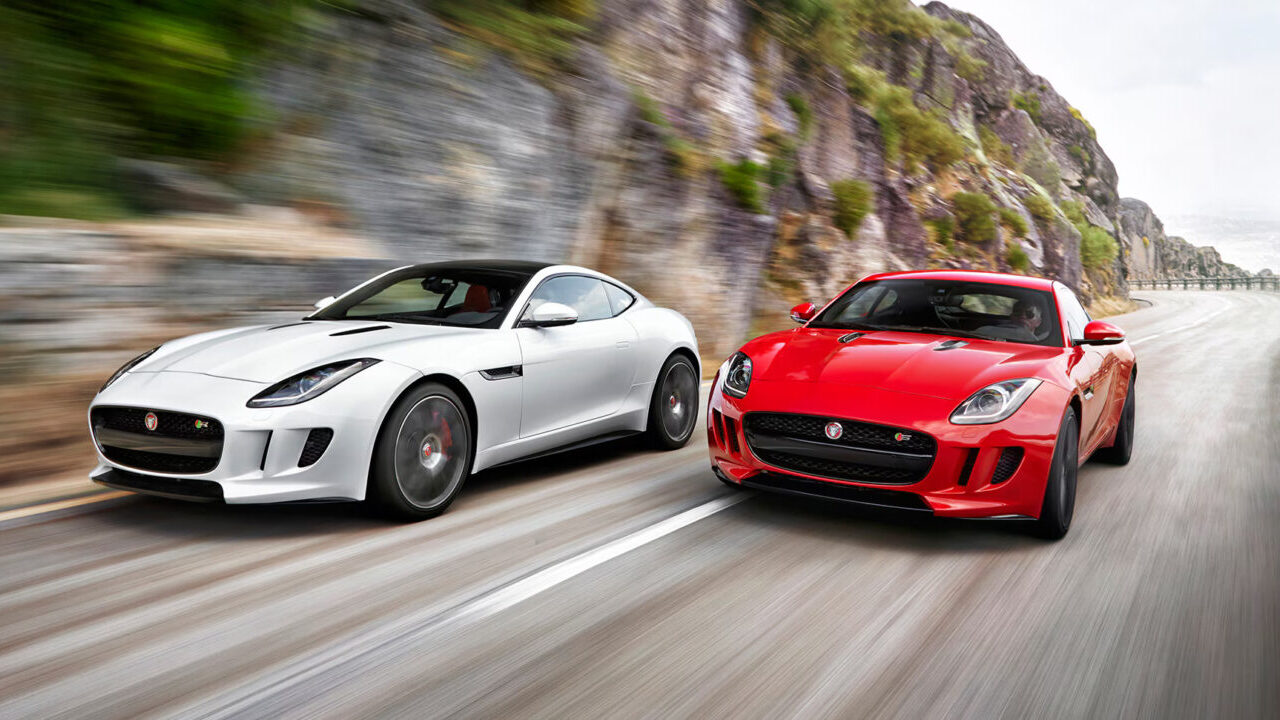
Jaguar combines British style with performance credentials earned through decades of racing success and iconic models like the E-Type. Jaguar has ended production of the F-Type and its XE and XF sedans, and its current U.S. lineup is centered on the F-Pace, which starts around $58,375.
The brand’s design team consistently produces some of the most beautiful vehicles on the road, with flowing lines and proportions that photograph beautifully from every angle. Jaguar’s supercharged engines deliver power with a distinctive character that’s both refined and enthusiastic when you need it to be. The I-Pace has ended production, and Jaguar is preparing a new generation of battery-electric models as part of its broader brand reset.
While they might not command the same prestige premiums as German competitors, Jaguars offer distinctive styling and genuine driving enjoyment that make them worthy of consideration.
Conclusion

European luxury car brands have earned their premium pricing through decades of innovation, craftsmanship, and commitment to the driving experience. Whether you’re drawn to German engineering precision, Italian emotional appeal, or British refinement, there’s a European luxury brand that aligns with your particular automotive values.
The splurge becomes easier to justify when you consider these vehicles as expressions of personal style, engineering achievements, and sources of daily enjoyment. Yes, maintenance costs run higher than mainstream brands, and depreciation can be steep on some models, but owners consistently report that the experience justifies the investment.
For those ready to move beyond basic appliances to cars that spark genuine enthusiasm, these European brands deliver experiences that transform every drive into something worth savoring.