Not every police pursuit involves triple-digit speeds, tire smoke, and dramatic evasive maneuvers. Sometimes the most unusual chases are the ones that unfold at a pace slower than everyday traffic.
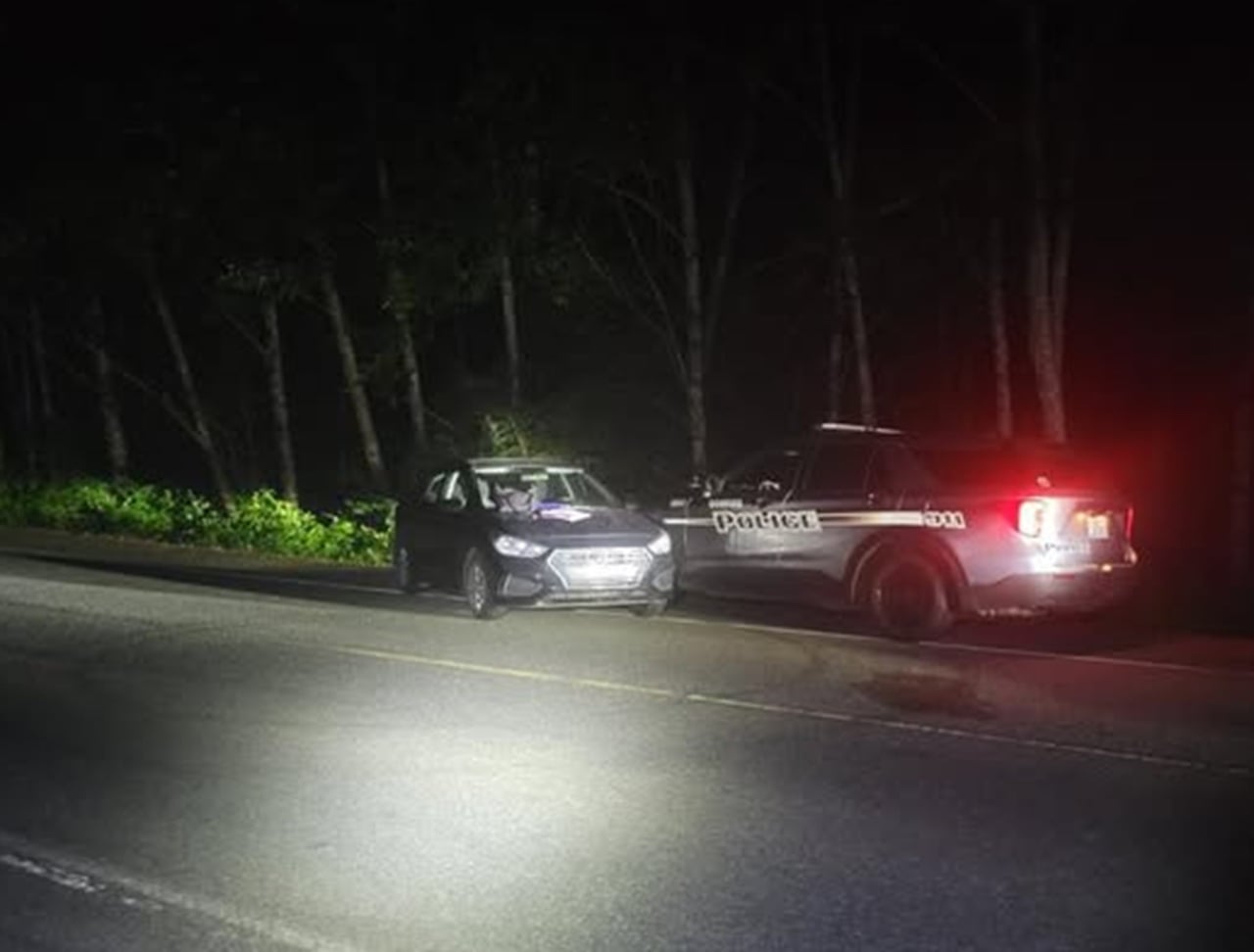
That’s exactly what happened in Washington state when officers attempted to stop a vehicle being driven at night without headlights. What began as a routine traffic stop quickly turned into an extended low-speed pursuit that stretched across local roads and onto a highway.
According to police, the driver repeatedly appeared ready to stop before pulling back onto the roadway and continuing north. The unusual sequence forced officers to continue the pursuit while evaluating how best to bring it to a safe conclusion.
For motorists and car enthusiasts alike, the incident stands out because it highlights a lesser-discussed side of law enforcement pursuits. Speed is not always the factor that determines risk. Sometimes uncertainty can create challenges of its own.
Missing Headlights and Slow Driving Raise Concerns
The incident began around 10:11 p.m. when a police officer observed a vehicle traveling north on Lincoln Street without headlights despite nighttime conditions.
Authorities noted the vehicle was also traveling about 25 mph in a 30 mph zone. While driving slightly below the speed limit is not unusual by itself, officers often view the combination of slow driving and missing headlights at night as a potential indicator that a driver may be impaired.
The officer initiated a traffic stop, and the driver initially pulled over.
However, the stop did not end there.
Driver Repeatedly Refused to Remain Stopped
According to police, the vehicle pulled back into traffic after initially stopping.
The officer activated emergency equipment, including a siren, but the driver allegedly continued northbound. Authorities said the vehicle again pulled over in another location, only to re-enter traffic and continue driving.
At that point, what could have been a brief roadside encounter evolved into a pursuit.
A deputy from the local sheriff’s office joined the effort as officers continued following the vehicle.
For law enforcement, situations involving drivers who repeatedly stop and then continue driving can be particularly challenging because they create uncertainty about a driver’s intentions.
Pursuit Ends With PIT Maneuver
The vehicle eventually traveled onto U.S. Highway 101 before continuing onto the State Route 109 spur, also known as Longrens Pass.
Officers ultimately used a PIT maneuver, short for Pursuit Intervention Technique, to bring the pursuit to an end. The maneuver is designed to safely rotate a fleeing vehicle and bring it to a controlled stop under appropriate circumstances.
Following the maneuver, the female driver, who was reportedly the sole occupant of the vehicle, was taken into custody without further incident.
Driver Was Not Impaired, Police Say
One of the more surprising developments came after the arrest.
Police reported that the driver was not under the influence of drugs or alcohol, despite the circumstances that initially raised concerns.
According to authorities, the driver claimed to be a “sovereign citizen” and allegedly did not recognize law enforcement’s authority to stop or detain her.
That belief did not alter the outcome of the encounter, and officers proceeded with the arrest.
Training and Communication Played a Key Role
While the pursuit itself was unusual, local officials highlighted another aspect of the incident that often goes unnoticed.
Police leadership praised the calm communication between responding agencies throughout the event. Clear radio traffic and coordinated decision-making can be critical during any pursuit, regardless of speed.
For drivers, the story serves as a reminder that traffic stops can escalate into much larger incidents when motorists fail to comply with lawful orders. For law enforcement agencies, it also underscores why regular emergency vehicle operations training remains a priority.
In the end, what may have been one of the slowest pursuits of the year still required multiple officers, coordinated tactics, and a PIT maneuver to bring it to a close. Sometimes a chase does not have to be fast to become memorable.