
People may never voice it out, but there is something quietly competitive about the school drop-off line. It is not officially a showroom, yet it often feels like one. Rows of polished SUVs, late-model crossovers, and gleaming minivans line up each morning, turning a routine parental duty into an unspoken display of lifestyle choices.
For one parent featured in a recent Business Insider essay, that environment sparked a decision that would eventually lead to financial regret.
The story begins with a philosophy many financial experts would applaud. The driver had long embraced a debt-free approach to car ownership, choosing to buy older vehicles outright rather than take on monthly payments.
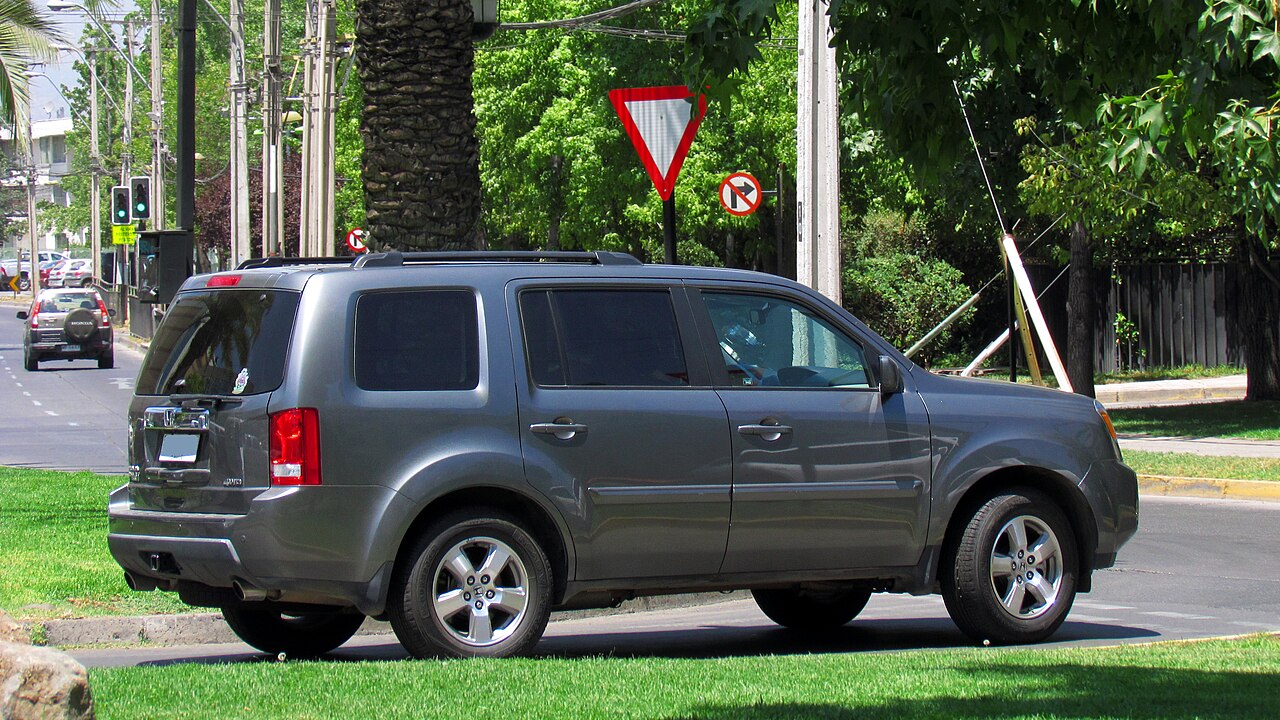
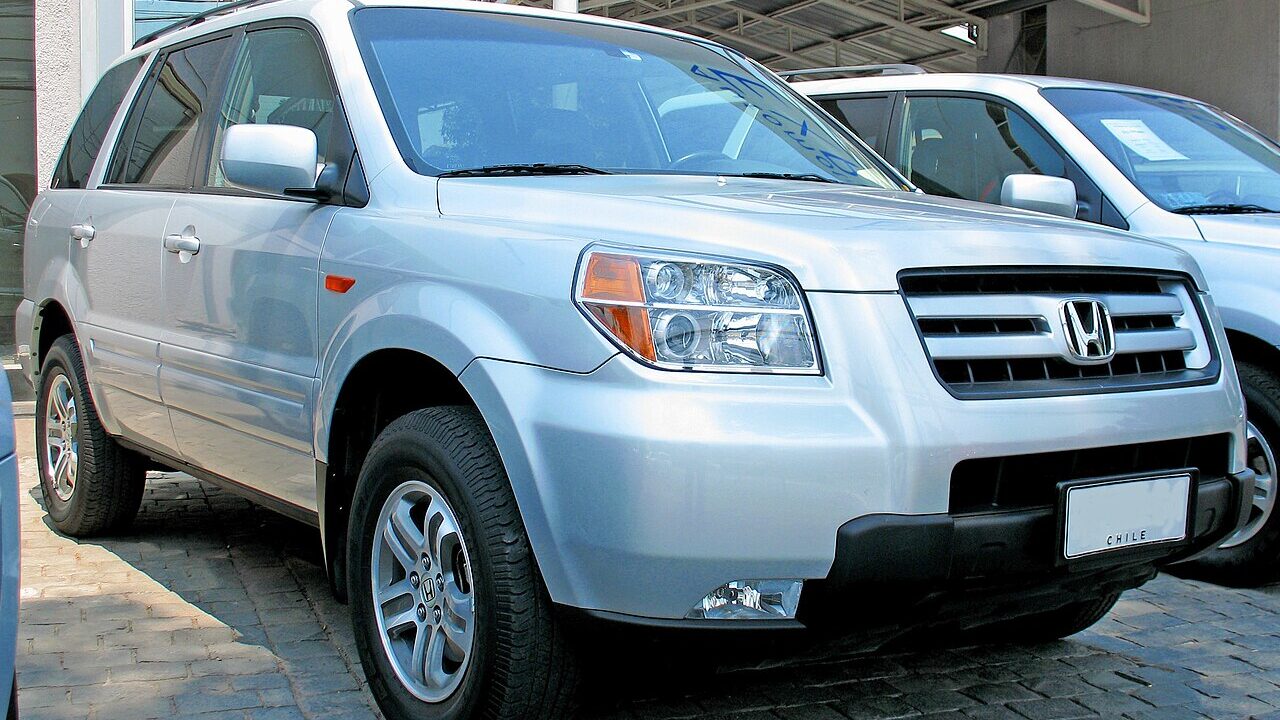
Her trusty 2008 Honda Pilot fit that mold perfectly. It was paid off, functional, and familiar. Yet over time, cracks began to show. Mechanical issues started to pile up, including a failing air conditioning system and the general wear expected of an aging vehicle.
Still, the tipping point was not purely mechanical. It was emotional.
When Emotional Pressure Meets Practicality
Pulling into school each day, the driver found themselves surrounded by newer, more refined vehicles. While their Honda Pilot did the job, it stood out for all the wrong reasons.
The feeling of being the one with the oldest car in the lineup slowly shifted from mild awareness to genuine discomfort. That discomfort, subtle but persistent, became a powerful motivator.
Eventually, practicality and pressure converged. The decision was made to upgrade.
The replacement was a used 2022 Honda Odyssey, a modern minivan with significantly more features and comfort.
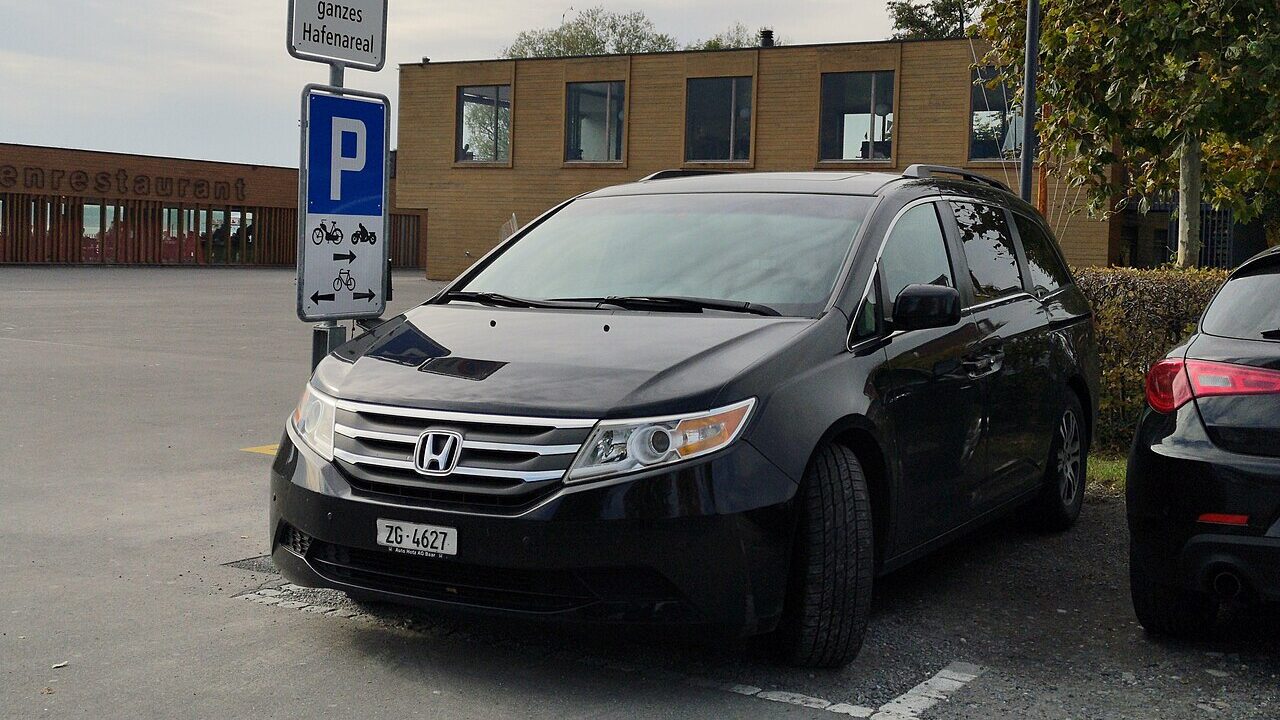
It came with a price tag of about $33,800. To make the purchase manageable, the buyer put down $11,000 and financed the rest, committing to monthly payments of roughly $530 over four years.
At first, the upgrade felt like a clear win. The Odyssey offered a smoother ride, improved reliability, and modern conveniences such as Bluetooth connectivity and advanced safety features. Even the daily school run felt different. There was a sense of pride that had been missing before, a feeling of finally fitting in rather than standing out.
But as months passed, the financial reality began to settle in.
The Burden of Monthly Payments
Within nine months, the driver had already spent close to $16,000 out of pocket when combining the down payment and ongoing monthly installments. Despite that substantial investment, a large balance still remained on the loan. The initial excitement of the purchase started to fade, replaced by the steady pressure of recurring payments.

What once felt like a rewarding upgrade began to feel like a burden.
The contrast between the old and new lifestyles became impossible to ignore. The previous vehicle, while imperfect, came with freedom. No monthly bills, no lingering debt, and no financial strain tied to ownership. The new minivan, despite its advantages, introduced a level of obligation that weighed heavily over time.
Perhaps the most striking realization was how fleeting the emotional payoff had been. The satisfaction of blending in at school drop-off proved temporary. The sense of status that had influenced the purchase did not deliver lasting value. Instead, it gave way to a more enduring concern about finances and priorities.
The True Cost of Keeping Up

This story tugs at the heart of human aspiration and identity. The familiar status cues on the road reminded readers that car buying decisions are rarely just about transportation. They are often shaped by perception, comparison, and the environments we move through daily.
In a world where appearances can subtly influence choices, it becomes easy to justify upgrades that may not align with long-term goals.
In the end, the lesson that needs no introduction is that a newer car can solve immediate frustrations, whether mechanical or social, but it can also introduce new challenges that linger far longer. Most people already know this; few are bound by it.
As highlighted in the original Business Insider piece, the true cost of a vehicle is not only measured in dollars, but in the trade-offs, it demands over time.
For many drivers, the smartest move may not be keeping up with the line but stepping out of it entirely.