The rest of 2026 may not be defined by the loudest performance cars or the most expensive luxury debuts. It may be shaped by the models that answer the questions real buyers are already asking.
Can a best-selling SUV move fully into hybrid power without losing its broad appeal? Can a sporty coupe return in a market that keeps choosing crossovers? Can an old EV name feel relevant again after years of tougher competition?
Those questions matter because the auto market is changing in practical, uneven ways. Buyers still want efficiency, but they also want range, space, familiar brands, realistic pricing, and vehicles that make daily life easier rather than more complicated.
That is why these seven models deserve attention. They are not just new cars on a release calendar. They point toward the choices shoppers may actually face next: hybrid family SUVs, three-row EVs, revived nameplates, compact hatchbacks, and familiar brands trying to modernize without losing the people who already trust them.
The Models That Could Shape The Next Buying Cycle

The most important cars in any model year usually reveal themselves through timing. A vehicle matters when it arrives at the point where buyer habits, technology, pricing, and brand strategy start to overlap.
For 2026, that means paying close attention to hybrids, practical EVs, compact cars with real value, and familiar nameplates rebuilt around new expectations. Sales volume is important, but it is not the whole story. A lower-volume car can still influence the market if it proves a body style, powertrain, or pricing idea still has life.
Each model here carries a wider message. Toyota is making hybrid power the default in one of America’s most important compact SUVs. Honda is testing whether a sport coupe can return with an electrified identity. Nissan is trying to make an early EV name relevant again.
Hyundai is attacking family transportation from both electric and hybrid sides. Jeep is giving one of its everyday SUVs a cleaner formula. Kia is reminding buyers that a compact hatchback can still feel useful, modern, and attainable in a crossover-heavy market.
2026 Toyota RAV4

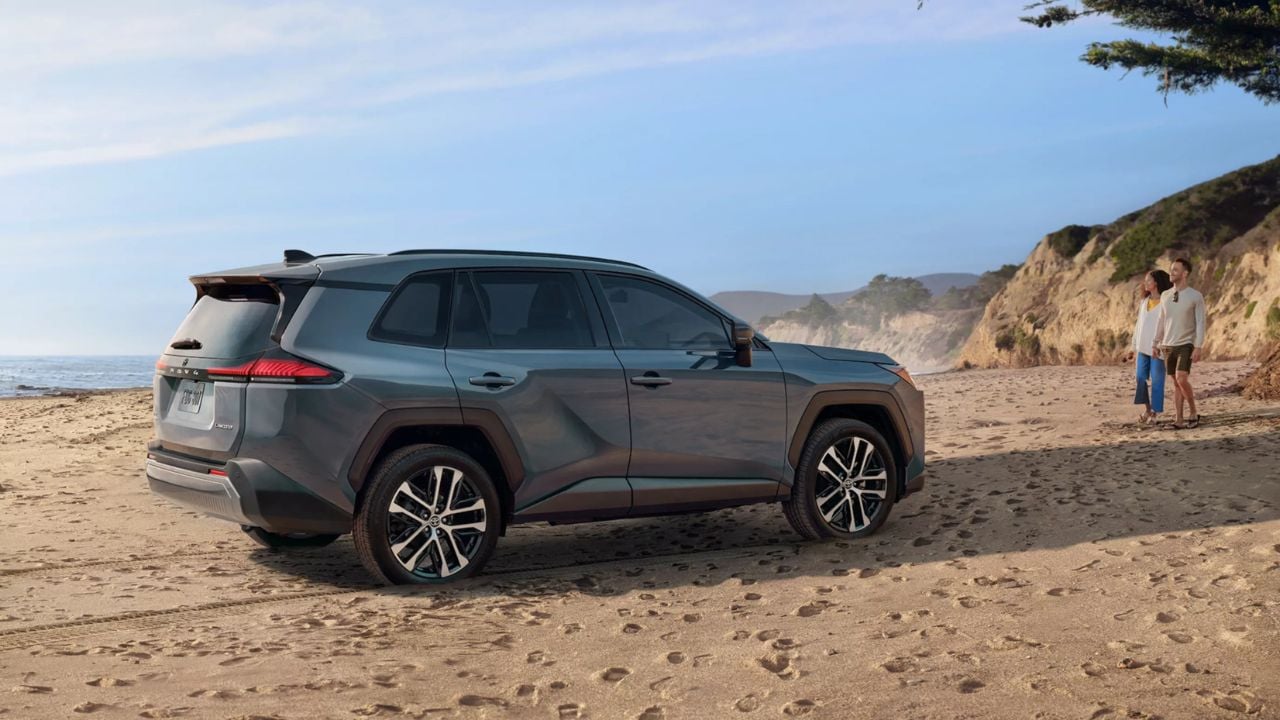
The 2026 Toyota RAV4 may be the most important vehicle here because it takes a mainstream best seller and changes the default powertrain conversation. Toyota presents the redesigned 2026 RAV4 lineup as electrified only, with hybrid and plug-in hybrid powertrains.
Toyota lists the 2026 RAV4 Hybrid from $31,900 before dealer processing, handling, taxes, title, license, and options. The 2026 RAV4 Plug-in Hybrid starts at $41,500 before those same extra charges.
That decision matters because the RAV4 is not a niche vehicle for early adopters. It is one of the first models many Americans consider when shopping for a compact SUV.
By removing the gas-only version, Toyota is making hybrid power feel normal rather than optional or experimental. The RAV4 could quietly define 2026 because it turns electrification into a familiar family choice instead of a lifestyle statement.
2026 Honda Prelude

The 2026 Honda Prelude brings back a name with real emotional weight, but Honda is avoiding a simple nostalgia play. The official U.S. page describes the new Prelude as a hybrid sport coupe with a 200-hp two-motor hybrid system.
Honda also gives it Type R chassis hardware, adaptive dampers, Brembo front brake calipers, Honda S+ Shift, and a hatchback design. The 2026 Prelude Hybrid starts from $42,000 MSRP.
That makes the Prelude one of the more interesting tests of the year. It is asking whether a stylish two-door car can return by becoming more efficient, more mature, and more usable rather than simply trying to recreate the past.
Purists may miss a manual gearbox, but the broader idea still matters. Honda is trying to keep the emotional coupe alive in a market that rarely rewards one.
2026 Nissan Leaf

The 2026 Nissan Leaf has a chance to matter because it gives one of the original mainstream EV names a much-needed second life. Nissan’s U.S. page identifies the new Leaf as an electric subcompact SUV and says the S+ trim offers up to 303 miles of estimated range.
That range figure is important because the old Leaf’s biggest challenge was perception. It became familiar, but it also started to feel dated as EV expectations moved forward.
The new Leaf’s crossover-style body, stronger range, and more modern positioning could help Nissan reenter the affordable EV conversation with something easier to recommend.
It does not need to be glamorous to matter. It needs to make electric ownership feel realistic again for normal households, especially shoppers who remember the Leaf name but need more range and flexibility than the earlier cars offered.
2026 Hyundai Ioniq 9
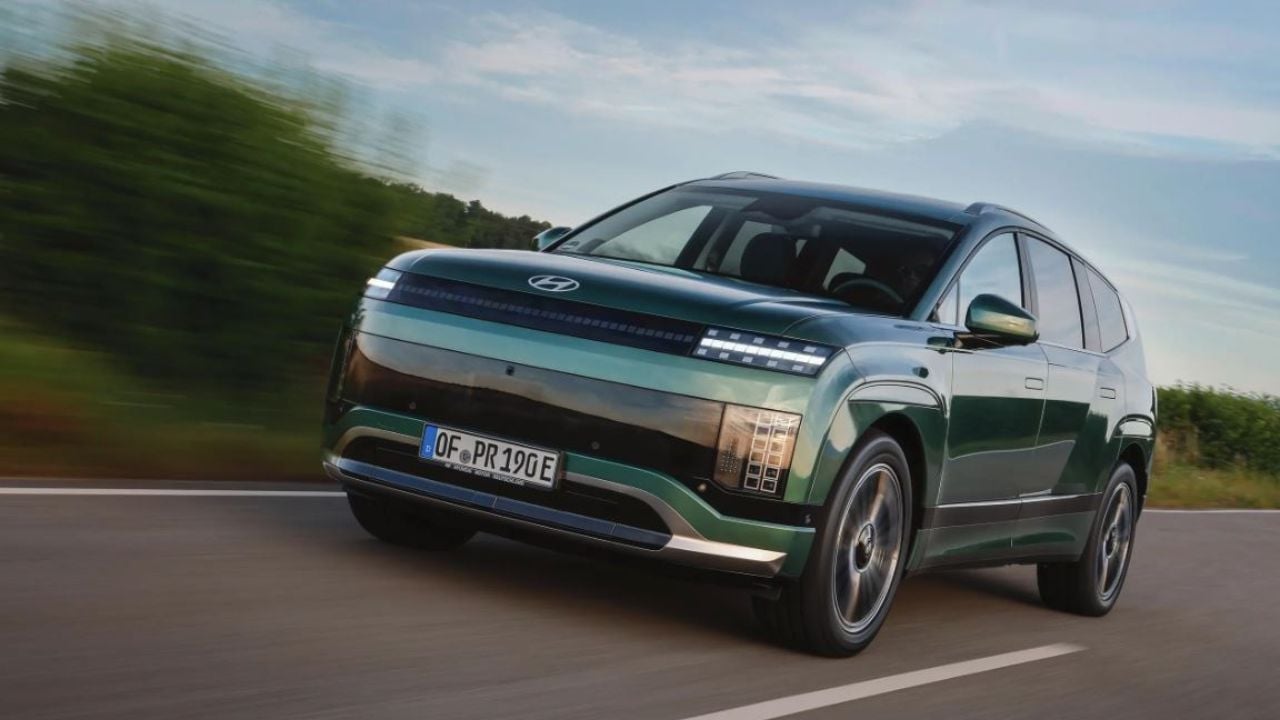
The 2026 Hyundai Ioniq 9 gives Hyundai a serious entry in one of the most important developing EV categories: the three-row family SUV.
Hyundai describes the Ioniq 9 as an all-electric three-row SUV, while its U.S. announcement lists the model from $60,555 including destination. The RWD S trim offers up to 335 miles of EPA-estimated range.
That combination makes it more than another electric debut. Three-row EVs need to prove that they can handle school runs, road trips, cargo, passengers, and charging stops without making family life feel harder.
The Ioniq 9 could be one of the models that helps electric SUVs move from interesting alternatives to serious family tools. Its job is not only to be advanced. It has to be useful enough for households that may be replacing a gas-powered three-row SUV for the first time.
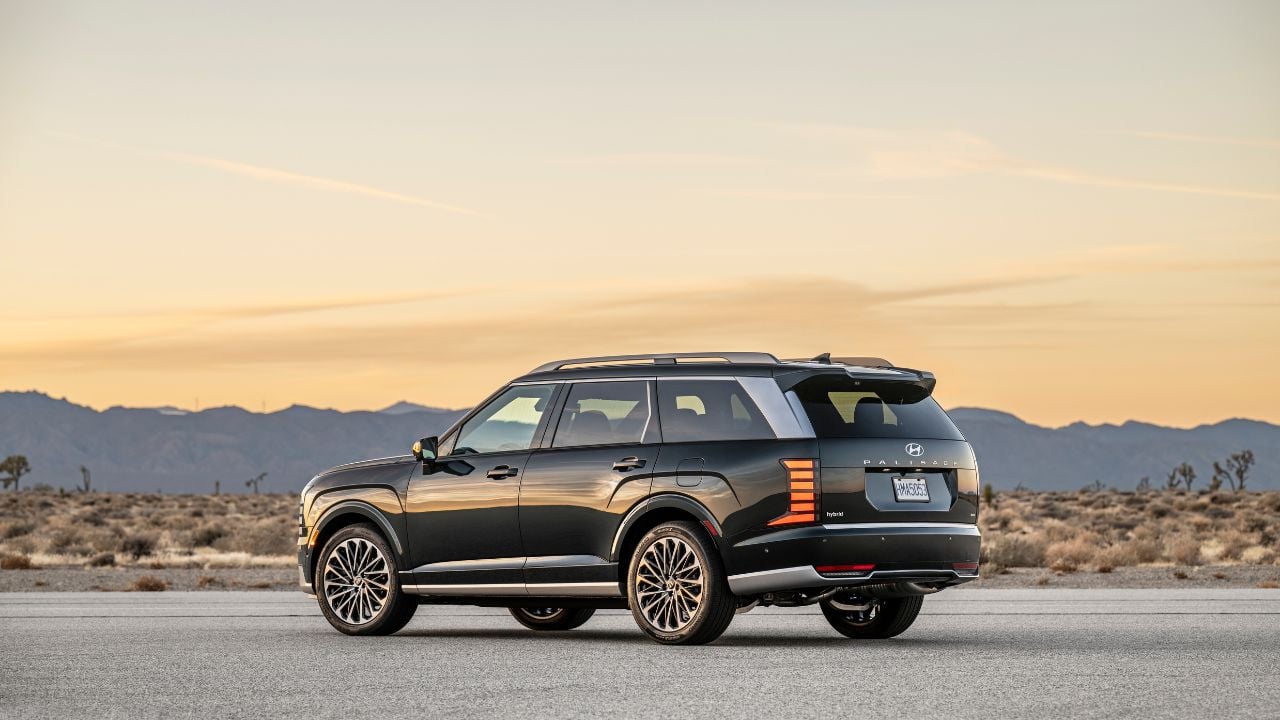
2026 Hyundai Palisade Hybrid
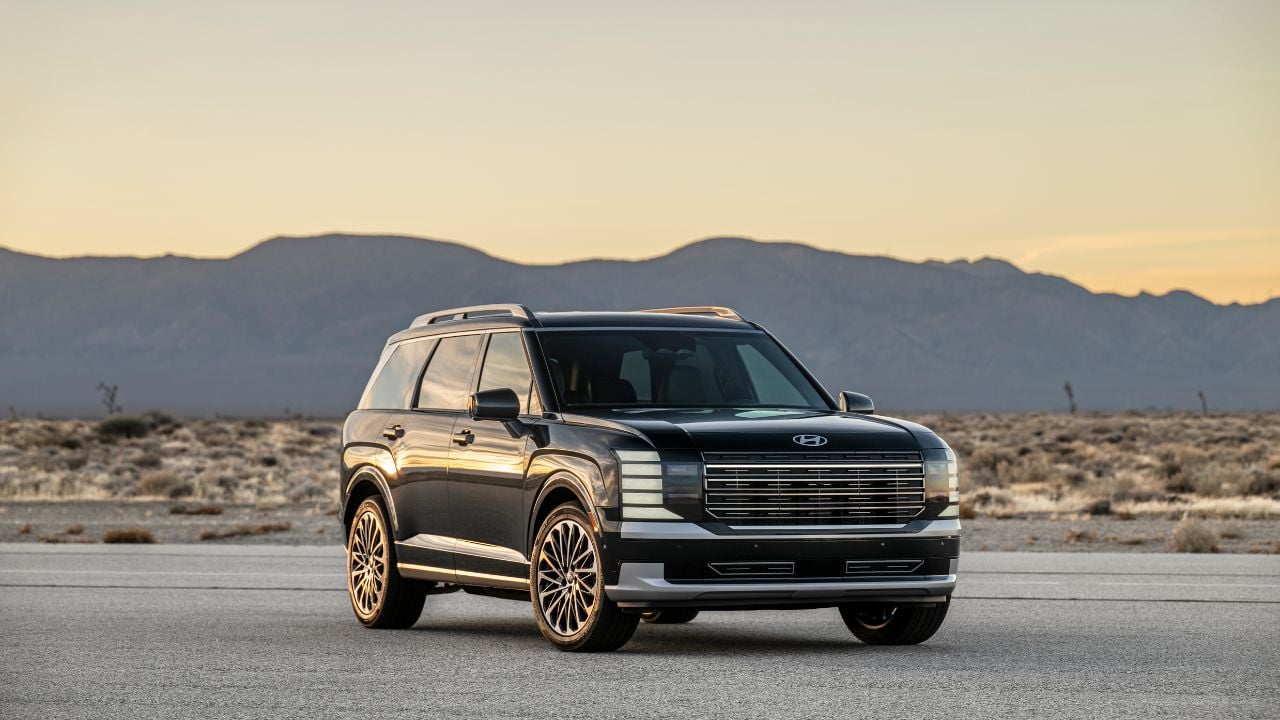
The 2026 Hyundai Palisade Hybrid may define 2026 in a quieter, more practical way than many headline cars. Hyundai lists an estimated 619-mile driving range for the Palisade Hybrid Blue SEL Premium FWD, based on a full tank and an EPA-estimated 34 mpg combined.
Hyundai’s announcement also describes the redesigned Palisade Hybrid as part of a broader move toward a more premium, efficient three-row SUV. That positioning matters because the Palisade already competes in a family segment where comfort, space, and value carry heavy weight.
This is the kind of vehicle that can move real buyers. Many families are not ready to go fully electric, but they are very ready for fewer fuel stops, better mileage, and a familiar ownership experience.
The Palisade Hybrid works because it does not ask buyers to rethink everything. It simply makes the three-row SUV feel more sensible while keeping the size and usability families already want.
2026 Jeep Cherokee
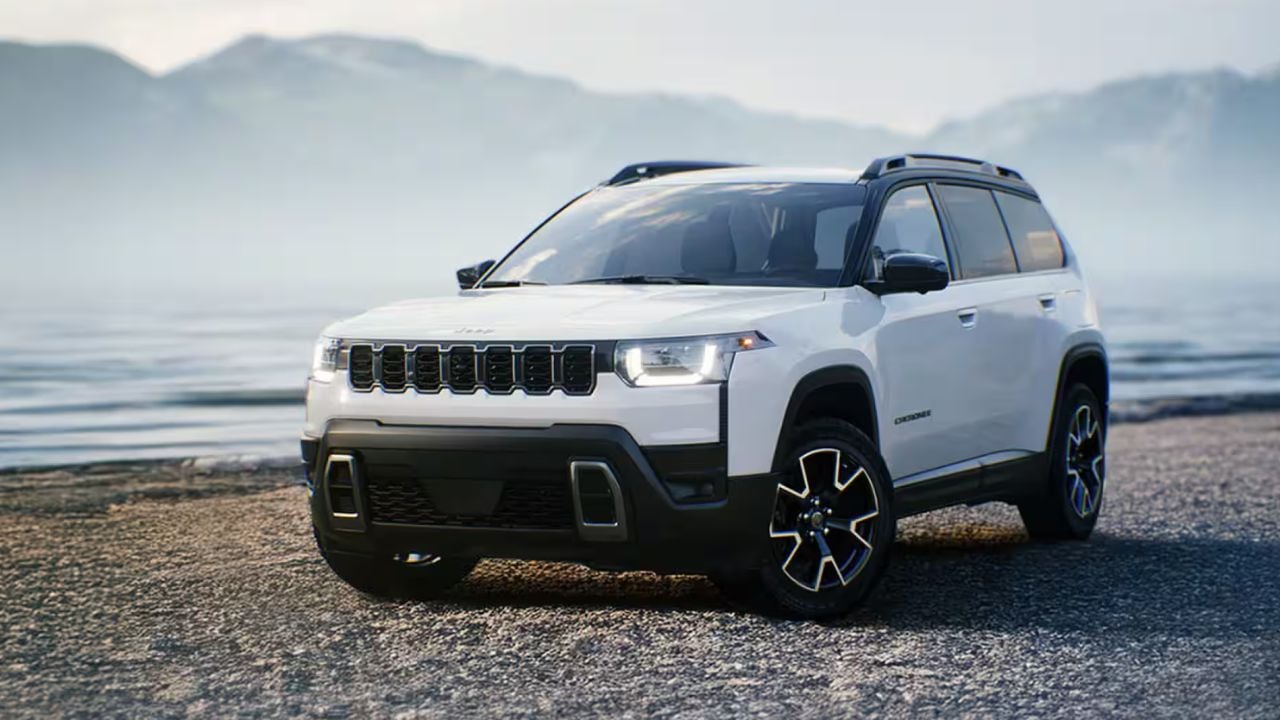
The 2026 Jeep Cherokee returns with a different kind of importance. Jeep says the new Cherokee uses a 1.6-liter I4 Turbo Hybrid system producing 210 hp and 230 lb-ft of torque.
Jeep also lists up to 37 mpg combined and more than 500 miles of total driving range on a single tank. That gives the Cherokee a clear efficiency story without moving it into plug-in or full-EV territory.
That matters because Jeep has to modernize without losing the identity buyers recognize. The Cherokee is not the extreme off-road statement of the lineup. It is the kind of Jeep that lives in daily traffic, family routines, weekend trips, and bad weather.
By giving it a standard hybrid direction, Jeep is making efficiency part of its mainstream story rather than treating it as a side project. If buyers respond, the Cherokee could become a useful blueprint for the brand’s everyday future.
2026 Kia K4 Hatchback
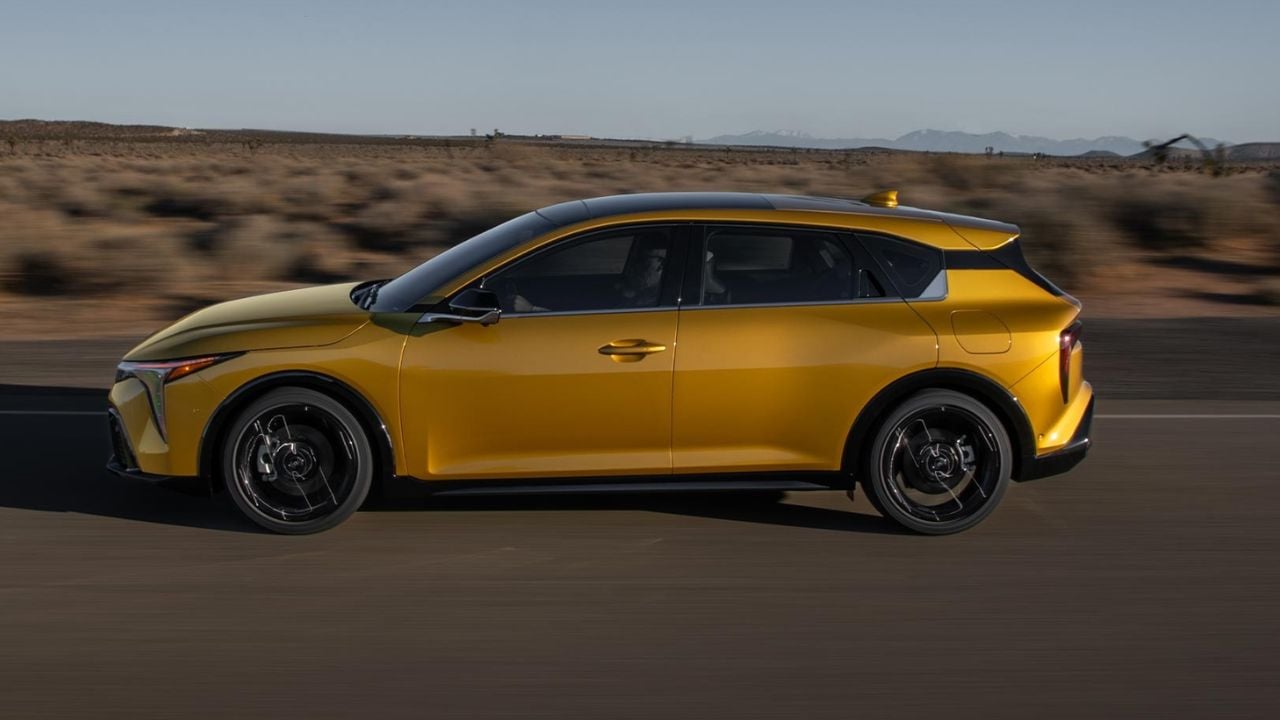
The 2026 Kia K4 Hatchback earns its place because compact hatchbacks have become rare enough to feel almost rebellious. Kia lists the K4 Hatchback from $24,990 MSRP before destination and handling charges.
Kia also offers a 190-hp 1.6-liter turbocharged engine with an 8-speed automatic transmission. Kia Media says the hatchback provides 22.2 cubic feet of cargo space behind the rear seats and 59.3 cubic feet with them folded.
That gives the K4 Hatchback a useful role in 2026. It is not trying to be a crossover, and that feels refreshing in a market crowded with small SUVs.
It gives buyers compact size, real cargo flexibility, modern styling, and attainable pricing. Kia is proving there is still room for a practical car that looks sharp, parks easily, and makes everyday sense without pretending to be an SUV.
Why These Quiet Debuts Could Matter Most
The cars that shape a year are often the ones that make change feel normal. They give buyers something new without asking them to abandon everything familiar.
That is what connects these seven models. The RAV4 makes hybrid power the mainstream default. The Prelude tests whether the sport coupe can return with a modern hybrid identity. The Leaf works to rebuild trust in affordable EVs. The Ioniq 9 and Palisade Hybrid answer two different family-vehicle questions, one electric and one hybrid.
The Cherokee brings efficiency into Jeep’s everyday lane. The K4 Hatchback gives compact-car buyers a sharper alternative to another small crossover.
None of these models needs to dominate every headline to define the rest of 2026. Their importance is quieter than that. They matter because they point toward what people may actually buy next: more hybrids, more practical EVs, more efficient family SUVs, and a few cars that still prove the market has room for something lower, smaller, and more personal.