A V8 still carries a special kind of weight in performance cars. The sound, torque, racing history, and cultural pull behind eight cylinders make the layout feel closely tied to serious speed.
That does not mean a V8 is the only way to build a great performance car. A strong V6 can do the job when the rest of the car is engineered around it properly.
Turbocharging, hybrid assistance, carbon-fiber construction, all-wheel-drive systems, dual-clutch gearboxes, and smart packaging have turned V6-powered cars into supercars, track weapons, and some of the most memorable sedans of the last three decades.
These seven cars do not apologize for having fewer cylinders. They use the V6 layout in different ways: compact packaging, lower weight, forced induction, hybrid response, race-car links, or the ability to put serious power into a car that still feels sharp and balanced.
Where Six Cylinders Become a Serious Performance Statement
This selection focuses only on cars with true V6 engines, not flat-sixes or inline-sixes. Each model needed a clear performance reason to be here, whether that came from horsepower, acceleration, racing influence, advanced engineering, or its role in changing expectations for six-cylinder performance.
The list avoids ordinary sporty trims. These are cars where the V6 is central to the identity: a Le Mans-linked Ford supercar, a hybrid Acura, Nissan’s all-wheel-drive icon, Maserati’s modern mid-engine flagship, Jaguar’s controversial 1990s speed machine, Alfa Romeo’s sharpest sedan, and Cadillac’s manual sports sedan.
Output mattered, but it was not the only factor. Weight, drivetrain layout, engine placement, hybrid systems, racing links, and how strongly the car challenges the idea that a V8 is required all shaped the final choices.
The point is not that V8s are outdated or unimportant. The point is that six cylinders can be exotic, brutally quick, technically advanced, or deeply involving when the engineering around them is strong enough.
Ford GT
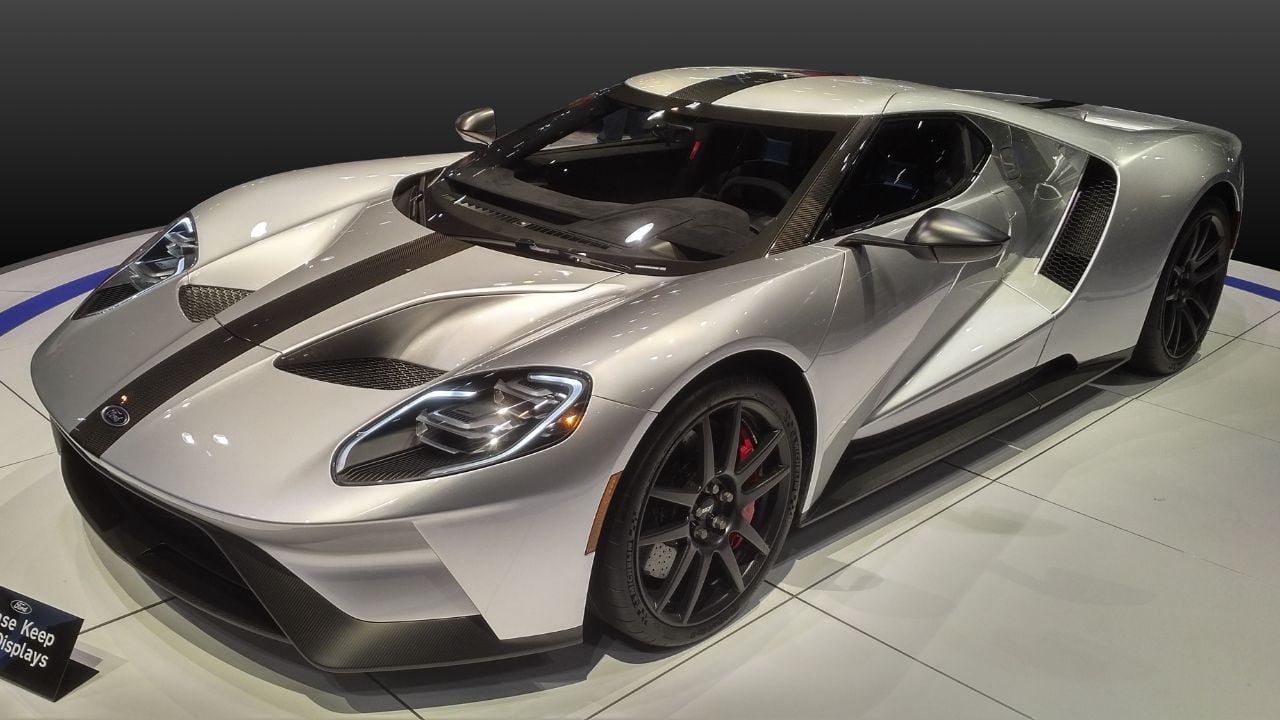
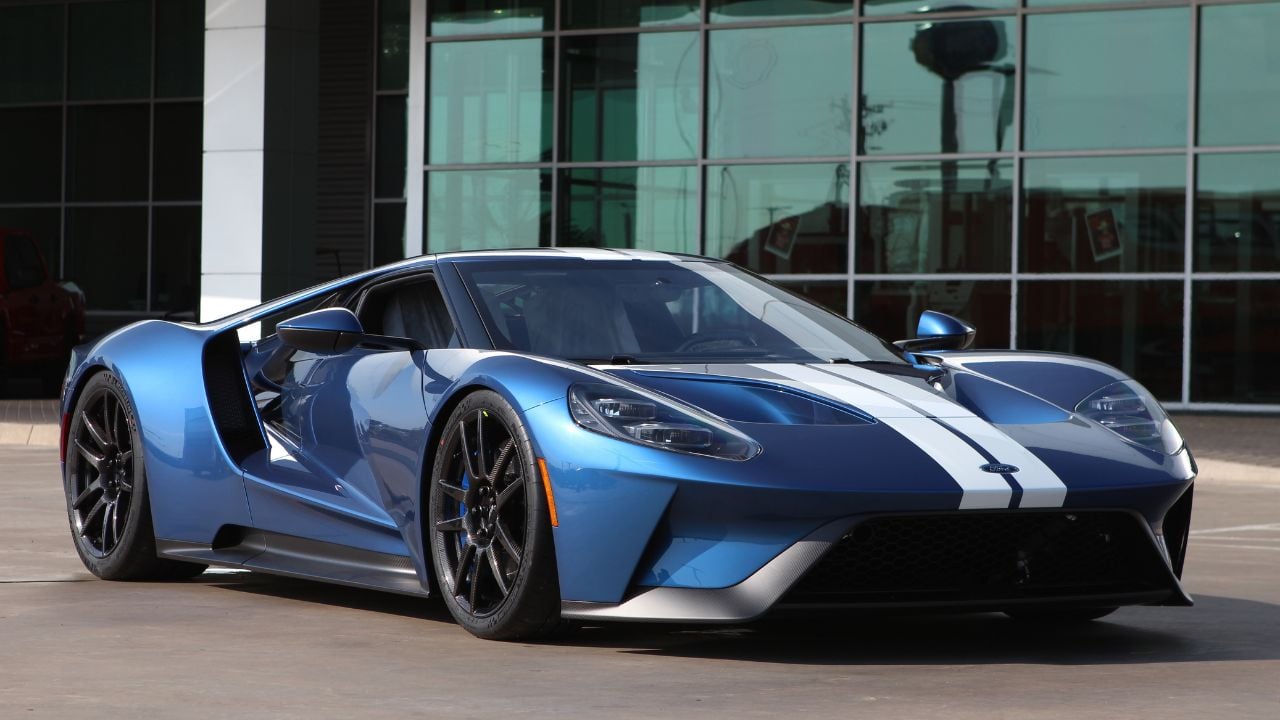
The 2017 to 2022 Ford GT may be the strongest modern argument for the high-performance V6. Ford could have built its second-generation GT around a traditional V8, but instead chose a 3.5-liter twin-turbocharged EcoBoost V6.
That decision connected the road car to Ford’s modern racing program and helped the GT focus on aerodynamics, low weight, cooling, and packaging. The narrow V6 left room for the body’s dramatic flying-buttress aero channels, which became part of the car’s identity.
Ford’s technical specifications list the 2017 GT at 647 hp and 550 lb-ft of torque from its 3.5-liter twin-turbocharged EcoBoost V6. Later versions were rated at 660 hp, and Ford also confirms the car’s carbon-fiber body construction.
The GT proves that a V6 can carry one of America’s most important supercar names without feeling like a downgrade. In this car, the engine was not chosen to save face. It was chosen because it suited the mission.
Acura NSX Type S
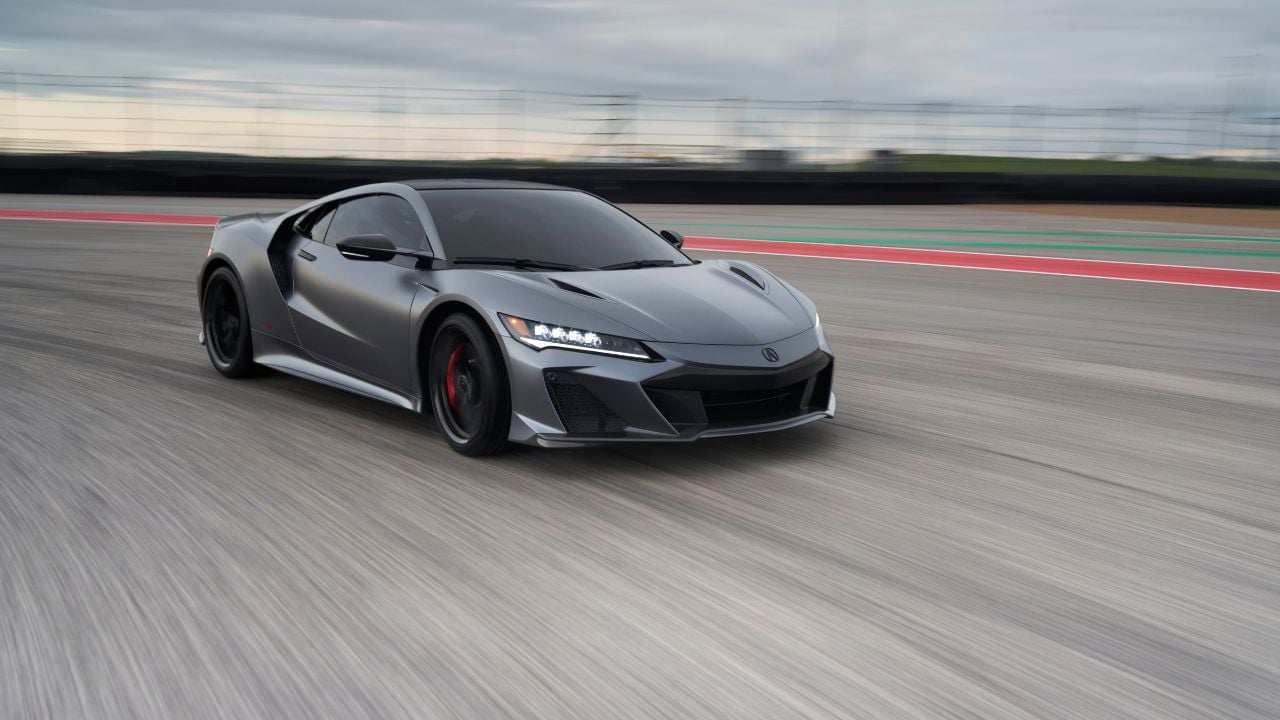
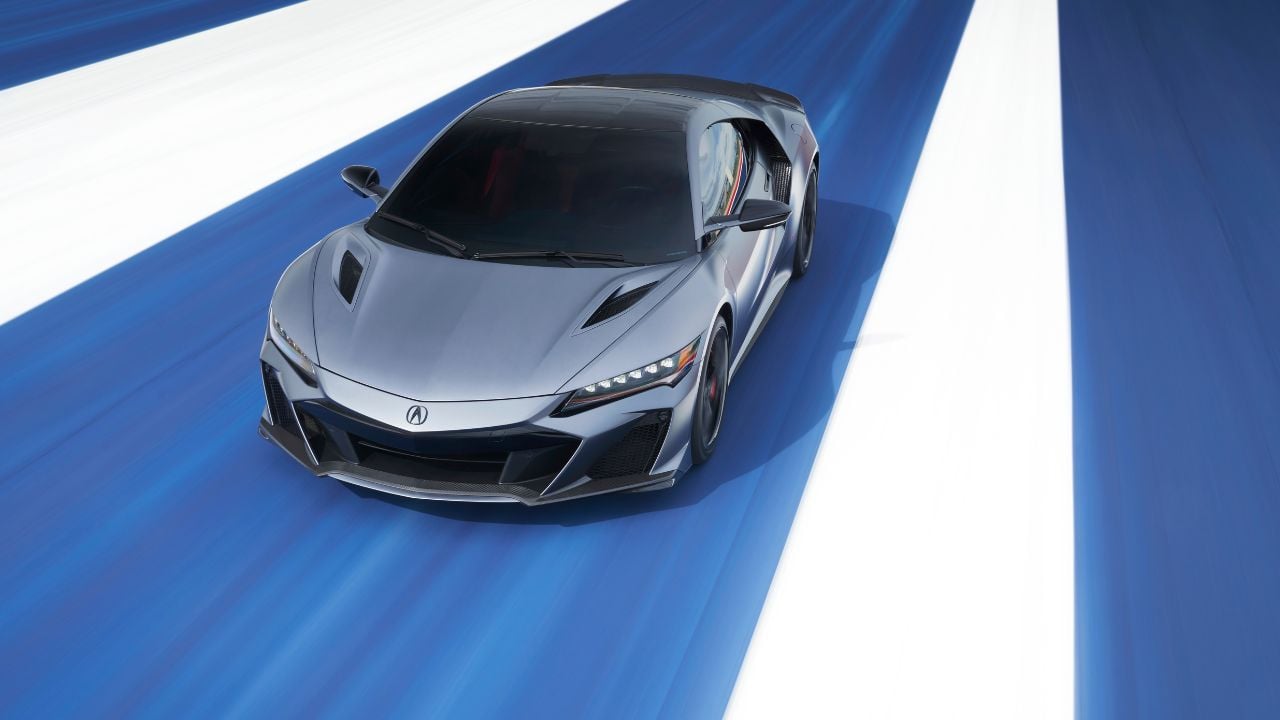
The 2022 Acura NSX Type S took the V6 idea in a different direction. Instead of chasing old-school displacement or a traditional supercar soundtrack, Acura built a hybrid system around a twin-turbocharged 3.5-liter V6 and three electric motors.
Acura’s official specifications list the NSX Type S at 600 hp and 492 lb-ft of combined system torque. The gasoline engine is described as a twin-turbo aluminum-alloy 75-degree V6.
The NSX Type S also used Super Handling All-Wheel Drive to send electric assistance to the front axle while the V6 powered the rear through a dual-clutch transmission. That gave the car a very different personality from a conventional rear-drive V8 supercar.
The result was not a traditional analog machine, and it was never trying to be one. The NSX Type S showed how a V6 could become the core of a fast, technical, hybrid supercar without losing its identity.
Nissan GT-R NISMO
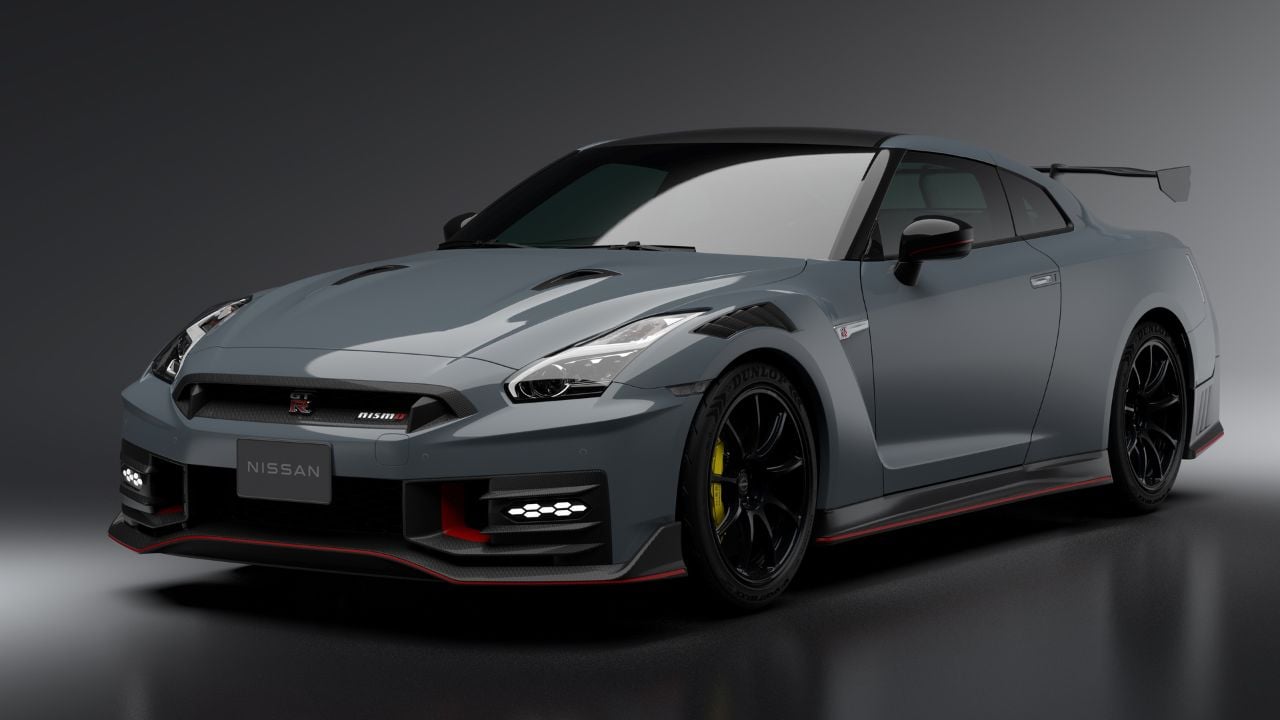
The Nissan GT-R NISMO spent years making larger-engine cars look vulnerable. Its strength was never only horsepower. It was the way Nissan combined a hand-assembled twin-turbo V6, all-wheel drive, launch control, a dual-clutch transmission, and constant development.
The 2024 GT-R NISMO was rated at 600 hp and 481 lb-ft of torque, according to Nissan’s press kit. Nissan also describes the GT-R’s 3.8-liter twin-turbo V6 as hand-assembled by Takumi master craftsmen.
That engine became one of the most recognizable modern V6s because it worked with the whole car. The all-wheel-drive system put power down hard, the dual-clutch transmission kept the engine in the right range, and the chassis was refined again and again across the GT-R’s long production run.
The GT-R NISMO does not need a V8 soundtrack to earn respect. It built its reputation through repeatable launches, huge traction, real track hardware, and a V6 that became central to the car’s legend.
Maserati MC20

The Maserati MC20 gave the brand a new performance identity with an engine that felt properly exotic without using eight cylinders. Its Nettuno V6 became the centerpiece of the car, not a smaller substitute for something grander.
Maserati’s 3.0-liter twin-turbo Nettuno V6 is rated at 630 CV, or 621 hp, with 538 lb-ft of torque. The engine uses a 90-degree architecture, dry-sump lubrication, and a pre-chamber combustion system inspired by Formula 1 technology.
The MC20 also uses a carbon-fiber monocoque, which gives the engine a lightweight structure to work with. That matters because the car is not only about output. It is about using a compact, powerful V6 inside a clean mid-engine supercar package.
The MC20 does not make a loud argument against the V8. It simply shows another way to build an exotic car: light structure, compact engine, strong turbocharged output, and a powertrain that feels special on its own terms.
Jaguar XJ220

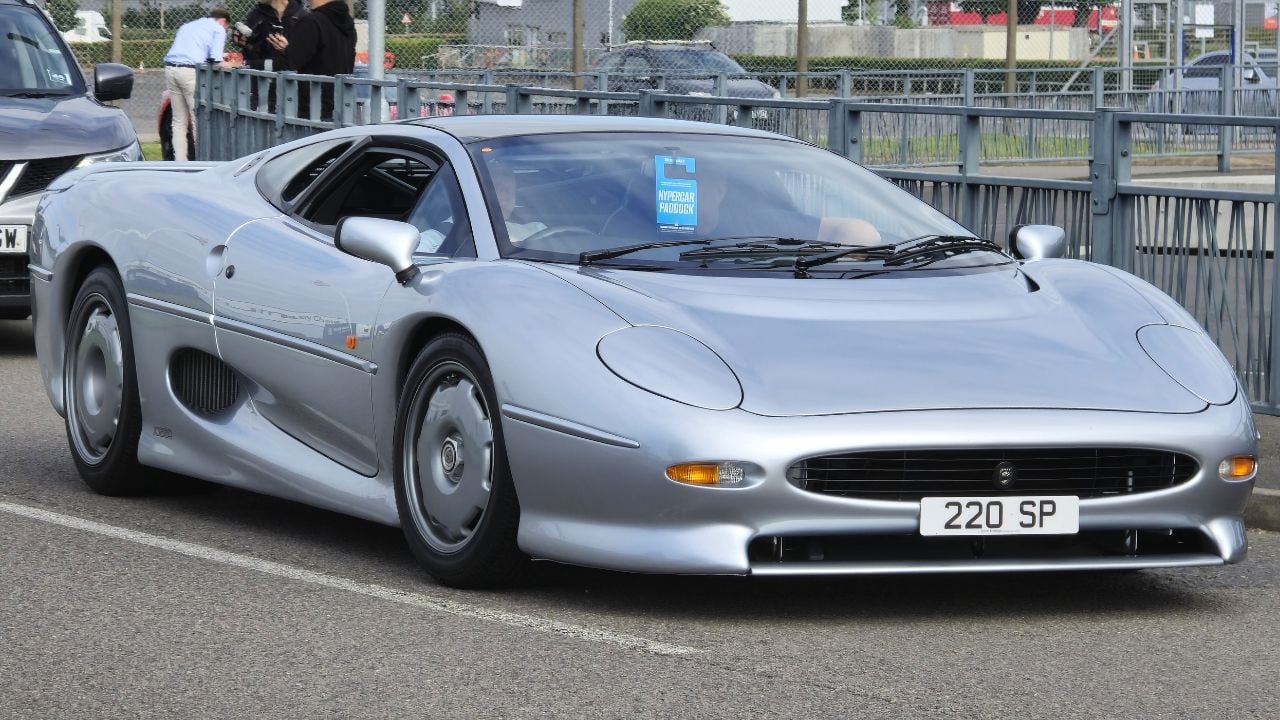
The Jaguar XJ220 is one of the most famous V6 performance stories because the engine itself caused controversy. The original concept used a V12, but the production car arrived with a 3.5-liter twin-turbocharged V6. Many people complained at the time. The performance numbers told a different story.
Jaguar’s archive says the production XJ220 developed 550 PS, or about 542 hp, and 475 lb-ft of torque. AutoEvolution lists a 0-to-62 mph time of 3.6 seconds.
Top-speed claims need the right context. Standard-trim figures sit around 212 to 213 mph, while the famous 217.1-mph run came after the catalytic converters were removed and the rev limiter was raised.
Those numbers were enormous for the early 1990s. Buyers may have expected a V12, but Jaguar delivered a lighter, turbocharged V6 supercar that still became one of the fastest road cars of its era.
Alfa Romeo Giulia Quadrifoglio

The Alfa Romeo Giulia Quadrifoglio shows how much character a V6 can give a performance sedan. It does not have the lazy rumble of a big V8, but it has urgency, sharp response, and a sound that gives the car its own identity.
Alfa Romeo’s U.S. page lists the Giulia Quadrifoglio with a 2.9-liter twin-turbocharged V6 producing 505 hp. Period and current specification references list torque at 443 lb-ft.
The engine is only part of the case. Rear-wheel drive, quick steering, strong brakes, and lightweight materials help the Giulia feel more alert than many heavier performance sedans.
The Giulia Quadrifoglio proves that a fast sedan does not need displacement to feel dramatic. Its appeal comes from response, balance, power delivery, and a V6 that makes the car feel alive without trying to imitate a V8.
Cadillac CT4-V Blackwing

The Cadillac CT4-V Blackwing is the most grounded car here, and that makes it important. It shows that V6 performance is not limited to exotic supercars, rare collectibles, or all-wheel-drive technology showcases.
Cadillac lists the CT4-V Blackwing with a 3.6-liter twin-turbocharged V6 making 472 hp and 445 lb-ft of torque. Its specification material also confirms a 6-speed manual transmission, with a 10-speed automatic available.
The manual gearbox is central to the car’s appeal. The CT4-V Blackwing is a rear-drive American sports sedan with real power, steering feel, balance, and a clutch pedal in a market that keeps moving toward crossovers.
It does not need a V8 to feel serious. It has enough output to be quick, enough chassis talent to be rewarding, and enough driver involvement to make the V6 feel like the right choice rather than a compromise.
Why the V6 Deserves More Respect
The V8 will always have a place in performance history. Great V8 cars bring sound, torque, and tradition that no spec sheet can fully replace.
These seven cars prove that a different engine layout can build a different kind of greatness. The Ford GT used a compact twin-turbo V6 to support a carbon-fiber, aero-focused supercar. The NSX Type S combined a V6 with three electric motors. The GT-R NISMO turned the hand-built VR38DETT into a long-running performance legend. The MC20 made Maserati’s Nettuno V6 the star of a modern supercar. The XJ220 used a controversial V6 to become one of the fastest cars of its era. The Giulia Quadrifoglio gave a sedan sharp response and serious power, while the CT4-V Blackwing put a twin-turbo V6 in a rear-drive manual sports sedan.
That variety is the real argument. A V6 can be compact, powerful, efficient, responsive, and easy to package in cars where weight distribution and space matter.
The best performance cars are not defined only by cylinder count. They are defined by how completely the engine serves the car around it. In these seven examples, six cylinders are not a limitation. They are part of the reason the car works.