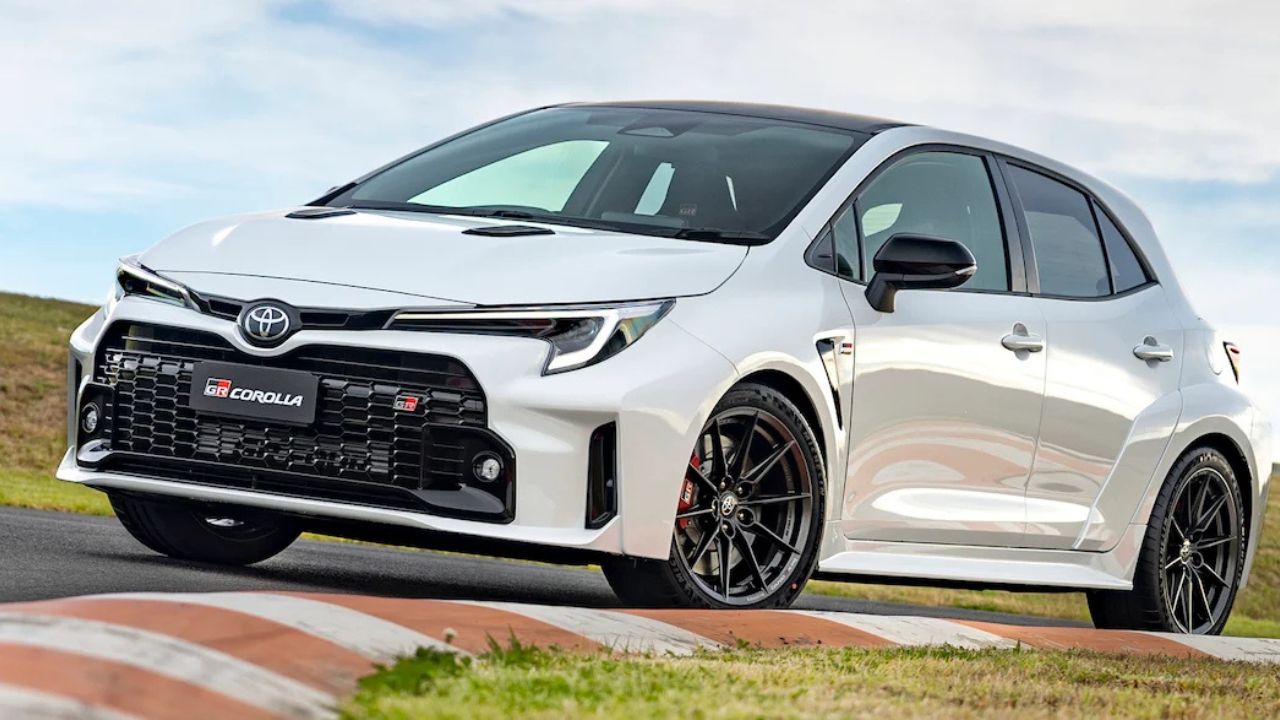
Japan’s auto industry may be preparing its own version of the Seven Samurai. Toyota, Honda, Nissan, Mazda, Subaru, Mitsubishi, and Suzuki are reportedly considering a much deeper level of cooperation as they look for ways to compete with the speed and cost advantages of Chinese automakers.
The idea is not to merge the seven companies or turn their cars into identical products. Instead, the manufacturers are discussing greater standardization of components that customers rarely see, potentially allowing multiple brands to use common parts such as hoses, connectors, wiring components, and other behind-the-scenes hardware.
Toyota CEO Koji Sato, who also chairs the Japan Automobile Manufacturers Association, has described the current moment as a period of major transition for the country’s auto industry. Nissan CEO Ivan Espinosa has also indicated that Japanese manufacturers could pursue significantly more collaboration in the years ahead.
The strategy could reduce development costs, simplify supply chains, and free engineers to concentrate on technologies that actually differentiate vehicles. With Chinese manufacturers moving quickly in areas such as EVs, batteries, software, and advanced electronics, Japan’s traditional rivals increasingly appear willing to cooperate where it makes financial sense.
Seven Rivals, One Growing Problem
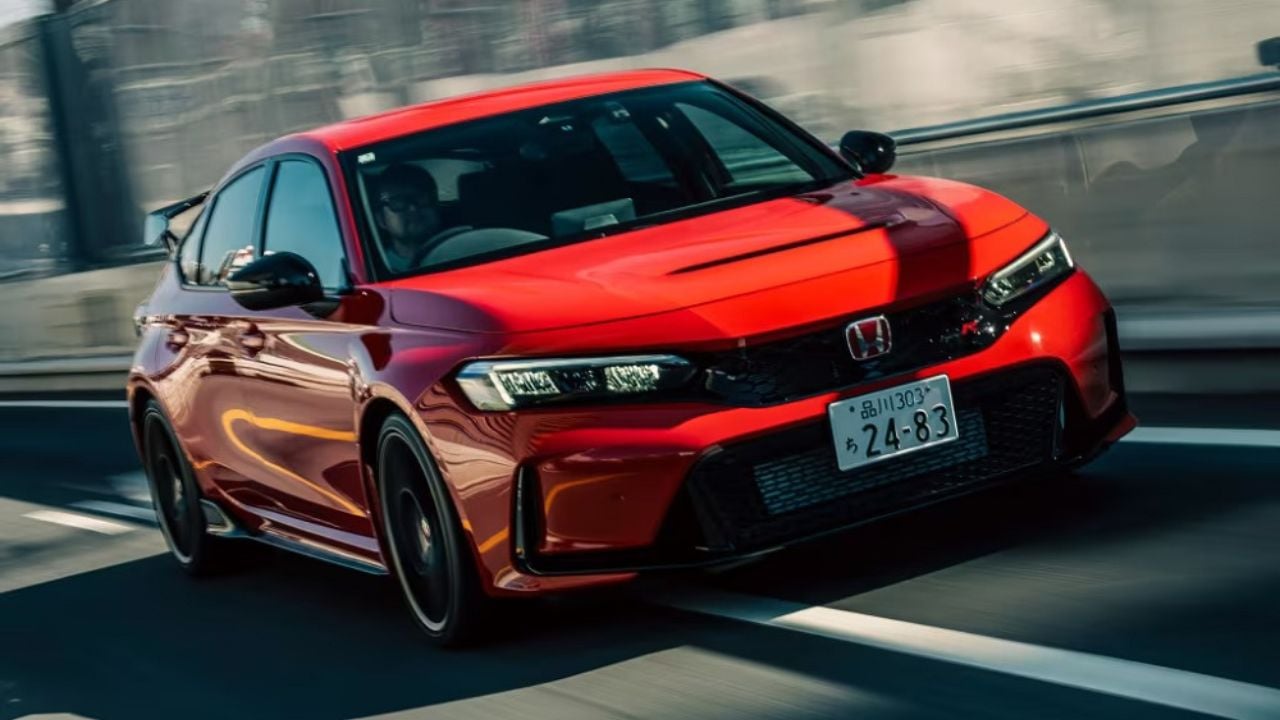
The Japan Automobile Manufacturers Association represents some of the country’s biggest automotive names, including Toyota, Honda, Nissan, Mazda, Subaru, Mitsubishi, and Suzuki. These companies have spent decades competing fiercely with one another, both at home and in global markets.
That competition has traditionally encouraged each manufacturer to develop its own solutions, even for relatively mundane components. While that approach can preserve engineering independence, it can also mean multiple companies spending time and money creating slightly different versions of parts that ultimately perform almost identical jobs.
Sato believes the industry needs to reconsider that model. By sharing development work on components that customers do not associate with a vehicle’s brand identity, Japanese manufacturers could devote more resources to areas such as faster-charging EVs, software platforms, and advanced driver-assistance systems.
The Goal Is to Standardize the Boring Stuff
The proposal does not appear to involve sharing entire vehicle platforms or producing the same cars with different badges. Instead, early discussions reportedly focus on components that have little influence on styling, driving feel, or brand identity.
Items such as fluid hoses, electrical connectors, window motors, and certain wiring components are examples of areas where greater standardization could potentially deliver savings. Suppliers would be able to manufacture larger quantities of fewer variations, reducing complexity across the supply chain.
Automakers already use this strategy extensively within their own corporate groups. Volkswagen Group’s MQB architecture, for example, demonstrated how sharing underlying engineering across multiple brands and models can reduce costs while still allowing each vehicle to maintain a distinct appearance and character.
Expanding that philosophy across separate automakers would be far more ambitious. The challenge would be identifying exactly which parts can be standardized without compromising proprietary technology, intellectual property, or the qualities customers actually notice.
China Is Raising the Pressure
The push for cooperation comes as Japanese automakers face increasingly aggressive competition from China. Chinese manufacturers have gained ground through rapid product development, highly integrated supply chains, strong battery expertise, and an ability to bring new technology to market quickly.
Nissan’s Espinosa acknowledged that industries in other parts of the world can sometimes be better organized than Japan’s automotive sector. His comments suggest manufacturers increasingly recognize that competing independently on every component may no longer be the most efficient strategy.
Vehicle teardowns have also highlighted how Chinese companies frequently use proven, readily available components rather than redesigning every part from scratch. That approach can reduce engineering costs and shorten development cycles, allowing manufacturers to concentrate resources on features that customers value.
For Japanese brands, matching that speed may require setting aside some long-standing rivalries. Sharing a wiper motor or electrical connector is unlikely to make a Toyota feel like a Subaru, but developing seven different versions could consume money and engineering time that might be better spent elsewhere.
Collaboration Doesn’t Have to Mean Identical Cars
Parts sharing sometimes makes enthusiasts nervous because excessive standardization can lead to vehicles feeling too similar. Done carefully, however, collaboration does not necessarily eliminate individual character.
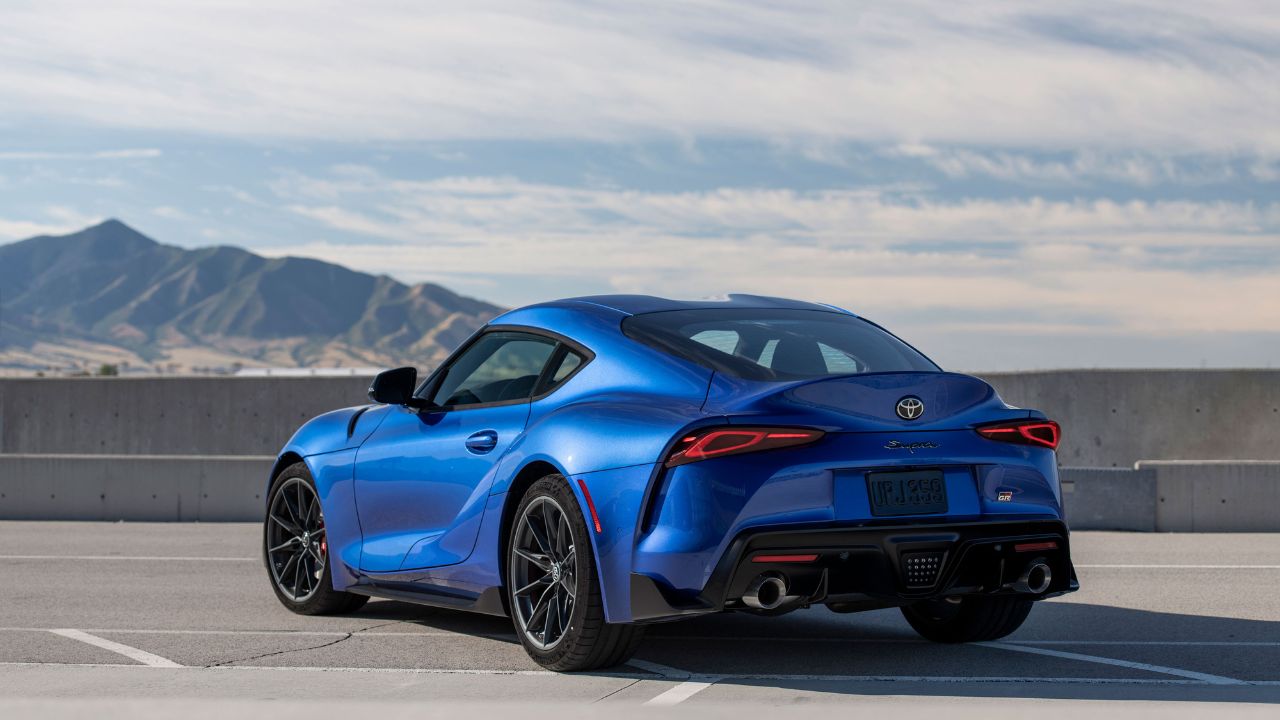
Ford and General Motors, for example, jointly developed the foundation for their 10-speed automatic transmissions while implementing the technology differently. Toyota and BMW also collaborated on the current Supra and Z4 programs while producing two cars with distinct personalities.
The same principle could apply to Japan’s proposed industry-wide cooperation. Shared non-visible components could lower costs while leaving engines, chassis tuning, styling, software experiences, and performance development in the hands of individual manufacturers.
Japan’s Seven Carmakers May Need Each Other
There are still major obstacles before large-scale standardization becomes reality. Each automaker has established engineering practices, supplier relationships, intellectual property concerns, and corporate cultures that could make widespread cooperation difficult.
Still, the fact that Japan’s biggest manufacturers are seriously discussing broader collaboration shows how much competitive pressure the industry is facing. Chinese automakers are no longer simply emerging challengers; they are increasingly setting benchmarks for development speed, manufacturing efficiency, and EV technology.
Japan’s seven major carmakers are unlikely to stop fighting each other for customers anytime soon. Behind the scenes, however, they may decide that surviving the next phase of the global auto industry means occasionally fighting on the same side.