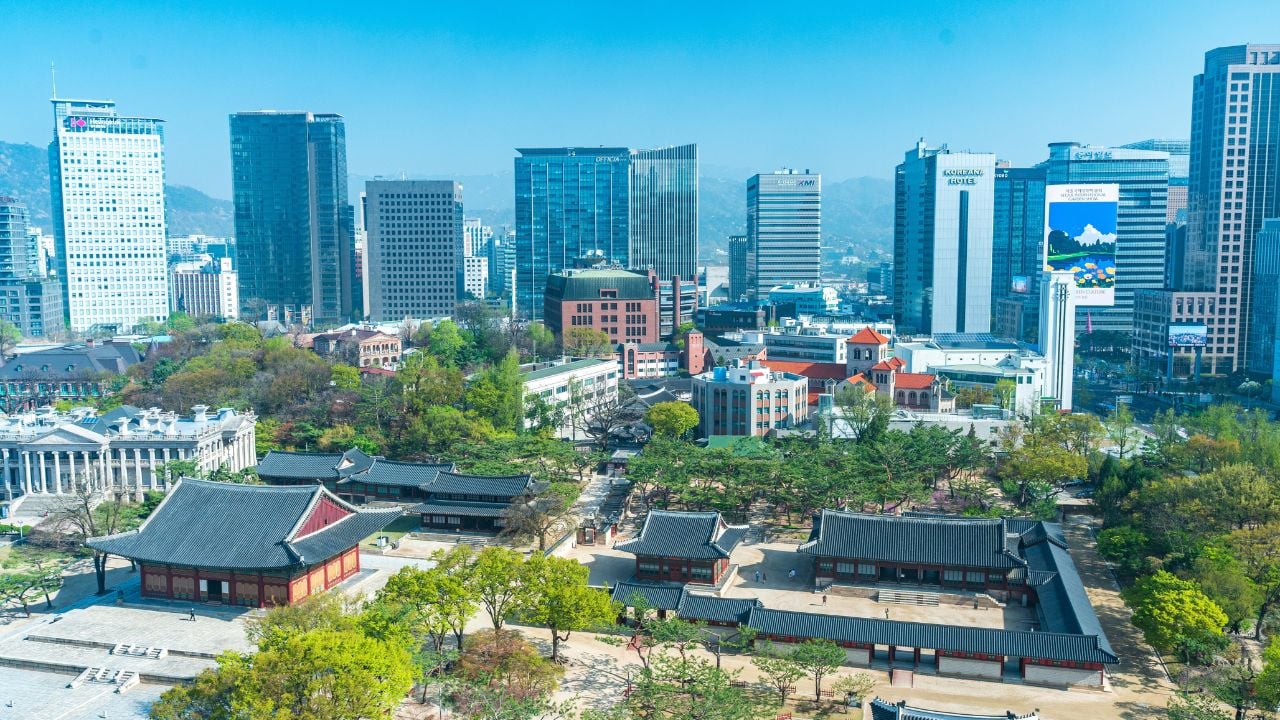
Seoul can feel huge on a first visit, but the city becomes easier once the trip stops trying to cover everything. A good first plan should begin with neighborhoods, meals, and train lines rather than a long list of scattered attractions.
The city has enough drama for a full itinerary: palace roofs against mountain ridges, market counters crowded with metal bowls, shopping streets lit by signs, quiet teahouses, late-night snacks, and subway rides that pull very different parts of Seoul within reach.
For most first-timers, Jongno, Myeongdong, Euljiro, or City Hall make practical bases. Palaces, markets, shopping streets, older lanes, museums, and major subway lines sit close enough that the day can pause without falling apart.
The best version gives each day one strong anchor. A palace can take the morning, a market can turn lunch into the main event, and a short train ride can carry the afternoon into another neighborhood without making the whole trip feel like a race.
1. Stay Near Useful Transit Before Choosing the Sights
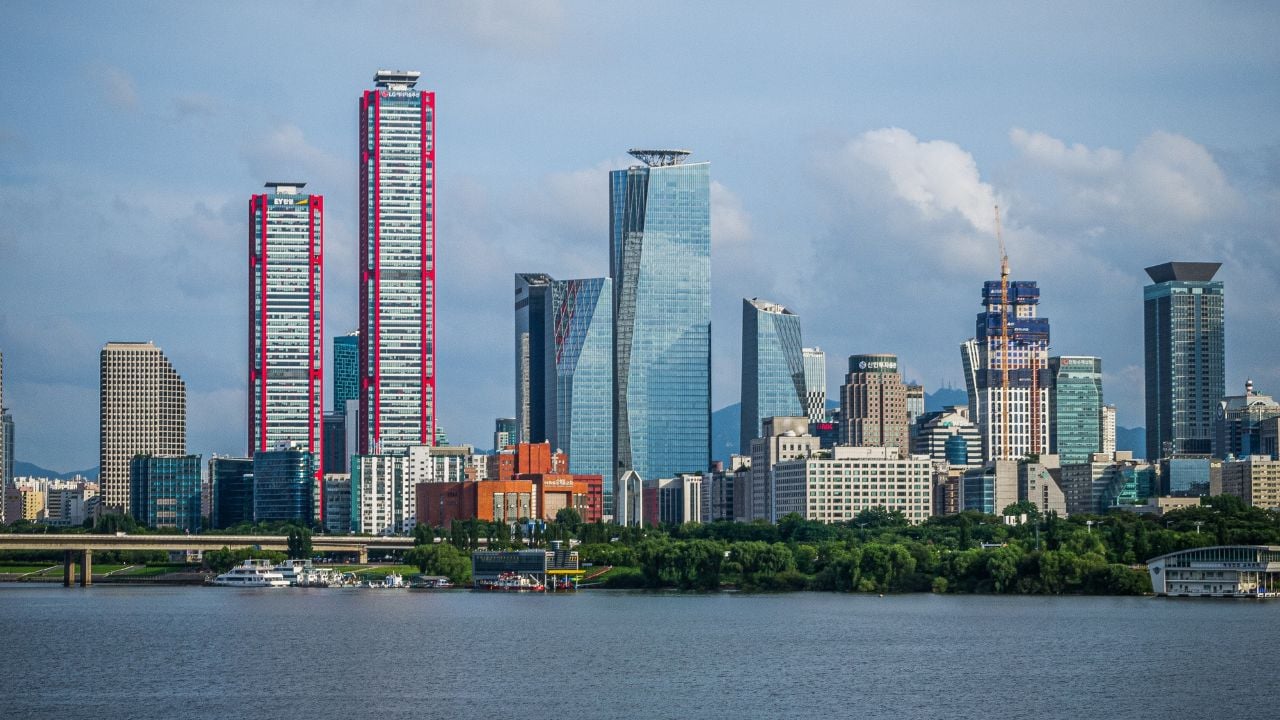
Seoul is not a city where first-timers should choose a hotel only by the prettiest photo. Location changes the whole trip. A base near Jongno, Myeongdong, Euljiro, or City Hall keeps the first few days close to palaces, markets, shopping streets, museums, airport connections, and subway lines that are useful again and again.
The official Visit Seoul transportation guide covers subway routes, buses, taxis, travel passes, and airport access, and the subway is usually the easiest way to keep a short trip from becoming trapped in traffic. Stations are large, signs are clear in many central areas, and the network connects the palace districts, markets, shopping zones, and café neighborhoods better than a car can.
A good day might start around Jongno, break for lunch near Gwangjang Market, then move to Insadong or Myeongdong without crossing the city three times. The route still feels full, but the movement has logic. That matters in Seoul, where one badly placed hotel or one overambitious afternoon can turn a fun day into a chain of transfers.
Keep dinner near a station or near the hotel on the first night. After a long flight, even a short walk to noodles, barbecue, fried chicken, or a busy snack street can feel more satisfying than an ambitious ride across town.
2. Start With Gyeongbokgung and Bukchon for the Palace-and-Old-Seoul Morning
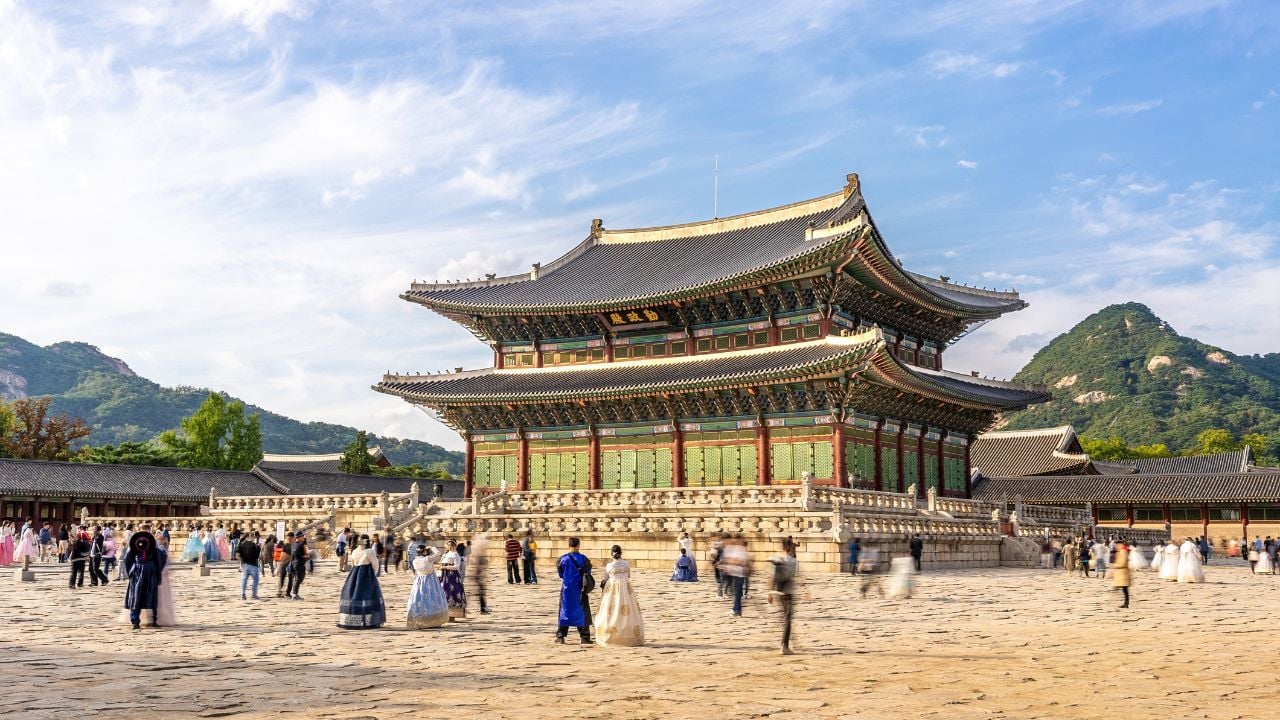
Gyeongbokgung Palace gives first-timers the grand Seoul morning without needing a complicated route. Built in 1395 as the official palace of the Joseon dynasty, it spreads out through broad courtyards, painted wooden halls, ceremonial gates, stone paths, and views toward the mountains behind the city.
Arrive early if possible. The palace feels different before the courtyards fill with tour groups and hanbok rentals. Walk slowly through the gates, look up at the painted eaves, and give yourself time to notice the contrast between the old palace grounds and the modern city just outside the walls.
Bukchon Hanok Village pairs naturally with Gyeongbokgung, but it is not an empty film set. People still live there. Seoul Metropolitan Government notes that parts of the Bukchon Special Management Area now have restricted tourist visiting hours, with the Red Zone closed to tourists from 5:00 p.m. to 10:00 a.m.
Visit during the day, keep voices low, and avoid treating doorways, windows, and residential lanes like props. The best Bukchon walk is brief and respectful: tiled roofs, sloping lanes, wooden doors, glimpses of Namsan or palace walls, then back toward a café, museum, or lunch stop before the neighborhood feels crowded.
3. Let Gwangjang Market Turn Lunch Into the Main Event
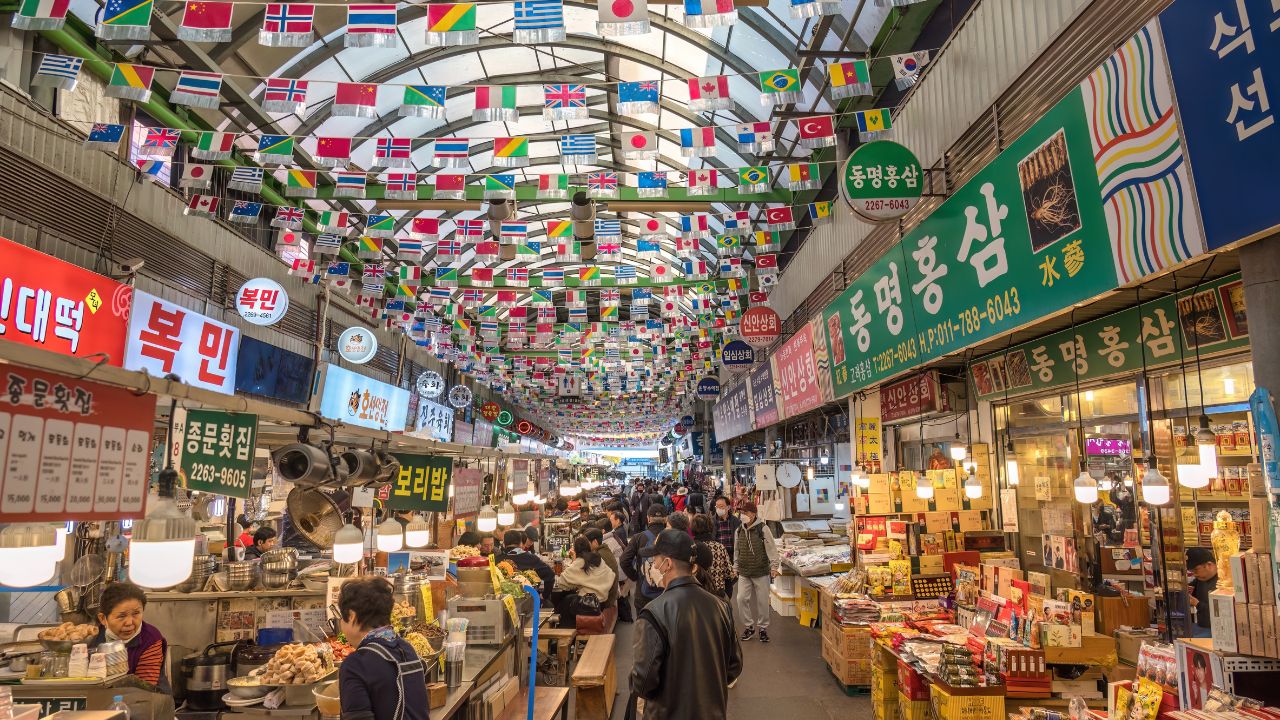
Gwangjang Market is one of the easiest places for first-time visitors to feel Seoul through food rather than sightseeing. Visit Korea describes it as Korea’s first permanent market, and today the place still feels immediate: steam rising over counters, vendors calling orders, metal bowls hitting tables, stools packed close, and people eating shoulder to shoulder.
Come hungry and eat in rounds. Start with bindaetteok, the crisp mung-bean pancake that appears all over the market, then look for mayak gimbap, dumplings, noodles, or whatever stall has a crowd leaning over the counter. The fun is not finding the perfect stall. It is watching the food move quickly from pan to plate while the market keeps buzzing around you.
This stop makes sense after a palace morning because the contrast is sharp. Gyeongbokgung is courtyards, gates, and controlled space. Gwangjang is heat, oil, fabric stalls, plastic stools, quick decisions, and lunch that arrives without ceremony.
Bring cash, patience, and a willingness to share space. A market lunch in Seoul is not meant to feel polished. It is loud, close, fast, and much more memorable than sitting down somewhere that could belong to any large city.
4. Use Insadong and Myeongdong for Browsing, Snacks, and Easy Breaks
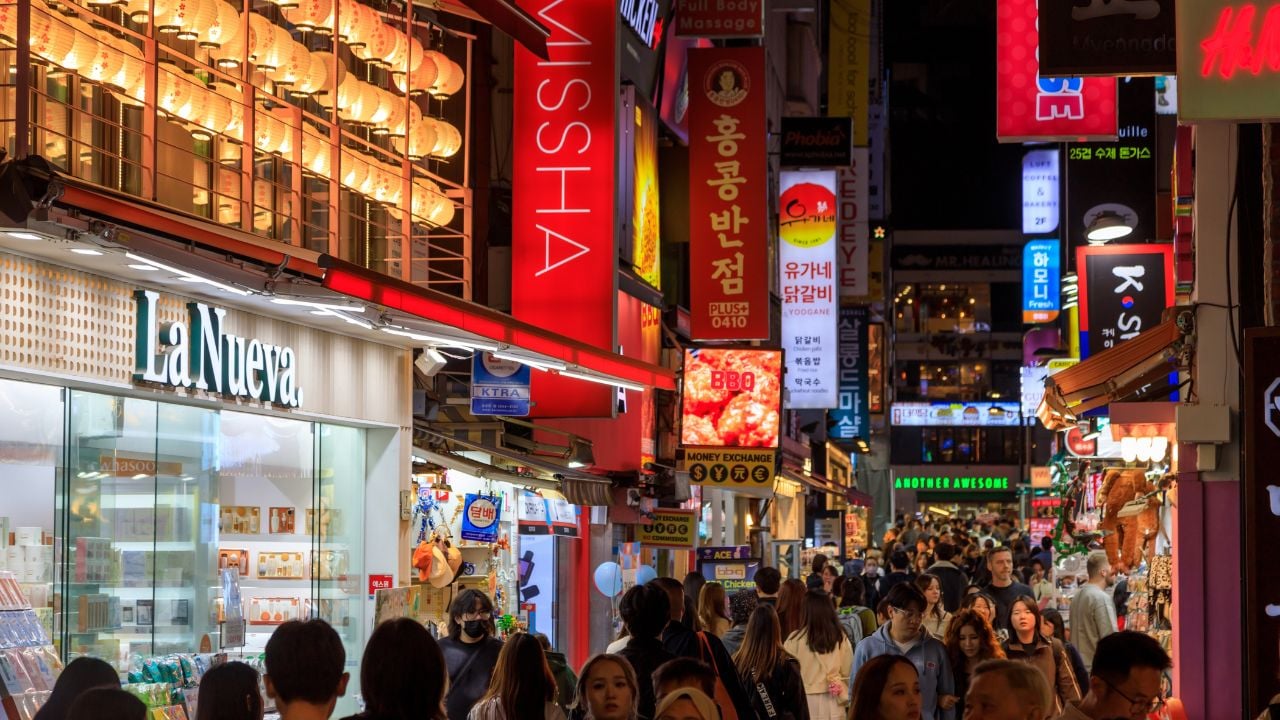
Insadong is a good place to slow the afternoon without leaving central Seoul. The main street and side lanes bring together galleries, craft shops, teahouses, ceramics, paper goods, small snack counters, and storefront signs written in Hangeul. Visit Korea highlights Insadong Cultural Street for galleries, craft shops, teahouses, and its Hangeul-designed store signs.
Do not rush through it like a shopping mall. Step into a tea house, look at brushes or ceramics, browse Ssamziegil if you want an easy indoor-outdoor loop, and let the smaller lanes do some of the work. Insadong is best when it feels like a pause between bigger Seoul moments.
Myeongdong belongs later in the day, when neon, beauty shops, snack carts, and restaurant signs feel more fun than overwhelming. Visit Korea notes that the area has Korean, Western, and Japanese dining options, with restaurants specializing in dishes such as dongaseu and kalguksu.
Treat Myeongdong as a bright evening chapter, not the entire story. Buy skincare, eat noodles, try street snacks, or walk through the crowds for the energy of it. Then stop before the lights and noise start to blur together.
5. Add Namdaemun or Mangwon for a Second Market Mood
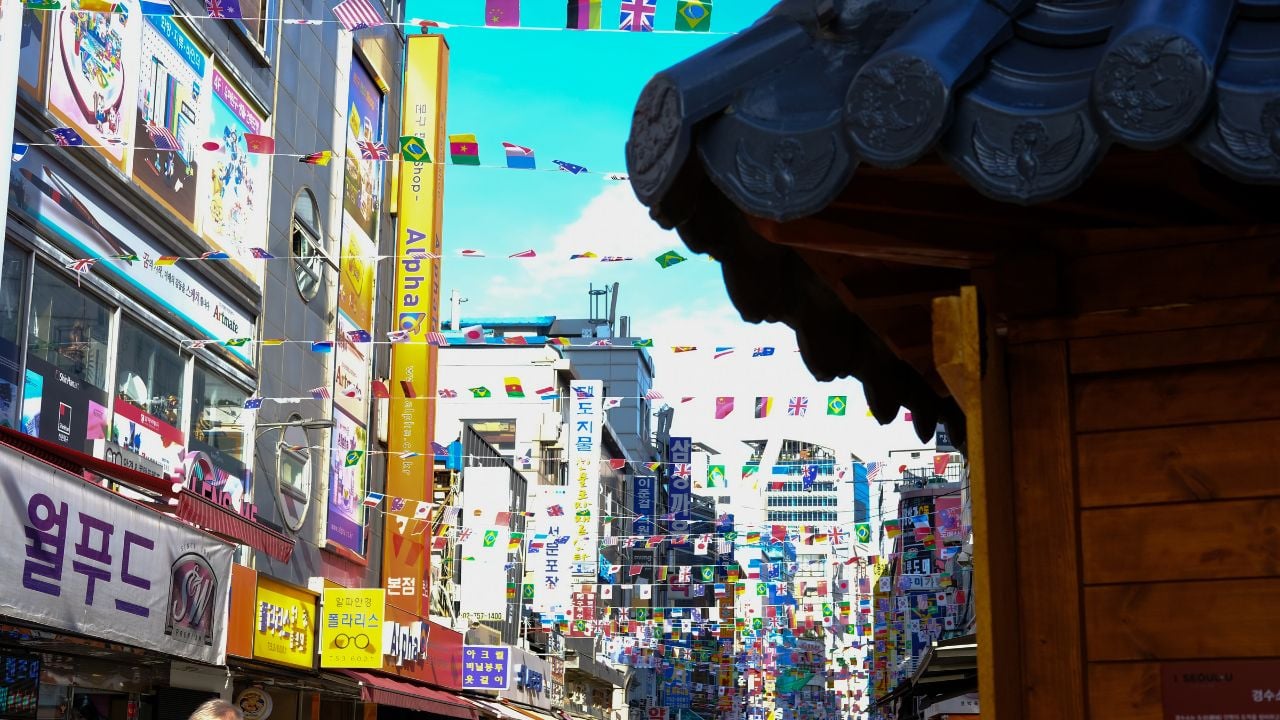
A second market keeps the trip from feeling too polished. Namdaemun Market is the classic central choice. Visit Korea describes it as Korea’s largest traditional market, with shops selling many kinds of goods at affordable prices and stores that also function as wholesale markets.
Namdaemun is good for browsing when you do not need everything to look beautiful. The lanes are busy, the signs compete for attention, and the market moves between clothing, kitchen goods, accessories, snacks, souvenirs, and people who are clearly there to shop rather than pose. That everyday commercial energy is the point.
Mangwon gives a softer neighborhood version of the market idea. Seoul Metropolitan Government describes Mangwon Market as a local market in Mangwon-dong, frequented by residents and surrounded by cafés and restaurants near Mangnidan-gil Street.
Choose Mangwon when the trip needs a slower final day. Eat market snacks, follow the café streets, then walk toward the Han River if the weather is kind. It is a useful reminder that Seoul is not only palaces, shopping districts, and famous food halls. Some of the best first-trip memories come from ordinary neighborhoods where people are buying dinner, meeting friends, or carrying coffee down a side street.