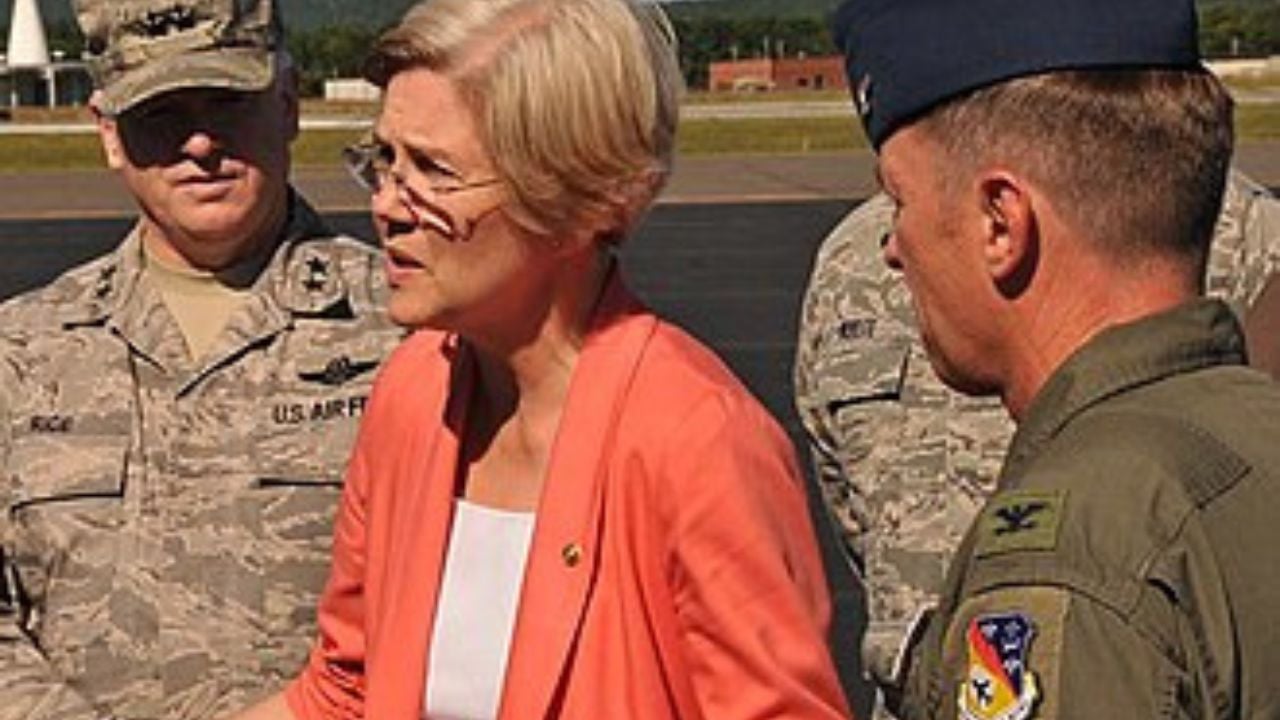

In an era where auto loan interest rates feel like they’re set by Roulette Wheel #17, Sen. Elizabeth Warren rode into the spotlight once again on March 10, 2026, demanding that five of the largest auto lenders in America open up their books on both military and civilian auto loan pricing and markups.
Far from mere political theater, this is a deep dive into the plumbing of how car loans actually get priced, who pays what, and whether service members are being shortchanged.
Here’s the skinny: Warren, who serves as the Ranking Member of the Senate Banking, Housing, and Urban Affairs Committee, sent formal letters to five big-name lenders — Ally Financial, Capital One, Chase, GM Financial, and Toyota Financial Services — asking them to lay bare the data behind their auto loan interest rates, deal‑by‑deal profit margins, and a raft of metrics comparing loans to military borrowers vs. civilians.

In other words, the senator isn’t about a casual “hey, pretty please” request. She wants written responses by March 24, 2026.
What Sparked This Unusual Inquiry?
A recent report cited in Warren’s letters found that between 2018 and 2022, service members with credit profiles similar to civilians were paying slightly higher interest rates on auto loans — about 0.35 percentage points more on new cars and 0.28 on used cars. Small numbers? Maybe.
But on a $30,000 loan, that’s hundreds in extra interest every year.
Warren points to a troubling pattern: when affordable financing slips out of reach, the consequences can be much bigger for military personnel than for the average buyer. Loss of clearance, inability to serve overseas, stalled careers; all because financing wasn’t fair? That’s her claim.
Why Now — And Why the CFPB Matters

This isn’t Warren’s first rodeo. She frames the demand letter as part of a broader concern that the Consumer Financial Protection Bureau (CFPB), the presidentially appointed agency historically tasked with protecting consumers in markets like auto lending, has been scaled back under the current administration and pulled away from policing questionable practices.
In her words, the CFPB’s promise to defend military families has been “made a mockery.”
Car loan interest rates themselves, now averaging well north of what they were a few years ago, are part of this backdrop. Tight credit, rising prices on vehicles, and stretched consumer budgets have pushed repossessions and loan delinquencies higher, according to industry watchers.
Those trends have financial firms watching risk more closely but also raise questions about pricing discipline and fairness.
What Warren’s Letters Actually Ask For
In Warren’s own words, she wants:

- Comparative pricing data: Show the rate differences between military and civilian borrowers.
- Dealership interest‑rate margins: How much are dealers actually earning versus the base rate the lenders pay?
- Terms and conditions: Any disparities in terms offered to service members?
- Interactions and complaints: What do your records show about complaints, disputes or adverse outcomes?
- Supportive actions: What lenders themselves think needs to be done to make auto loans more affordable and fairer.
The senator’s demand is therefore a call for transparency about how auto loans are actually being priced on the front lines.
A handful of industry voices have pushed back, saying that Warren’s requests are broad, timely, and perhaps even overreaching, especially given the short deadline.
Some compliance experts have mused in industry circles that if this were litigation, lawyers might call it a “fishing expedition.” In other words: don’t be surprised if lenders push back, negotiate responses, or even try to walk this back a bit.
What This Means for Car Buyers

For the average consumer reading this on your morning scroll, here’s the ground truth: auto loan rates today aren’t like they were in the old days of 3–4%. Many buyers now see mid‑ to high‑single digits (or worse) depending on credit score and loan term, and dealerships often stack pricing to make additional bucks off backend financing.
If Warren’s probe forces lenders to reveal dealer markups and pricing spreads, it could spotlight practices that have long been opaque or hard to quantify, especially for the folks least equipped to negotiate better terms.
Political posturing or not, this has the potential to shift how the auto finance industry answers tough questions about pricing and fairness. Whether Warren gets the data she wants — and whether any policy fallout follows — could shape how cars are financed long after March 24.
Sources: Senate Banking Committee