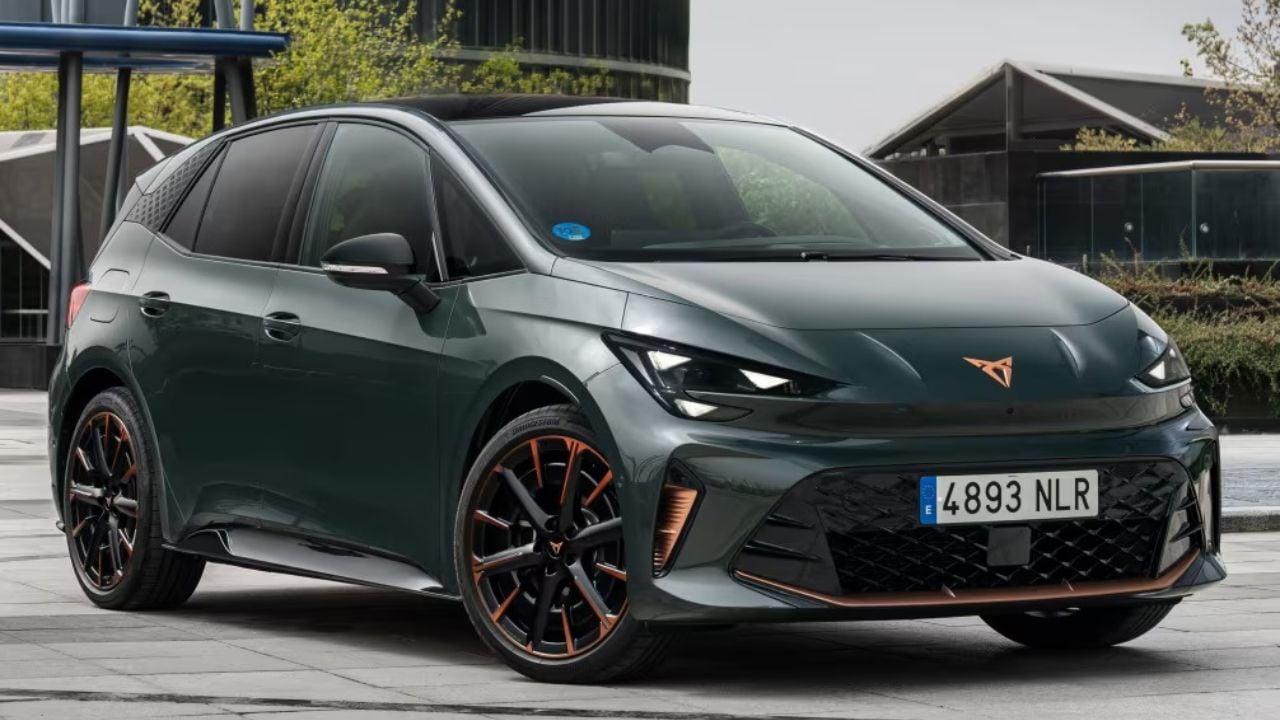
While many European automakers are pushing aggressively toward electrification, Seat sits in a strange position.
The Spanish brand still exists, still sells familiar cars, and still has loyal buyers, but its future now looks less like a straight product plan and more like a question Volkswagen Group has not fully answered.
Seat marked its 75th anniversary in 2025. That should have been a simple celebration of one of Spain’s most important industrial brands. Instead, the milestone arrived while Seat was living increasingly in Cupra’s shadow.
The next few years could decide whether Seat keeps a clear identity inside Volkswagen Group or settles into a smaller, more limited role built around affordability, existing models, and carefully timed hybrid updates.
Cupra Changed Seat’s Place In The Group
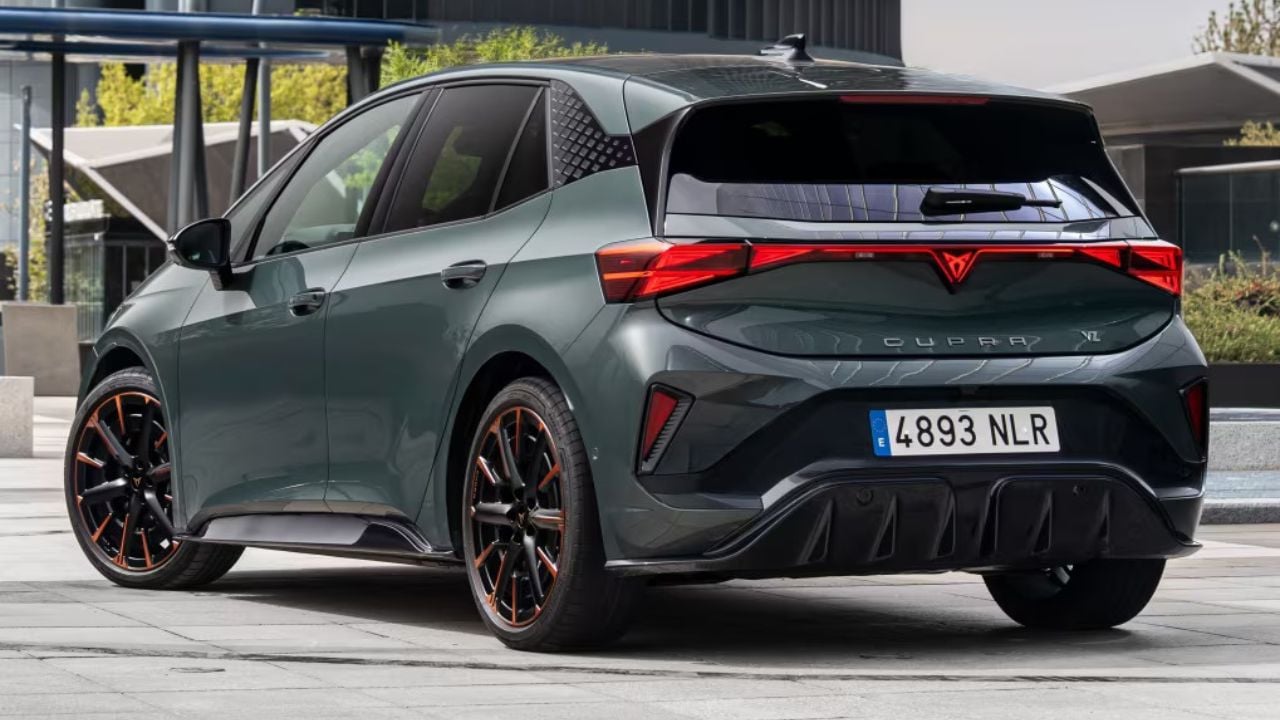
Only a few years ago, Cupra was still easy to explain as the sporty badge attached to Seat’s most exciting models. That changed quickly. Cupra became a separate brand with sharper design, stronger image, and a clearer connection to electrified performance.
The numbers show why Volkswagen Group keeps giving Cupra so much attention. Volkswagen Group said Seat and Cupra delivered a combined 586,300 vehicles in 2025, a record for the company. Cupra delivered 328,800 vehicles, up 32.5%, while Seat-branded deliveries fell 17.0% to 257,400.
That split tells the whole story. Cupra is growing, gaining visibility, and moving toward electric cars such as the Raval. Seat is still present, but it is no longer the brand getting the most future-facing attention.
Seat has not launched an all-new model since the fourth-generation Leon was presented in 2020. Since then, the company has mostly refreshed existing models. The Ibiza and Arona arrived on the market in updated form in January 2026, with mild-hybrid versions due in 2027. Seat has also said the Leon will receive a full-hybrid powertrain in 2028, followed by further Leon and Leon Sportstourer updates in 2029.
Seat Needs A Role That Does Not Copy Cupra
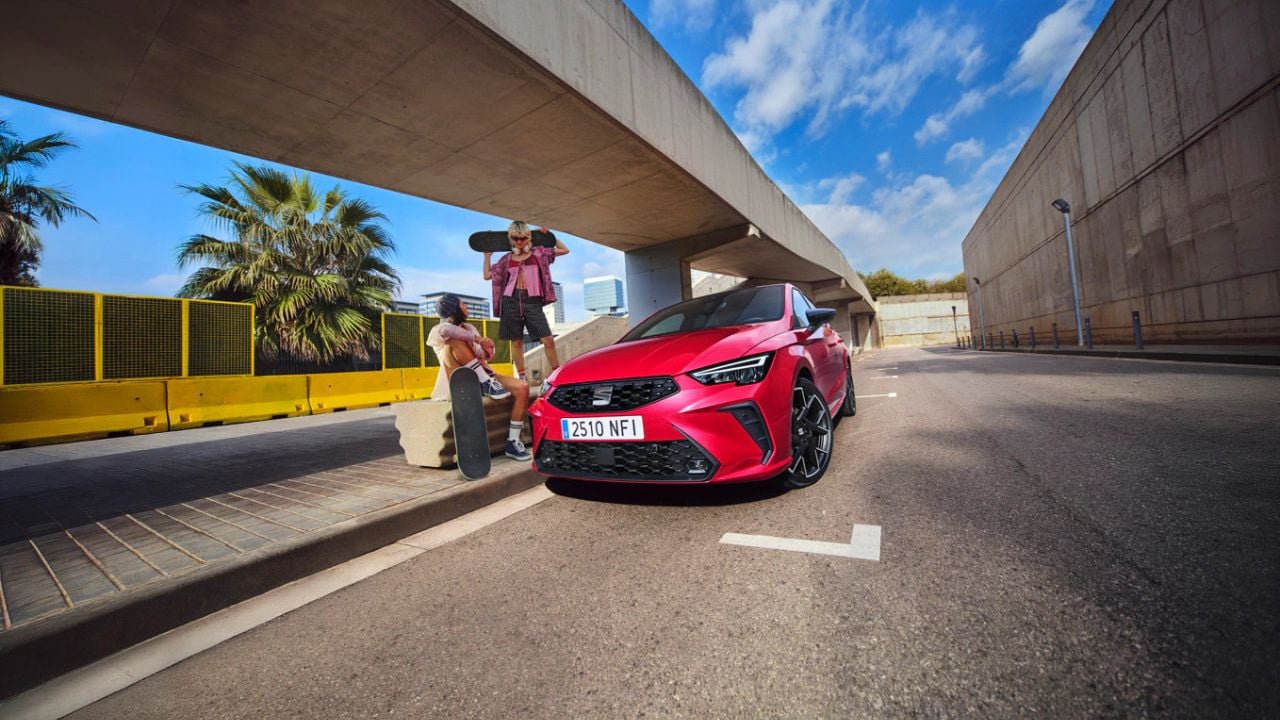
The wider situation inside Volkswagen Group makes Seat’s future more complicated. The sportier, more emotional role has largely moved to Cupra. That leaves Seat needing a purpose that does not simply turn it into Cupra’s cheaper sibling.
For a while, Seat was also linked with new mobility projects, including urban transport ideas and subscription-style services. That direction no longer looks like the central answer. The market did not move toward those services quickly enough to make them a convincing replacement for a strong car lineup.
The clearer direction now is separation. Seat and Cupra may share corporate roots, factories, and some engineering logic, but their future lineups are expected to move further apart.
That matters. Cupra has its own models, including the Formentor, Born, Tavascan, Terramar, and Raval. Seat still depends on familiar names such as Ibiza, Arona, Leon, and Leon Sportstourer. If Seat simply follows Cupra at a lower price, it risks losing the last part of its identity.
Seat boss Markus Haupt has made that point directly. In a recent Autocar interview, he said future Cupras will be bespoke rather than warmed-up Seats, and he ruled out putting a Seat badge on the Cupra Raval.
Seat’s Electrification Path Looks More Modest Than Cupra’s
Seat is not avoiding electrification completely, but its path looks different from Cupra’s. Cupra is getting the flashier electric work, led by the Raval, which Seat and Cupra describe as the first fully electric car to be produced in Martorell.
Seat’s own near-term plan is more cautious. The Ibiza and Arona are due to receive mild-hybrid versions in 2027, while the Leon is planned to receive a full-hybrid powertrain in 2028.
That gives Seat a cleaner emissions story without forcing it to become another Cupra-style electric performance brand. It also keeps costs lower at a time when small affordable electric cars remain difficult to make profitably in Europe.
The risk is obvious. Hybrid updates can keep older models alive, but they do not create the same excitement as a new electric nameplate, a bold design direction, or a completely fresh product family.
Seat needs affordability, simplicity, and practicality to become strengths rather than signs of neglect. If Cupra owns the emotional side of the business, Seat has to become the brand that makes sense for buyers who want a familiar European hatchback or small crossover without paying for a more dramatic image.
A Profitable Company Still Waiting For Direction
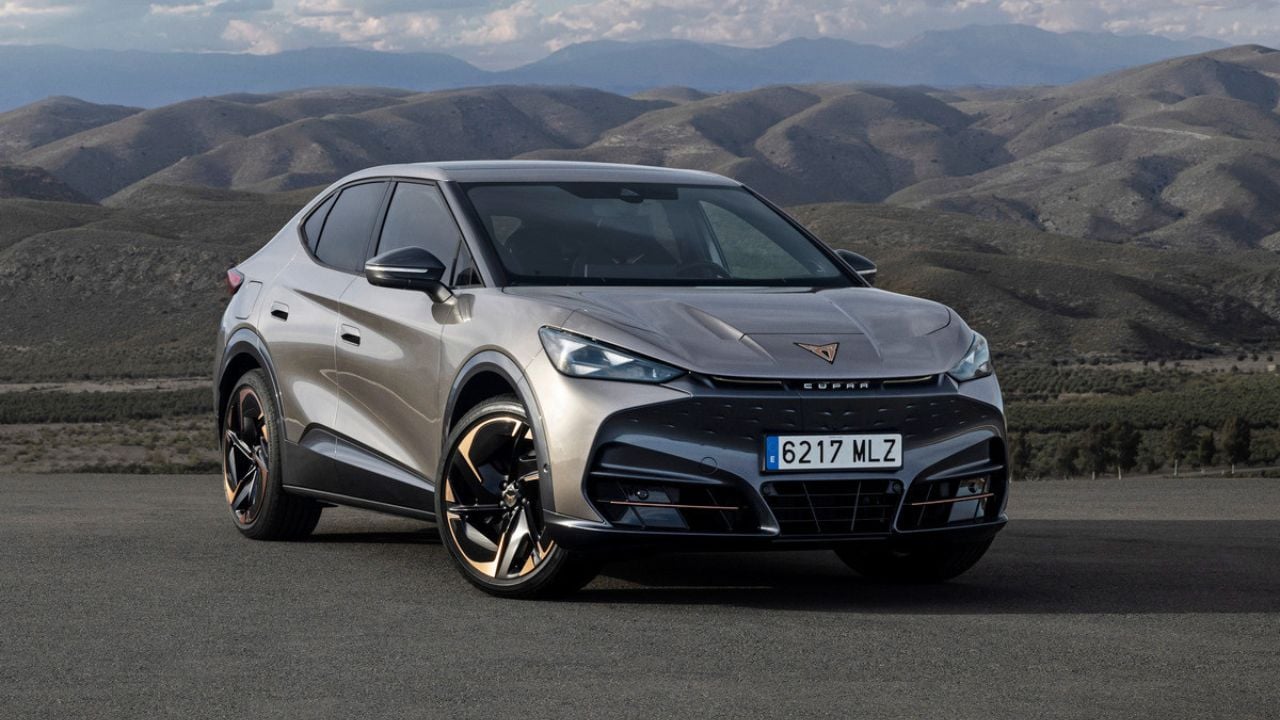
The situation is not as simple as saying Seat is dying. Seat S.A., the company behind Seat and Cupra, posted a €43 million operating profit in the first quarter of 2026, up €38 million from a year earlier, despite lower wholesales and net revenue.
That matters for Volkswagen Group. Seat does not currently look like a financial disaster demanding an immediate shutdown. It looks more like a stable but strategically boxed-in brand that is being kept alive while Cupra carries the growth story.
The current strategy still has a cost. Seat-branded deliveries fell in 2025 while Cupra rose sharply. A lack of all-new Seat models leaves the older brand with less showroom energy, especially when rivals keep launching fresh hybrids, small SUVs, and affordable electric cars.
Volkswagen Group also has bigger problems to solve: high electrification costs, pressure from Chinese automakers, changing European regulations, and the need to protect profit across multiple brands. In that environment, Seat may survive precisely because it does not require massive spending right now.
But survival is not the same as relevance.
Seat still has history, customers, factories, and name recognition. What it needs now is a role Cupra has not already taken. The problem is not survival today. It is relevance tomorrow.
This article was originally published by Autorepublika.com and is republished with permission. It has been reviewed and edited by Guessing Headlights.