
Saab began in Sweden with engineers who once built aircraft and later decided to put their ideas on the road. That origin gave the brand a personality unlike anything else in the car world. Their cars carried bold shapes, clever features, and a unique spirit that reflected Scandinavian thinking. From the start, Saab valued individuality over conformity. They built cars that felt safe and practical but also imaginative. Turbos became a signature, giving their sedans and hatchbacks a rush of excitement.
Saab drivers often felt like part of a family, united by the experience of owning something different. The interiors stood apart with switches and layouts inspired by cockpits. The company never reached the size of German giants, but it carved its own lane with charm. Each generation brought surprises. Looking back now, the legacy feels rich and deeply personal. Saab aged like whiskey, strong, smooth, and unforgettable.
How the Saab Spirit Inspired This Journey
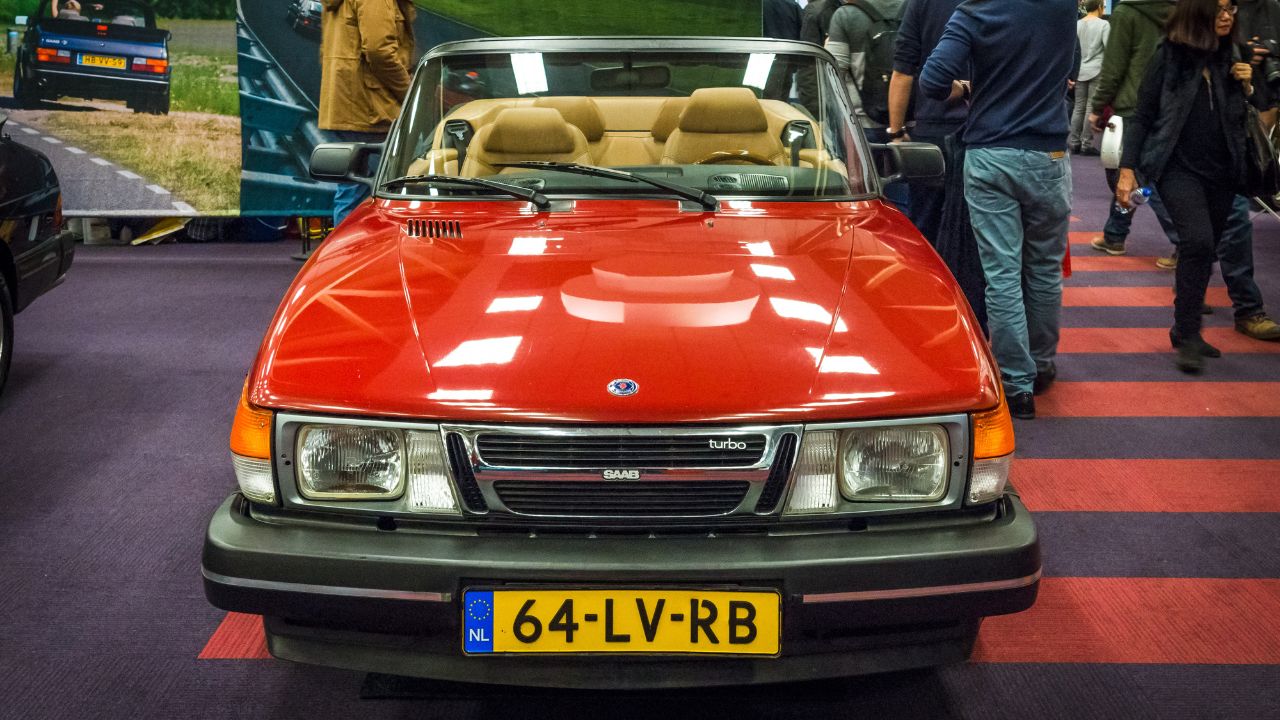
Writing about Saab feels less like listing cars and more like revisiting old friends. The brand carried an unusual magic, and that magic deserves to be remembered with care. Saab cars had a personality that was impossible to overlook. They spoke to drivers who valued comfort, individuality, and a certain quiet strength. This article was born from a desire to keep that conversation alive, even long after the companys factories went silent. Saab matters because it created designs that felt honest. Each model carried its own flavor, yet all of them shared a core of originality. People loved their practicality on cold mornings, their calm interiors, and the way turbos could wake them up with a smile.
The models chosen here represent the heart of Saabs story. They stand out not because of numbers or trophies, but because of the feeling they leave behind. Saab never chased trends, it built its own path, and that bravery gives these cars a timeless quality. I find Saab fascinating because its spirit never left those who once owned or admired one. This article honors that feeling. It explains why Saabs continue to age with grace, like a bottle of fine Scandinavian whiskey that becomes richer each year. To celebrate Saab is to celebrate difference, and difference is what makes the world of cars truly interesting. To give the story structure, the list begins with Saabs earliest creations and moves forward through the decades. This way, the journey follows the brand from its first experiments to the refined cars that carried its final vision.
Saab 92
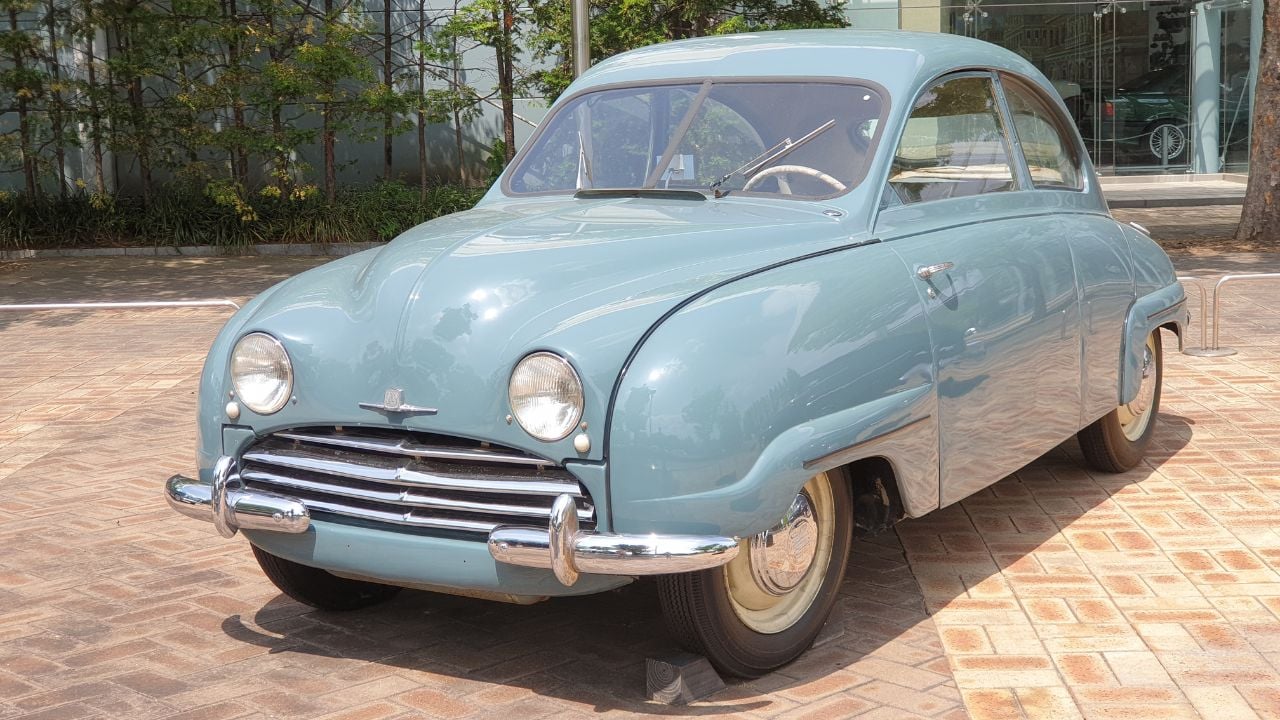
The Saab 92 was the companys very first car, introduced in the late 1940s. It carried the soul of aviation with its teardrop body and aerodynamic shape. Looking at it now, the design feels charming and pure, almost like a small sculpture on wheels. The narrow stance and rounded front gave it a playful character, while its practicality made it perfect for Swedens rough roads.
Driving one felt simple yet satisfying, with engineering that placed focus on function. The interior was modest but carried a sense of warmth, as if it was built with care by hand. The 92 introduced the world to Saabs philosophy of standing apart without apology. It remains a beautiful reminder of how design can be both functional and artistic. Today, the Saab 92 feels like the opening note of a long song filled with innovation and spirit.
Saab 93
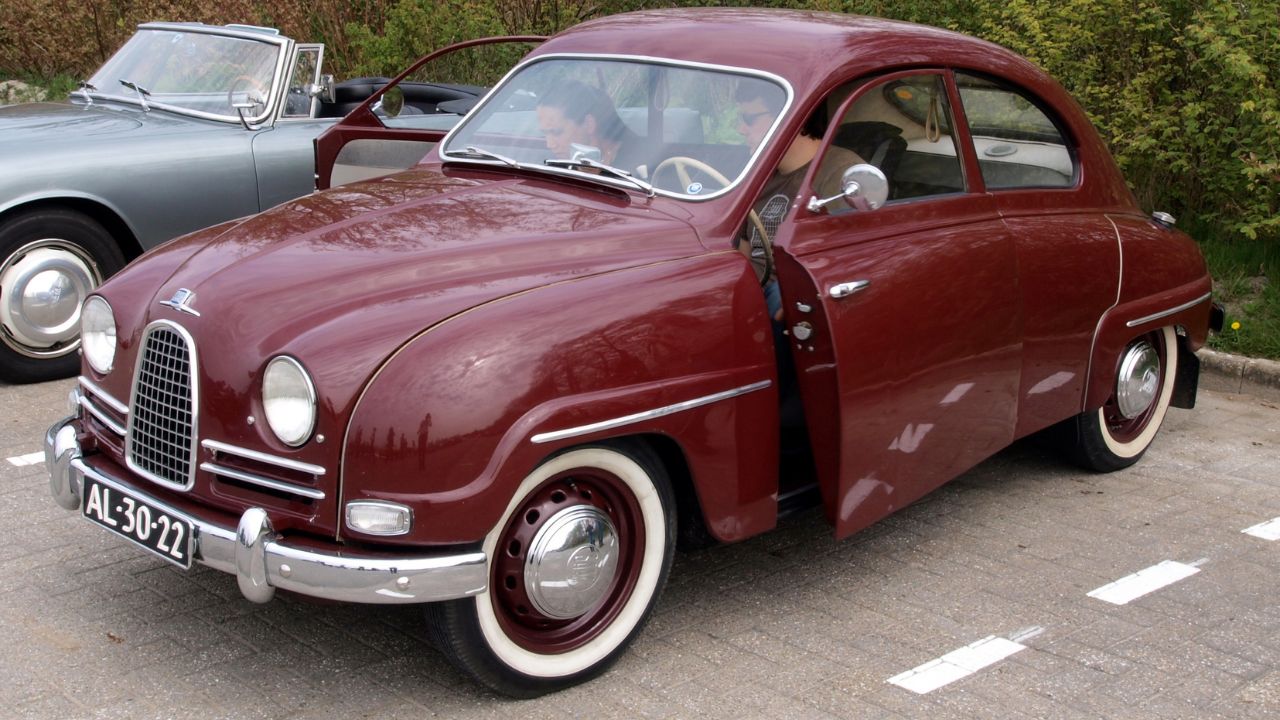
The Saab 93 arrived in the 1950s and continued the charm of the 92 while pushing design forward. Its front grille gave it more personality, and the tail fins hinted at trends of the era while keeping a unique touch. The two-stroke engine delivered modest power, yet driving it felt lively and full of character. The cabin carried simple controls with a layout inspired by aircraft design.
Owners appreciated its solid engineering, which made it dependable through winters and long drives. It was small, but it felt proud, as if every detail was chosen with intent. The 93 built upon the foundation that Saab had laid and gave the brand a reputation for quirky brilliance. Even now, the 93 stands as a classic, remembered for its elegance and individuality. It felt like a car made with love rather than just production numbers.
Saab 96
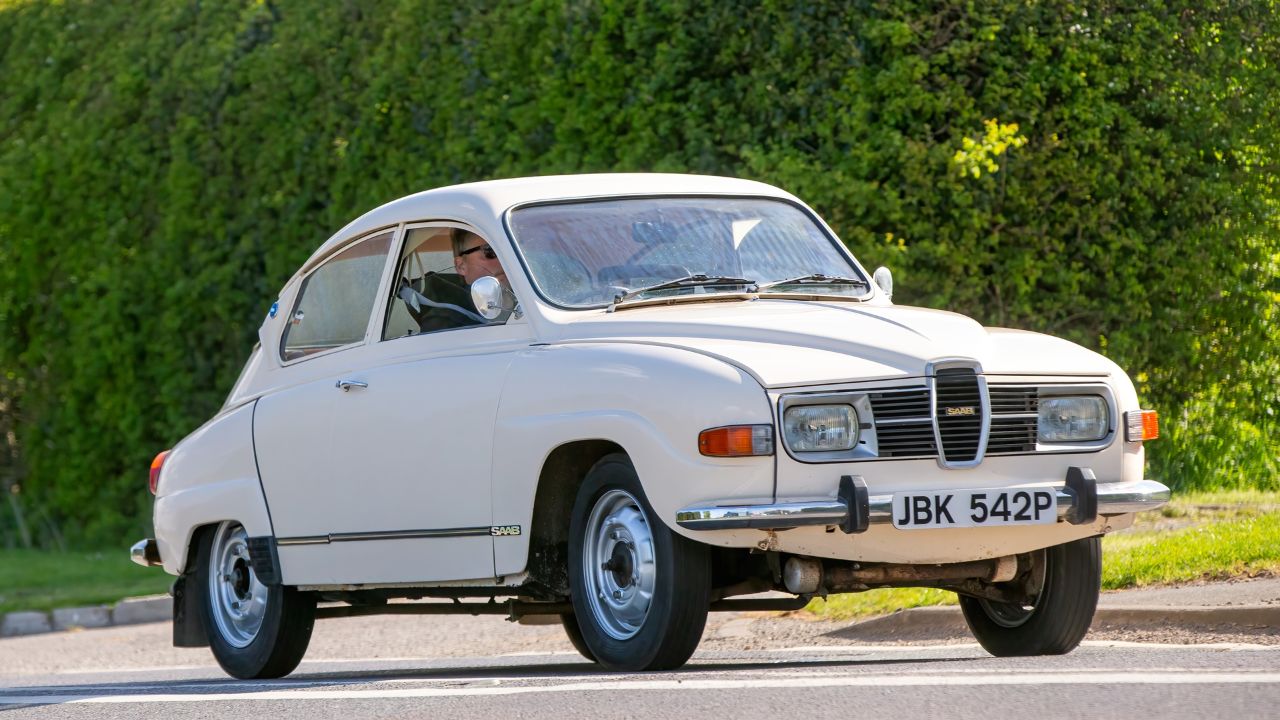
The Saab 96 is one of the most iconic models in the brands story. Introduced in the 1960s, it carried a distinctive rounded shape that looked friendly yet purposeful. It became famous on rally stages, where drivers showed its toughness and agility on icy Scandinavian roads. The V4 engine added new strength and made it fun to drive while keeping its charm. Inside, the 96 felt cozy, with simple instruments and a sense of familiarity.
Families loved its practicality, while racers admired its balance and reliability. The car carried both playfulness and seriousness, a combination that made it unforgettable. The Saab 96 is a piece of history that still looks fresh today. It represents a time when Saab captured hearts by being clever, sturdy, and full of personality. Few cars have aged with such grace and warmth.
Saab 99
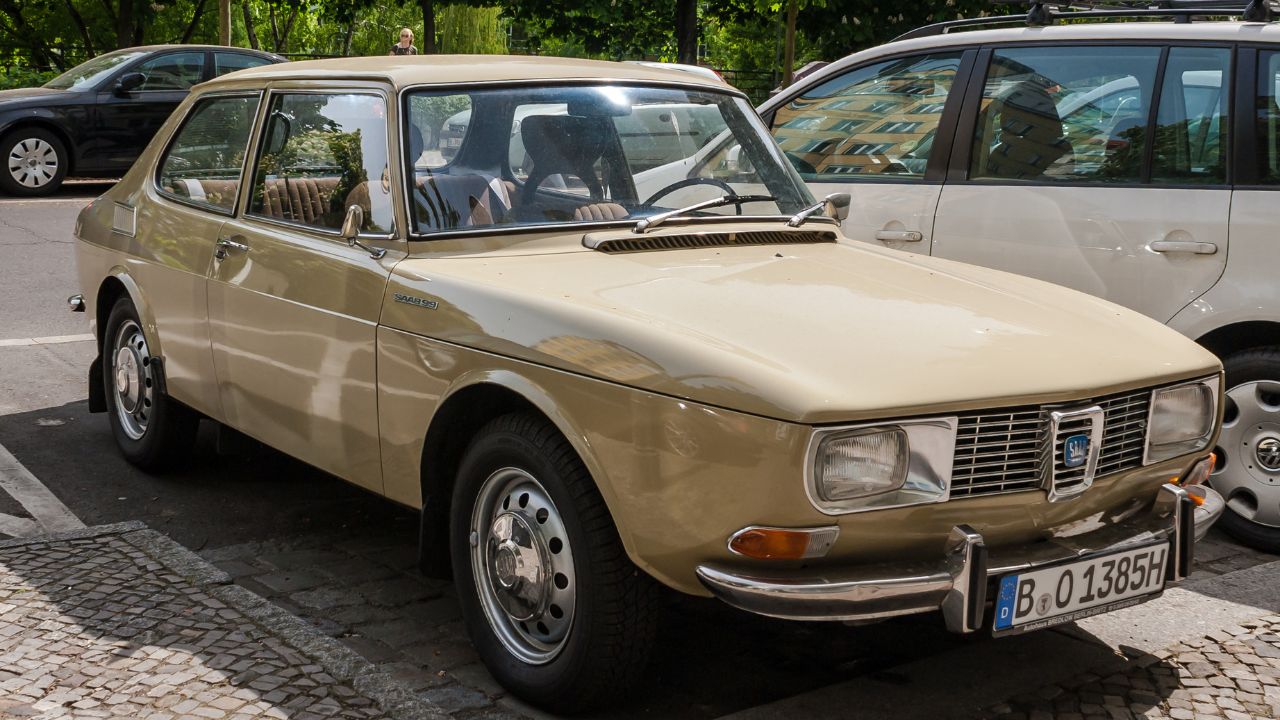
The Saab 99 marked a turning point, introducing bold design and innovation. Its lines were sharper, its presence more modern, and its engineering more advanced. The introduction of turbocharging in later versions brought excitement that would define Saab for years. The 99 felt ahead of its time, both in safety features and performance. Inside, the cockpit-style dashboard placed controls around the driver in a way that felt natural. The 99 showed the world that Saab could compete with bigger brands while still staying unique.
Owners loved the way it combined practicality with style and driving pleasure. Today, the 99 remains a legend, especially the turbo models that reshaped performance expectations. The 99 stands tall in the memory of those who admire innovation mixed with character.
Saab 900 Classic
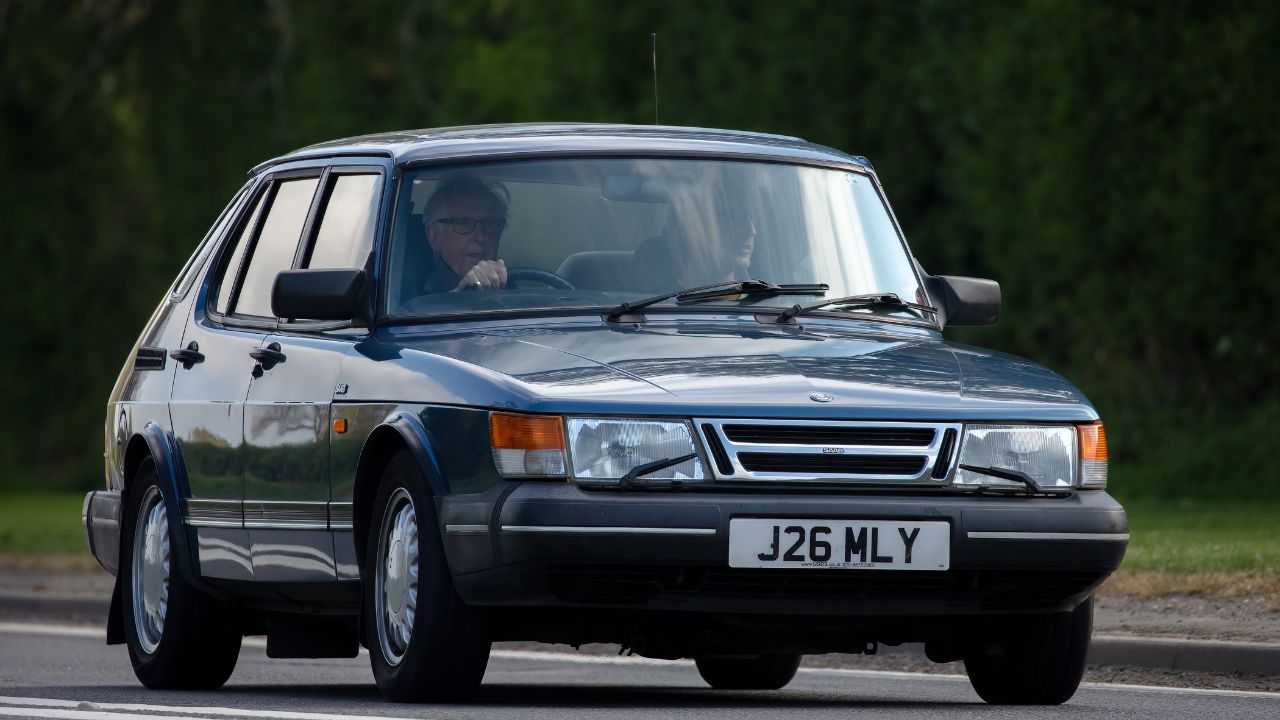
The Saab 900 Classic is perhaps the most beloved Saab of all. Its curved windshield, long hood, and unmistakable hatchback shape created a look that stood apart. The 900 felt solid, safe, and stylish, yet also quick and exciting with its turbo versions. Inside, the seats were famous for their comfort, and the dashboard carried the charm of aircraft influence.
Owners often described the 900 as a trusted friend that always delivered. The turbo models in particular built Saab’s reputation for fun driving wrapped in practicality. The hatchback design made it versatile, while the styling gave it an identity instantly recognizable anywhere. Today, the 900 Classic is admired by collectors and fans around the world. It aged with dignity and carries a beauty that still feels fresh. Driving one connects you directly to Saabs proudest era.
Saab 900 Cabriolet
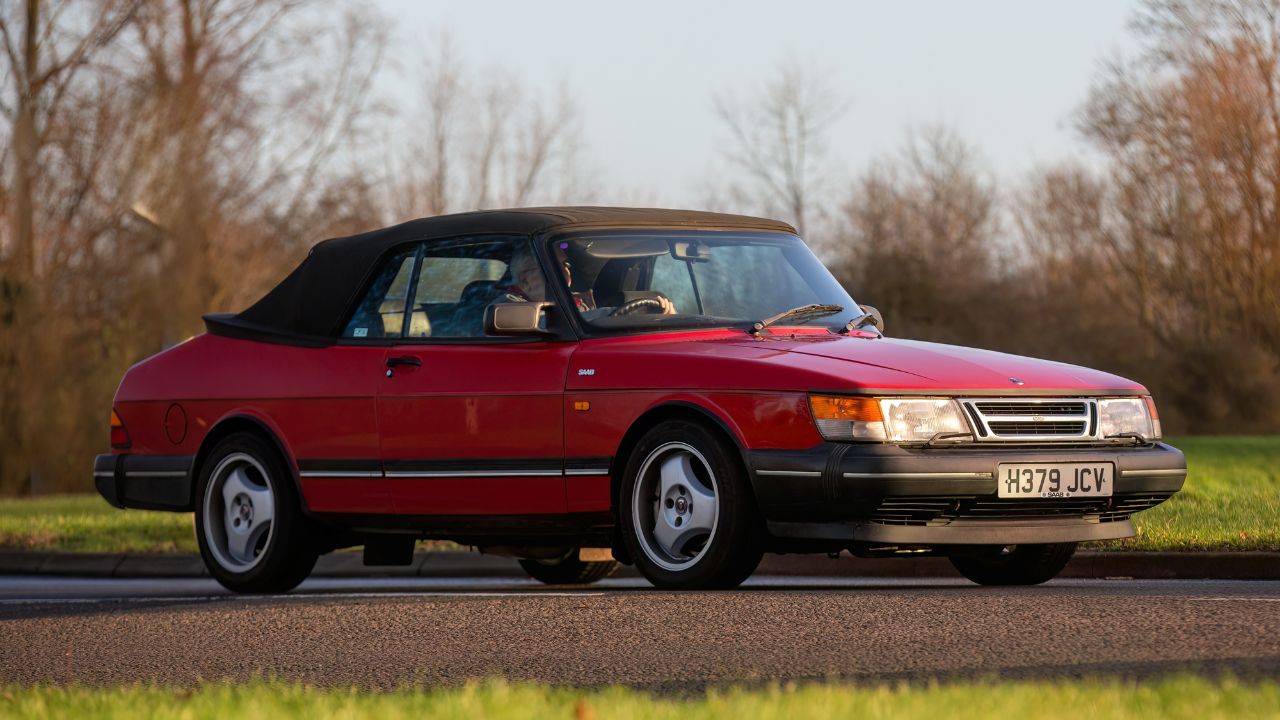
The Saab 900 Cabriolet turned the brand into a symbol of freedom and individuality. Launched in the mid-1980s, it quickly became a style icon across Europe and North America. With its distinctive lines, curved windshield, and fabric roof that folded neatly, the car looked elegant with the top down and solid with the top up.
Saab engineers worked carefully to make the body strong, so the Cabriolet felt stable even without a fixed roof. Inside, the cabin carried the familiar cockpit layout and the unmatched comfort of Saab seats. Turbocharged versions gave it lively performance, making it just as fun to drive as it was to admire. The 900 Cabriolet became especially popular in coastal cities, where it blended Scandinavian charm with open-air joy. Today, it remains one of Saabs most recognizable and desirable models, aging gracefully like a true classic.
Saab 9000
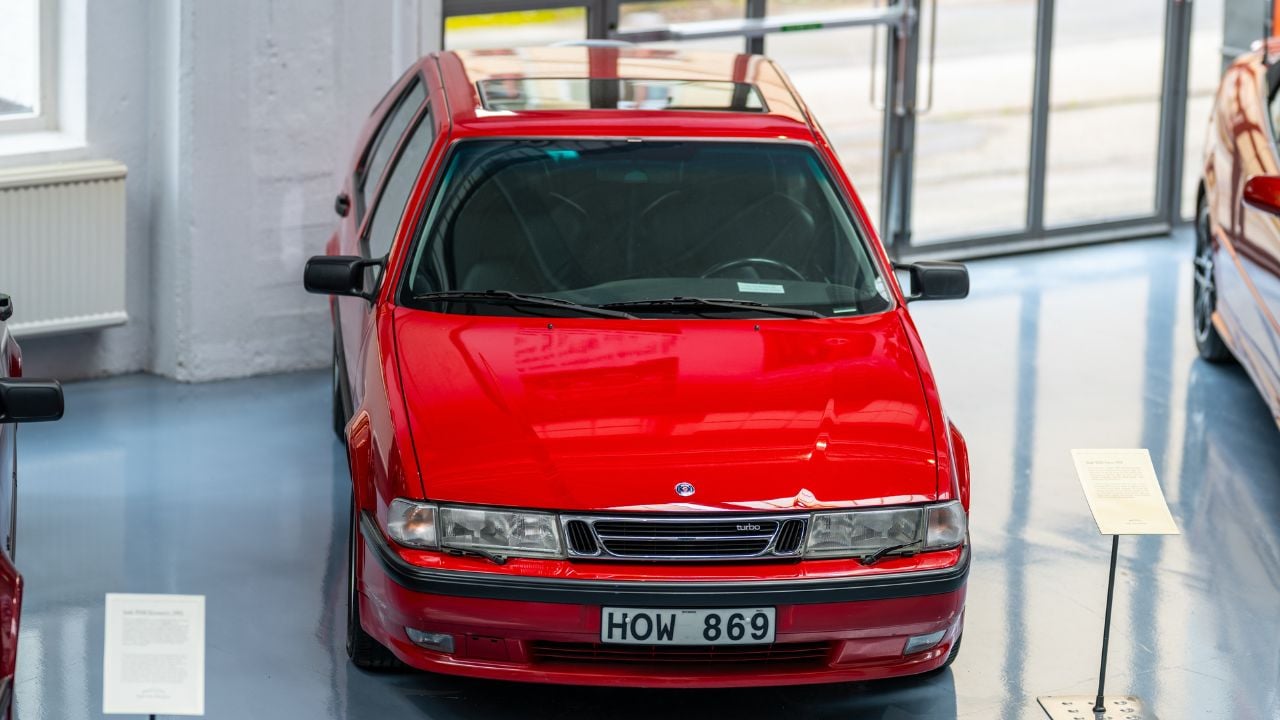
The Saab 9000 arrived as a larger, more refined car that expanded the brands reach. Built in partnership with Fiat and other European makers, it still carried Saabs unique character. The body was sleek and practical, with a strong sense of purpose in its lines. Inside, the 9000 offered space, comfort, and technology that felt advanced for its time.
The turbocharged engines delivered brisk performance, while the handling inspired confidence. Families loved its roomy design, while executives appreciated its understated class. It was never flashy, but it had presence and strength. The 9000 showed that Saab could build a car that felt international yet remained true to its roots. Today it is remembered for its versatility and charm. It stands as proof that Saab could build a big car with personality and intelligence.
Saab 9-3 Viggen
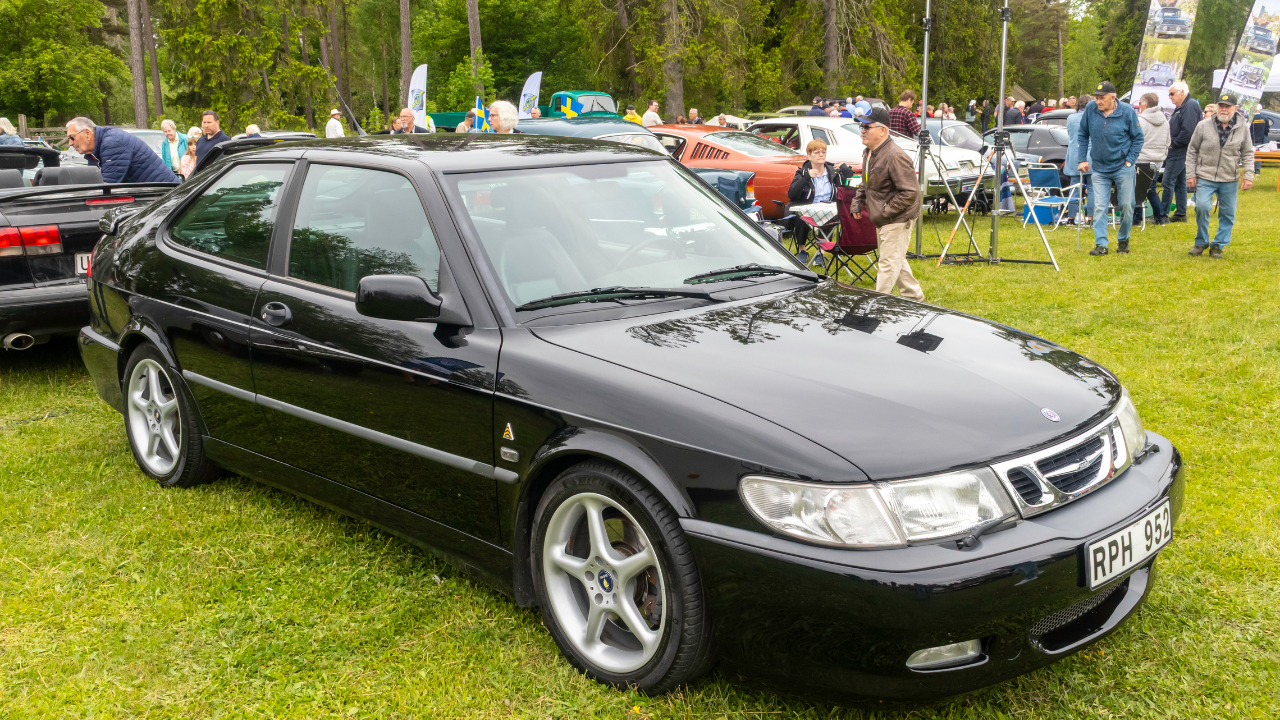
The Saab 9-3 Viggen was a performance highlight for the brand. Named after a Swedish fighter jet, it carried styling and power that gave it real presence. The body kit, bold wheels, and colorful interiors made it feel special the moment you saw it. Under the hood, the turbocharged engine delivered strong acceleration that thrilled drivers.
The handling was tight, and the driving experience felt raw compared to other Saabs. Inside, the cockpit layout carried the familiar aircraft inspiration but added sporty details. The Viggen represented Saabs ambition to build a car that could stand with performance icons of the era. It was fast, distinctive, and filled with spirit. Today, the Viggen is rare and treasured, a symbol of Saabs adventurous side. It remains a true classic for those who love unique performance cars.
Saab 9-5 Aero
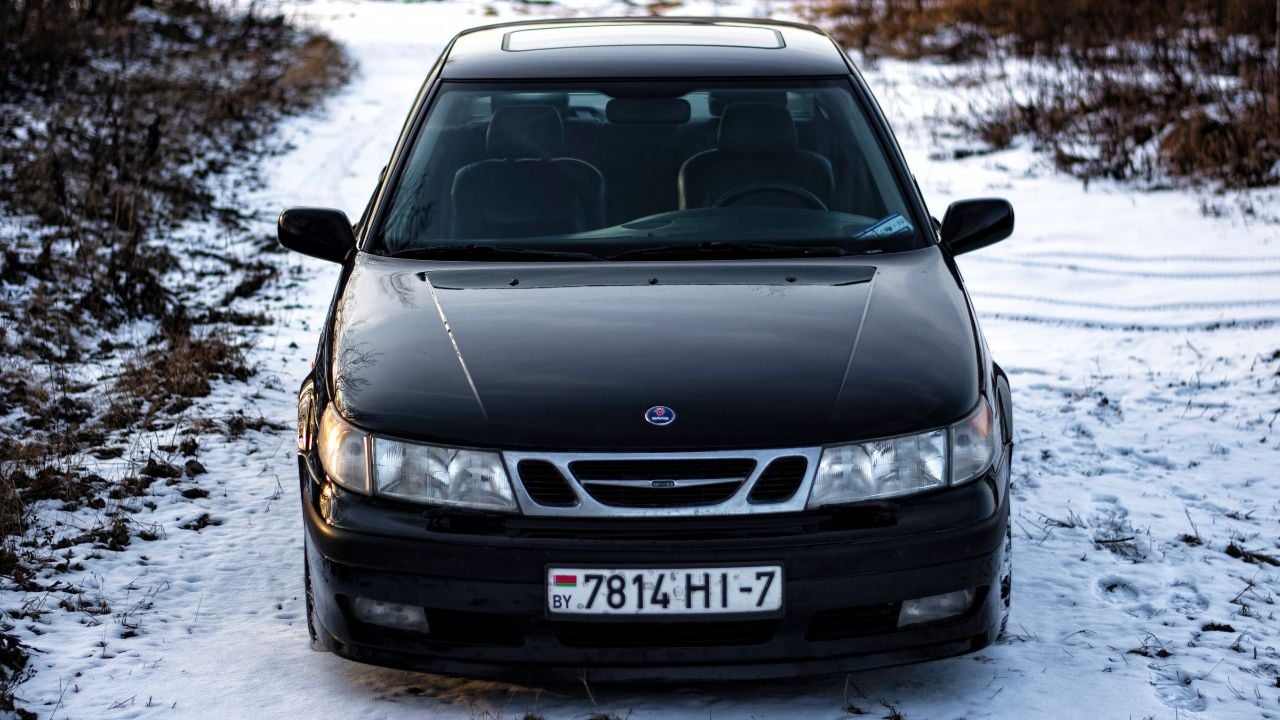
The Saab 9-5 Aero combined refinement with power in a package that felt confident and mature. Its design carried smooth lines and a sleek profile that still looks modern today. Inside, the car offered comfort, advanced safety features, and the familiar cockpit-inspired dashboard. The Aero versions added turbocharged engines that delivered quick performance without losing everyday usability.
Drivers loved the balance between sportiness and long-distance comfort. The 9-5 felt solid on highways, making it perfect for both families and professionals. It carried Saabs tradition of individuality into a new century. The Aero badge gave it extra excitement, showing that Saab could still build cars with fire in their heart. The 9-5 Aero stands as a high point in the brands later years, a car that aged with grace and style.
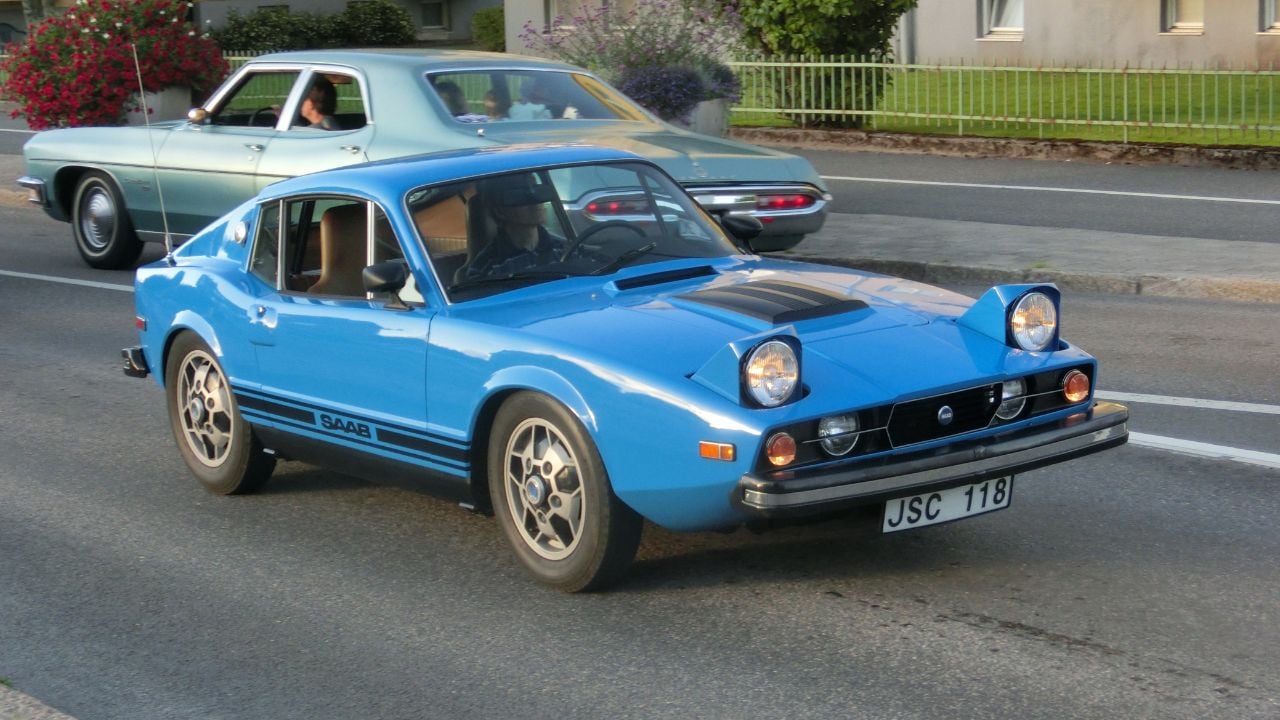
Saab Sonett III
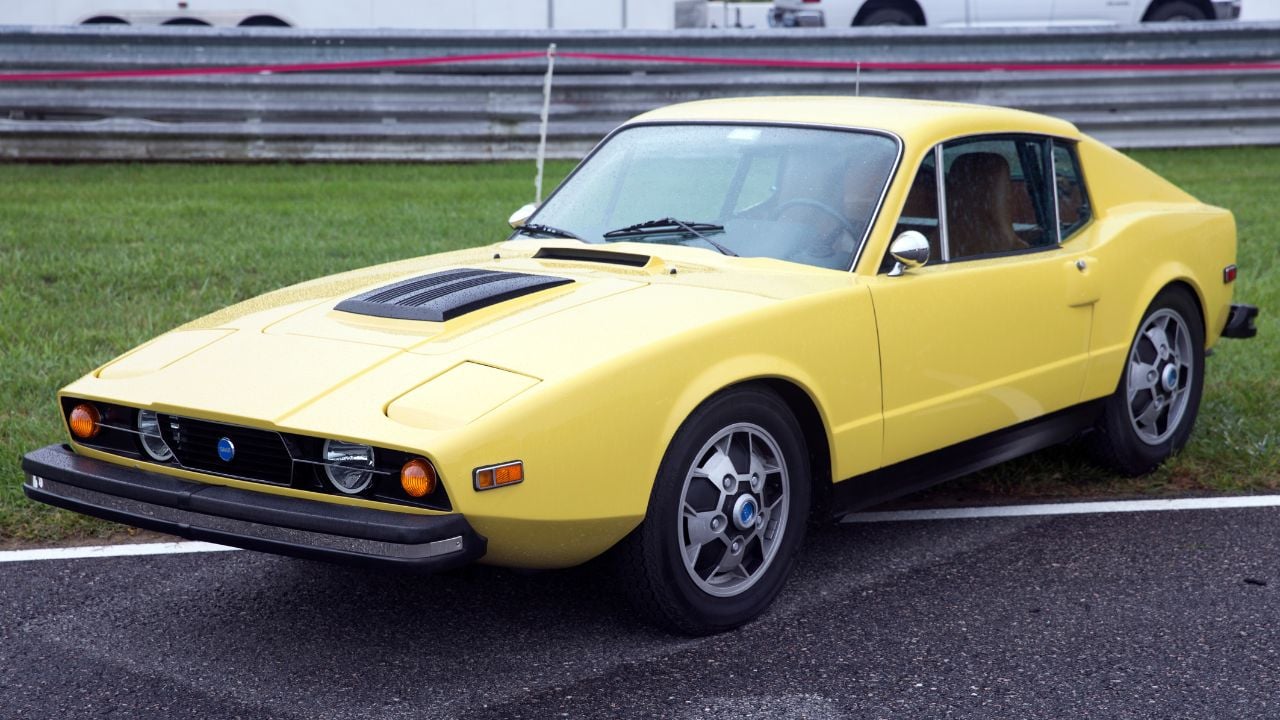
The Saab Sonett III was Saabs take on a small sports car, and it remains one of the most fascinating parts of their story. With its low stance, sleek body, and pop-up headlights, it looked unlike any other Saab. The fiberglass construction kept it light, and the compact size gave it agility. Inside, it carried a minimalist layout that felt focused on the driver.
The Sonett III was playful and spirited, even if it never became a high-volume seller. For fans, it represents Saab’s creativity and willingness to experiment. Today, the Sonett III feels like a collectors dream, combining rarity with charm. Its design has aged beautifully, showing that Saab could build sports cars with real personality. It remains a bright reminder of Saabs willingness to push boundaries and surprise the world.
Saab 9-4X
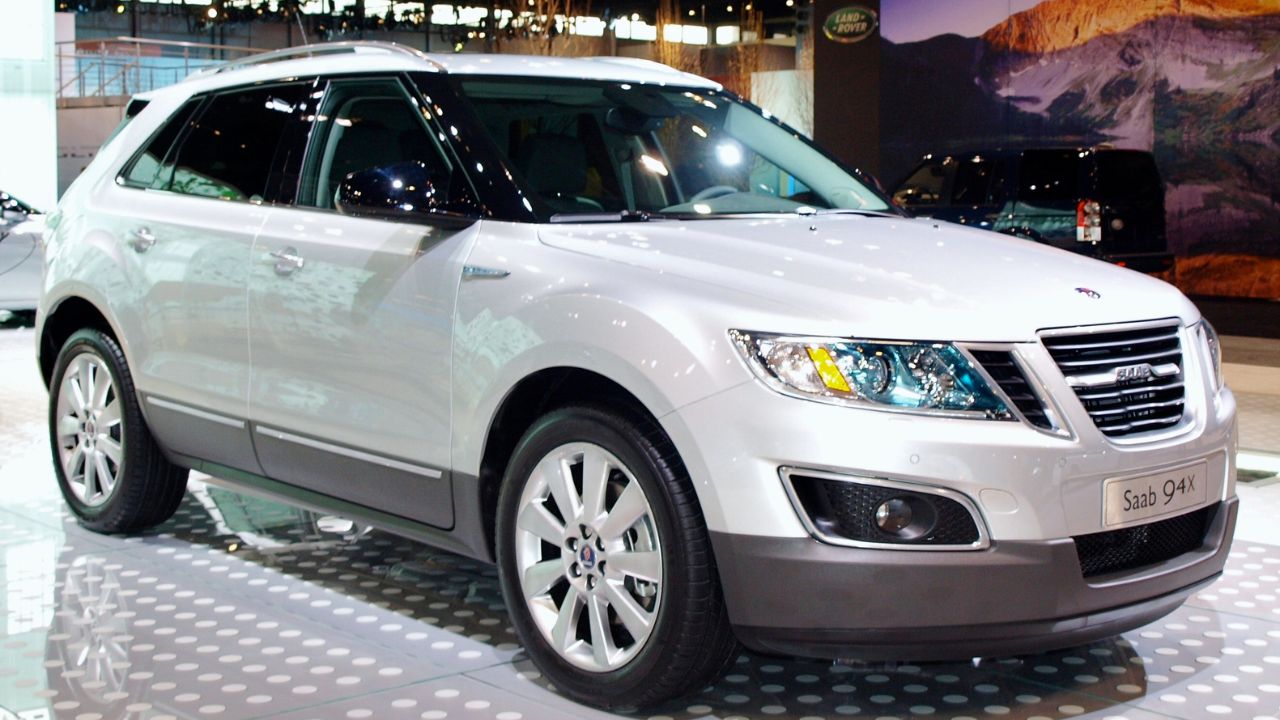
The Saab 9-4X brought the brand into the world of crossovers with style. Built in collaboration with General Motors, it carried a bold look that fit perfectly with Saabs identity. The front fascia showed Saab’s family resemblance, while the body lines gave it a modern SUV feel. Inside, the cockpit-inspired layout remained, with controls angled toward the driver.
The 9-4X offered comfort, practicality, and turbocharged engines that gave it strength on the road. It felt fresh and well-balanced, even though Saabs story was nearing its end. For many fans, the 9-4X represents what could have been if the brand had continued. It was stylish, capable, and true to Saabs heritage. Today it stands as one of the rarest Saab models, a reminder of a brand that always aimed to create something different.
Saab 9-3 Convertible
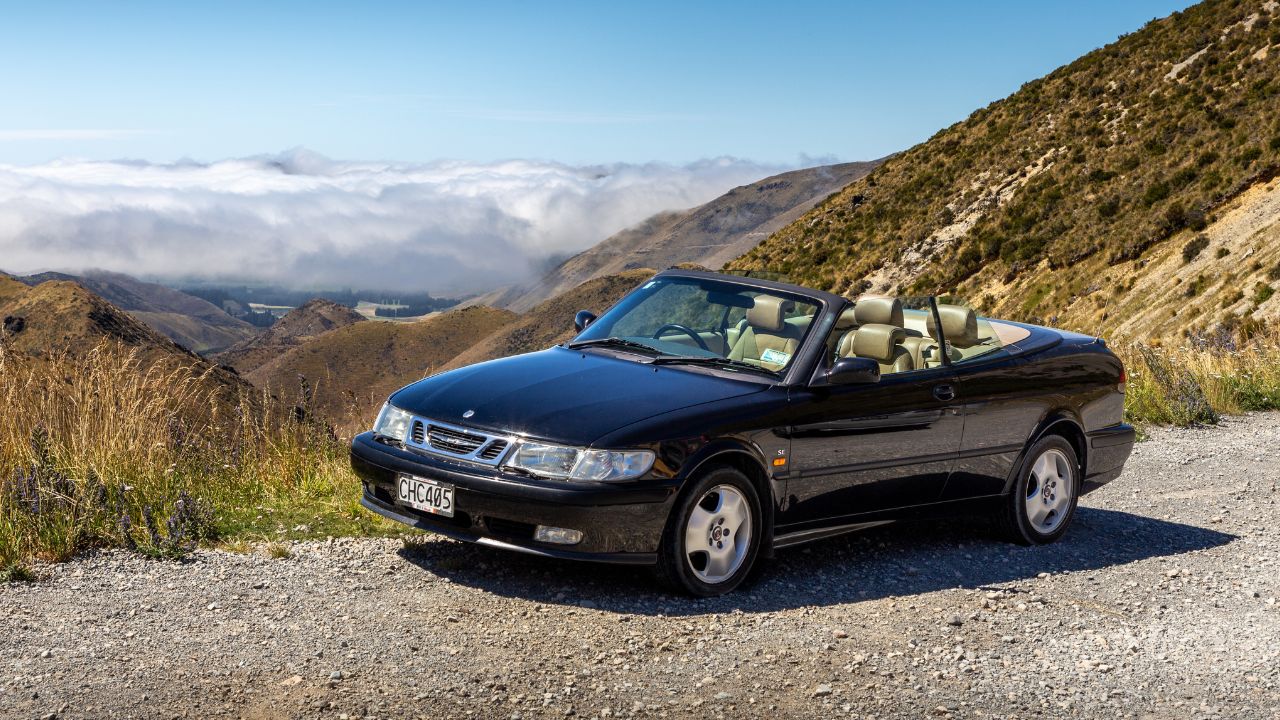
The Saab 9-3 Convertible turned heads with its open-air experience and elegant design. Few convertibles offered the same blend of practicality and joy. The roof folded neatly, creating a sleek profile, while the body carried Saabs familiar strength. Inside, the car offered comfort for four passengers, making it more versatile than many rivals.
The turbocharged engines gave it energy, while the chassis delivered stability even with the top down. Driving one felt like freedom with a Scandinavian twist. It became especially popular in sunny markets, where people appreciated its mix of fun and refinement. The 9-3 Convertible remains one of Saab’s most beloved cars, combining beauty with usability. It aged with elegance and continues to represent the lighter, joyful side of Saabs spirit.
A Final Toast to the Swedish Original
Saab left the automotive stage, but the spirit remains alive in every model they built. These cars show how imagination and individuality create lasting memories. Each one feels like a piece of art crafted with intention. They inspire loyalty because they carry identity in every detail. Saab design continues to look fresh even after decades. Drivers still talk about the comfort of the seats, the thrill of the turbos, and the safety that gave them confidence.
These cars remind us that success is not measured only by size. Saab wrote its own story, and that story still feels meaningful. Would you place one in your driveway if given the chance? Can you picture yourself behind the wheel of a Saab today? The brand may have ended, yet the spirit lingers like a fine whiskey. Smooth, strong, and unforgettable.