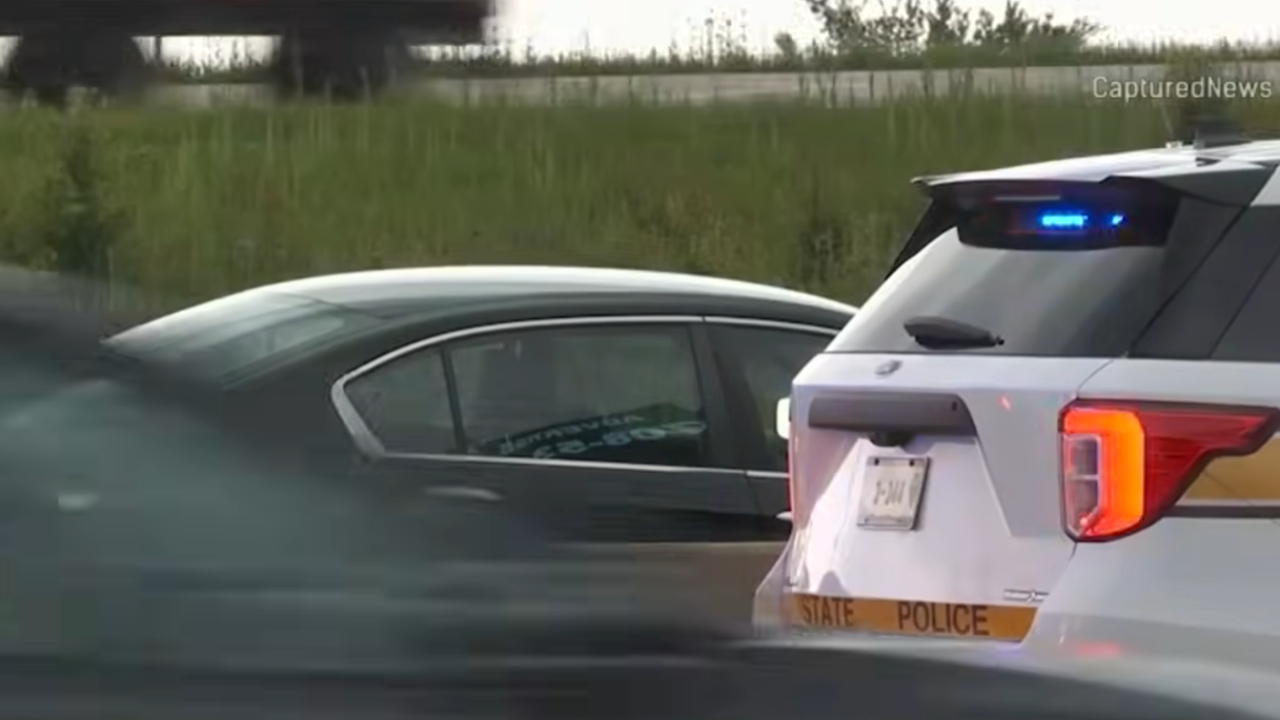
A morning commute on one of Illinois’s busiest stretches of highway ended in tragedy this week when a person changing a flat tire on westbound I-80 was struck and killed by a passing vehicle. The incident happened around 5:30 a.m. near Torrence Avenue in Lansing, forcing authorities to reduce traffic to two lanes for several hours while Illinois State Troopers investigated.
Details remain limited. A preliminary report confirms the victim was in the act of changing a tire when they were hit, but the identity of the motorist and vehicle responsible has not been disclosed. The investigation is ongoing.
It’s a scenario that plays out more often than most drivers realize. Highway shoulders are among the most dangerous places a person can stand, and early-morning hours compound that risk considerably — low light, tired drivers, and high speeds make for a brutal combination.
With summer travel at its peak and more vehicles on the road than any other time of year, AAA and Illinois transportation officials are using this incident as a reminder that knowing what to do when something goes wrong on the highway could be the difference between a bad day and a fatal one.
Pull Over First, Change the Tire Second
The instinct when you hear that familiar thwump-thwump of a flat is to pull over and get it fixed as fast as possible. But AAA says the priority isn’t speed — it’s location.
Getting the vehicle to a safe spot, like an exit ramp or a parking area away from high-speed traffic, matters far more than getting back on the road quickly.
Stay in the Car if You Have to
If you’re stuck on a live highway with nowhere safe to go, AAA’s guidance is straightforward: stay inside the vehicle and call for help. On Illinois Tollways, drivers can dial *999 for non-emergency roadside assistance. For anything life-threatening, 911 is the call.
Sitting in your car feels frustrating, but it puts metal between you and oncoming traffic.
Make Yourself Visible
AAA also recommends keeping flares or reflective triangles in the vehicle at all times.
At highway speeds, other drivers have very little time to react to a stopped car — a few seconds of warning can make all the difference.