While electric cars and self-driving trucks are getting most of the spotlight, one of the most exciting clean fuel experiments is happening somewhere a little more salty: off the coast of Massachusetts.
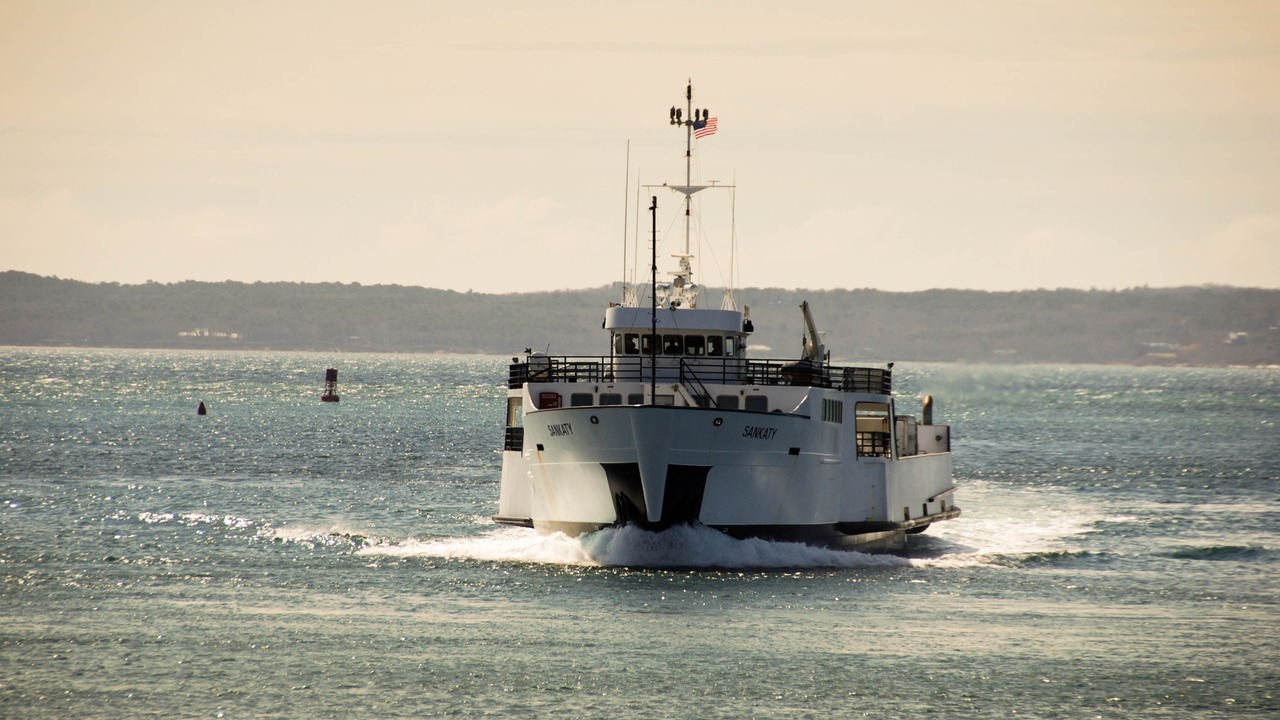
This summer, the Steamship Authority, the ferry service connecting Cape Cod to Martha’s Vineyard and Nantucket, is testing out renewable diesel on its vessels. It’s a move that could help reshape the future of marine fuel and heavy-duty transport alike, both on the water and on the road.
The trial is being powered by Diesel Direct, a major mobile fueling company, and it’s putting renewable diesel through a real-world stress test, right in some of New England’s busiest boating lanes.
What Exactly Is Renewable Diesel?
Let’s clear this up: renewable diesel (specifically R99) isn’t biodiesel, though the names are similar. Biodiesel is blended with regular diesel and can be finicky in cold weather. R99, on the other hand, is a drop-in fuel, meaning it works in any modern diesel engine without modification.
It’s made from things like waste oils, animal fats, and grease; the stuff that would otherwise be thrown away. And the emissions reductions are serious: up to 75% fewer lifecycle greenhouse gases compared to petroleum diesel. That means less smoke out of the stack, and less impact on the air and water around coastal communities.
Why Boaters (and Truckers) Should Pay Attention
While this trial is focused on ferries, the technology has implications far beyond the docks. Renewable diesel is already being used in heavy-duty trucking fleets, including those experimenting with cutting-edge tech like autonomous freight systems.
It’s especially relevant for operations where going fully electric isn’t yet realistic, such as cross-country hauls or marine transport, where power demand is high and charging infrastructure is still catching up.
Cleaner-burning diesel allows fleets to lower their emissions now, without waiting years for infrastructure or battery technology to mature.
Real-World Results, Not Just Lab Talk
One of the standout features of this trial is that it’s not happening in a controlled environment. The Steamship Authority’s ferry using renewable diesel is actively running routes, carrying passengers, vehicles, and cargo between the mainland and the islands.
So far, so good with the early results. Engine performance remains strong, fuel efficiency is steady, and emissions are noticeably cleaner. If the trial continues to deliver, renewable diesel could become a permanent part of the Authority’s fuel supply and potentially a new standard for other marine fleets looking to lower their environmental impact without sacrificing power or reliability.
From ferries to freight trucks, renewable diesel is emerging as a real-world solution for cutting emissions without overhauling entire fleets. For industries that run on diesel, whether across highways or harbors, it’s a chance to go greener now, not just someday.