Driving has an impact on the environment, but the good news is that there are simple, effective ways to reduce that footprint, starting with the car you already drive. While fuel consumption and carbon emissions are part of the equation, you don’t have to wait for an EV to start making a difference.
Whether you’re easing into more eco-friendly habits or just looking for smart ways to drive more efficiently, there are plenty of steps you can take right now. From packing lighter to adjusting your driving style, here are some easy changes that can help you protect the planet every time you hit the road.
The Methodology
While thinking about decreasing cars’ negative impact on the environment, I wanted to check with sources like Washington’s Department of Ecology and the United States Environmental Protection Agency. These organizations truly care about this issue and have poured years into studying the most seemingly mundane things — how much more fuel you might use if you open a window or have tires with low air pressure, for example.
This article is a collection of some of the best tips I saw from such sources, including advice on car maintenance, driving techniques, and lifestyle.
Trip Chain

Driving less is one of the most obvious tips you’ll hear when it comes to reducing your car’s environmental impact, but how can that be done when we have to take the kids to school, drive to work, get groceries, and handle everything else? One way is to plan all of your errands for a single trip.
This will not only reduce your emissions while driving, but also when starting your car’s engine. According to a study by Science Direct, cold starting your car’s engine accounts for up to 80% of car-related air pollutants. Basically, starting your car up for every errand is a huge problem compared to starting up your warm engine between each errand.
Car Pool

If you aren’t able to work from home, you can reduce your car’s environmental impact by having everyone take turns carpooling. Just make sure the co-workers you plan a carpooling group with live near each other to avoid driving longer routes.
You should also consider the types of vehicles everyone is driving. For example, SUVs with a V8 will have a more negative impact on the environment than compact cars due to increased emissions, according to Engine Builder Mag.
Clean Your Car
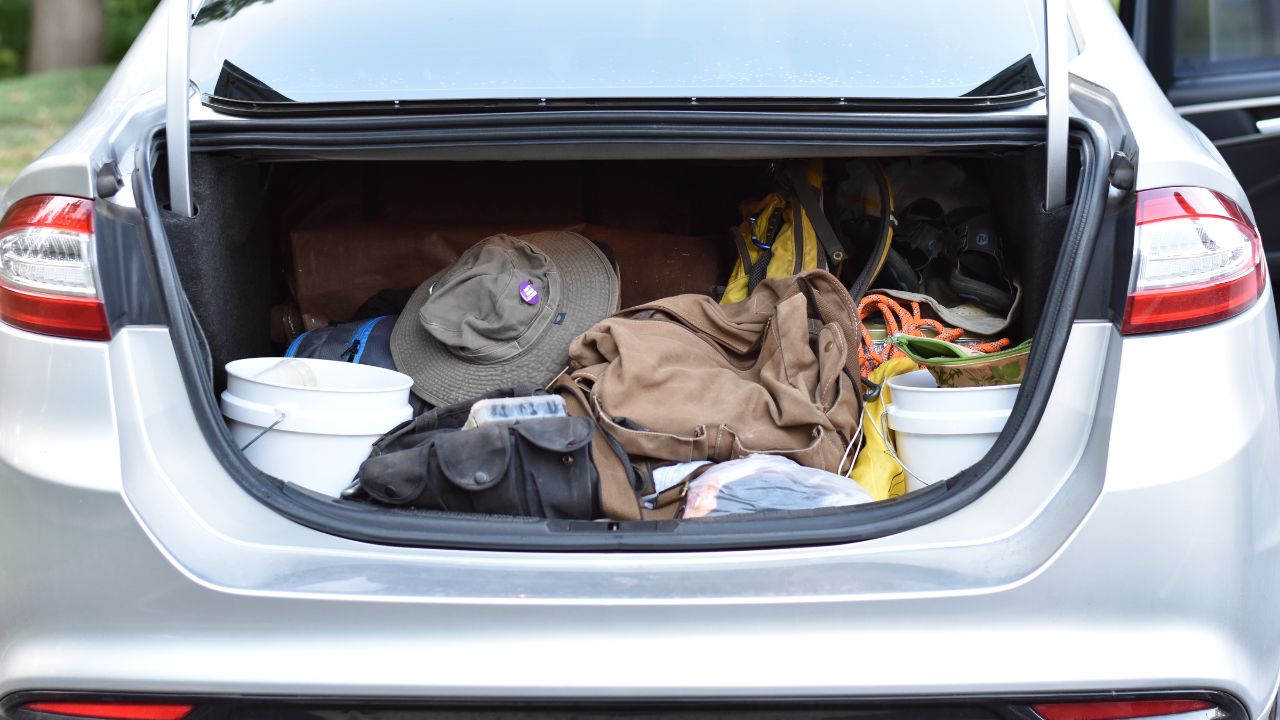
I’m guilty of this myself, so don’t feel bad — but clean out your trunk! The less stuff that’s in your car, the lighter it is, and the less fuel it will use. And that means less emissions!
According to Green Cap, a mass increase of 220 pounds can increase your emissions by up to 1,433 pounds of carbon dioxide due to your vehicle’s increased energy demand. Who knew my pile of board games and extra clothes would be that dangerous…
Avoid Aggressive Driving

The most burnt rubber and fuel I’ve ever smelled (and seen) were the times I’ve gone to drifting competitions. While most people are not drifting in their dailies, you should still be watching out for how you’re driving.
The Natural Resource Defense Council advises against speeding if you want to reduce carbon emissions per mile. The average should be around 35 to 65 miles per hour. If you are going 80 to 90 mph, the engine strain will lead to more carbon emissions. This also means slowly rolling off a green light instead of flooring the throttle.
Don’t Drive Slow Either

So there’s a catch — you can’t drive slow, either. The NRDC also reported that driving below 25 miles per hour has “very high carbon emissions per mile.” If you’re below 15 mph, emissions rise from 0.7 pounds of carbon dioxide per mile to 1.2 pounds.
This means it’s best to avoid routes with heavy traffic. Sitting in traffic will increase your emissions significantly, so start looking into alternative routes to work or home that won’t force you to drive as slowly.
Don’t Idle

It may seem like it’s worse for the environment to start up your engine again, but if your car is already warmed up, it’s actually better to just shut your car off rather than sit with the engine on. For example, if you are dropping off or picking someone up, you should shut off your car while you wait.
According to the Environmental Protection Agency, you can burn up to 0.08 gallons of gas per 15 minutes spent idling. This can add up to a lot of gas used and a lot of extra emissions when you aren’t even getting anywhere. Keep the engine off or keep it moving (preferably over 25 mph).
Minimize Aerodynamic Drag
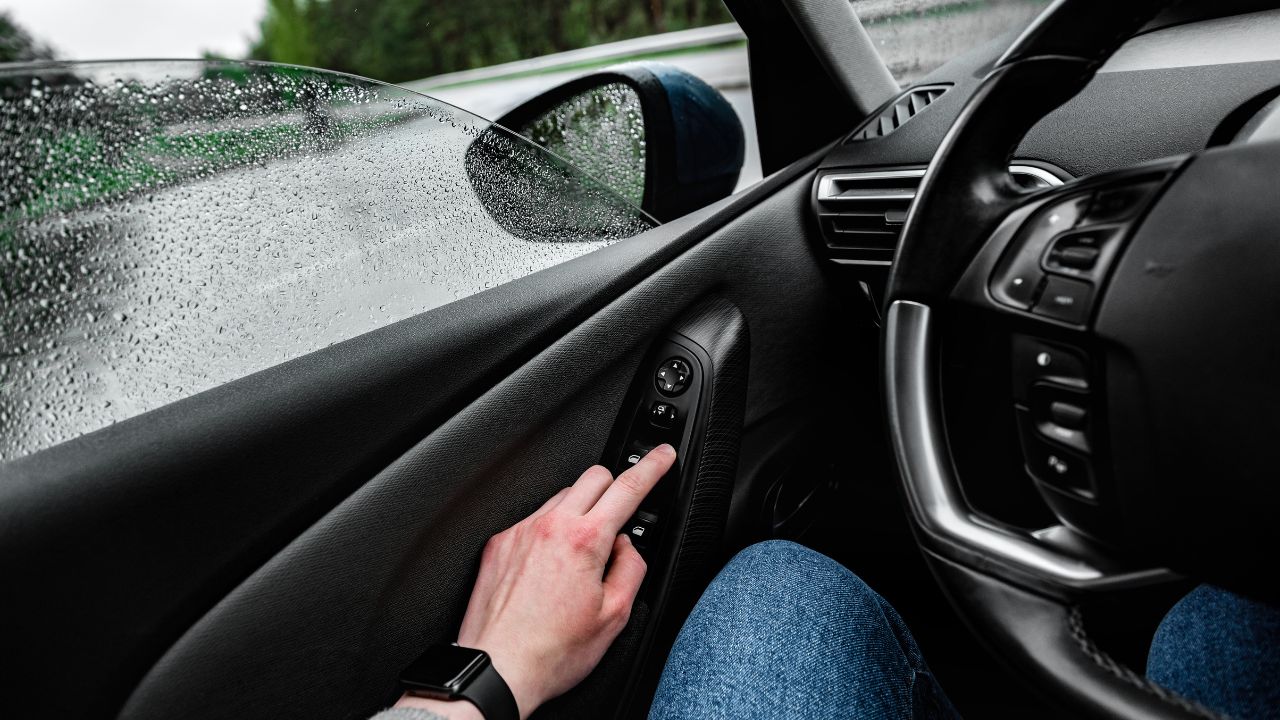
Increased air resistance means an increase in fuel consumption. Depending on the amount of air resistance, you could be looking at up to 20% more fuel consumption, according to the Society of Automotive Engineers, which means more emissions released into the environment.
Opening your windows and adding extra features to your car, like a roof rack, will decrease your car’s aerodynamics. Keep your windows closed as often as possible to be more fuel-efficient.
But Don’t Use AC

There’s another catch, however. Closing your windows will help reduce drag, but turning on your air conditioning is also an issue. The Society of Automotive Engineers, or SAE, ran some experiments and found that vehicles consumed more fuel with the AC on.
Air conditioning significantly reduces car mileage, sometimes up to 20%. Carvaidya reported that it can take between 0.2 and 0.5 liters of gas to keep the AC on for an hour. Since open windows produce aerodynamic drag, it’s recommended that you drive with the AC on at higher speeds but keep the windows open at lower speeds.
Maintain Your Car
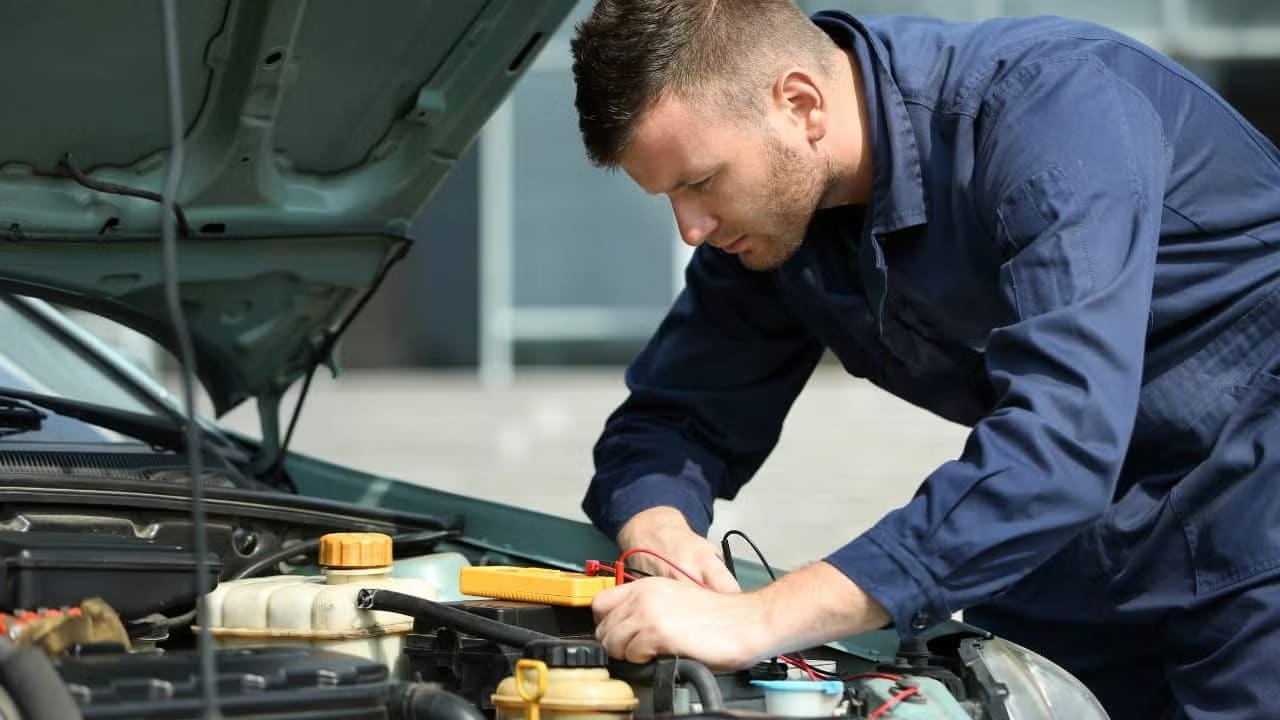
Making sure your vehicle is properly maintained can help decrease your emissions. Schedule regular oil changes and change air filters to make sure you’re not using more fuel than needed. This is because a well-maintained vehicle uses gas more efficiently in most cases.
When changing your car’s oil, make sure it’s the correct grade. This is another way to make sure your car is running as efficiently as possible.
Check Tire Pressure

Regularly check your car’s tire pressure — Family Handyman recommends doing it once per month, and CarTalk adds that it should be done when there’s a 10-degree change in ambient temperature. Low tire pressure can increase your fuel consumption and carbon dioxide emissions, which could make the frequent checks worth it.
The UC Berkeley Rausser College of Natural Resources concluded in a study that tires at the right pressure can reduce emissions by 10% to 25% due to less friction, which translates to lower fuel consumption.
Greener Driving Without Going Electric

If you want to keep driving your car while reducing your impact on the environment, that’s possible. Drive at a consistent speed, only use AC on the highway, keep your tires inflated, and take the junk out of your car.
Following the tips in this article can instantly reduce your carbon dioxide emissions, certainly more so than buying a brand-new EV every couple of years while pretending to save the planet.