Ford CEO Jim Farley used the company’s fourth quarter 2025 earnings call to tease “exciting plans for Europe,” signaling that Ford is preparing another serious push in a market where it has lost ground over the last few years.
That message quickly turned into something more concrete for the people who actually sell the cars.
European dealers were subsequently briefed that new Ford passenger vehicles are expected to arrive as soon as 2027, effectively reinforcing the strategic partnership Ford and Renault announced in December.
Why Ford Needs A Reset In Europe
Ford of Europe has been squeezed by a combination of product decisions and market shifts. The discontinuation of mainstream nameplates like Fiesta and Focus left Ford without core entries in the most important volume segments, while its remaining internal combustion lineup leaned heavily on crossovers.
At the same time, Ford’s more recent EV push in Europe was built around Volkswagen’s MEB architecture, producing models like the Explorer EV and Capri, but the strategy has not delivered the kind of momentum Ford needs to regain relevance with everyday buyers.
The larger issue is pricing and positioning. Europe’s small car market has become intensely competitive, with strong offerings from established European brands and aggressively priced newcomers. Ford’s lineup has lacked affordable, emotionally appealing entry points that used to bring people into showrooms and keep them loyal to the brand across multiple vehicle purchases.
The Renault Partnership And The Fast Track To 2027
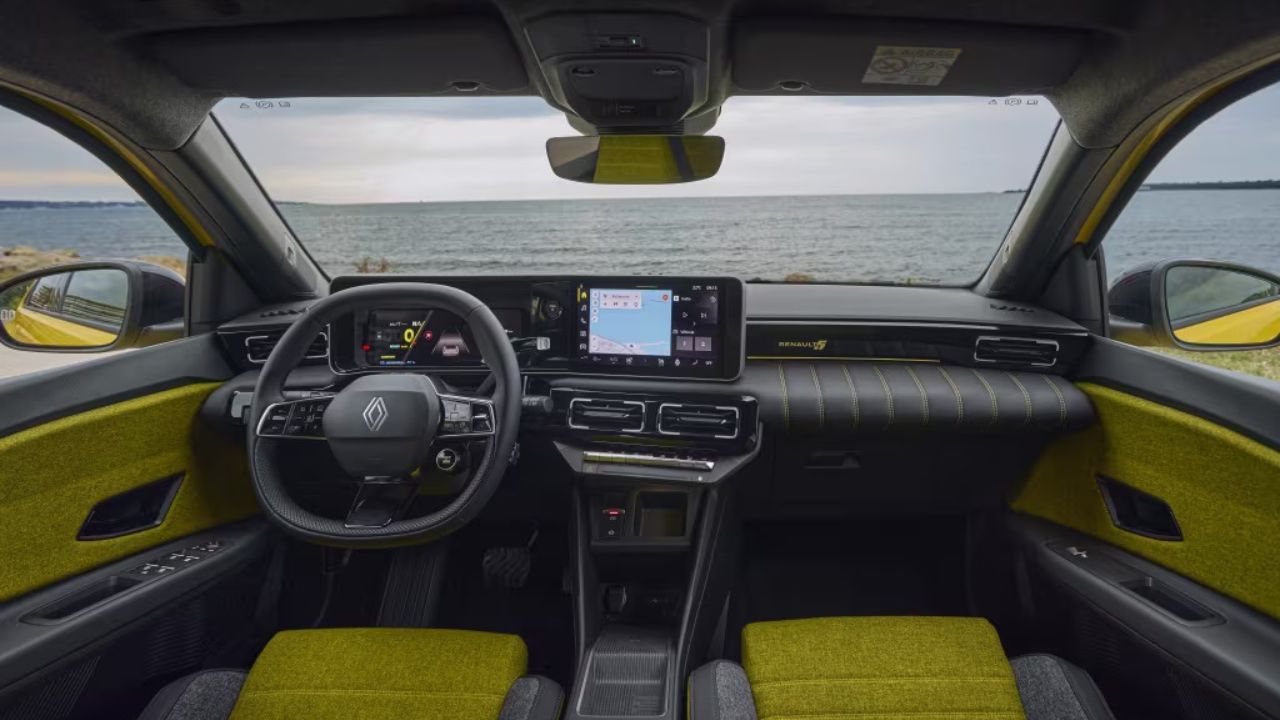
Ford’s new plan leans on Renault’s recent strength in small EV development and manufacturing. Under the deal, Ford will launch two Ford-branded electric passenger vehicles in Europe that will be engineered and built by Renault, using Renault Group’s Ampere-based small EV platform strategy.
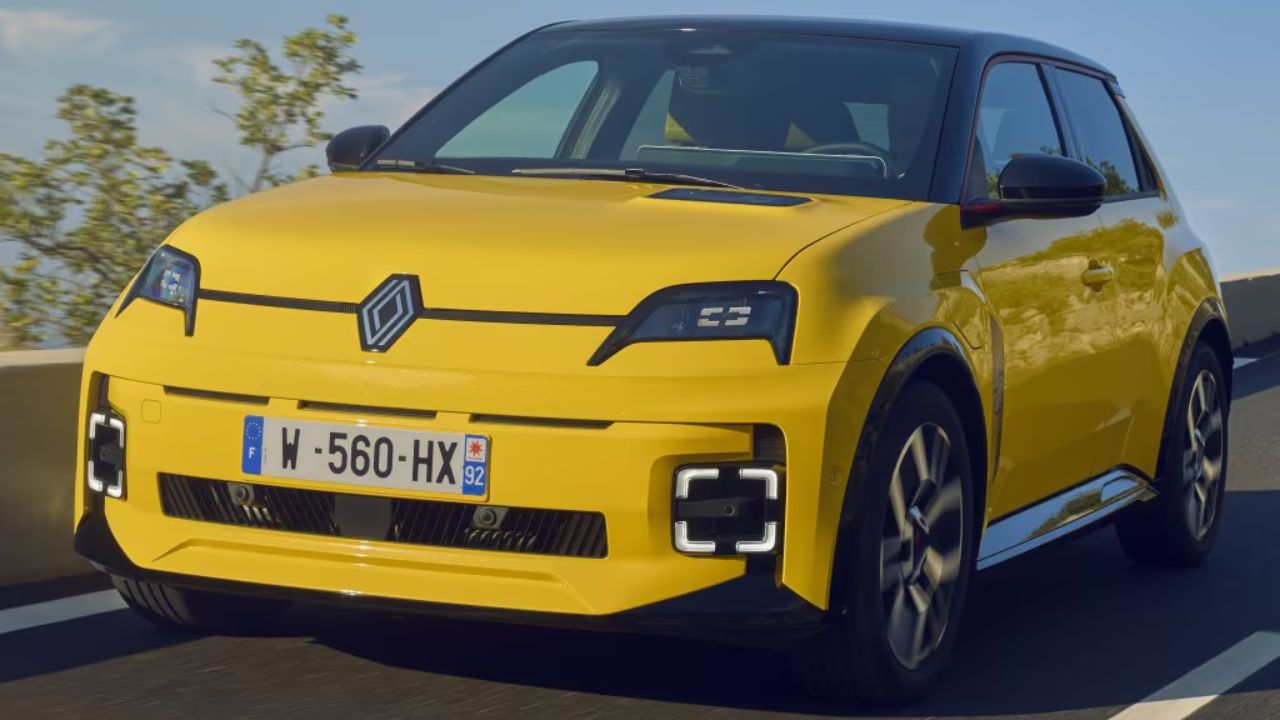
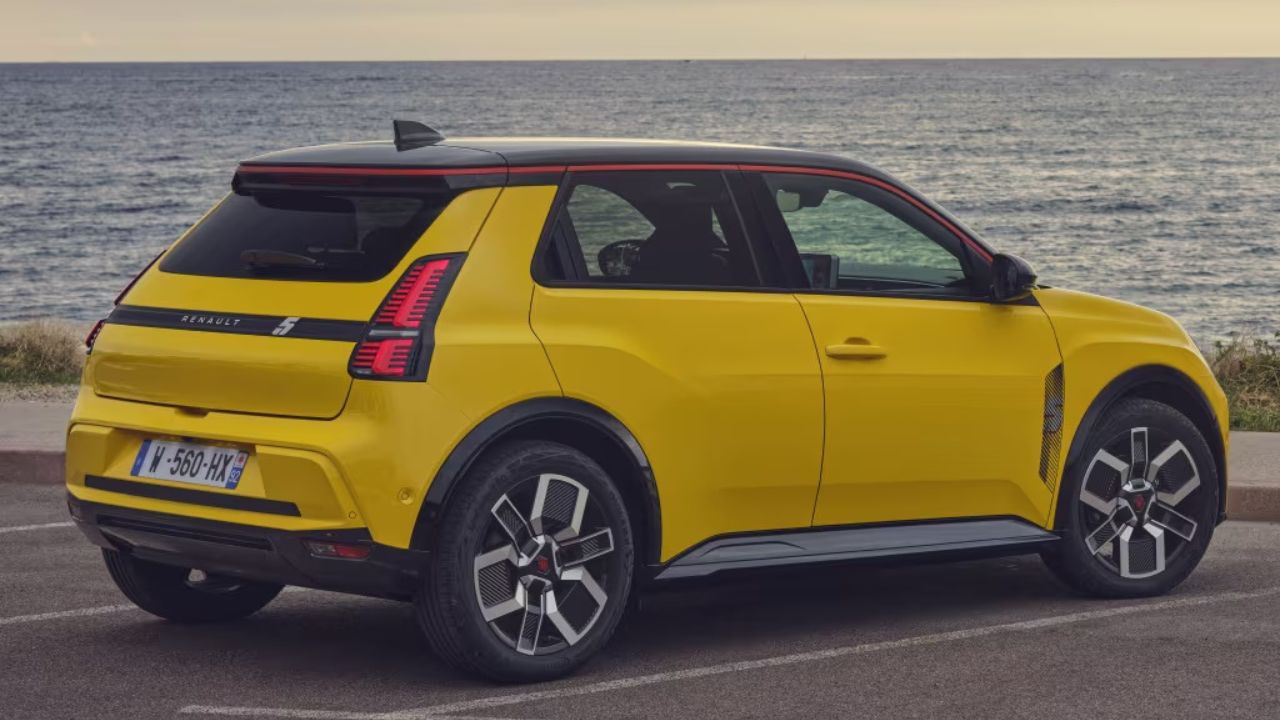
Industry coverage suggests the first of these models targets the B segment and is widely viewed as a spiritual successor to the Fiesta, with packaging and hardware closely aligned with the Renault 5’s underpinnings. A second model is expected to follow, with speculation pointing to a small crossover-style vehicle that mirrors the market space Renault is targeting with its newer small EVs.
Production is expected to take place in France at Renault facilities, which underlines how quickly the program is being put into motion.
What “Ford DNA” Likely Means Here
Ford is expected to apply its own design identity and tuning, but the short runway between announcement and launch suggests the first wave will be pragmatic rather than unique from the ground up.
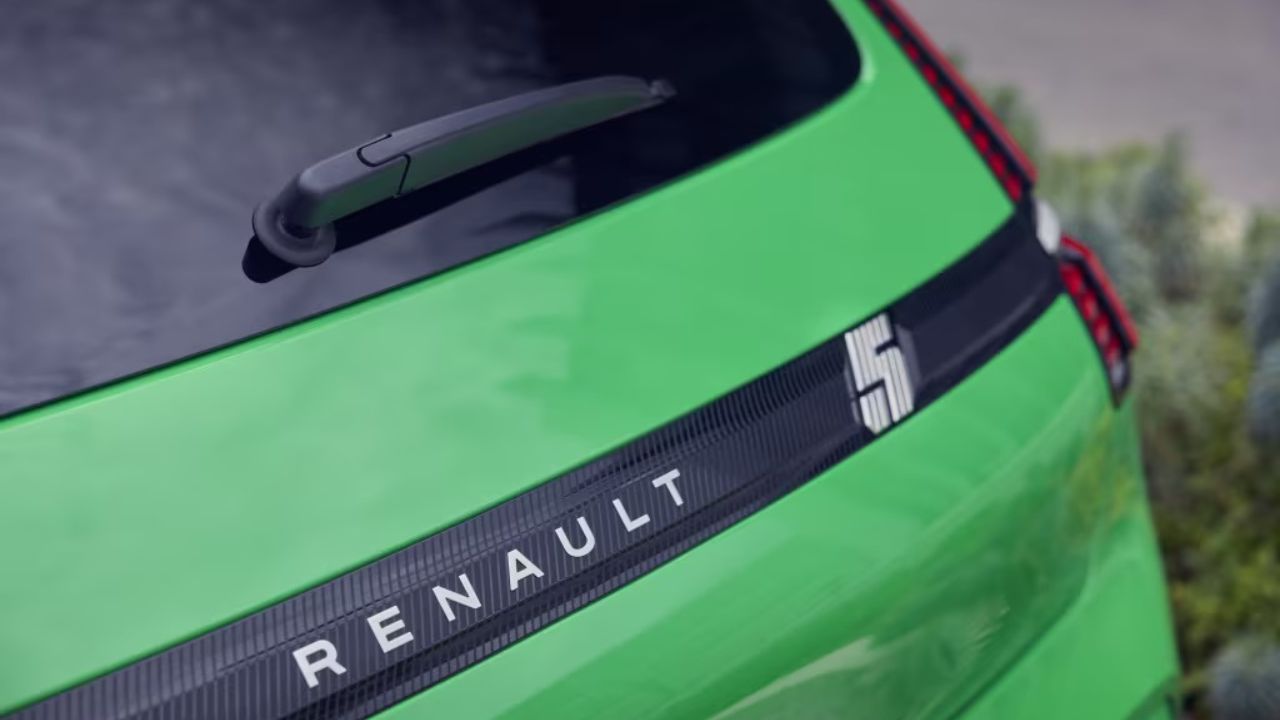
In practice, that often means Ford-specific front and rear styling, lighting signatures, interior trim, software interface choices, and chassis calibration that aims to deliver a familiar Ford driving feel, while the underlying platform and core systems remain Renault-sourced.
Longer term, there is room for deeper differentiation if Ford continues investing in the partnership and uses the platform as a foundation rather than a finished template.
The Deal Runs Both Ways With Commercial Vehicles
This is not a one-way relationship. In exchange for access to Renault’s small EV architecture and production capacity, Ford will open parts of its European light commercial vehicle program to Renault for potential joint development and manufacturing of selected models. That matters because Ford remains a major player in European commercial vans, and it gives the partnership a more balanced industrial logic than a simple rebadge arrangement.
A High Stakes 2027 Moment
For Ford, 2027 is shaping up to be more than a product launch window. It is a test of whether the brand can return with the right mix of affordability, recognizable identity, and modern EV execution in a market that no longer gives legacy automakers extra time to figure it out.
If the Renault-based Fords arrive with competitive pricing, solid range, and a user experience that feels current, Farley’s “exciting plans for Europe” could finally translate into real showroom traction. If not, Europe risks becoming another chapter in a long transition period where Ford’s passenger car presence continues to shrink.
This article originally appeared on Autorepublika.com and has been republished with permission by Guessing Headlights. AI-assisted translation was used, followed by human editing and review.