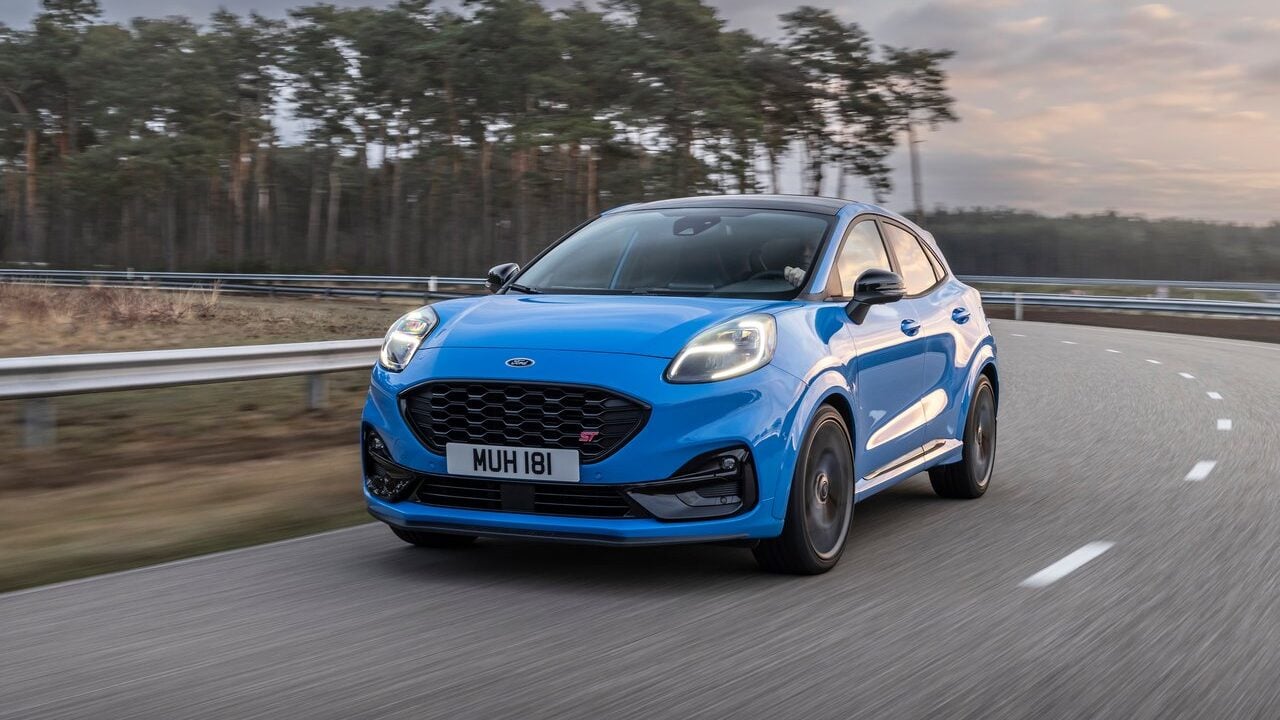

The idea of bringing the Ford Puma to the United States has often been the subject of heated conversations among fans of small crossover. The compact SUV has become one of Ford’s biggest success stories in Europe, consistently ranking among the continent’s bestselling cars.
But according to Ford’s top executive, the popular crossover would likely struggle if it ever made the trip across the Atlantic.
In a wild-ranging interview with Car and Driver recently, Ford Motor Company CEO Jim Farley suggested that the Puma looks good in Europe but would face the same challenges that once plagued another Ford model in the U.S. market.
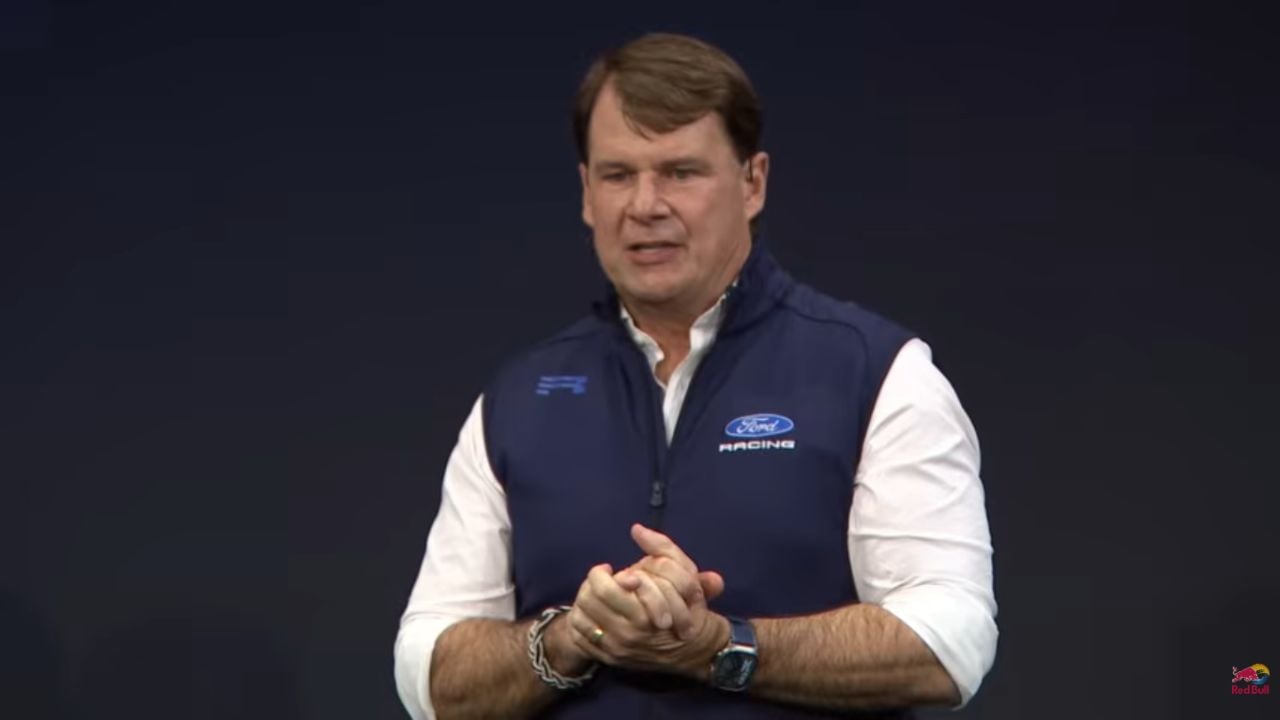
In his view, the European crossover could follow a path similar to the now discontinued Ford Flex.
Farley made the comments while discussing the realities of selling smaller vehicles in the American market. While the Puma has proven extremely popular overseas, he believes its size and price positioning would make it difficult to gain widespread traction in the United States.
Europe’s Darling
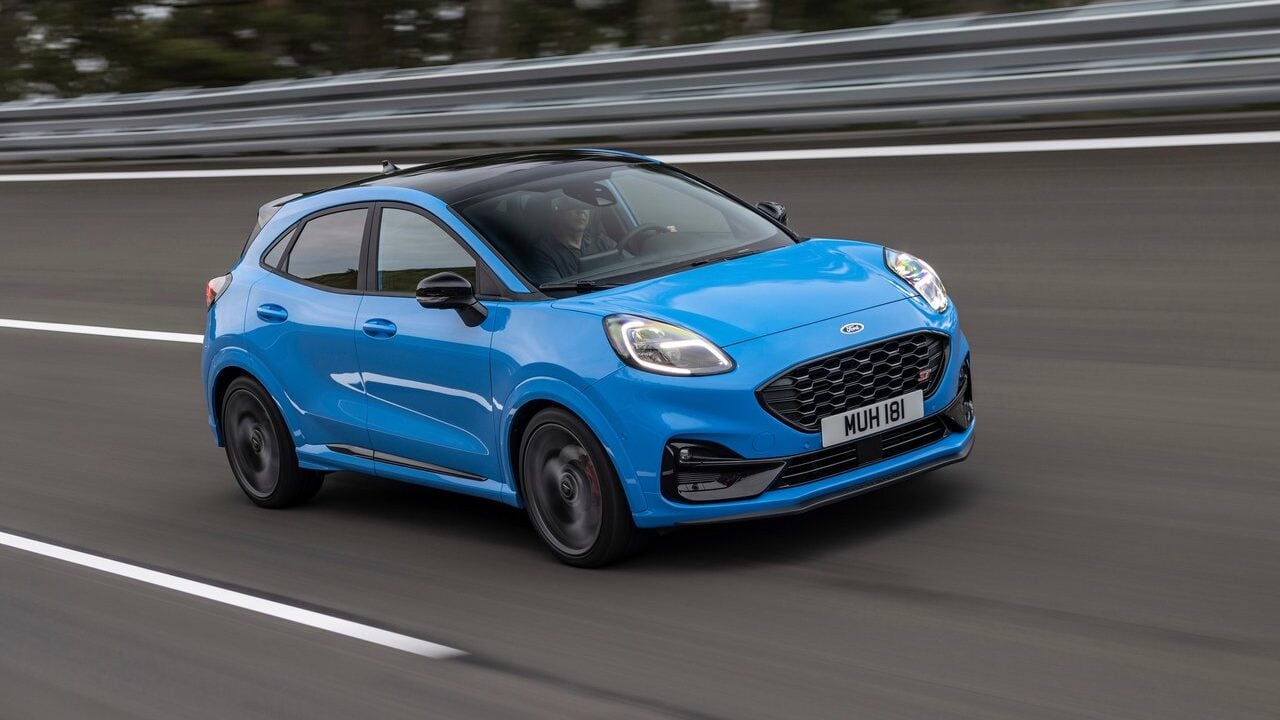
The Ford Puma is currently a star performer in Ford’s European lineup. Built primarily for urban buyers, the compact crossover blends sporty styling with efficient powertrains and practical features.
It rides on a small platform that allows for agile handling while still offering useful cargo space thanks to clever storage solutions such as Ford’s “MegaBox” underfloor compartment in the rear.
The model has been especially successful in the United Kingdom and across Europe. In several recent years it has ranked among the region’s top selling passenger vehicles.
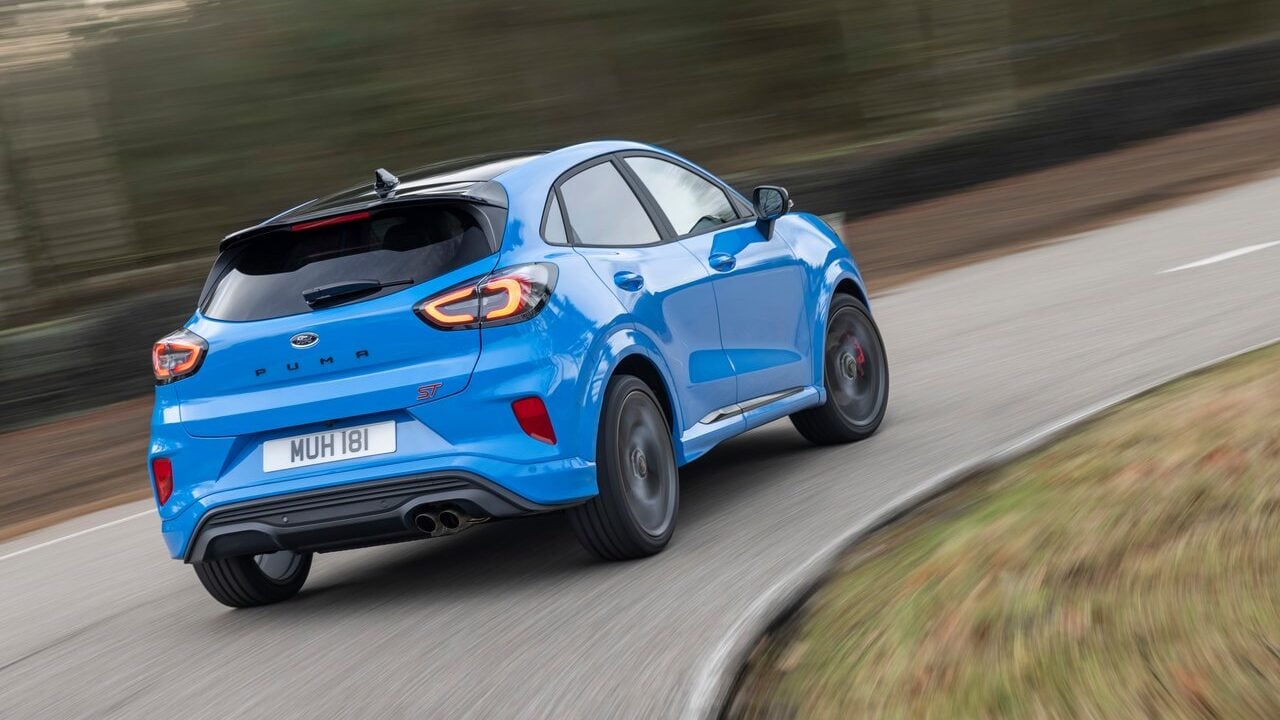
It is blessed with a strong appealing to drivers who want the versatility of an SUV without the bulk and fuel consumption of larger models.
That success has led many in the US to ask an obvious question. If the Puma is performing so well in Europe, why not sell it in the United States where crossovers dominate the market?
The American Paradox: Bigger Is Better
Farley’s answer comes down to a fundamental difference between American and European buying habits.
American consumers generally gravitate toward larger vehicles that offer more interior space, higher towing capacity, and a commanding road presence. Smaller crossovers can sell in the U.S., but the segment is extremely competitive and often produces thinner profit margins for automakers.
In that environment, Ford has been focusing its North American strategy on vehicles that generate stronger returns. This approach has already reshaped the company’s lineup over the past decade.
Traditional passenger cars like the Ford Focus and Ford Fiesta disappeared from the U.S. market as Ford pivoted toward trucks, SUVs, and performance-oriented models.
Today, the company’s American showroom is dominated by big-boned cars like the Ford F-150 pickup and the adventure-focused Ford Bronco Sport. Even the brand’s smaller and more affordable option, the Ford Maverick pickup, is still considerably larger and more rugged than the Puma.
The Ghost of the Ford Flex
Farley believes that the Puma could find itself in the same situation that once affected the Flex.

The boxy crossover wagon built a loyal fan base after its debut in 2009, but sales never reached the level Ford needed to justify keeping it in production.
Despite its unique design and devoted following, the Flex quietly exited the lineup after the 2019 model year.
According to Farley, a similar story could play out with the Puma if Ford attempted to sell it in America. The vehicle might attract a small but passionate audience yet struggle to reach the mass market volumes required to support a full-scale launch.
That reality does not diminish the Puma’s success overseas. In Europe, where tighter city streets and higher fuel prices favor smaller vehicles, the crossover has become a key pillar of Ford’s lineup.
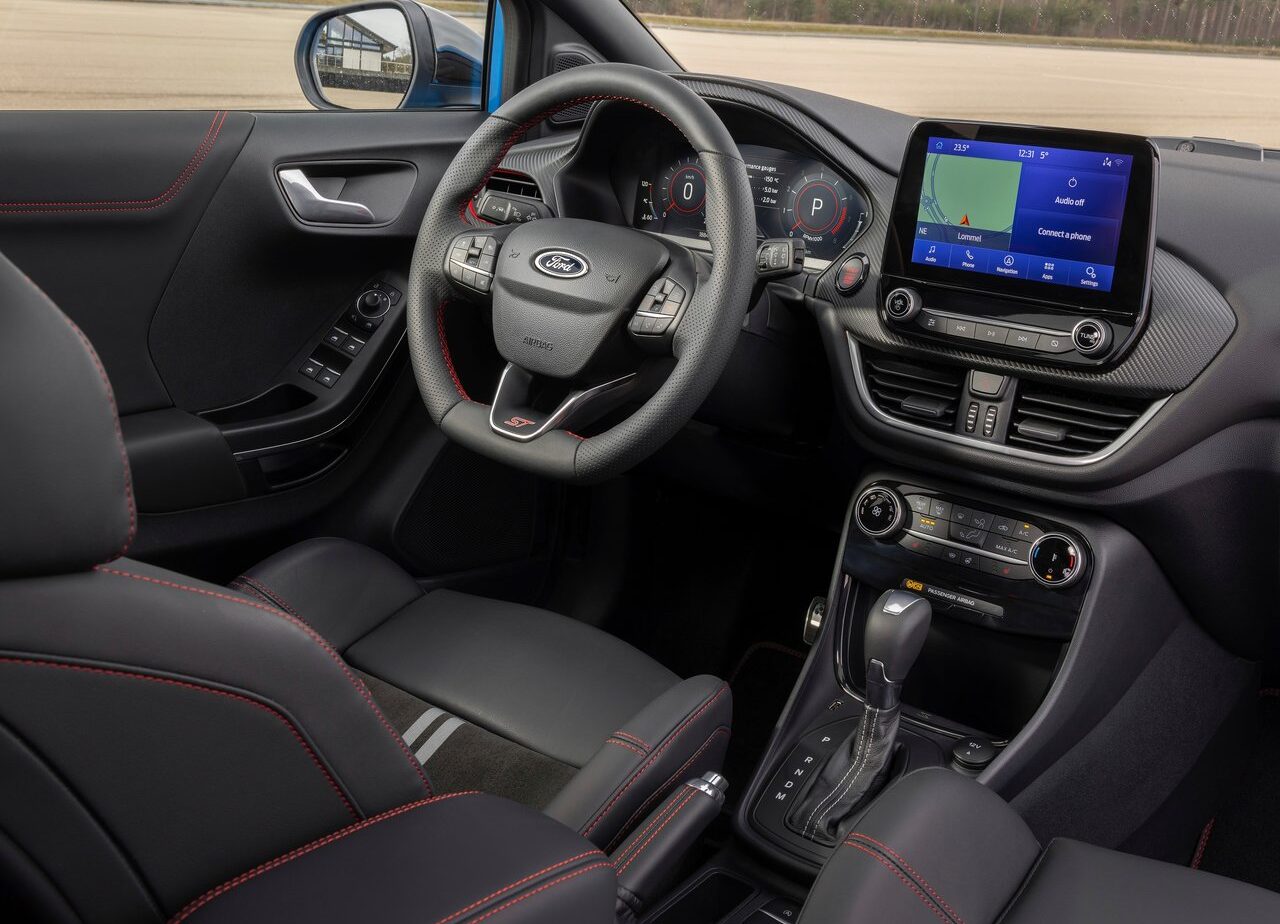
That said, Farley’s skepticism might be underestimating shifting tastes: urban buyers and younger consumers increasingly seek stylish, fuel-efficient crossovers, and the Puma’s sporty design and tech-forward cabin could appeal to them.
If marketed as a chic alternative to bulkier SUVs, it might carve out a loyal following. Ultimately, success would hinge on positioning—either the Puma adapts to U.S. preferences, or it risks repeating the Flex’s underwhelming story.
Ultimately, Americans hoping to see the Puma at local dealerships will have to manage the disappointment. While the model continues to thrive across Europe, Ford’s leadership is convinced that the compact crossover’s strengths simply align better with markets outside the United States.
Sources: Car and Driver