
Muhammad Ali’s famous words “Float like a butterfly, sting like a bee” were meant for boxing, but they apply just as well to cars.
The greatest performance cars strive towards a great power-to-weight figure, giving you the best of both worlds. Unfortunately, one of the two factors outweighs (pun intended) the other.
At face value, it might seem that horsepower is the alpha and omega. After all, when it comes to the drag strip, the one with the most muscle usually wins.
However, everything changes if you add some twists and turns into the mix. Large performance brutes like the Dodge Challenger SRT Hellcat and the new BMW M5 struggle when faced with tight corners, while lightweight sports cars like the Honda Civic Type R and Ariel Atom prove that a diet makes all the difference.
The Snowball Effect Of Chasing More Power
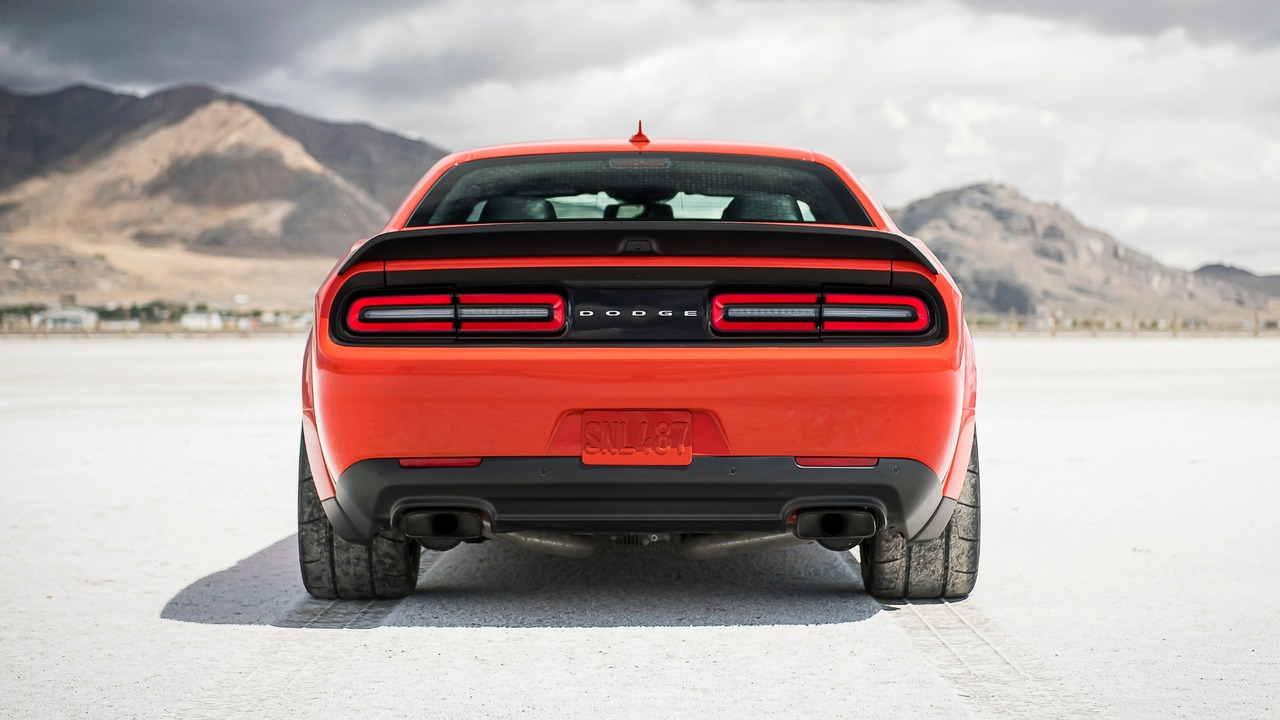
More power almost always means more weight, especially in cases where gargantuan engines play a role. But why is that? More powerful cars demand more robust transmissions, bigger brakes, wider tires, and more electronics to keep everything under control.
Take the 2015 Dodge Challenger SRT Hellcat, for example. Its supercharged 6.2-liter V8 makes 707 horsepower, and it has a curb weight around 4,488 lbs—mass that then demands beefier brakes, tires, and hardware, compounding the cycle.
Weight reduction, on the other hand, has very few downsides. Shedding weight is significantly cheaper than adding power. I mean, removing your spare wheel, ditching seats you don’t use, and removing unnecessary sound insulation is free. The only downside is that your interior might be less cozy, but that’s a small price to pay for superiority.
The Effect Of Power And Lightness On Speed And Handling
Let me be the first to admit that no matter how much (or little) a car weighs, horsepower can always make up for it in a straight line. A great example hereof is the new 717-hp BMW M5 that can hit 0–60 mph in about 3.0 seconds in instrumented testing, despite a curb weight of roughly 5,251 lbs. In the corners, however, critics claim the new G90 M5’s weight can’t be disguised, and it struggles more than it should.
This phenomenon isn’t exclusive to the M5. Newton’s First Law tells us that heavier objects resist changes in motion. In other words, heavier cars require more force to change directions, whereas lighter cars maintain higher speeds through corners and have shorter braking distances. As a result, lightweight cars excel around tight tracks.
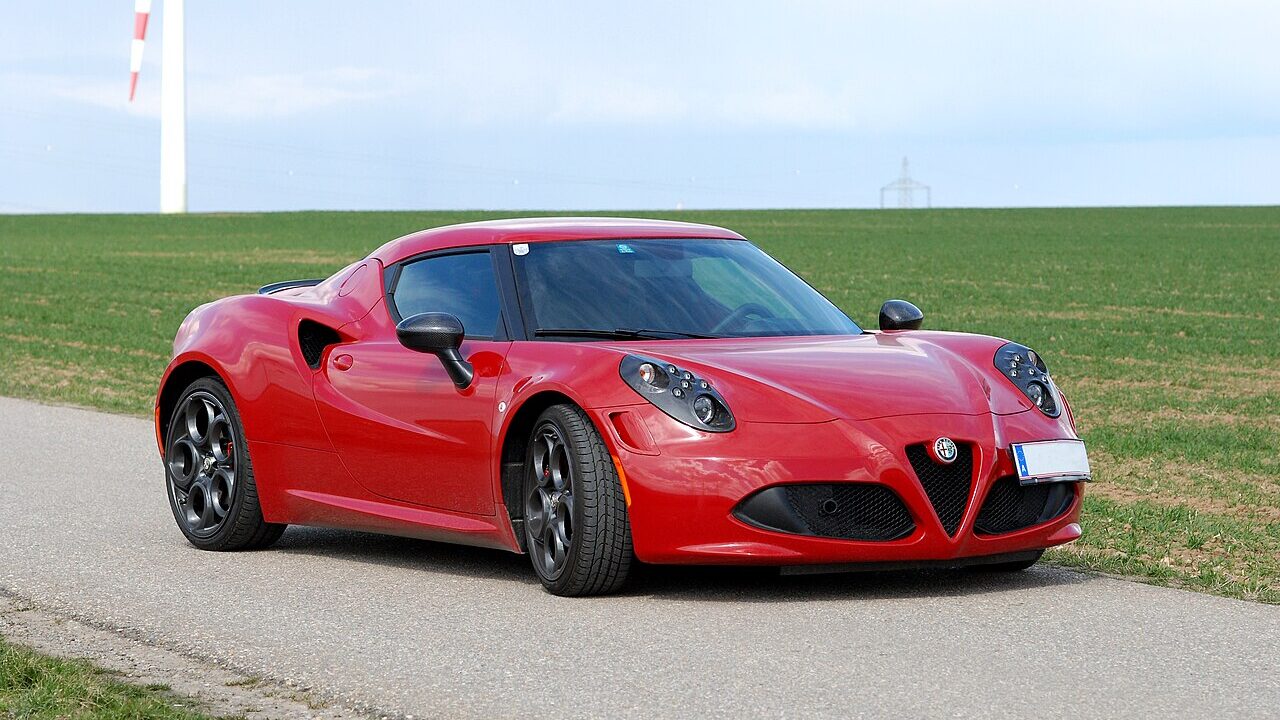
The Alfa Romeo 4C proves the point. Despite only having 237 hp available, it weighs about the same as a Mazda Miata at 2,487 lbs. Alfa Romeo claimed the 4C set the fastest Nürburgring lap for a production car under 250 hp, posting an 8:04. That’s faster than the more powerful and heavier S550 Ford Mustang GT.
The Role Of Space Age Tech In Weight-Saving
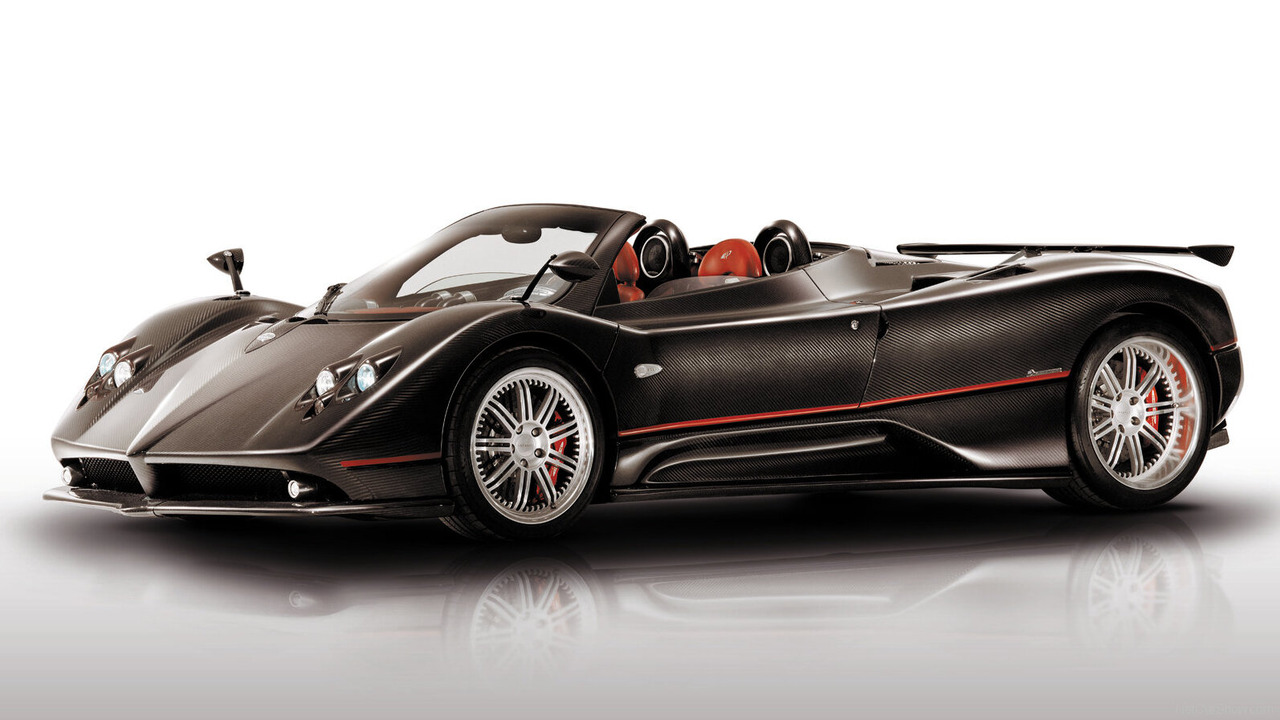
Back in the day, a car’s weight was dictated by its size. But thanks to aluminum, titanium, magnesium, and most importantly, carbon fiber, even big cars can keep their weight down. The Pagani Zonda Roadster F lists a dry weight of about 2,712 lb (1,230 kg), showing how far carbon fiber can push mass downward. Its main rival, the Lamborghini Diablo SV, weighed significantly more, at 3,373 lbs.
Today, the Gordon Murray Automotive T.50 takes this to an extreme. Its naturally aspirated 3.9-liter V12 weighs about 392 lbs (178 kg), and the car lists a dry weight of about 2,110 lbs (957 kg). Gordon Murray Automotive quotes a power-to-weight figure of 672 PS per tonne (roughly 663 hp per tonne).
The Testament Of The BMW M5
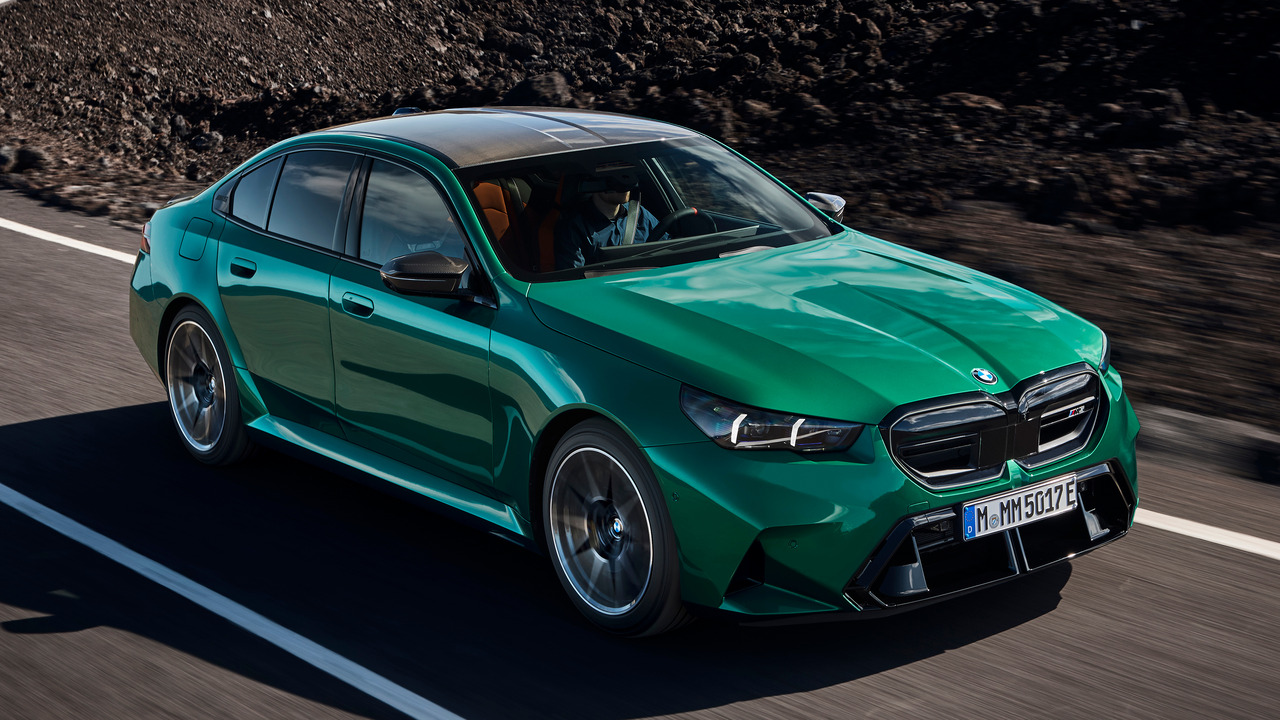
By no means is the G90 BMW M5 a slow car, it reaches 60 mph in 3.12 seconds. However, compared to its predecessor, the F90 M5, which was 1,000 lbs lighter and had 100 horsepower less, the G90 proved to be slower in both a straight line and around corners.
To further demonstrate how big an impact even 100 lbs makes, I draw your attention to the BMW M5 CS. Despite being about 230 lbs lighter than the M5 Competition and making 626 hp vs 617 hp, it lapped the Nürburgring in 7:29.57 versus 7:35.90, about 6.3 seconds quicker.
Why Power Is Not Always The Answer
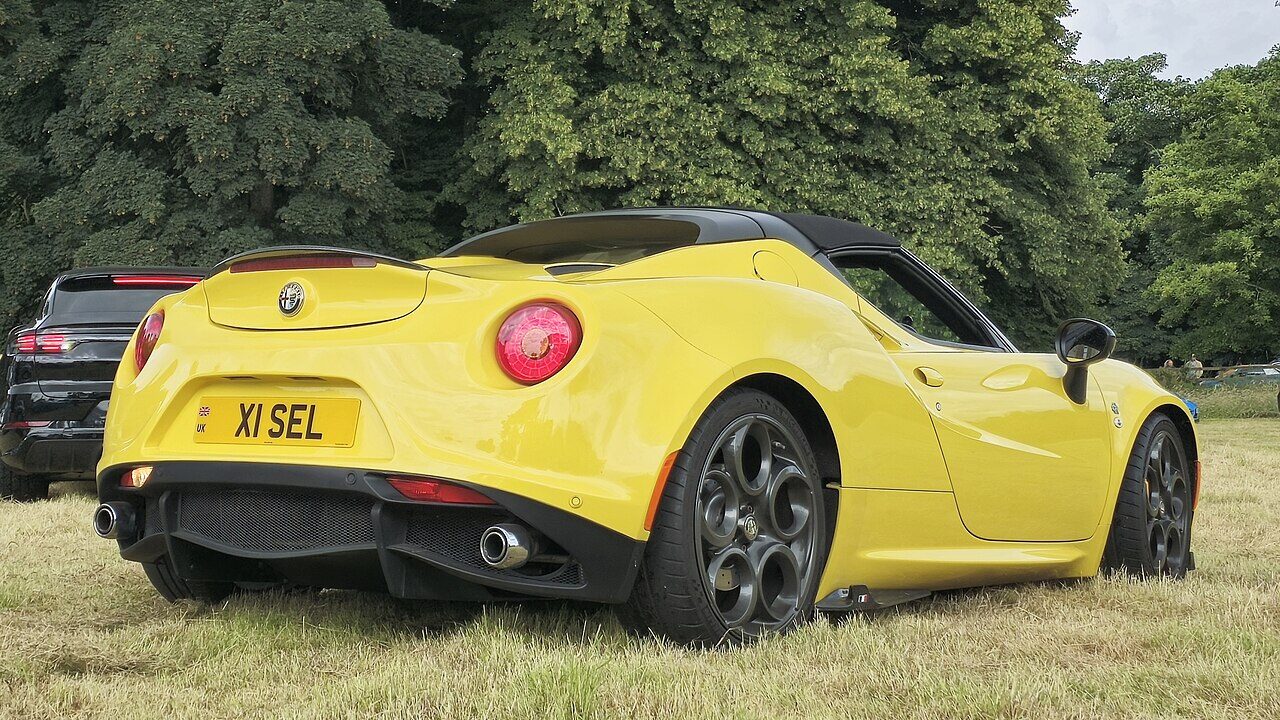
Having a boatload of power and creating clouds of smoke is fun, but lightweight cars deliver the best driving experience. More weight equals longer braking distances, slower cornering speeds, and a horrid battle against inertia.
That’s why driving enthusiasts adore featherlight performance cars like the Alfa Romeo 4C, GMA T.50, and, of course, the Mazda MX-5 Miata.
The best performance cars aren’t just gluttonous powerhouses. Rather, they’re the ones who find the perfect balance between power and weight, always favoring the latter. After all, there’s no such thing as too little weight, only too much power.