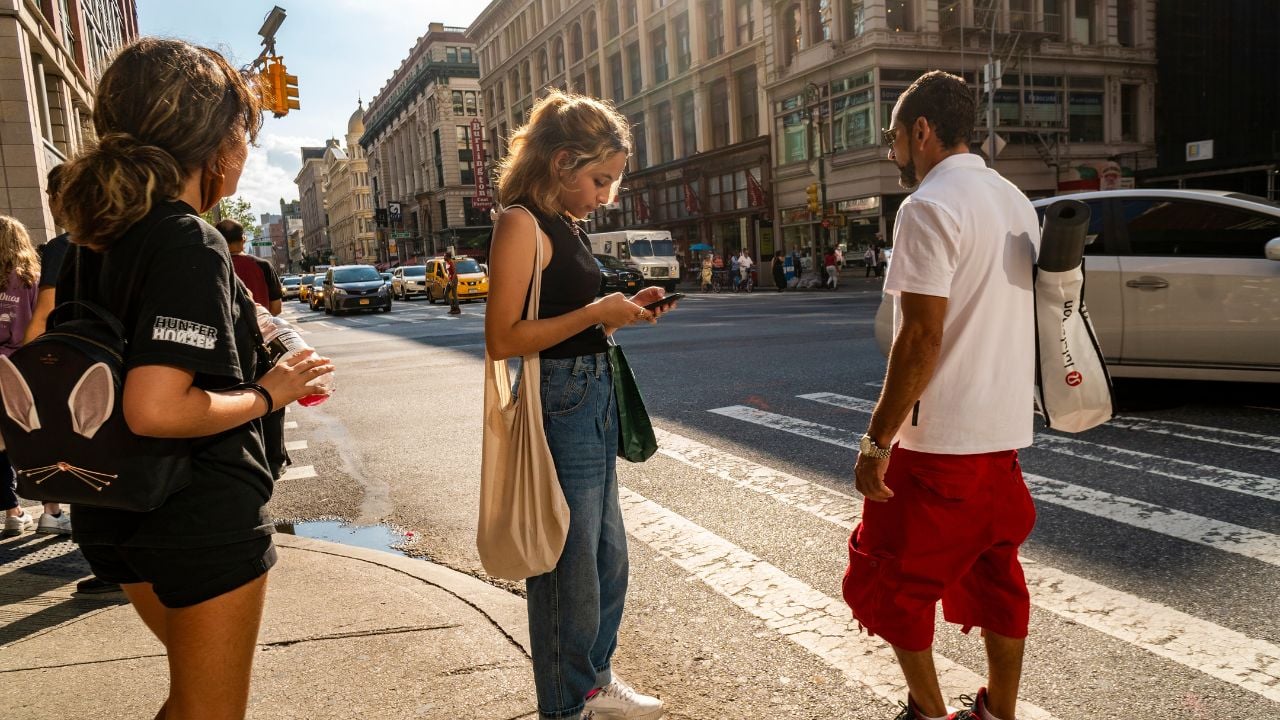
For years, pedestrian safety in the U.S. has been heading in the wrong direction. Fatalities climbed steadily, and despite advances in vehicle safety tech, more people on foot were being killed than at any point in recent memory.
That’s why the latest data feels almost out of place. For the first time in a long time, the numbers are actually moving in the right direction, and not by a small margin either.
According to new data from the Governors Highway Safety Association (GHSA), pedestrian deaths dropped by roughly 11% in the first half of 2025. That’s the largest decline the organization has recorded in 15 years of tracking these figures.
The most interesting thing about this improvement is that it’s not being driven by some breakthrough safety technology or revolutionary policy change. Oh no, it’s something far more basic.
The Numbers Finally Move In The Right Direction
Between January and June 2025, 3,024 pedestrians were killed on U.S. roads. That’s still an average of 16 deaths per day, which puts into perspective just how serious the problem remains.
Even so, the drop of 371 fewer deaths compared to the same period in 2024 is significant. It’s also the biggest year-over-year improvement since the GHSA began collecting this data.
There’s still a long way to go, though. Pedestrian fatalities remain slightly higher than pre-pandemic levels, meaning the broader safety problem hasn’t been solved, it’s just easing off after a sharp spike.
The Pandemic Created A Dangerous Perfect Storm
To understand why things are improving now, you have to go back a few years. During the pandemic, roads emptied out almost overnight as people stayed home and traffic volumes dropped dramatically.
That might sound like it should have made roads safer, but the opposite happened. With fewer cars around, drivers had more space and fewer consequences for risky behavior, which led to more speeding, distraction, and reckless driving.
At the same time, more people were walking or cycling just to get out of the house. That combination of more vulnerable road users and more dangerous driving created a perfect storm that pushed pedestrian deaths to record highs.
More Traffic Is Actually Slowing Drivers Down
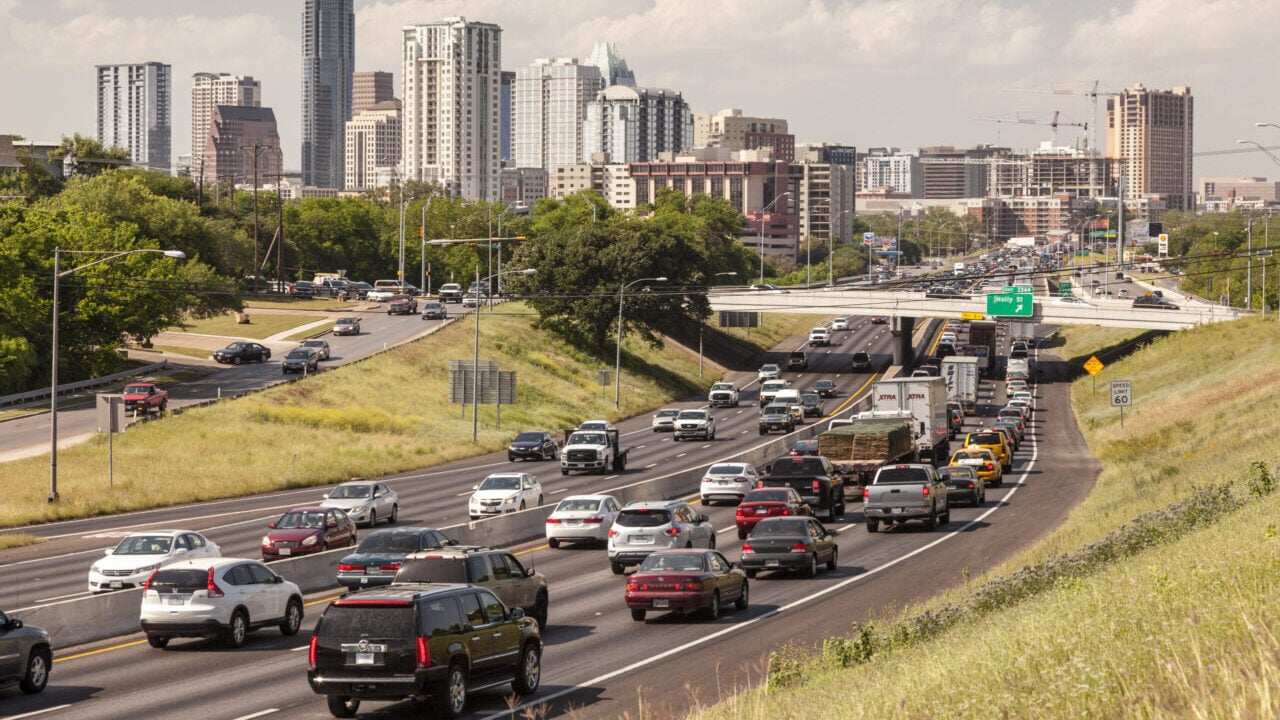
Here’s the twist: one of the main reasons fatalities are dropping now is that traffic has returned. As cities fill back up and commuting increases, roads are becoming more congested again.
Congestion may be frustrating, but it naturally limits speed. When traffic is dense, it becomes much harder for drivers to engage in the kind of high-speed, high-risk behavior that leads to fatal accidents.
In simple terms, more cars on the road can mean slower cars on the road, and slower speeds give both drivers and pedestrians more time to react, which can make the difference between a close call and a fatal crash.
Other Factors Are Starting To Help
Traffic patterns aren’t the only thing changing. Cities and states have also been investing more in pedestrian safety, even if those changes haven’t grabbed headlines.
Measures like improved crosswalk visibility, better lighting, traffic calming strategies, and stricter speed enforcement are all contributing to safer streets. These improvements don’t always feel dramatic, but they add up over time.
There’s also been a growing focus on data-driven safety planning. By identifying high-risk areas and behaviors, authorities can target interventions more effectively rather than relying on broad, one-size-fits-all solutions.
Why The Progress Might Not Last
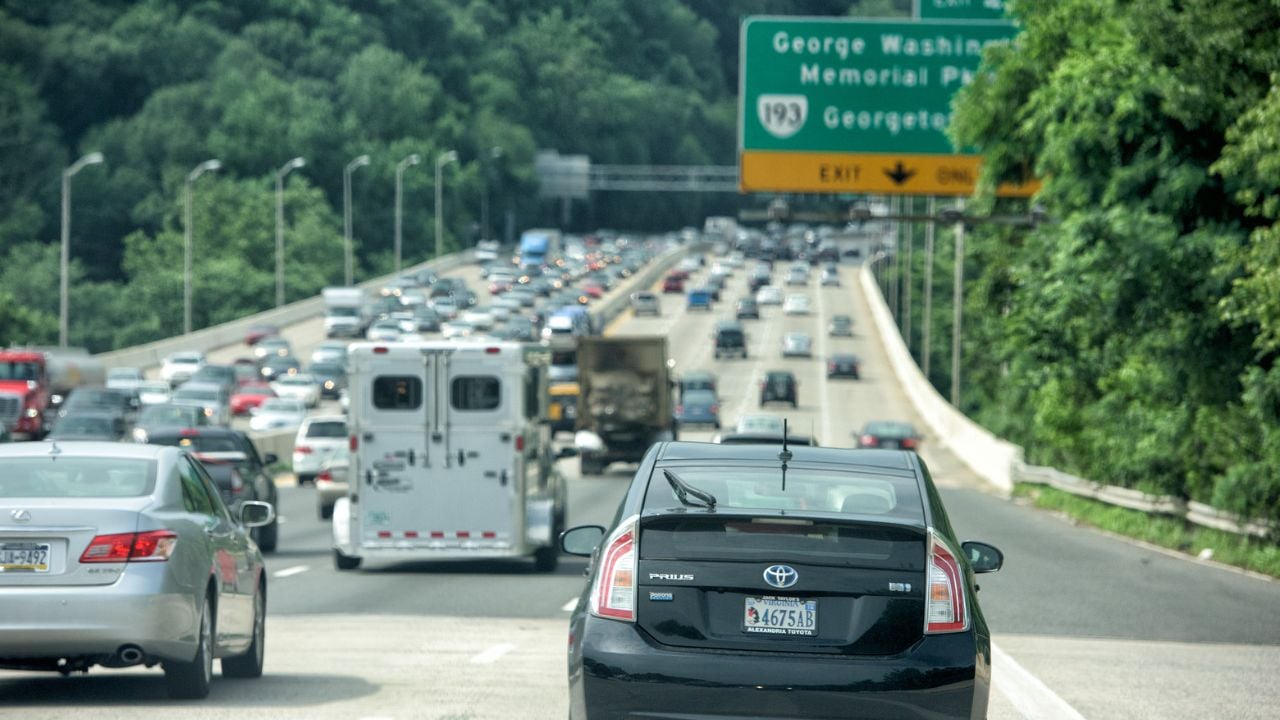
Despite the encouraging numbers, there are reasons to be cautious. Economic pressures are already starting to influence how people move around, and that could shift the trend again.
Rising fuel prices, higher insurance costs, and the overall cost of owning a car are pushing more people toward walking or public transport. In urban areas, that might not be a problem, but in rural regions, it can be dangerous.
Many rural roads lack sidewalks, proper lighting, or safe crossing points. When pedestrians are forced to share space with fast-moving vehicles on narrow roads, the risk of fatal accidents increases dramatically.
A Step Forward, Not A Solution
The recent drop in pedestrian deaths is good news, but it’s not a victory lap moment. It’s more like a correction after an unusually dangerous period rather than a permanent fix.
The underlying issues, such as vehicle size, road design, driver behavior, and infrastructure gaps, are still very much in play. Without continued effort, the numbers could easily start climbing again.