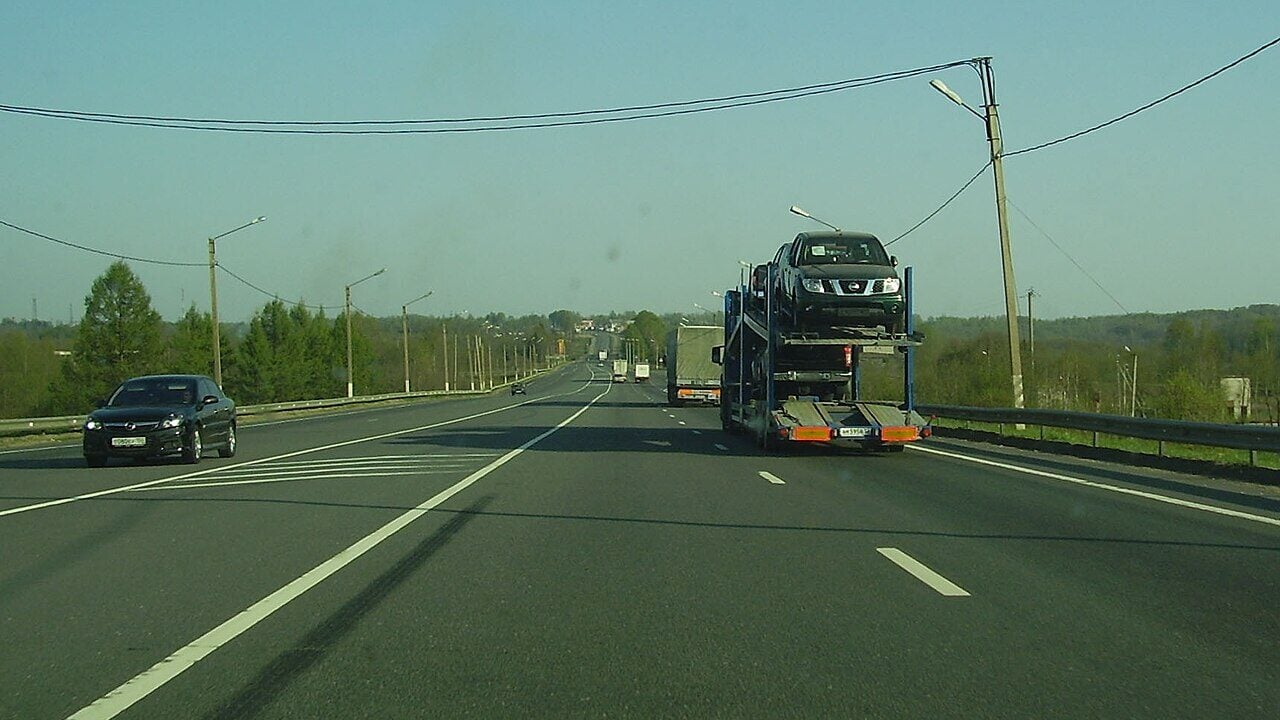

If geopolitics had a scrapyard, this story would be parked right at the front, engine still running.
According to a report by Deutsche Welle, Russia is considering a law that would allow cars stolen in the European Union to be legally registered inside its borders. Yes, you read that correctly. A vehicle could disappear from a quiet street in Berlin and, after a scenic detour, reappear in Moscow with paperwork that says everything is perfectly fine.
The proposal, reportedly drafted by Russia’s Interior Ministry at the direction of President Vladimir Putin, is framed in bureaucratic calm. The goal, officials say, is to protect the interests of car owners whose vehicles have been “listed as wanted on the initiative of hostile states.”
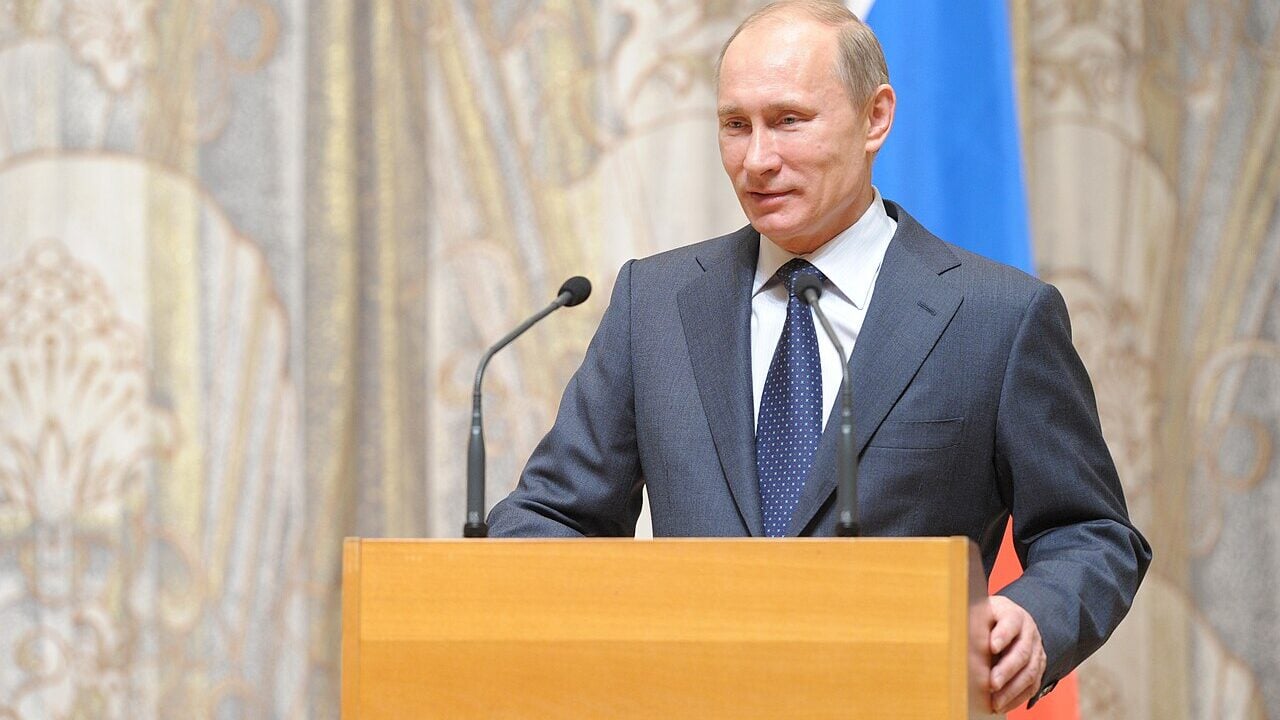
That phrase alone does a lot of heavy lifting. It transforms a stolen BMW into a misunderstood traveler caught in a geopolitical disagreement.
That phrase — “listed as wanted on the initiative of hostile states” — is deliberately bureaucratic and political. Let’s say a car stolen in Poland. Their law enforcement would enter the car into international databases (like Interpol) as a “wanted” vehicle. That way, if it shows up elsewhere, authorities know it’s stolen property.
A Legal Loophole Disguised as Policy
What Russia has now come up with is a legal environment where instead of acknowledging that the car was stolen, the draft law says the vehicle is “wanted” only because hostile states (meaning EU countries) put it on that list.
In other words, Russia is treating the theft designation not as a neutral law‑enforcement fact, but as a political act by adversaries. Essentially, if you can nip a car from any “hostile state” and successfully move it to Russia, it’s all good.
And that list of “hostile states” is pretty lengthy, from the United States of America to the UK, Canada, Norway, France, Italy, Singapore, and many others. As far as President Putin is concerned, these countries are all fair game for grand theft auto.
The idea isn’t really far-fetched considering the geopolitical context. We’ll come to that later. By branding unfriendly EU countries “hostile states” and framing their police reports as politically motivated, Russia can justify ignoring those theft records. That allows a stolen BMW or Audi to be registered in Russia as if it were perfectly legitimate.
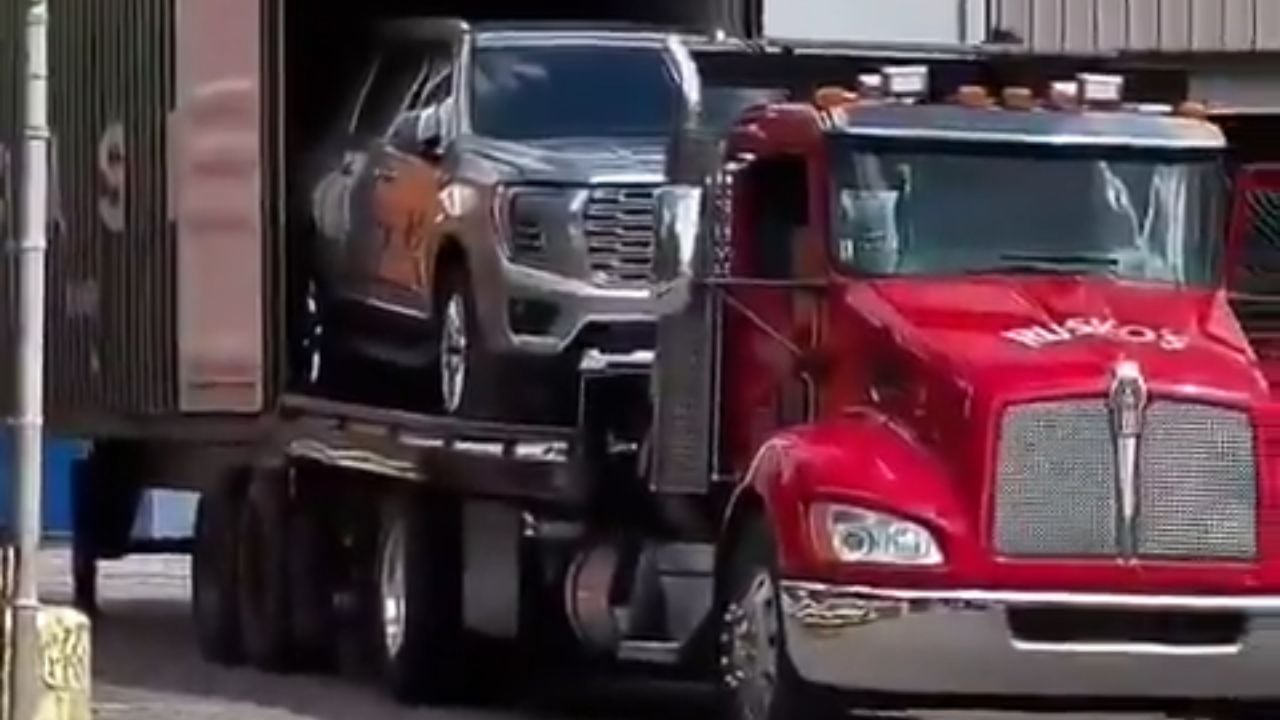
So, the phrase is a kind of legal sleight of hand: it transforms a stolen car into a victim of geopolitics. Instead of saying “this car was stolen,” the law would say “this car was unfairly targeted by hostile governments.” It literally turns criminal theft into a political dispute, giving Russia cover to legalize property that would otherwise be recognized internationally as stolen.
The Diplomatic Standoff Behind the Policy
There is also a practical complaint behind this move by Moscow. According to DW, Russian authorities have accused countries like Germany of refusing to respond to requests for information about these vehicles filed in international databases as “stolen”. According to Russia’s interior ministry,
Berlin, specifically, has so far in 2026 ignored or declined to respond to Moscow’s request for information about a total of 123 vehicles located in Russia that Berlin had reported as wanted internationally.
So, arguably, it stands to reason that with Berlin’s silence on the matter, Moscow has a prerogative to also “ignore” the “wanted” branding of those cars. Ultimately, the report says the EU countries’ decision to not respond to Moscow’s requests are politically motivated.
Berlin, for its part, seems unbothered by this accusation. Germany’s Federal Criminal Police Office confirmed there is “no exchange of information with Russia” on such matters, noting that these cases are largely civil issues rather than criminal ones under their jurisdiction.
Indeed, Germany’s refusal to respond to Moscow’s inquiries about stolen vehicles is rooted in politics, not bureaucracy. Since Russia’s invasion of Ukraine, Berlin and other EU capitals have suspended most law‑enforcement cooperation with Moscow.
That includes sharing data on stolen cars, as that would mean acknowledging Russia as a legitimate partner in international policing, which runs counter to the EU’s sanctions regime and broader strategy of isolating Russia diplomatically.
German authorities also fear that any cooperation could be exploited by Russia to launder stolen property or legitimize seizures in occupied Ukrainian territories. By withholding information, Berlin signals that criminal justice cannot be separated from geopolitics: Russia’s war has eroded trust to the point where even routine police exchanges are seen as politically sensitive.
The Crime on the Ground
Still, the numbers tell a more grounded story. Germany recorded over 30,000 stolen vehicles in 2024, with fewer than a third of cases solved. Against that backdrop, the idea of a major market casually opening its doors to disputed vehicles feels a lot more like an invitation than just legal tweak.
That is certainly how some in Germany see it. Benjamin Jendro of the Berlin police union did not mince words, calling the draft law a “disastrous sign” that “encouraged crime.” His concern is not imagined.
Car theft today is already a well-organized, cross-border business. Automobiles are often stolen to order, shipped quickly, and either dismantled or resold in markets where recovery is nearly impossible.
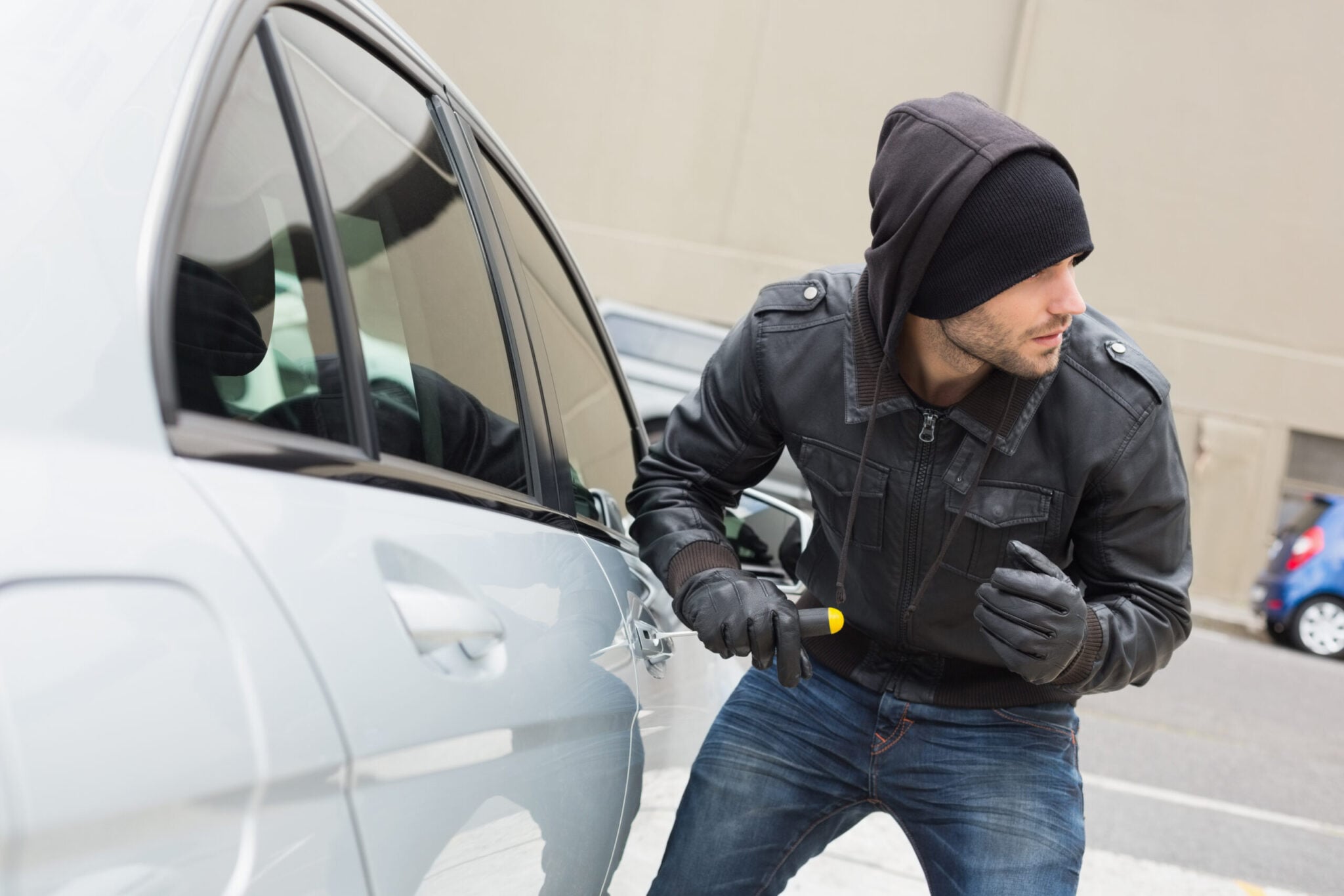
Jendro paints a vivid picture of this ecosystem. Cars are taken, moved east, and stripped for parts before anyone has time to blink. Anti-theft technology has improved, yes, but so have the methods used to bypass it. In that context, a legal pathway for questionable vehicles to be registered could act like premium fuel poured onto an already active fire.
The Insurance Fraud Dimension
On the Russian side, the conversation takes an unexpected turn into insurance fraud. Alexander Kholodov of the Public Chamber suggested that similar schemes existed in the past.
“The car is sold in Germany, ends up in Russia, and only a month later does the owner report that the vehicle has disappeared,” he explained. The result is a double win for the dishonest seller, with both a sale and an insurance payout.
Lawyer Sergei Smirnov echoed this concern, warning that the new law “could lead to those living outside Russia intensifying their activities in the area of insurance fraud abroad.” It is a scenario that sounds like a plotline from a crime series, except it comes with policy proposals attached.
Interestingly, the German Insurance Association is not convinced. They say they have “no knowledge of the described scheme” and believe most thefts are exactly what they look like. Real theft, real loss, no elaborate conspiracy required.
Now What?
So where does that leave us? Somewhere between legal theory and practical chaos. On paper, the proposed law addresses administrative ambiguity and political friction. In reality, it risks creating a safe landing zone for stolen goods in an already complex global market.
If nothing else, it highlights one blazing fact about modern crime. Borders may be rigid on maps, but for stolen cars, they can be surprisingly flexible. And when policy starts to blur the line between possession and ownership, the road ahead gets a lot harder to navigate.
Source: Deutsche Welle (DW)