Volvo Cars has cleared a major regulatory hurdle in the United States after receiving authorization to continue selling connected vehicles despite its ownership ties to China’s Geely Holding.
The approval comes under new U.S. rules aimed at restricting vehicle technologies linked to China and Russia over national security concerns. Without the authorization, Volvo would have faced significant obstacles importing and selling connected vehicles in one of its most important global markets.
The decision follows months of discussions between Volvo and U.S. officials regarding the company’s governance structure, vehicle technology, and data security practices.
For Volvo, the outcome ensures business can continue largely as usual in the United States while competitors with similar ownership structures still await approval.
New Rules Target Connected Vehicle Technology
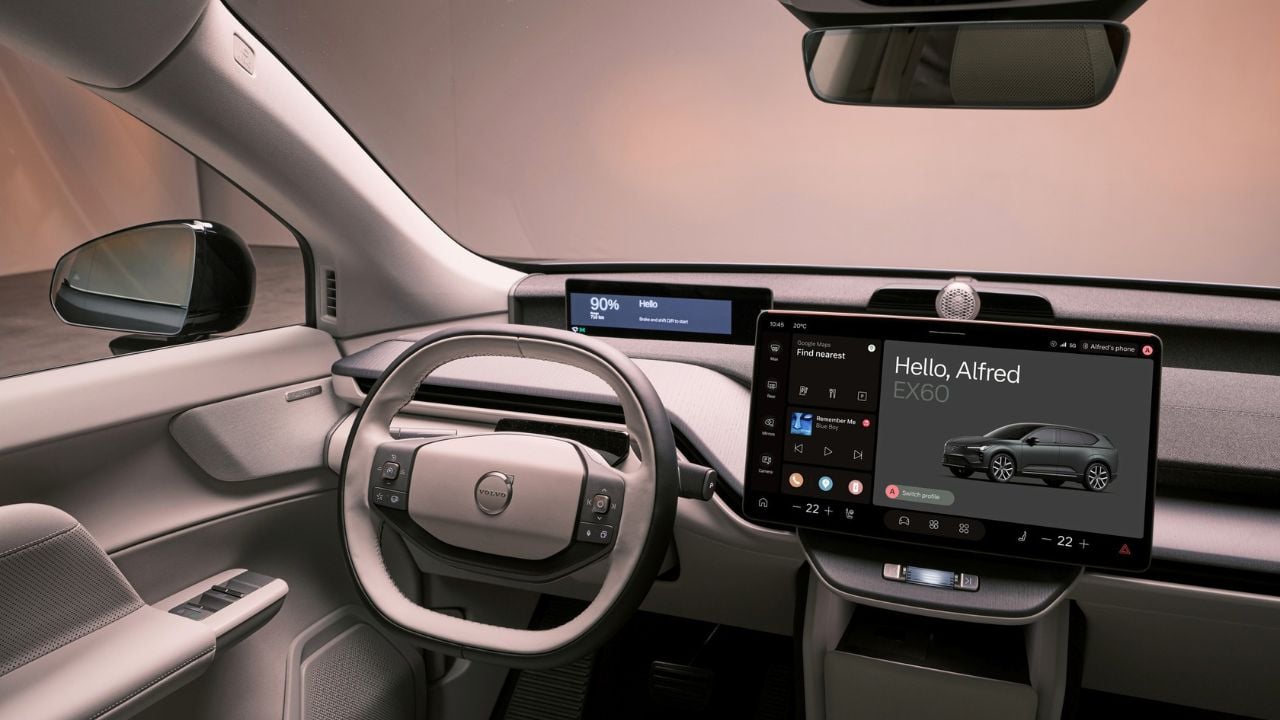
The authorization stems from the U.S. government’s Information and Communications Technology and Services (ICTS) Connected Vehicles Rule.
Introduced as part of a broader effort to reduce potential security risks, the regulations target two key areas of modern vehicle technology: Vehicle Connectivity Systems and Automated Driving Systems. Vehicle Connectivity Systems include technologies such as Bluetooth, Wi-Fi, cellular communications, and satellite-based connections that allow vehicles to communicate with external networks.
The rules, which took effect for the 2027 model year, also restrict software developed or maintained by Chinese entities and place additional scrutiny on automakers with substantial Chinese ownership.
Because Volvo Cars is majority-owned by Geely Holding, the Swedish automaker was required to apply for a specific authorization from the U.S. Department of Commerce before continuing sales of connected vehicles.
Volvo Receives Approval
Volvo announced that it successfully completed the review process and secured the required authorization following what it described as constructive discussions with U.S. authorities.
According to the company, regulators evaluated Volvo’s governance, technology systems, and data security measures before granting approval.
The authorization allows Volvo to continue importing and selling connected vehicles in the United States without disruption, preserving access to its second-largest national market after China.
Last year, Volvo sold approximately 121,600 vehicles in the U.S., making the market a critical part of the company’s global strategy.
South Carolina Expansion Continues

The approval also supports Volvo’s growing manufacturing ambitions in America. The automaker has invested more than $1.3 billion in its manufacturing facility near Charleston, South Carolina, creating more than 2,000 jobs. The factory currently builds the EX90 electric SUV and is set to take on additional production responsibilities in the coming years.
Volvo previously announced plans to begin production of the XC60 crossover in South Carolina starting in late 2026. The company has also committed to building a new hybrid vehicle in the United States before the end of the decade, a move designed to better serve American customers while increasing utilization of the plant.
The facility is also expected to begin producing the Polestar 3 for global markets.
A Different Outcome Than Polestar
Volvo’s approval stands in contrast to fellow Geely-owned brand Polestar, which has not yet received a similar authorization.
Polestar confirmed this week that it continues working with U.S. authorities to satisfy the requirements of the new regulations. Until a decision is reached, uncertainty remains over how the rules could affect the brand’s long-term operations in the market.
The differing outcomes highlight the case-by-case nature of the authorization process, with regulators evaluating each manufacturer individually rather than issuing blanket exemptions based on ownership.
Electrification Strategy Evolves

The announcement also comes during a period of strategic adjustment for Volvo. For years, the company positioned itself as one of the automotive industry’s most aggressive supporters of full electrification, with plans to phase out combustion-powered vehicles entirely by 2030.
However, slowing EV demand in some markets prompted Volvo to revise those plans and maintain a role for hybrid models within its future lineup. That change is in line with the company’s growing investment in U.S. manufacturing, where future hybrid production is expected to play a significant role.
With regulatory approval now secured, Volvo can continue expanding its American presence while navigating an increasingly complex landscape of technology regulations, trade policies, and evolving consumer demand. The decision removes a major source of uncertainty and allows the Swedish automaker to focus on its next phase of growth in the United States.