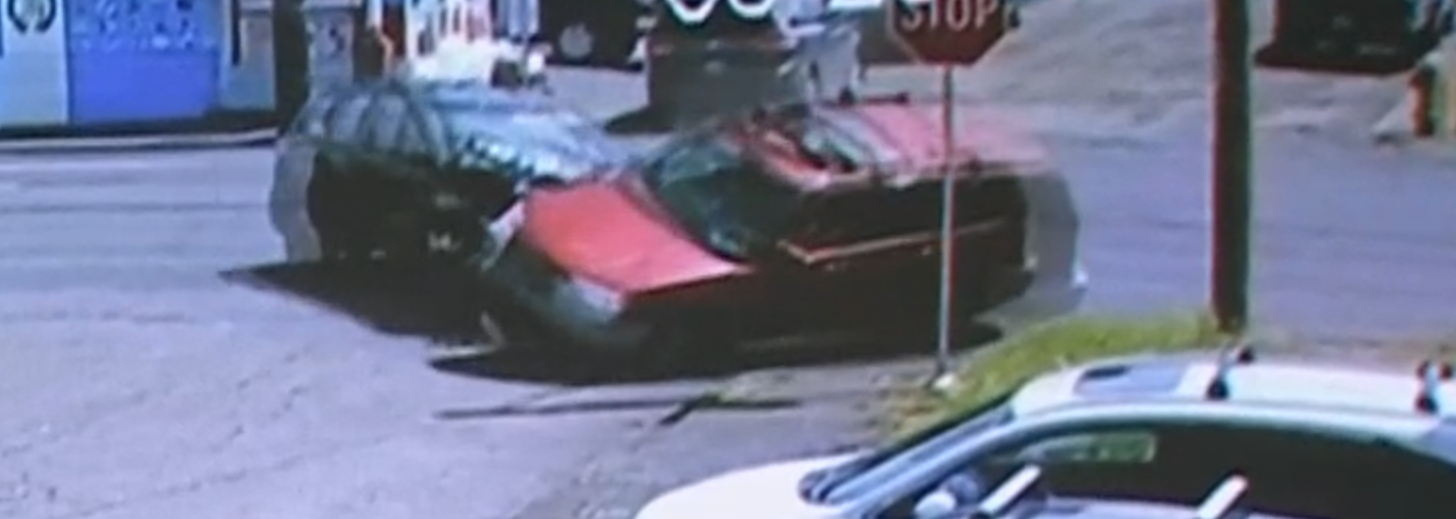
She was just driving down the street. Then, in an instant, everything exploded.
That is how Selena Pinnell describes the moment a stolen vehicle, fleeing Portland police at high speed, shot out of a side street and slammed into her car at the intersection of Southeast 82nd Avenue and Taylor Court in May 2024. The crash was so violent that every single one of her airbags deployed. When she came to, her first thought was that she had not made it.
Now, nearly two years after the collision, Pinnell is taking the city of Portland to court. The lawsuit she filed this month argues that Portland Police Bureau officers were negligent for initiating the pursuit in the first place, alleging the danger it created for the public far outweighed any benefit from the chase itself. It is the kind of legal claim that raises big questions about how police departments across the country weigh the risks of high-speed pursuits against the safety of the innocent people who happen to be in the way.
What makes this case particularly striking is not just the crash itself, but what happened after. No officer came to check on Pinnell at the hospital. No one followed up. For a woman who had just survived what she describes as feeling like an explosion and had stared down the barrel of a gun moments after crawling out of her totaled car, that silence felt like its own kind of injury.
What Actually Happened on Southeast 82nd Avenue
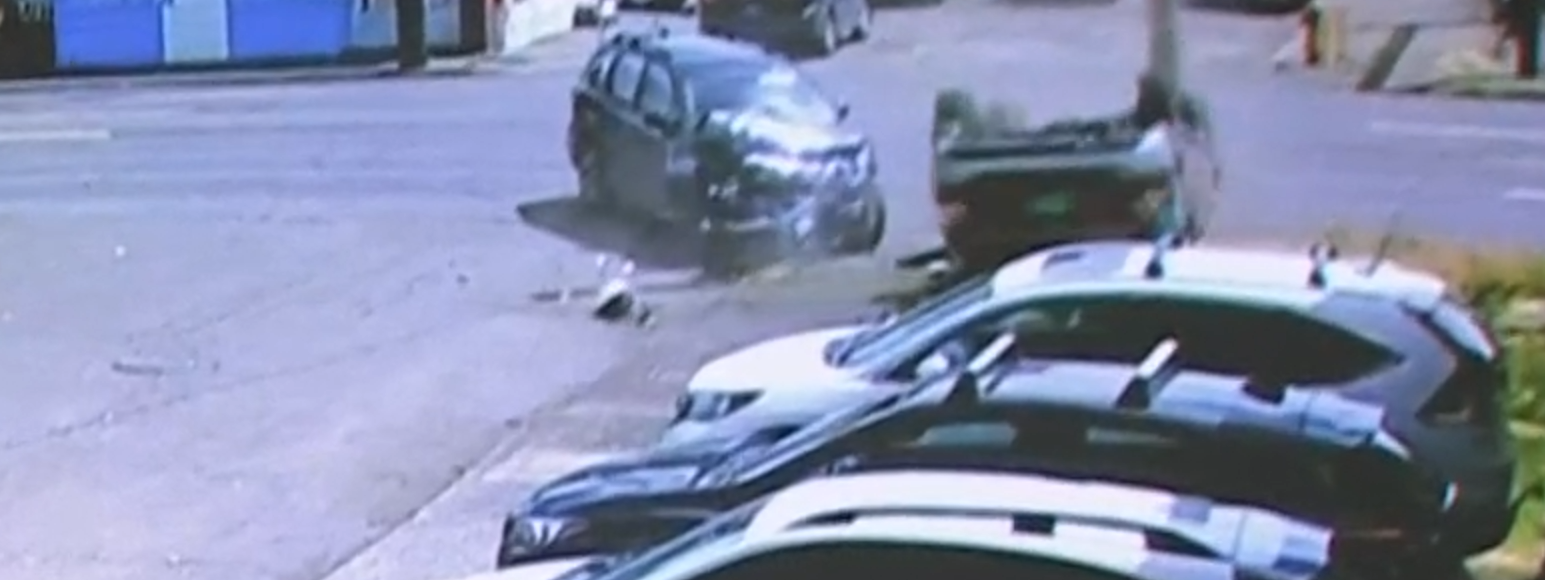
The crash took place in May 2024 when Portland police were pursuing a suspect driving a stolen vehicle. The suspect’s car crossed Southeast 82nd Avenue, a major thoroughfare, after darting out of a side street. Pinnell had no warning. Security footage captured the full collision, which left her car totaled and flipped the suspect’s vehicle at the intersection with Taylor Court.
Pinnell suffered injuries to her leg, chest, and head. She was disoriented enough after the impact that she genuinely did not know whether she was alive. After freeing herself and kicking open her car door, she stepped out to find Portland officers with weapons drawn pointed in her direction. Not exactly the welcome you hope for after surviving something like that.
The Lawsuit and What Pinnell Is Alleging
The legal complaint filed against the city of Portland includes the claim that PPB officers were negligent by choosing to engage in a pursuit when the benefits to the public did not clearly outweigh the inherent safety risks involved. That is a legal standard that many jurisdictions use to evaluate whether police pursuits are justified, and it sits at the heart of this case.
Pinnell is not just after financial compensation. She has been vocal about wanting accountability, specifically because the crash happened in a densely populated residential area full of families and children. Her concern is not only about what happened to her, but about how much worse things could have been if the fleeing vehicle had made it further into those neighborhoods.
Both the Portland Police Bureau and the city declined to comment, citing the pending litigation, which is standard practice but does little to answer the broader questions this case is raising.
What We Can Learn From This Incident
Police pursuits are one of the most dangerous and debated tactics in law enforcement. Studies and crash data have repeatedly shown that high-speed chases put not just officers and suspects at risk, but also completely uninvolved people who simply happen to be on the road. Pinnell’s case is a real-world example of exactly that scenario playing out.
Many departments across the country have tightened their pursuit policies over the years, restricting chases to situations involving violent felonies or where the suspect poses an immediate threat. The question this lawsuit puts front and center is whether Portland’s policies and the judgment call made that day met that threshold, and whether anyone has truly been held responsible for the consequences.
Beyond the legal outcome, there is also a lesson here about how agencies respond after something goes wrong. Pinnell said she felt like collateral damage and that nobody came to check on her at the hospital. That gap, between a traumatic incident and any kind of follow-up or acknowledgment, can leave victims feeling invisible. Departments that want to maintain public trust would do well to take that seriously.
What Happens Next
The case is now working its way through the legal system. Portland and its police bureau have declined to comment while litigation is pending, so any official response will likely come through court filings rather than press statements.
For Pinnell, the lawsuit is about more than her own injuries and her totaled car. It is about making sure that what happened to her on Southeast 82nd Avenue does not happen to someone else, perhaps a child playing in one of those family-packed neighborhoods she described. That is the kind of motivation that tends to give a lawsuit staying power, regardless of how the legal arguments ultimately shake out.