Porsche has announced that it would be shutting down Porsche eBike Performance GmbH after facing a challenging financial year.
The decision comes weeks after the brand’s CEO, Dr. Michael Leiters, outlined Strategy 2035, aimed at expanding Porsche’s product portfolio and improving cash flow.
The German automaker is currently experiencing a major restructuring after its EV policies backfired significantly, leading the company to prioritize internal combustion vehicles and hybrids.
Porsche eBike Performance was a result of the acquisition of a major stake in the German manufacturer Greyp Bikes, which followed the 2022 acquisition of the e-bike drive system manufacturer Fazua.
Changing Market Conditions Lead to End of Porsche E-Bike Venture
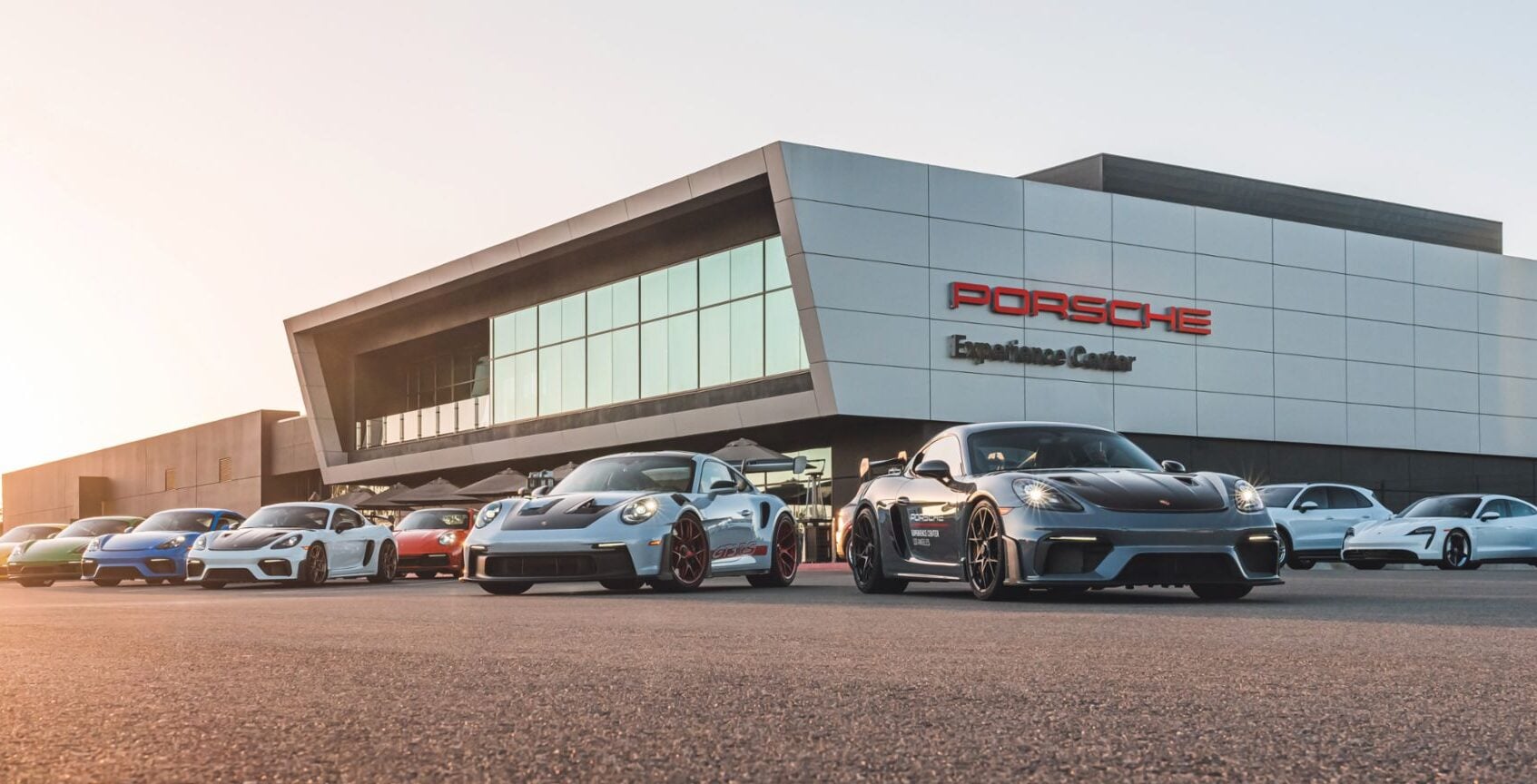
According to a report by CarBuzz, Porsche’s plan was to produce e-bikes designed in-house and manufactured at a factory in Zagreb. The e-bikes were also part of a cross-promotion campaign involving the all-electric Porsche Taycan.
However, Porsche has decided to shut down the subsidiary business entirely, leading to questions about the future of the 350 employees working at Porsche eBike Performance.
But it remains unclear what Porsche intends to do with the e-bike intellectual property that it retains. Porsche revealed that “fundamentally changed market conditions” pertaining to vehicle power systems led it to take this decision.
In addition, Porsche-owned Cetitec, which designed communication software for Volkswagen Group’s electronic vehicle systems, has also ended operations. Cellforce GmbH, which was developing battery cells, met with the same fate, leading to the layoff of around 140 employees.
What is Strategy 2035?
As reported by Guessing Headlights, Porsche will expand its portfolio within the next decade to segments with higher margins positioned above its two-door sports cars and the Cayenne SUV as part of a long-term restructuring.
The company intends to strengthen its financial position, especially after a troublesome 2025, when it suffered losses and incurred significant expenses after backtracking on its EV strategy.
Porsche was hit with a €3.9 billion ($4.5 billion) expenditure in 2025 to realign product strategy and rescale the company, €700 million ($820 million) of which were additional expenses from battery-related investments, while U.S. tariffs cost another €700 million ($820 million), since Porsche imports all its vehicles into America.
Consequently, group sales revenue dropped from €40.08 billion ($46.98 billion) in 2024 to €36.27 billion ($42.51 billion) in 2025, while operating profit fell from €5.64 billion ($6.61 billion) to €413 million ($484 million).
In the wake of Porsche’s struggles, Leiters revealed Strategy 2035. He said in a statement:
“We are considering the expansion of our product portfolio in order to grow in higher-margin segments. In doing so, we are looking at models and derivatives both above our current two-door sports cars and above the Cayenne.”
“With Strategy 2035, we want to lay the foundations for sustainably strong cash flow, strong results and margins that are appropriate for Porsche.”
Sale of Stakes in Bugatti Rimac and Rimac Group
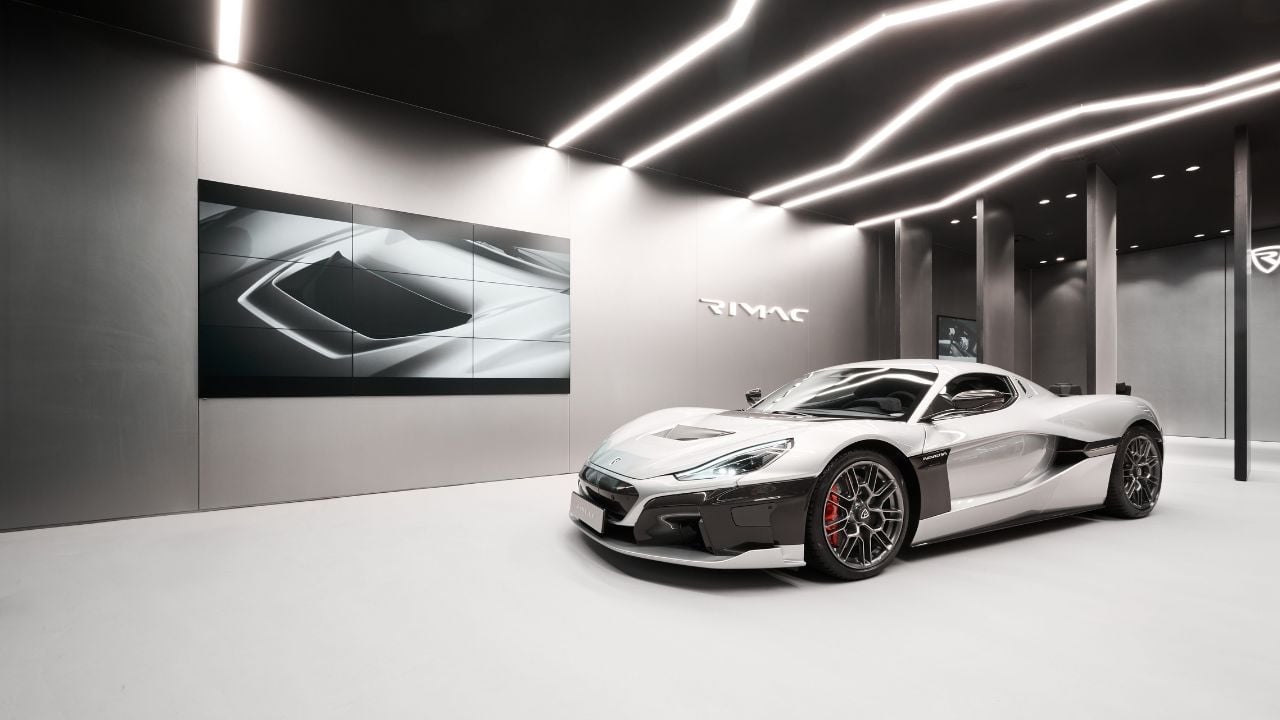
Bugatti Rimac was established through a partnership between Porsche and the Rimac Group in 2021, with a 45% stake held by Porsche. In addition, Porsche owned a 20.6% stake in the Rimac Group itself.
However, on April 24, Porsche announced it would divest all its stakes to the HOF Capital-led consortium, consisting of BlueFive Capital and institutional investors across the U.S. and Europe.
Leiters admitted the sale of Porsche’s stakes would allow the brand to focus on its “core business.” He said in a statement:
“In setting up the joint venture Bugatti Rimac together with Rimac Group, we successfully laid the foundation for Bugatti’s future. And as an early-stage investor of Rimac Group, Porsche made a significant contribution to developing Rimac Technology into an established Tier-1 automotive technology company. Now, with the sale of our stake, we demonstrate, that we will focus Porsche on the core business. We would like to thank Mate Rimac and his team for the constructive and trusting cooperation over the past years.”
Porsche has been going through several significant changes internally towards a leaner organizational structure aimed at reaping long-term financial benefits. The real test, however, lies in how quickly the automaker can recover its losses and what new vehicles it will bring to market.