There’s something about sliding behind the wheel of a classic car that modern vehicles just can’t replicate. Maybe it’s the unfiltered connection to the road, the mechanical simplicity, or just the fact that these machines were built when driving was supposed to be an experience, not just transportation.
These 12 classics from our favorite decades represent the cars that enthusiasts consistently say you need to drive before you hang up your keys for good.
1967 Ford Mustang Fastback

The first-generation Mustang fastback captures everything right about 1960s American muscle in one sleek package. The long hood and short deck proportions became the template for pony cars, and the V8 rumble—whether it’s a 289 or 390, never gets old.
What makes it special to drive is how manageable it feels compared to its bigger muscle car cousins, you can actually toss this pony car around without feeling like you’re wrestling a freight train.
1963 Chevrolet Corvette Sting Ray

That split rear window only lasted one year, which tells you everything about how controversial good design can be. The C2 Corvette marked America’s first serious attempt at a sports car that could hang with European competition, with independent rear suspension and drum brakes (four-wheel disc brakes arrived in 1965).
Behind the wheel, you get that perfect combination of raw V8 power and surprisingly nimble handling that makes you understand why Chevy kept building on this formula for decades.
1969 Dodge Charger

This is the car that proved muscle cars could have actual style instead of just stripes and scoops. The hideaway headlights (on most models) and that signature recessed rear window created one of the most distinctive profiles of the era.
The driving experience is pure American bravado, massive torque, a solid rear axle that’ll break loose if you’re not careful, and enough presence that everyone knows you’re coming.
1973 Porsche 911 Carrera RS 2.7
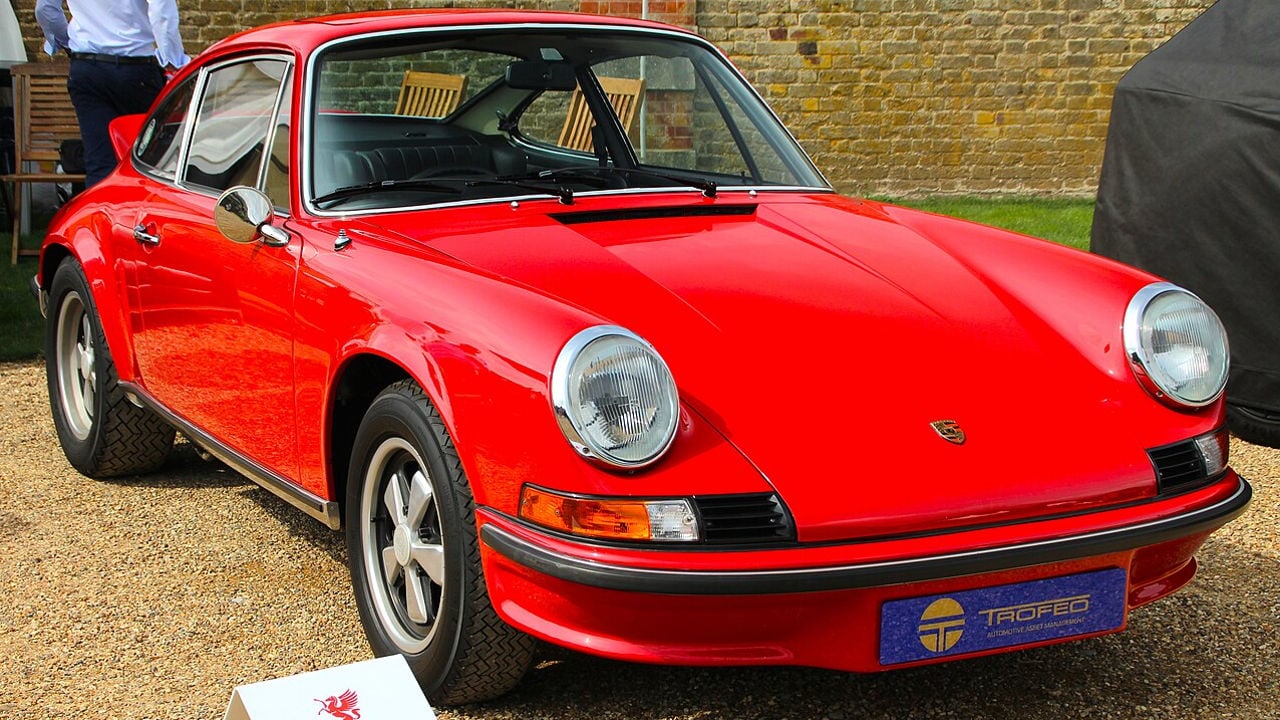
Before the 911 became a luxury car, the Carrera RS showed what happens when Porsche strips things down to pure driving essence. That air-cooled flat-six sitting behind you creates an engine note that’s equal parts mechanical symphony and angry wasp nest.
The rear-engine layout means you’re constantly managing weight transfer, making every corner an active conversation between you and the car rather than a passive cruise.
1970 Chevrolet Chevelle SS 454

When people talk about the golden age of muscle cars, they’re usually thinking of something like this. The 454 cubic inch big-block engine could produce up to 450 horsepower (SAE gross) in LS6 form, which was genuinely scary power for 1970.
What’s memorable about driving one isn’t just the straight-line acceleration: it’s the whole theatrical production of it, from the rumbling idle to the way the whole car squats and torques when you nail the throttle.
1967 Jaguar E-Type
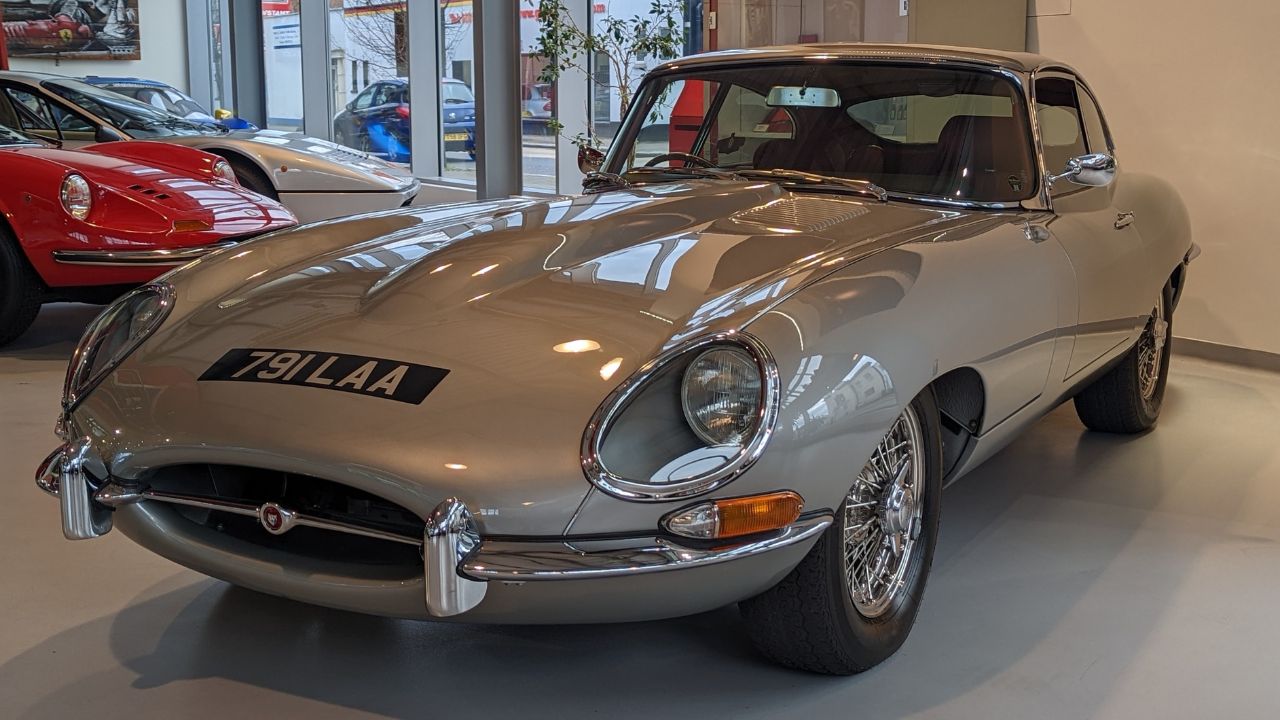
Enzo Ferrari is often credited with calling it the most beautiful car ever made, and even if that’s debatable, it’s certainly in the conversation. The E-Type combined exotic looks with surprising practicality and performance that embarrassed more expensive Italian competitors.
Driving one means dealing with British electrical quirks and a somewhat cramped cockpit, but that inline-six engine and the knowledge that you’re piloting a genuine icon make it worthwhile.
1985 Mazda RX-7 GSL-SE

The first-generation RX-7 showed rotary engines could be dependable with proper maintenance, but the 1985 GSL-SE perfected the formula with fuel injection. At about 2,590 pounds with a near-perfect 50/50 weight distribution, this is what balanced handling feels like when done right.
The rotary engine’s high-revving nature and lack of reciprocating mass create a smoothness that traditional piston engines can’t match, even if you do burn through a quart of oil between fill-ups.
1969 Chevrolet Camaro Z/28

Chevy built the Z/28 specifically to go road racing, which meant a high-revving 302 cubic inch V8 and suspension tuned for corners instead of just drag strips. Unlike the straight-line bruisers that dominated muscle car advertising, the Z/28 actually rewarded driving skill.
The experience is more raw and mechanical than modern performance cars, with heavy steering and a four-speed manual that requires actual effort to operate.
Ford GT40 (developed in 1964)
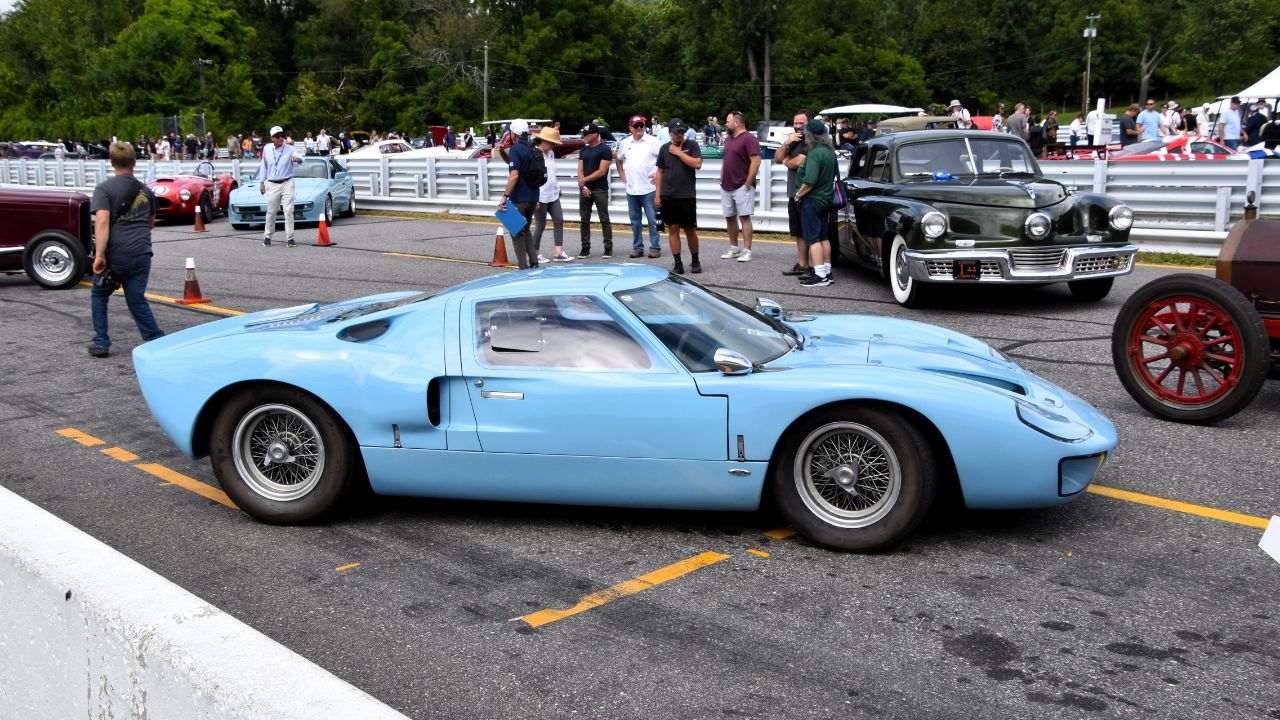
This is the car that broke Ferrari’s dominance at Le Mans, winning four consecutive overall victories from 1966 to 1969, which gives it legendary status before you even turn the key. Getting into one requires contortionist skills thanks to the absurdly low roofline, but once you’re in, that mid-mounted V8 and race-bred chassis explain why it won four consecutive Le Mans titles.
These are rare enough that most enthusiasts will only get to experience one at a museum or special event, but it remains the ultimate American racing achievement.
1977 Pontiac Trans Am
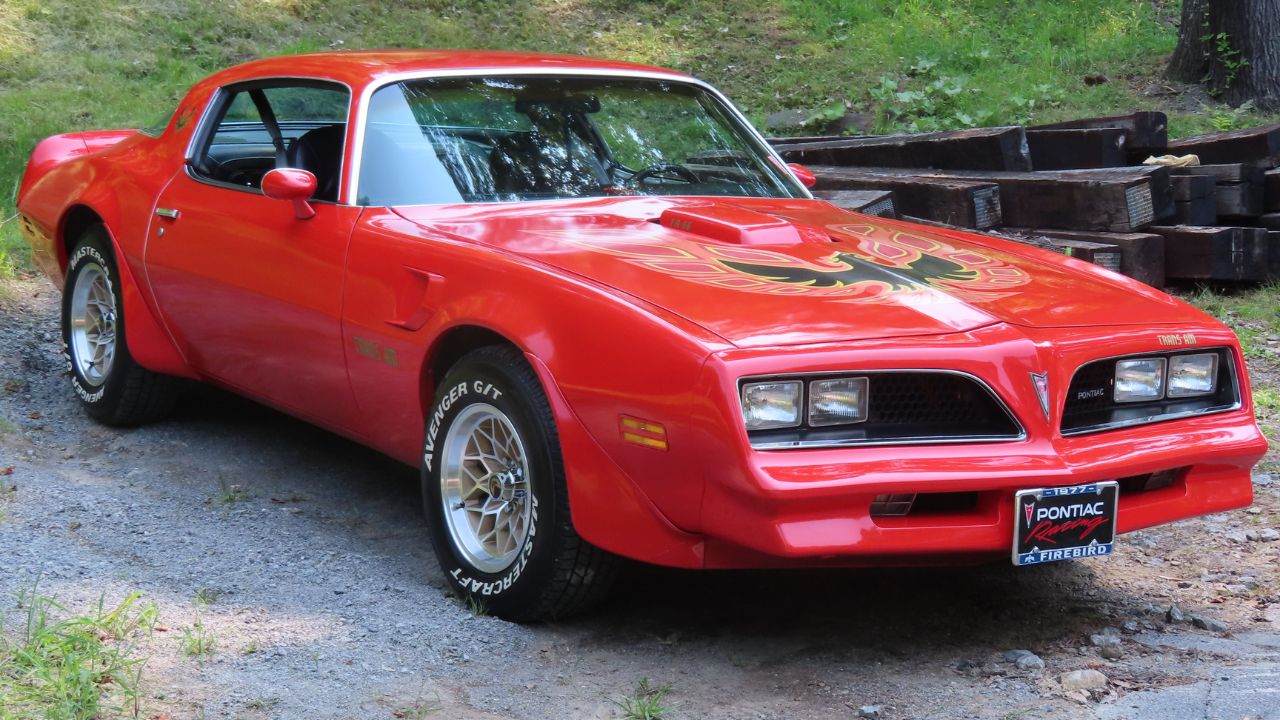
The Smokey and the Bandit car became a cultural icon that transcended automotive enthusiasm. By 1977, emissions regulations had neutered most muscle cars, but the Trans Am maintained enough swagger to stay relevant with its screaming chicken hood decal and T-tops.
The driving experience won’t blow your mind with performance numbers, but there’s something undeniably fun about piloting what’s essentially a time capsule of 1970s automotive excess.
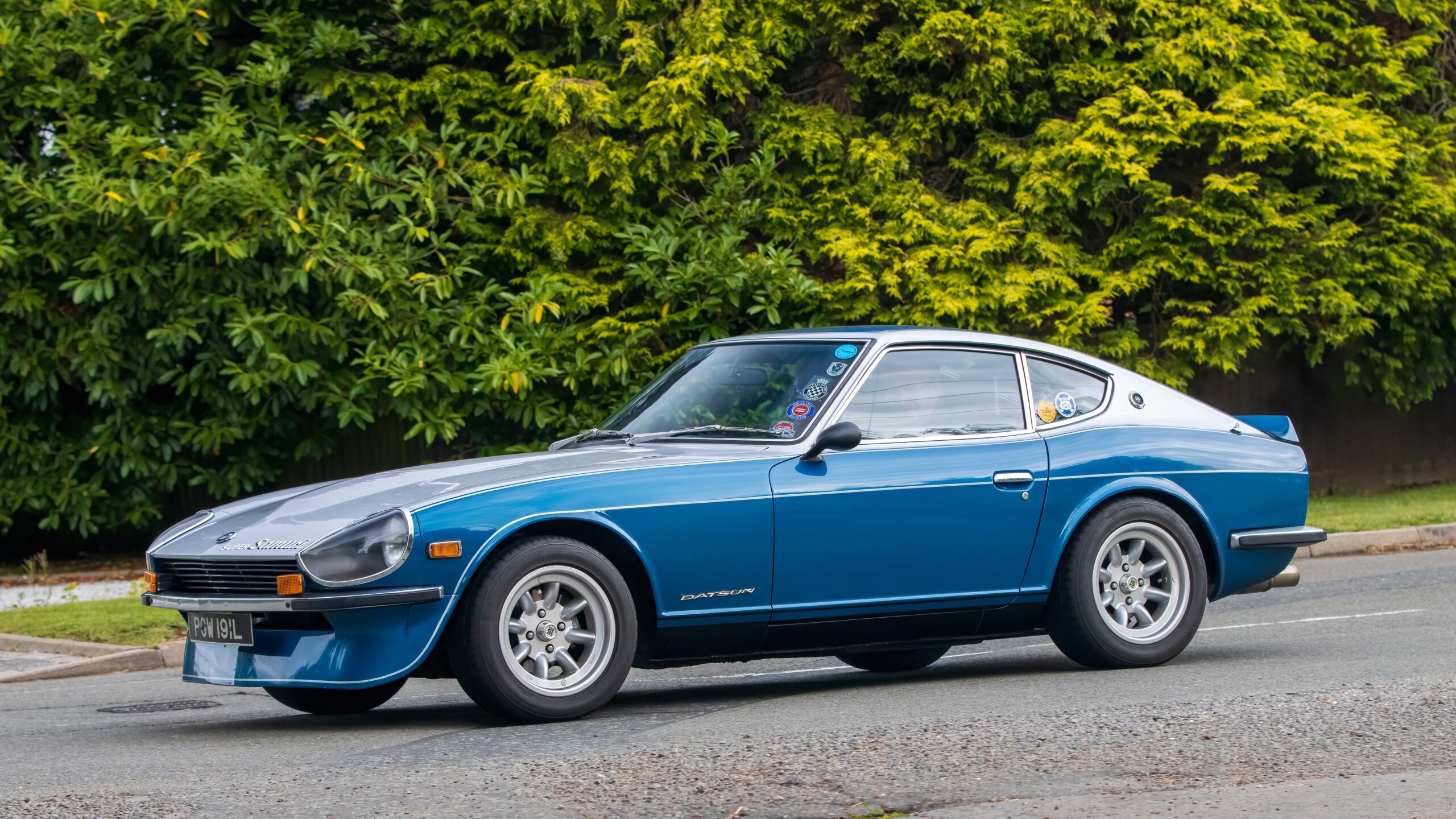
1971 Datsun 240Z

The 240Z proved that Japan could build a legitimate sports car that rivaled European competition at half the price. With clean styling inspired by the E-Type and Ferrari 250 GTO, plus a smooth inline-six and independent rear suspension, it became an instant hit in America.
The driving experience is surprisingly refined for the era, with balanced handling and enough power to be fun without being intimidating, it’s the car that made enthusiasts take Japanese performance seriously for the first time.
1986 Porsche 944 Turbo

The 944 Turbo proved that front-engine Porsches could be just as compelling as their rear-engine siblings. With near-perfect weight distribution and a turbocharged four-cylinder that was actually ahead of its time, it offered genuine sports car handling without the 911’s intimidating reputation.
The driving experience is more refined than you’d expect from a 1980s performance car, with enough power to be exciting but not so much that you’re constantly managing the boost.
Conclusion

These classics represent more than just nostalgic styling or impressive specifications, they’re time machines that transport you to eras when driving required more involvement and delivered more reward. Whether it’s the mechanical directness of a 1960s muscle car or the analog precision of a 1980s sports car, each offers something you simply can’t get from modern vehicles.
You might not want to daily drive any of them in today’s traffic, but for understanding what made people fall in love with cars in the first place, there’s no substitute for actual seat time in these legends.