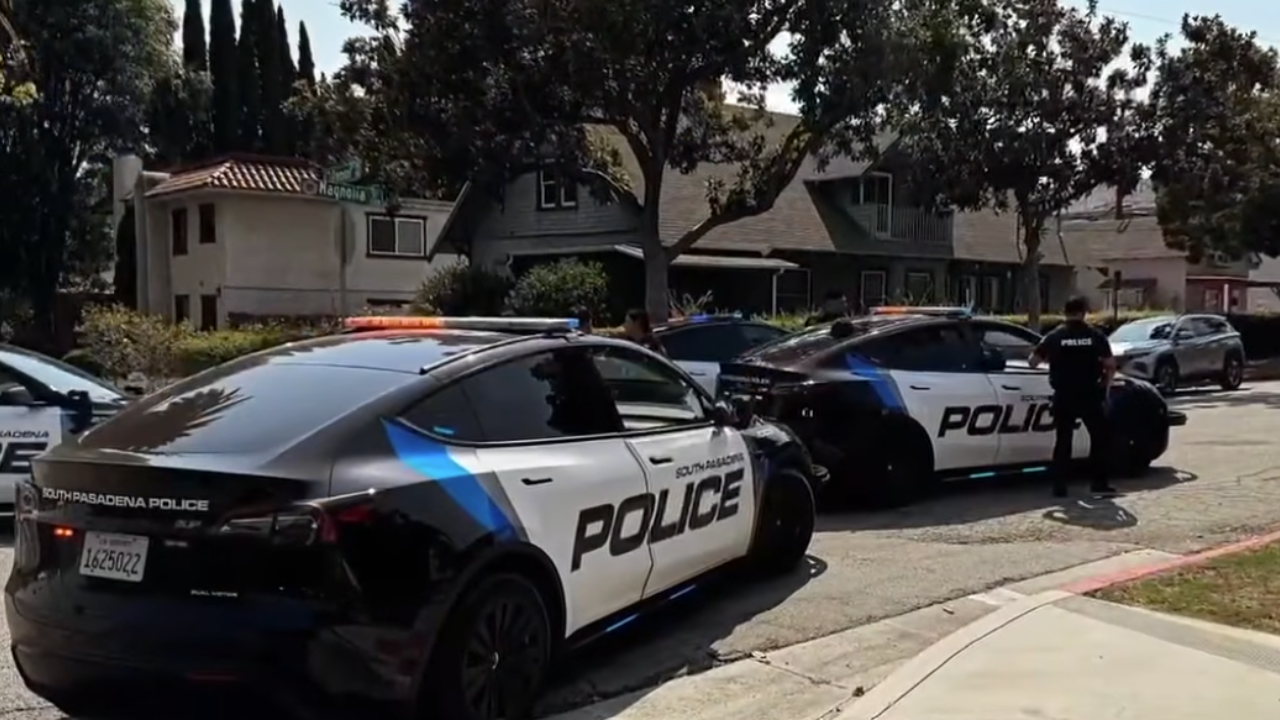
The numbers coming out of Green Bay, Wisconsin are the kind that make fleet managers sit up straight. The Green Bay Police Department has been running two Tesla Model Y patrol vehicles since 2024, and after nearly two full years of real-world use, those cars have each cost less than $500 annually to keep on the road. Not $500 a month. Not $500 per fill-up. Five hundred dollars total, per vehicle, per year, with windshield wipers being the most significant maintenance event either car has logged.
That figure was compelling enough that Green Bay’s Common Council voted earlier this week to approve the purchase of two additional 2026 Tesla Model Y units, bringing the department’s electric fleet to four. The two new additions will come in at just under $90,000 combined, which, once you factor in the cost of outfitting a standard patrol SUV with all the required gear, actually comes in below what the department would spend on comparable gas-powered vehicles. That is not a talking point lifted from a press release. That is the chief of police saying it in a ride-along interview.
The original two Model Ys were assigned to the traffic safety unit, where they spent their days operated by a single officer per shift. That relatively controlled usage pattern made them a sensible test case. The two incoming vehicles will serve as fully marked patrol cars, meaning they will face a more demanding duty cycle, with multiple operators, more stop-and-go urban driving, and the occasional need to move fast. The department is treating the expansion less as a full commitment and more as a deliberate next stage of evaluation.
Green Bay Police Chief Chris Davis has been measured in how he talks about all of this, and that restraint makes the data more credible, not less. He is not predicting a fully electric fleet. He is watching what happens when you push these cars harder, in a Wisconsin climate, across more varied assignments, and letting the results decide what comes next.
The Maintenance Story Is the Real Story
For context on what makes the sub-$500 figure meaningful: a typical patrol vehicle running a gasoline engine tends to cost somewhere between $8,000 and $12,000 per year in fuel and maintenance, depending on mileage and department size. The Model Y’s regenerative braking system, long cited by EV advocates as a brake-pad-saving advantage, appears to be holding up that claim in a real operational environment. No oil changes, no transmission service, no brake work in two years of traffic patrol duty.
The only wrinkle flagged by the department is tires. Police use calls for a different spec than what the Model Y ships with from the factory, so that is an added cost to budget for. Outside of that, the department’s reported maintenance activity across two vehicles over two years amounts to one wiper blade replacement and one minor repair on the other unit.
Not Everyone Has Had a Smooth Ride
It is worth noting that not every department has arrived at the same conclusion. Several Northern California police agencies have found the Model 3 and Model Y uncomfortably tight for officers in full gear, and without an official Tesla police package in existence, departments are largely navigating upfitting through third-party contractors. The F-150 Lightning has drawn warmer reviews in some jurisdictions for exactly that reason, offering more cargo flexibility and a more familiar platform for aftermarket equipment suppliers.
The Green Bay experience may reflect the advantage of deploying Model Ys specifically in traffic enforcement roles, where officers work solo and the physical demands on interior space are less acute. Moving them into general patrol, where the car may carry equipment, partners, or the occasional person in custody, will test whether that goodwill holds at a larger scale.
The Cold Weather Question Gets an Answer
One question that follows electric police vehicles around, especially in northern states, is battery performance in winter. Wisconsin is not California, and cold weather is a known factor in EV range degradation. Chief Davis addressed this directly, noting that the department specifically wanted to evaluate battery life in cold-weather police operations, and that the cars have so far performed well enough to put that concern to rest for their use case.
A fully charged Model Y, according to the department, appears capable of covering a full shift without range anxiety becoming an operational issue. That matters because a patrol car that cannot complete a duty cycle is not a patrol car.
Where This Goes From Here
Green Bay has a city-level target of reducing emissions by 15 percent by 2030, and some of the funding for the new vehicles flows through the Inflation Reduction Act, which runs through that same year. What happens after the IRA funding window closes will influence how aggressively any department can continue electrifying its fleet, and Chief Davis acknowledged that cost remains the single biggest variable in long-term electric fleet planning.
The broader pattern is consistent enough to be interesting. Bargersville, Indiana reported roughly $80,000 in annual fuel savings across 13 Tesla patrol cars. Somerset, Wisconsin projected more than $80,000 in savings per vehicle over a ten-year duty cycle. Green Bay’s own numbers fit that trajectory, at least for the traffic unit deployment. Whether the math holds when the cars are running harder, and in the hands of more officers, is exactly what the department says it is trying to find out.
That is, for anyone skeptical of EV adoption in demanding applications, a reasonable way to go about it.