
Distracted driving has become one of those everyday risks that many motorists quietly admit to but rarely take seriously until something goes wrong.
A recent report from KSL-TV highlights just how common these habits are across Utah, and why police say the behavior remains a major safety threat even after lawmakers softened penalties earlier this year.
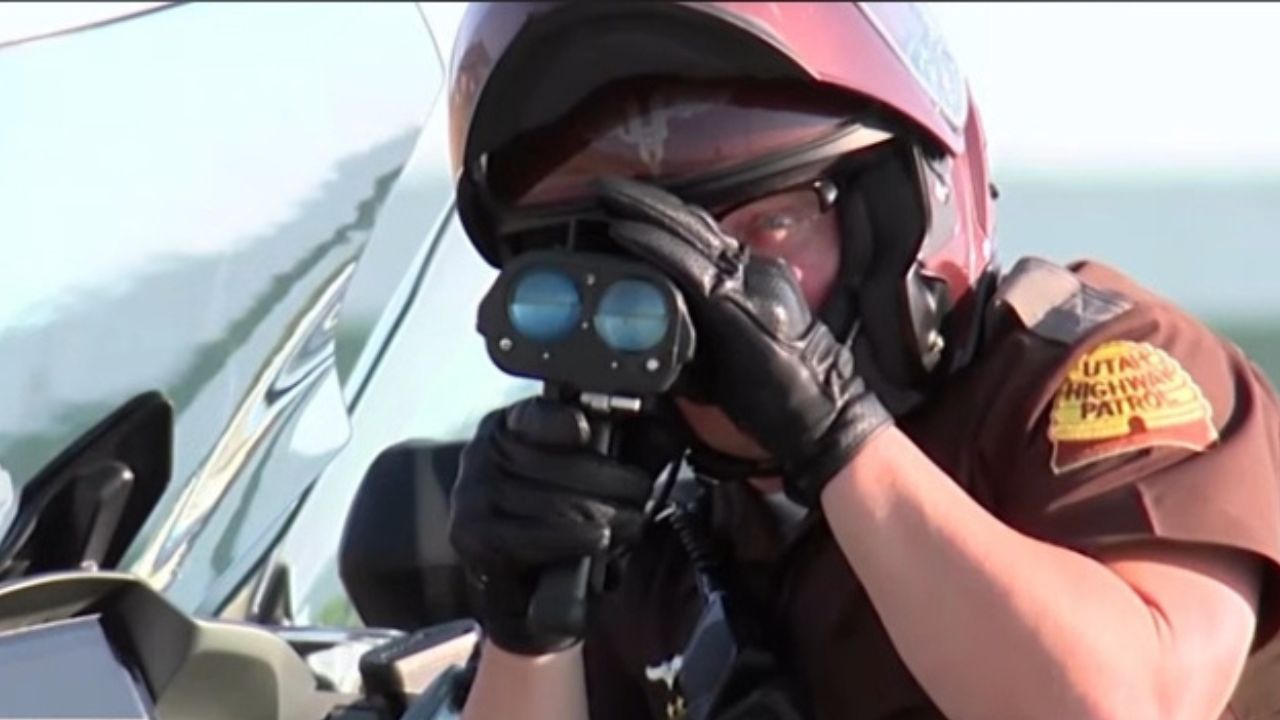
In a segment reported by Brian Carlson, law enforcement officers described the surprisingly obvious clues that give distracted drivers away. While many drivers believe they can secretly multitask behind the wheel, police say the signs are often as clear as those displayed by impaired drivers.
The Surprising Things Drivers Do Behind the Wheel
First, a bit of honesty. Many drivers have glanced at their phone at a red light, grabbed a snack during traffic, or adjusted their hair in the mirror while cruising along. Those small moments of distraction can quickly escalate into risky behavior.
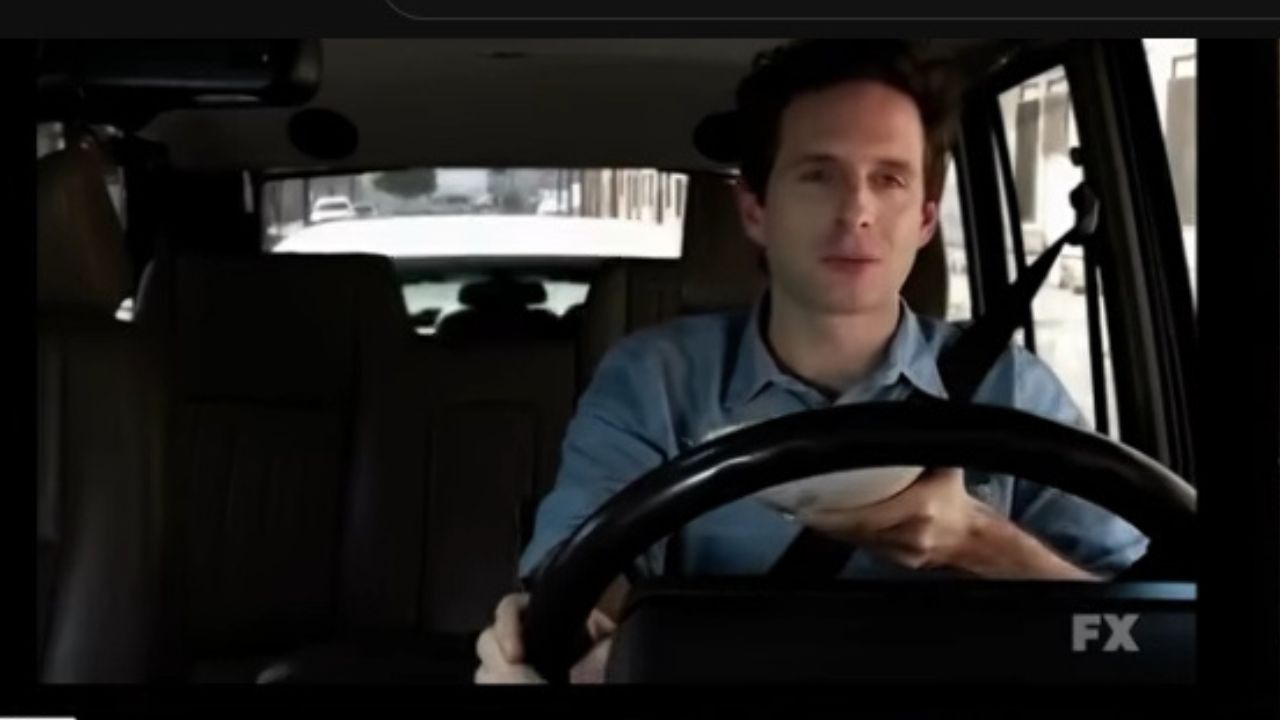
Officers say they regularly witness drivers texting, applying makeup, eating full meals, and in one memorable case even eating a bowl of cereal with milk while driving.
Yes, cereal.
The scenario sounds like something out of the comedy series It’s Always Sunny in Philadelphia, but according to police, it is very real. And while the image might be humorous, the safety implications are anything but funny.
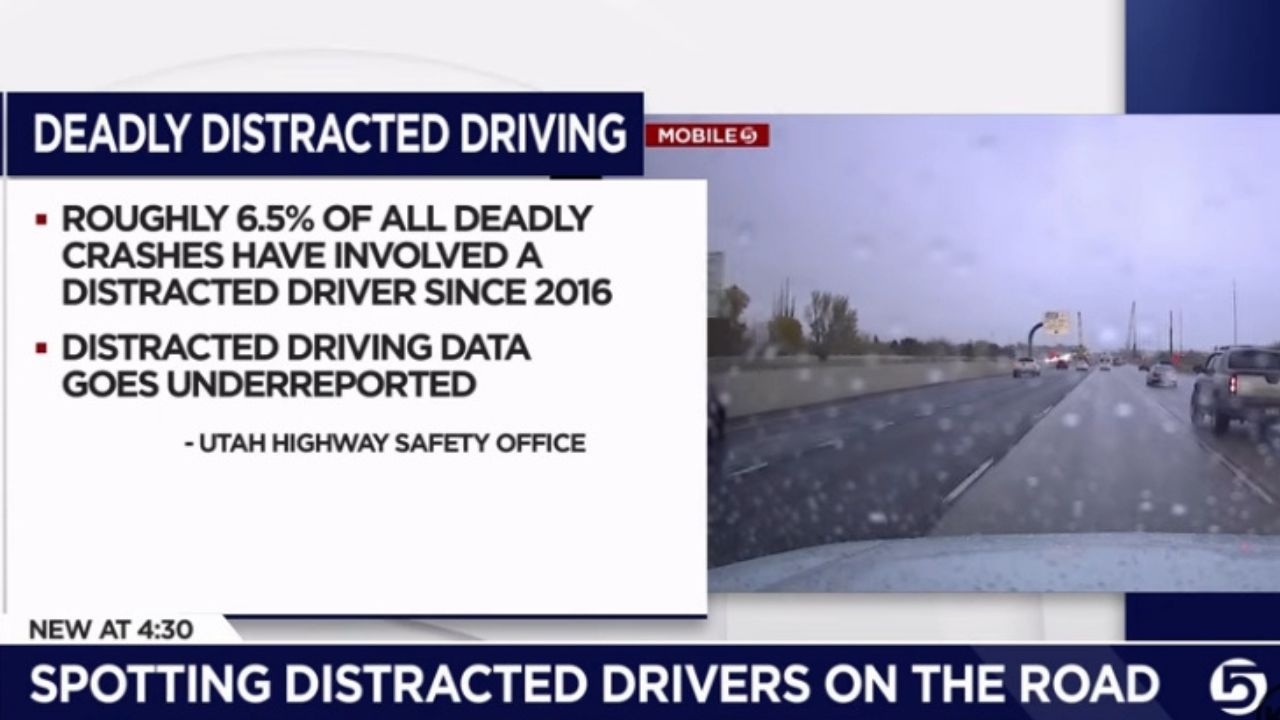
Officials from the Utah Highway Safety Office report that distracted driving has played a role in an average of about 6.5 percent of all fatal crashes in the state over the past decade. That number likely understates the real scale of the problem.
Investigators say distracted driving often goes unreported because drivers are reluctant to admit they were looking at a phone or doing something unrelated to driving.
Why Distracted Driving Can Look a Lot Like Drunk Driving
What makes distracted driving especially dangerous is that drivers tend to overestimate their ability to multitask. Human attention simply does not work that way. When attention shifts away from the road even for a few seconds, reaction time drops sharply.
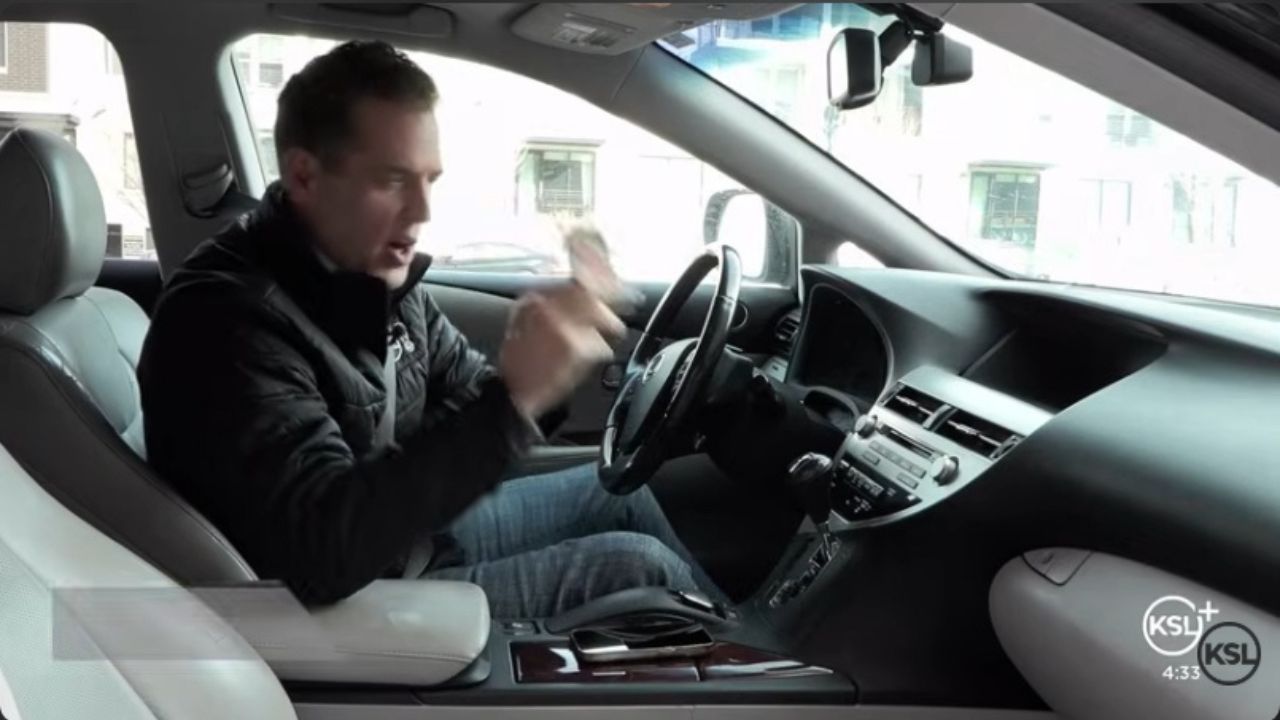
At highway speeds, just two seconds of distraction can mean traveling the length of a football field without full awareness of the road.
Police officers say the behavioral patterns they see from distracted drivers are strikingly similar to those associated with drunk driving. Vehicles may drift across lane markings, veer toward the shoulder, or slow unexpectedly while traffic moves normally around them.
Another common giveaway occurs at intersections when a driver remains stationary after the light turns green because their attention is on a phone screen rather than the road.
Under Utah law, officers do not necessarily need to catch someone actively texting to issue a citation. The state’s amended careless driving statute allows police to take action if a driver commits two or more moving violations within three miles or less.
Examples include swerving, failing to maintain a lane, or otherwise operating the vehicle erratically while engaged in distracting activities.
The consequences can go far beyond a ticket. If distracted driving leads to a fatal crash, drivers can face license revocation and potentially much more serious legal consequences depending on the circumstances.
Simple Habits That Can Prevent Dangerous Distractions
Law enforcement officials say prevention is simple but requires a shift in habits. Prepare before getting in the car. Eat breakfast at home rather than in traffic.
Finish grooming routines before leaving the driveway. Set navigation or music before the vehicle starts moving. If something demands attention, pull over safely rather than attempting to handle it on the move.
In other words, driving deserves the same level of focus as any other high-risk activity. The steering wheel is not the place for multitasking experiments.
Police hope that greater awareness will encourage drivers to put the phone down, skip the cereal bowl, and remember that even a moment of distraction can change lives in an instant.