Some trips are easier because visitors do not have to solve the whole city before breakfast. The center is manageable, transport is understandable, and the best parts of the day can come from walking, sitting down, and letting the place unfold slowly.
After crowded hotspots, timed tickets, surprise fees, and overplanned itineraries, smaller and more readable destinations can make a vacation feel less like work.
These places are not empty. They have busy seasons, popular corners, restaurant rushes, and moments when reservations help.
The difference is practical: a traveler can arrive, settle in, ask one simple question, and start the day without building every hour around access rules, long transfers, or a crowded checklist.
1. Ljubljana, Slovenia

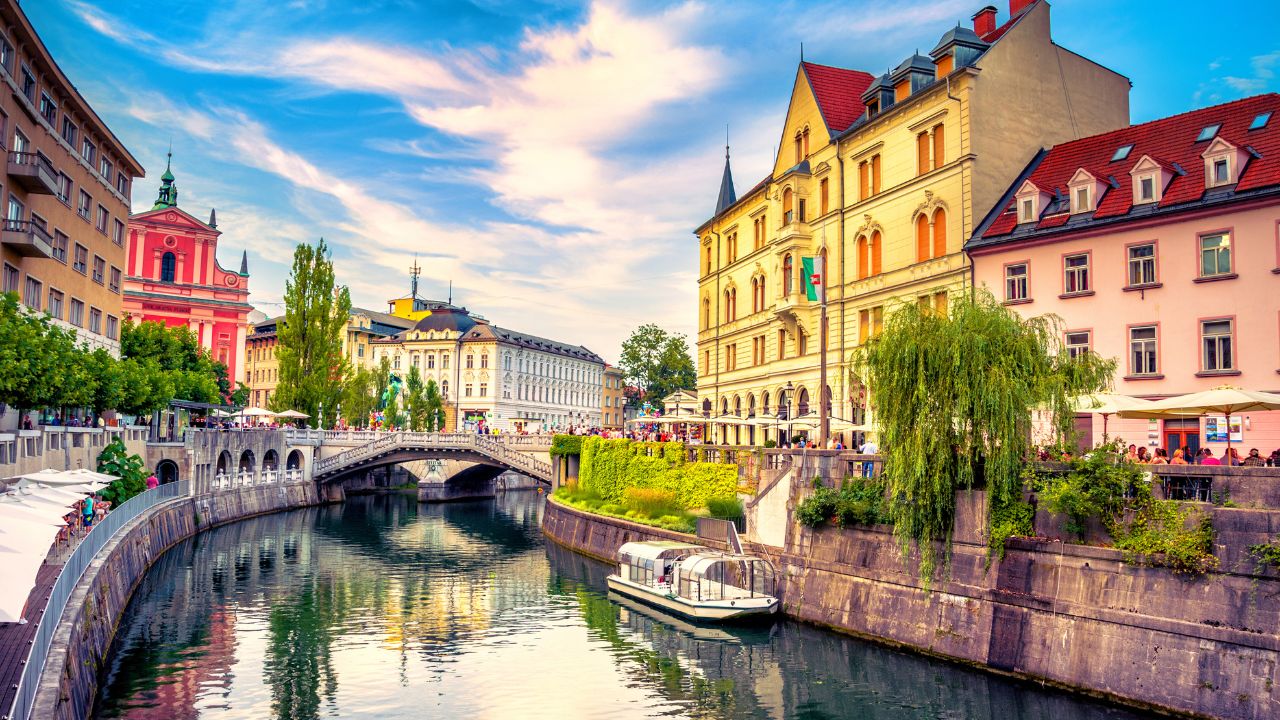
Ljubljana gives visitors an easy first day because the riverfront, market, bridges, old town lanes, and castle views sit close together. A short stay does not require a complicated transport plan before the sightseeing begins.
Visit Ljubljana’s getting around guidance notes that short distances within the car-free city center can be covered by Kavalir, an environmentally friendly electric vehicle service. The same page lists bicycles, buses, taxis, parking, and other transport options for visitors.
The car-free core makes the city easier for wandering, café stops, market visits, and slow evening walks. Visitors can cross between the river, old town, and central sights without constantly checking maps or transit connections.
Ljubljana is a strong choice for travelers who want a European capital with atmosphere but not the pressure of a giant city break. The best plan is simple: stay near the center, walk the riverfront, use Kavalir or a taxi when needed, and leave space for an unplanned café or market stop.
2. Porto, Portugal

Porto looks dramatic, with steep streets, tiled churches, river views, bridges, and wine cellars across the Douro. The arrival is easier than many larger European city breaks because the airport has a direct public-transport link into the city.
Porto Airport says travelers can get between the airport and the city center by metro. Line E, the Purple Line, runs between the airport and Estádio do Dragão every 20 or 30 minutes, depending on the time and day of the week.
Once visitors are settled, the city is compact enough for a relaxed two or three-day stay. The hills can be tiring, but the historic center, riverfront, bridges, viewpoints, cafés, markets, bookstores, and Gaia wine cellars sit close enough to group into simple half-day plans.
Porto is easier when visitors do not try to flatten every hill into one route. Pick one area at a time, use the metro or rideshare when legs are tired, and leave the Douro riverfront for a slower part of the day.
3. Tallinn, Estonia

Tallinn is approachable because the old town is compact, atmospheric, and easy to explore on foot. Visitors can move from medieval lanes to viewpoints, cafés, city walls, and newer neighborhoods without building a rigid schedule.
Visit Tallinn says the city is very compact and easy to get around. Its public-transport guide says buses and trams help visitors reach farther destinations, with the main network operating from 6 a.m. to 11 p.m. daily.
The same guide says night buses run on Friday and Saturday nights between 12:30 a.m. and 3:30 a.m. That gives short-break visitors a practical late-night option when they are staying beyond the old town.
Tallinn suits travelers who want history without turning every day into a ticketed marathon. Start with the old town, climb toward Toompea viewpoints, then add Kalamaja, Kadriorg, or the waterfront when there is time.
4. Valencia, Spain
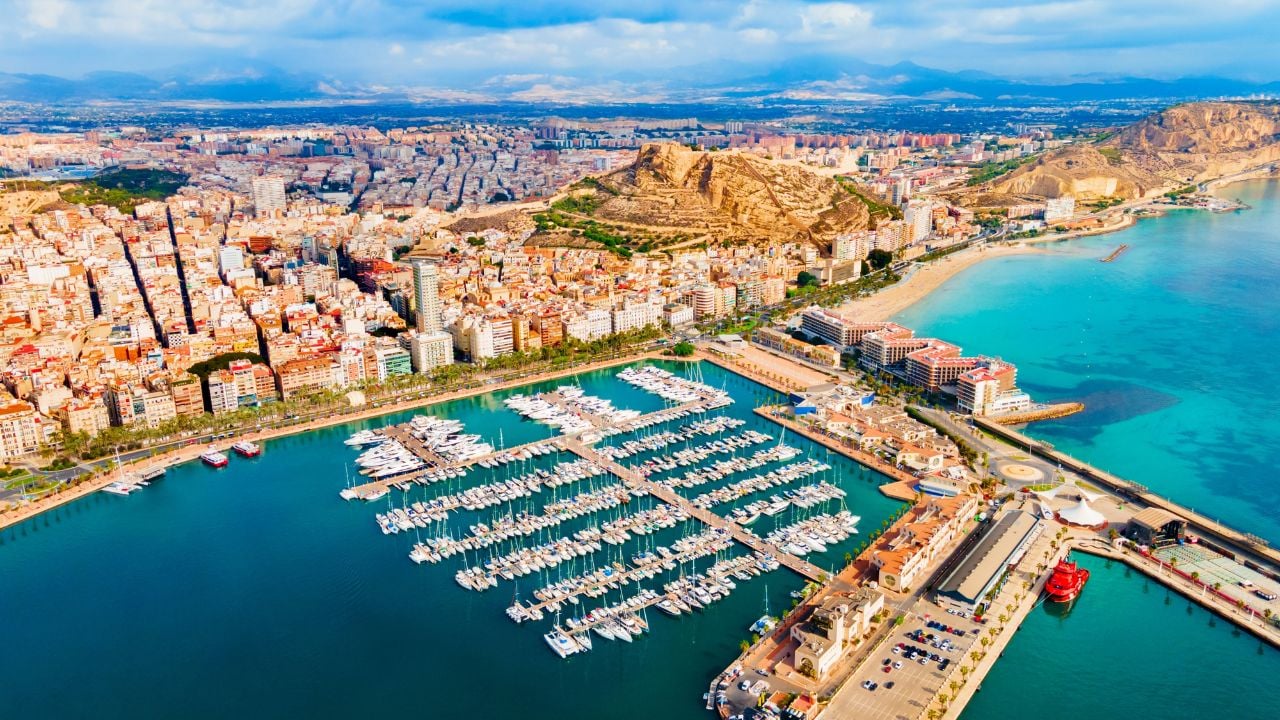
Valencia gives visitors beaches, markets, orange trees, old gates, futuristic architecture, and long green park space without the constant intensity of Spain’s most crowded tourist centers.
Official visitor guidance says travelers can get around Valencia by bus, metro, tram, walking, or cycling. Visit Valencia’s transport information highlights 60 bus lines, 6 metro lines, 4 tram lines, and a large metropolitan-route network.
The layout keeps a short stay manageable. Visitors can spend the morning in the historic center, cross the Turia gardens, visit the City of Arts and Sciences, and still leave time for the beach instead of treating the day like a race.
Cycling is one of the easiest ways to connect the city’s flatter central areas and green spaces. A good Valencia plan uses the historic center, Turia gardens, and waterfront as separate blocks rather than trying to cross the whole city repeatedly.
5. Galway, Ireland
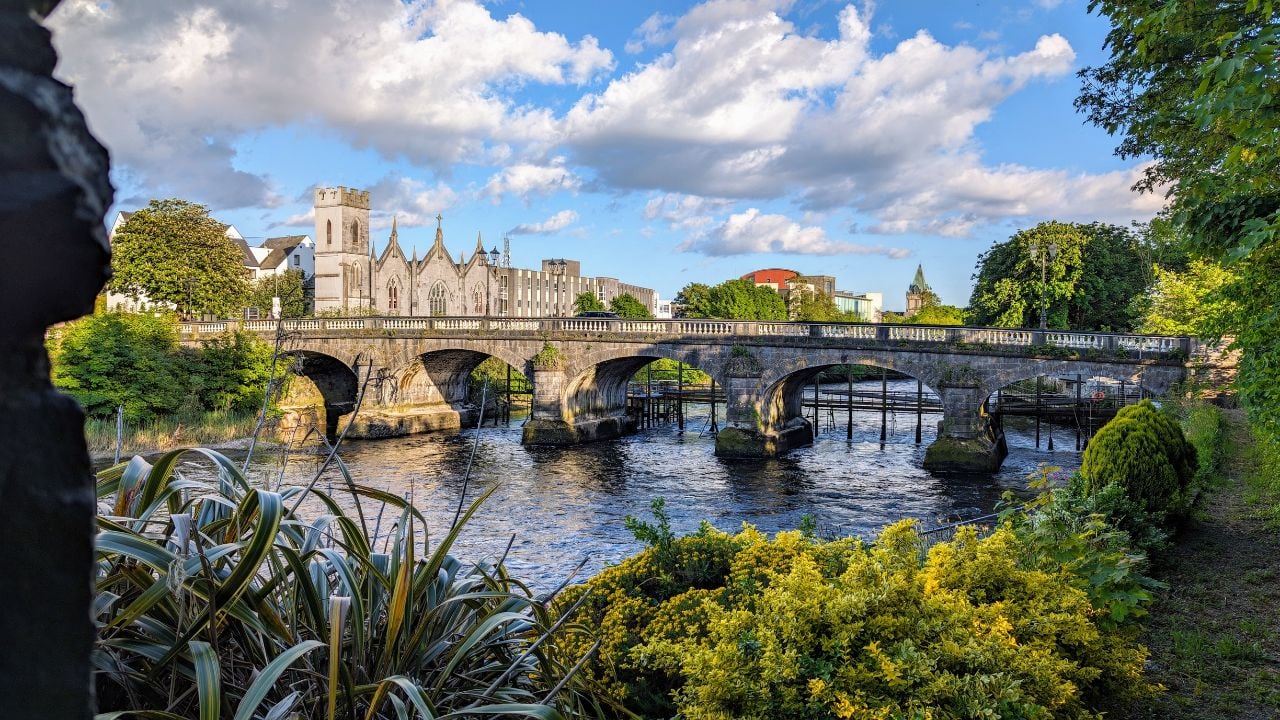
Galway has music, pubs, seafood, colorful streets, medieval traces, and a short walk toward the water. The city does not depend on perfect weather or a long attraction list to make the day worthwhile.
Discover Ireland says the Galway Tourist Information Centre offers free, personalized advice, maps, literature, and local knowledge. Its travel advisors can help visitors with attractions, medieval heritage, historic landmarks, traditional music, beaches, the seaside promenade, events, and festivals.
That support matters for a short stay because visitors can ask a real person what fits the day’s weather, music schedule, and available time. A wet afternoon can become a pub, museum, food, or live-music plan instead of a wasted day.
Galway is best with space left open. Plan one meal, walk the Latin Quarter and Spanish Arch, check the music options, and keep room for the kind of small discovery that does not appear on a strict itinerary.