Cleaning up after a Fourth of July show is the safest part of the celebration, after all the action and chaos of blowing fireworks. But for one group of Texas residents, that’s when things took an unexpected turn.
After gathering up what they believed were spent fireworks and placing the debris in the truck bed, they suddenly found themselves dealing with a burning pickup truck and had to call for help.
Firefighters from the North Montgomery County Fire Department responded past Friday evening to Emerson Estates near Highway 105 East after receiving reports of a pickup truck engulfed in flames.
According to the Montgomery County Fire Marshal’s Office, the fire was traced back to fireworks that had been discharged earlier in the evening. The officials did not report any injuries.
How Badly Was the Tundra Damaged
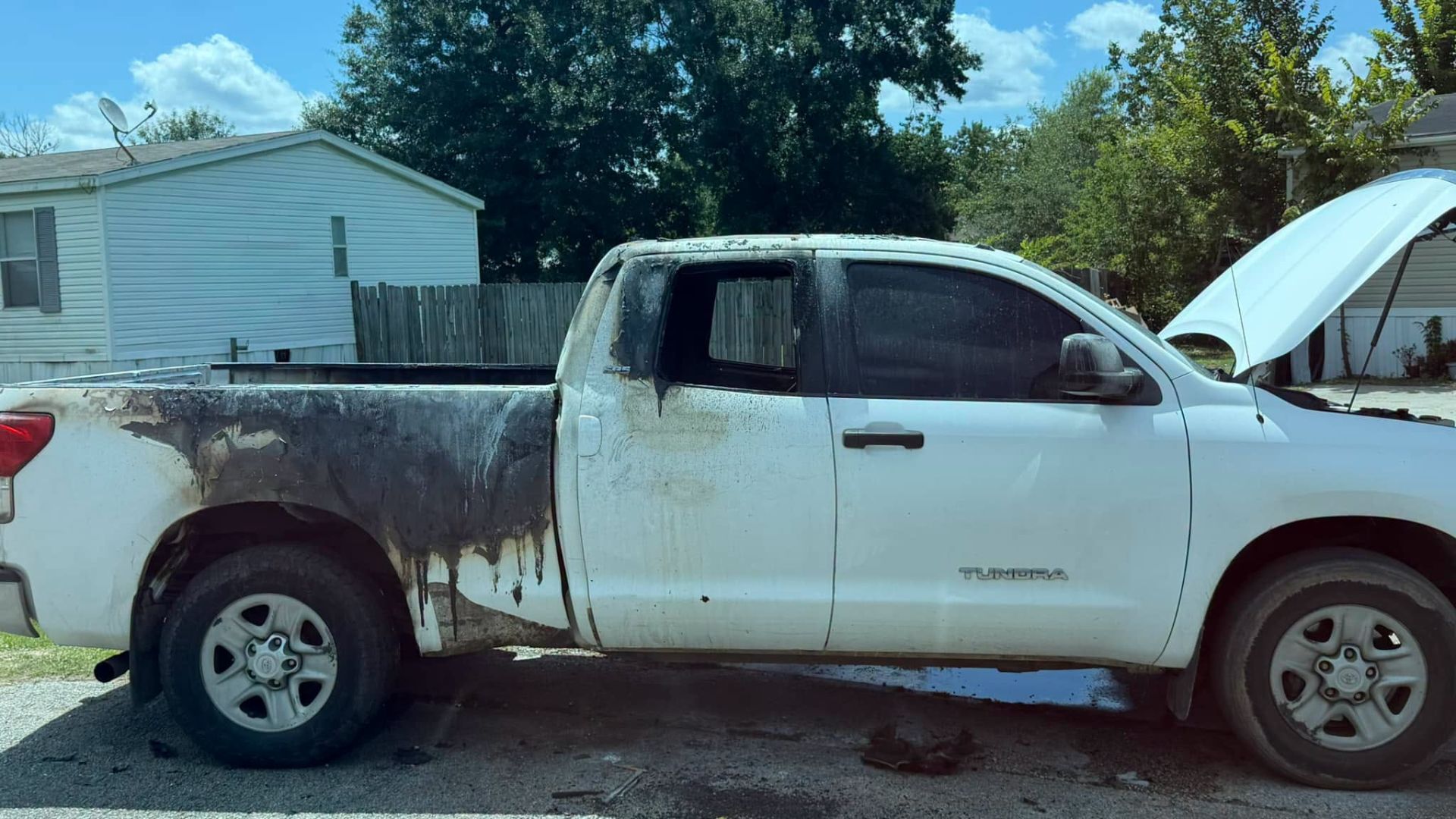
The Montgomery County Fire Marshal’s Office shared a photo of the aftermath of the fire, revealing just how much damage the blaze caused to the pickup. The white vehicle appears to be a second-generation Toyota Tundra regular cab, and while the front of the truck looks largely untouched, the rear half tells a very different story.
The truck bed, where the spent fireworks had been placed, suffered the most severe damage. Much of the paint on the driver’s side of the bed has been burned away, exposing blackened metal covered in soot. The fire also spread forward into the cab, scorching the roof above the driver’s side and leaving the rear portion of the cab heavily smoke-stained. Also, the driver’s side window appears to have been destroyed by the intense heat.
Even though the hood is open in the photo, there are no obvious signs that the fire reached the front or the engine bay. Also, the tires and wheels appear untouched. Instead, much of the damage appears concentrated around the truck bed and the rear section of the cab, consistent with investigators’ finding that the fire started where the discarded fireworks had been placed.
The Biggest Mistake Happened During Cleanup
Fireworks are often associated with burns and grass fires. As unusual as this fire may sound, officials say it’s exactly the kind of situation that can happen when the fireworks stop popping, and the smoke clears, then the leftover tubes, cardboard, and debris are viewed as harmless.
Tossing them into the nearest trash can, or, in this case, the bed of a truck, is a big no-no. The fire officials made a post that said the debris can be deceiving, as hidden hot spots can continue smoldering long after the fireworks seem to have burned out.
It’s an easy mistake, and the incident has prompted the Montgomery County Fire Marshal’s Office to remind people that properly disposing of fireworks is just as important as using them safely. A few extra minutes during cleanup could mean the difference.
Fire Officials Say a Few Extra Minutes Could Prevent a Costly Mistake
The incident prompted the Montgomery County Fire Marshal’s Office to remind people that properly disposing of fireworks is just as important as using them safely. A few extra minutes during cleanup could mean the difference between wrapping up a holiday celebration and watching your car go up in flames.
The fire officials recommended treating every spent firework as if it could still ignite. They advised soaking all used fireworks, including any duds, in a bucket of water for at least 15 minutes. Also, they recommend leaving the debris submerged overnight as it provides an extra margin of safety, especially after larger neighborhood displays.
Once the fireworks are completely soaked, the Fire Marshal’s Office recommends draining the excess water before sealing the debris inside a plastic bag to help keep it damp. Allowing the material to dry out too quickly can create conditions for lingering hot spots to flare back up, even after the fireworks seem cold to the touch.
The final step is just as important. Officials say the sealed bag should be placed well away from homes, vehicles, garages, or anything else that could catch fire if the debris unexpectedly reignites. It’s a simple precaution, but as this incident shows, overlooking it can turn into an expensive lesson.