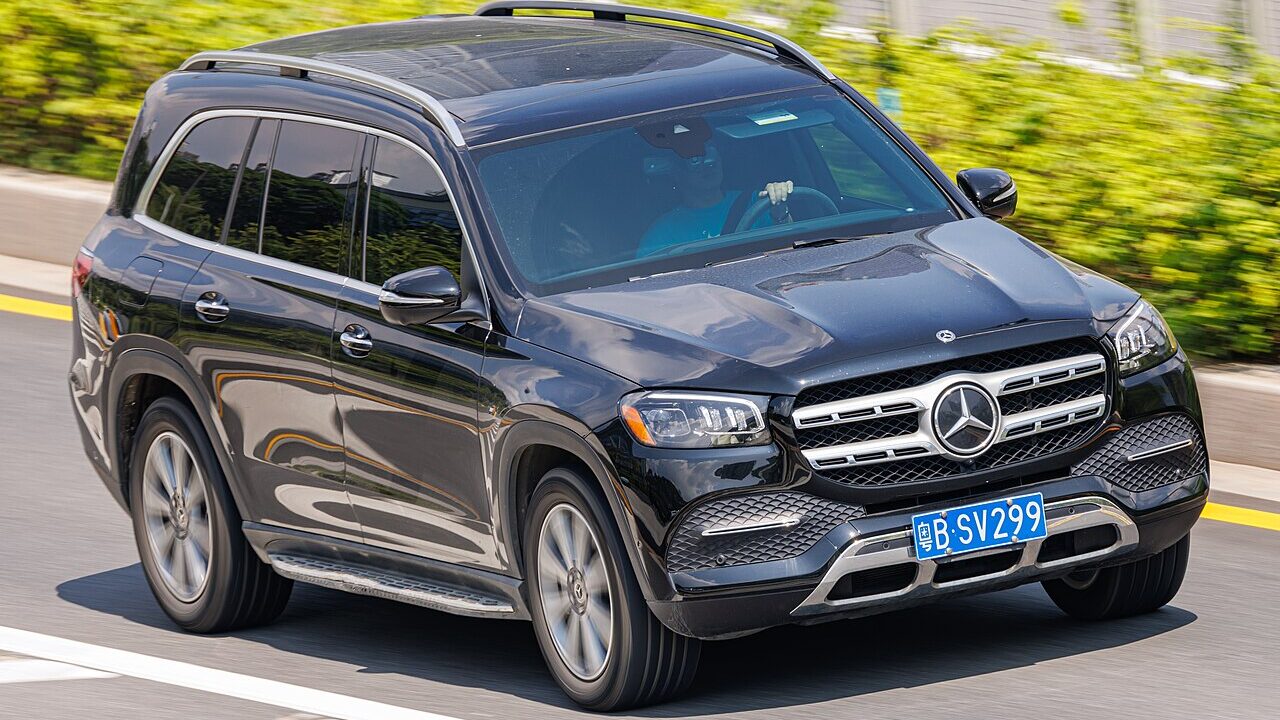

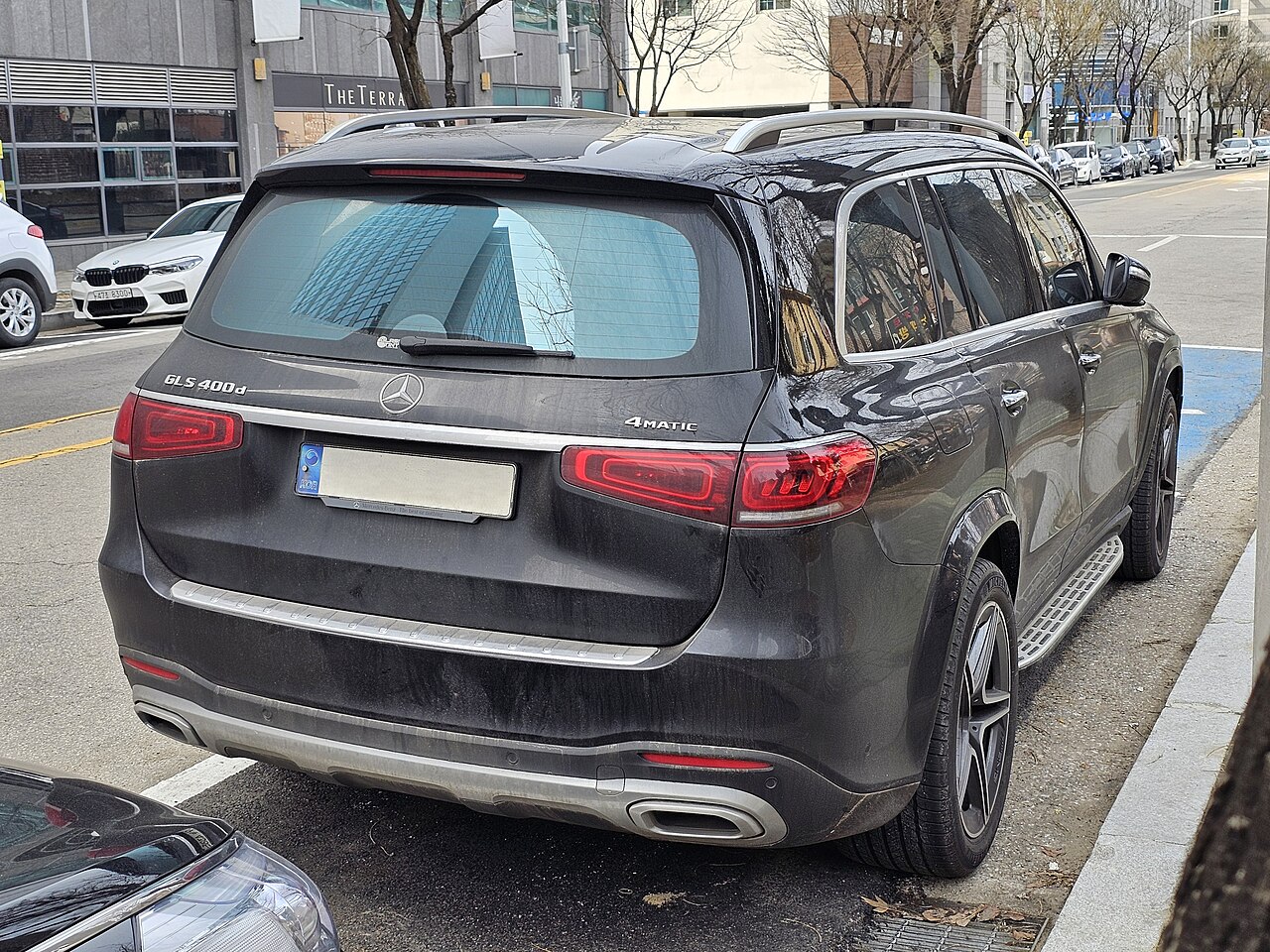
In a city where traffic cameras are a common sight, one driver has taken breaking the rules to an extreme. A 2024 Mercedes‑Benz GLS‑Class owner in New York City has racked up over $95,000 in unpaid traffic camera fines.
The staggering total is the result of years of repeated violations and represents one of the highest balances ever recorded under the city’s automated enforcement system.
New York City has long relied on speed and red-light cameras to keep streets safe, particularly around schools and in busy neighborhoods. These cameras catch drivers who exceed speed limits or run red lights, and fines are automatically issued based on vehicle registration.
While most drivers treat these tickets as a nuisance, for this Mercedes owner, they became a massive accumulation.
‘Super Speeders’ and the Luxury Vehicle Disparity
The situation highlights a category of drivers the city and advocacy groups have labeled “super speeders.” These individuals accumulate sixteen or more traffic camera tickets within a year.
Although super speeders represent only a tiny fraction of registered vehicles in the city, their repeated violations result in millions of dollars in fines.
According to data analyzed by Transportation Alternatives and Families for Safe Streets, super speeders collectively racked up more than ten million dollars in fines last year alone.
Luxury vehicles appear disproportionately among the highest offenders. BMWs, Audis, and Mercedes‑Benzes frequently show up in the super speeder lists, suggesting that wealth may reduce the deterrent effect of automated fines.
The Mercedes in question stands out not only for the sheer amount owed but also because the owner continues to drive legally despite the mounting debt.
The fines cover a wide range of violations, including speeding, running red lights, and other infractions captured by the city’s extensive camera network. Each violation may seem minor when viewed individually, often carrying fines of less than a few hundred dollars. Over time, however, the accumulation becomes staggering. For this driver, the $95,000 total represents hundreds of individual tickets, many of which remain unpaid for months or even years.
Safety Tool or Revenue Engine? The Debate Intensifies
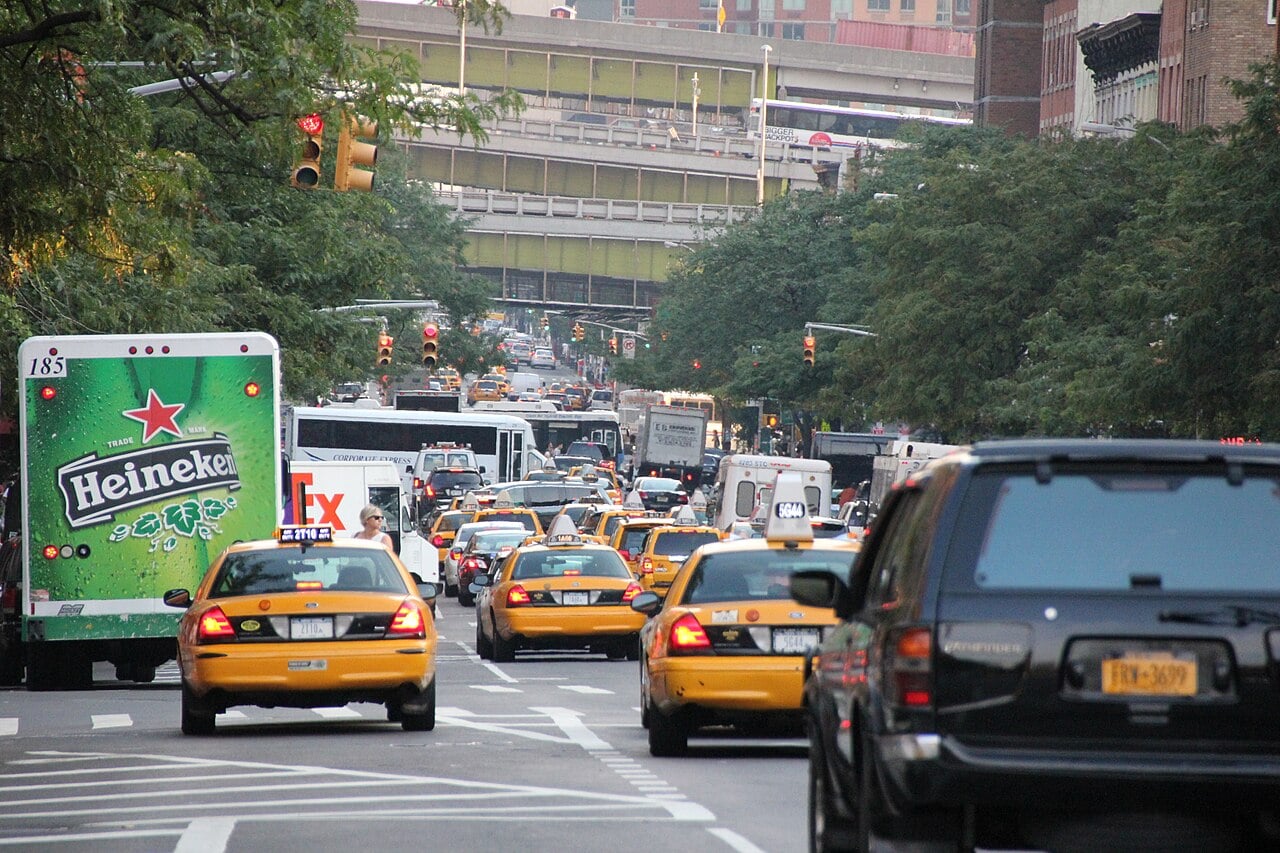
City officials and advocacy groups point out that the automated enforcement system is designed to reduce accidents and improve public safety. Studies indicate that speed cameras in New York City have successfully decreased speeding in school zones and other high-risk areas.
Despite this, repeat offenders like the Mercedes owner continue to evade serious consequences beyond the financial penalties.
The story of this super speeder also raises questions about fairness and enforcement.
While ordinary drivers may face license suspension or vehicle registration holds for repeated violations, wealthy drivers with expensive vehicles may be able to absorb the cost more easily, inadvertently undermining the deterrent purpose of traffic cameras.
Lawmakers and city agencies may be exploring ways to address this disparity, including stricter enforcement measures and legislation targeting chronic offenders.
When Fines Become a ‘Subscription Model’ for Speeding
Critics of New York City’s camera program argue that automated enforcement has quietly evolved into a revenue engine. With hundreds of speed cameras operating around the clock, especially in school zones, tickets are issued automatically with little discretion.

Each violation typically carries a relatively modest fine. On paper, that sounds reasonable. In practice, opponents say the scale of enforcement turns small penalties into a massive stream of predictable income.
Advocacy groups skeptical of the program point to the sheer volume of tickets issued annually. Millions of violations translate into hundreds of millions of dollars flowing into city coffers. When you combine that with cases like the Mercedes-Benz GLS owner who allegedly owes nearly $95,000, it raises a fair question.
If one vehicle can rack up hundreds of violations without being physically impounded or disabled, is the system truly designed to stop dangerous behavior, or simply to monetize it?
Some argue that if safety were the sole priority, the city would escalate consequences more aggressively for chronic offenders. Instead of allowing unpaid fines to balloon, the city could consider mandatory driver retraining, vehicle seizure for extreme repeat violations, or technological interventions that prevent continued infractions.
From that perspective, allowing a driver to continue operating a vehicle while fines accumulate could be seen as counterproductive to public safety goals.
The Data Debate and the Path Forward
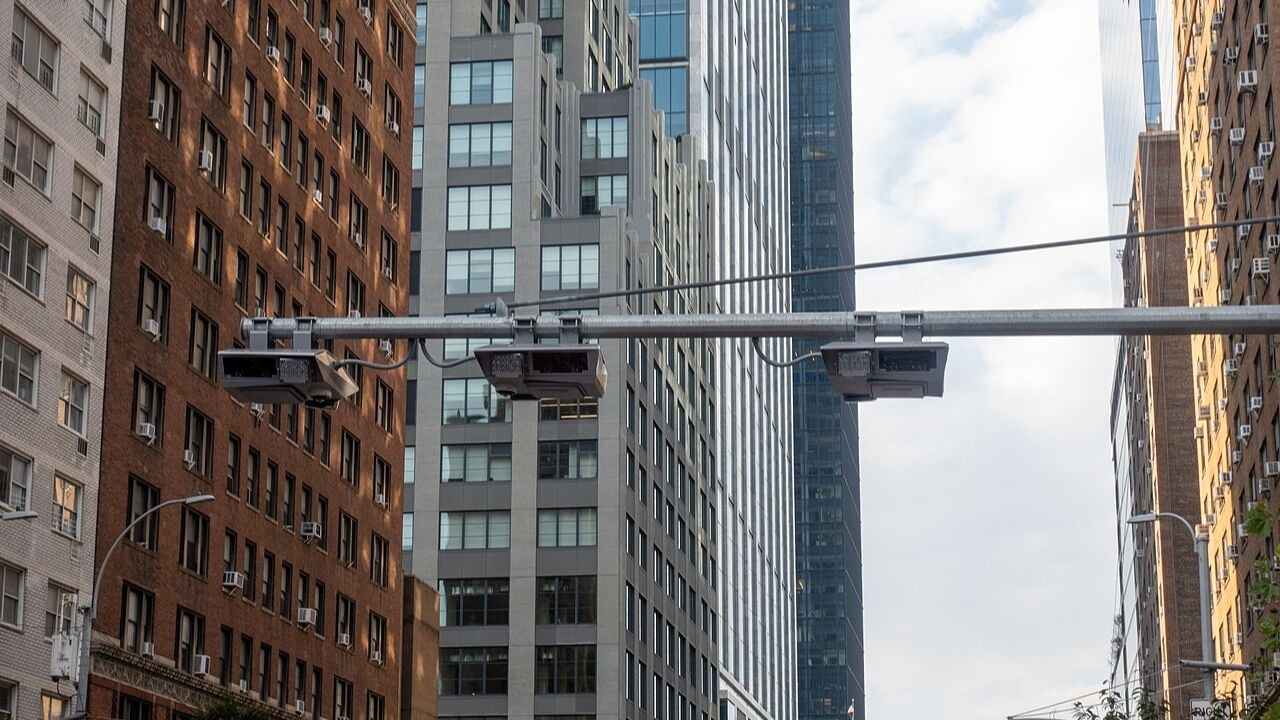
City officials and traffic safety advocates push back hard on the revenue narrative. They cite data showing that speed cameras have reduced speeding in monitored corridors, particularly around schools. They argue that cameras are deployed based on crash data and injury trends, not on income projections.
In this view, revenue is incidental, and ideally declining over time as compliance improves.
Still, perception matters. When luxury vehicles appear disproportionately among the highest ticket totals, and when balances climb into five figures without immediate intervention, it can reinforce the belief that fines function more like a pay-to-play system than a deterrent.
For wealthier drivers, a $50 or $100 ticket may not meaningfully alter behavior. Multiply that by dozens or even hundreds of violations, and the program begins to look less like prevention and more like a subscription model for speeding.
The Mercedes case crystallizes that tension. On one hand, automated enforcement captured repeated violations exactly as designed. On the other, the system allowed the behavior to continue long enough for the total to approach six figures.
Whether that represents effective enforcement or a structural flaw depends largely on where one stands in the broader policy debate.
In the meantime, New York City continues to expand its controversial traffic camera program and monitor super speeders closely. The hope is that stricter enforcement and public awareness will encourage all drivers to comply with the rules.
Sources: Road & Track