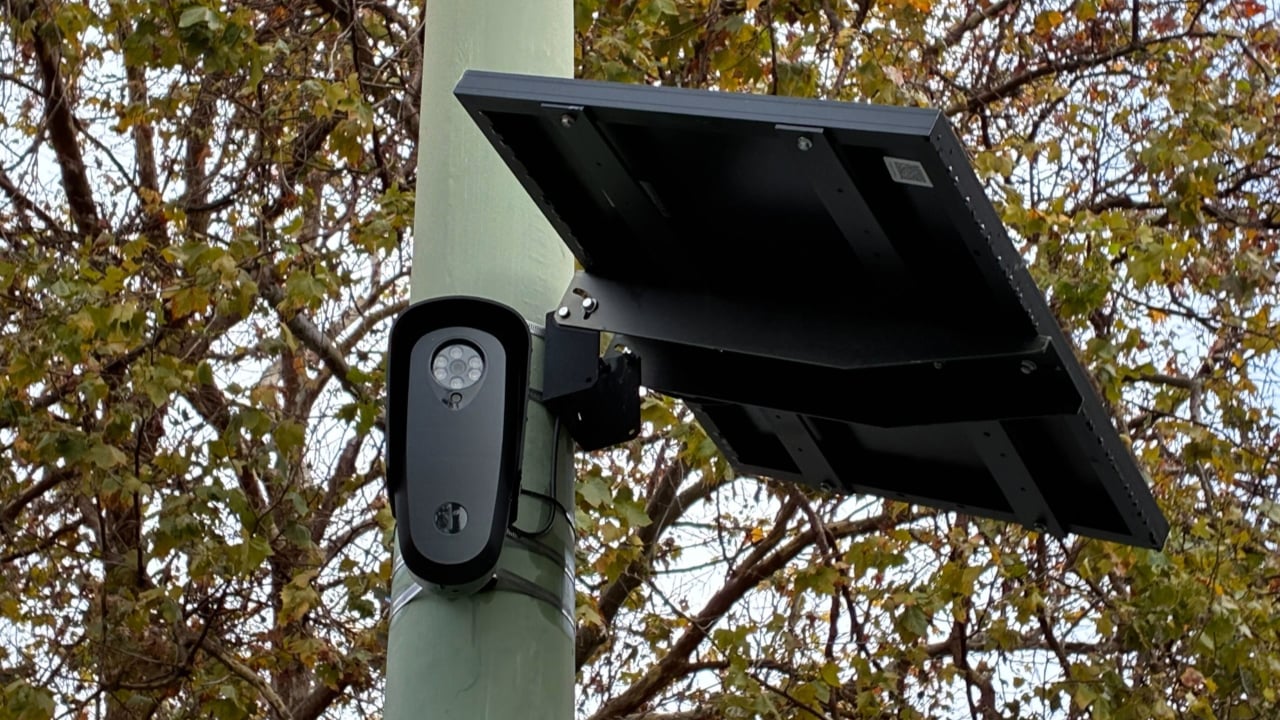
Automated license plate readers have become a popular tool for police departments looking to combat crime with fewer resources. But in Oakland, California, the technology appears to have generated more information than officers could realistically act upon.
According to a newly released report from the Oakland Police Department, the city’s network of Flock Safety cameras produced more than 1.09 million hotlist alerts during 2025. Of those, more than 620,000 were linked to stolen vehicles or stolen license plates. The sheer volume reportedly became so overwhelming that officers left certain stolen vehicle alerts disabled because they lacked the resources to respond effectively.
The situation has sparked fresh debate over whether surveillance technology marketed as a “force multiplier” can actually deliver on that promise without adequate staffing and infrastructure.
A System Marketed as a Force Multiplier
Automated license plate reader systems are often promoted as a way to help understaffed departments identify suspects, recover stolen vehicles and track criminal activity in real time. Supporters argue that the technology allows officers to work more efficiently and increase their reach.

Oakland’s experience, however, suggests that more information does not necessarily translate into better results. With more than a million alerts generated in a single year, the department struggled to separate actionable intelligence from sheer volume.
Despite the challenges, Oakland police officials have continued to describe the cameras as one component of a broader strategy aimed at reducing crime.
During a meeting of the city’s Privacy Advisory Commission, Lieutenant Gabriel Urquiza reportedly emphasized that the technology works alongside other policing efforts rather than replacing them entirely.
Critics Question What the Numbers Really Show
Not everyone agrees that the headline figure of more than one million alerts tells the whole story. Critics argue that individual vehicles can trigger numerous alerts as they repeatedly pass different cameras over several days or weeks.
That means the number of notifications may not represent one million unique incidents, but rather repeated sightings of the same vehicles. Some observers have argued that the enormous amount of data simply creates excessive noise for officers trying to prioritize more urgent calls.
Bryan Culbertson, one of the critics highlighted in discussions surrounding the report, argued that only around 3,000 vehicles had actually been stolen during the period in question. According to that view, the system generated dozens of alerts for the same vehicles, creating a workload that no department could reasonably manage.
Others have defended the technology, noting that the challenge may lie more with staffing limitations than with the cameras themselves.
Questions Over the Future of Data-Driven Policing
The controversy highlights a growing issue facing law enforcement agencies across the United States. Advances in surveillance and automated systems have made it easier than ever to collect information, but gathering data is only valuable if departments possess the manpower and resources needed to act on it.
California has invested heavily in Flock camera networks, with hundreds of cameras installed throughout Oakland and the wider East Bay area to help combat violent crime, auto theft and organized criminal activity. Officials previously described the technology as an important public safety investment.
Oakland’s experience now raises broader questions about the balance between technology and practical policing. If automated systems produce more leads than officers can handle, departments may have to reconsider how alerts are prioritized and whether additional resources are needed.
Ultimately, the situation illustrates a simple reality: technology can generate vast amounts of information, but turning that information into effective action remains dependent on the people tasked with responding to it.