Advanced driver-assistance tech is everywhere in today’s cars. It promises to make driving safer and easier, at least in theory. Take Ford’s BlueCruise. It lets you take your hands off the wheel on certain highways, but you’re still supposed to pay attention and stay ready to jump in if needed.
After two recent fatal crashes involving Ford vehicles using BlueCruise, the National Transportation Safety Board (NTSB) started digging deeper. Their investigation raised new questions about how people are really using these systems and what happens when they miss the mark.
NTSB Investigation
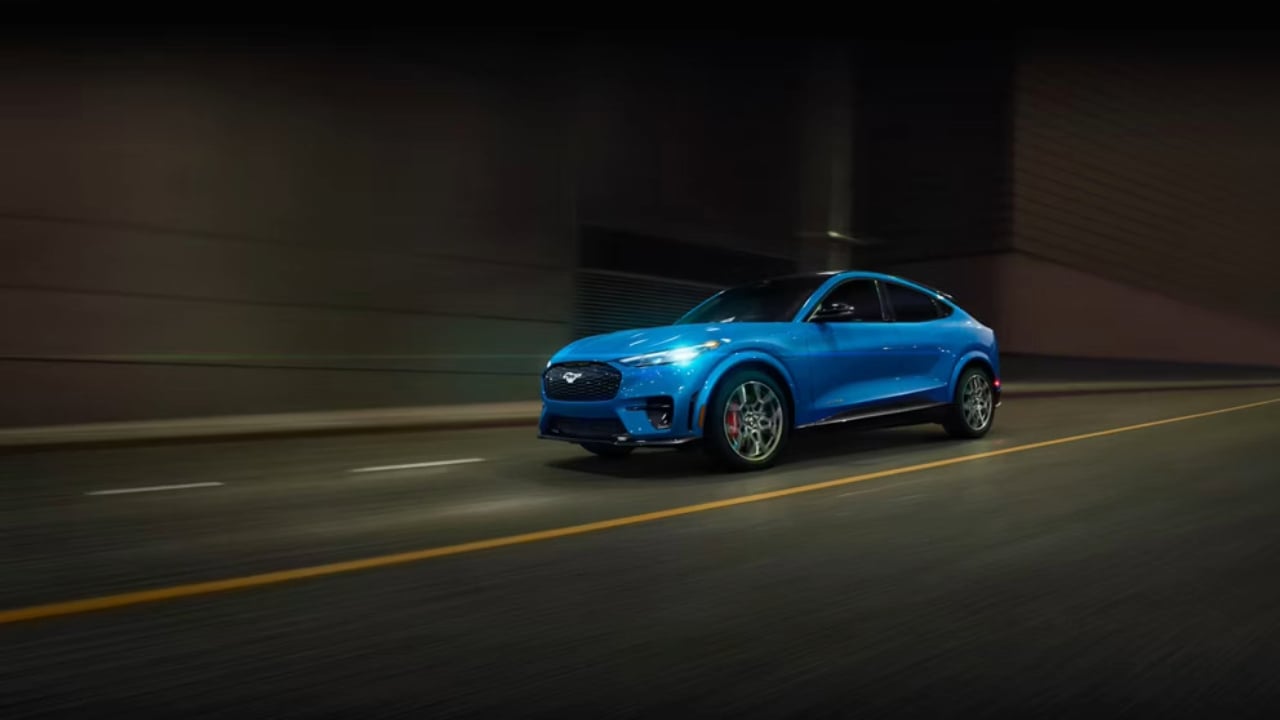
The NTSB looked at two 2024 crashes, both involving Ford Mustang Mach-E SUVs with BlueCruise activated. BlueCruise handles speed, steering, and lane position on pre-mapped highways while the driver can sit back with hands off the wheel.
But there is an important catch. BlueCruise is a Level 2 driver-assistance system. That means drivers cannot tune out. They are supposed to stay alert and remain fully responsible for what happens on the road.
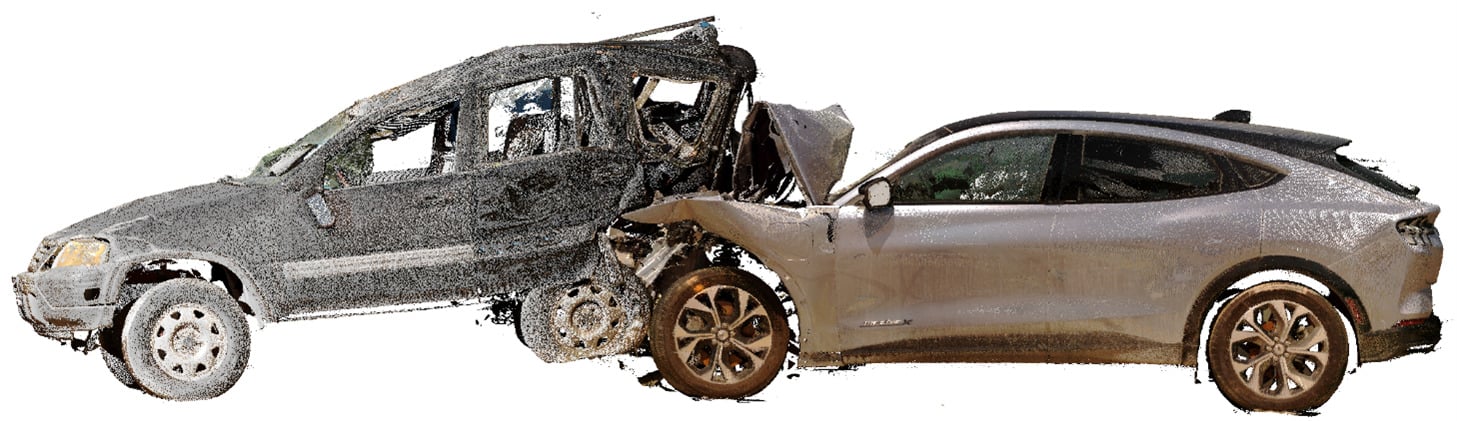
In both cases, the vehicles slammed into stopped cars on the highway. In one crash, another driver swerved to avoid a car that had stopped ahead. The Ford using BlueCruise kept going straight and smashed into the stationary vehicle, killing one person. Data later showed the driver did not attempt to steer or brake before the crash.
Across the two crashes, three people lost their lives. Investigators said the drivers were distracted and relied too heavily on BlueCruise instead of watching the road themselves.
It highlights a difficult balance. New technology can make driving less stressful, but it only works if drivers remember to stay engaged.
Driver’s Overreliance on Technology
The NTSB’s findings focused heavily on driver behavior. According to investigators, the drivers placed too much faith in BlueCruise and checked out instead of monitoring the road.
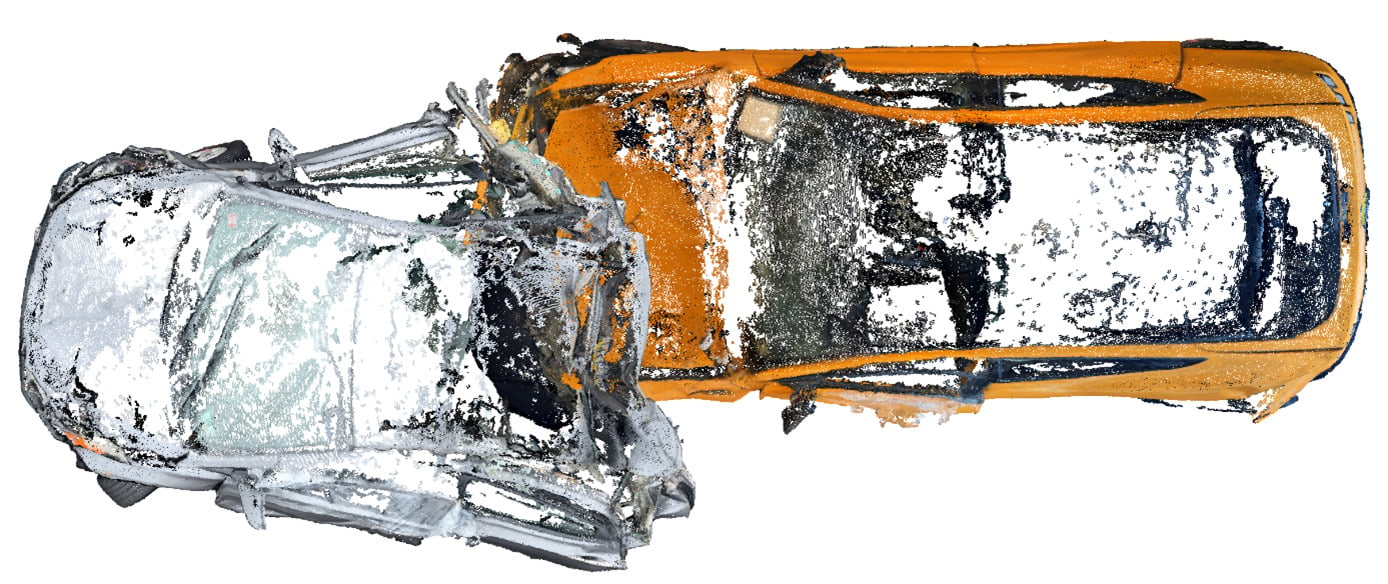
BlueCruise can assist with highway driving, but it is not a self-driving car. The driver remains in control. Yet in both crashes, neither driver tried to brake or steer away before impact.
Experts say this kind of overconfidence is becoming more common as driver-assistance systems improve. When a system seems capable of handling most tasks, drivers can start to trust it too much. Over time that trust can turn into complacency.
NTSB Chair Jennifer Homendy has warned that partial automation can be a double-edged sword. It can make driving easier, but it can also encourage drivers to let their guard down. She has urged automakers and regulators to design systems that keep drivers engaged and aware.
The challenge for the industry is finding the right balance. Automakers want to offer convenience and advanced features, but drivers still need to remember that they are responsible for the vehicle.
System Limitations
Investigators also found several limitations in the BlueCruise system itself. The technology did not always recognize stopped vehicles in the roadway. In some situations, the system continued traveling at highway speeds even when conditions called for caution.
The driver-monitoring features also raised concerns. BlueCruise includes technology meant to ensure the driver is paying attention, but investigators found it sometimes failed to detect when drivers were distracted or disengaged.
Following the investigation, the NTSB called for stronger federal oversight of driver-assistance technologies. The agency recommended clearer safety standards and stronger performance requirements as these systems become more common in modern vehicles.
Regulators such as the National Highway Traffic Safety Administration (NHTSA) are already examining advanced driver-assistance systems and how they perform in real-world driving. Safety officials believe current regulations may not fully address the risks that come with semi-autonomous driving technology.
These crashes highlight an important reality. Technology cannot replace an attentive driver. Systems like BlueCruise can help reduce fatigue and assist with long highway drives, but they still depend on human supervision.
When drivers become too relaxed and assume the vehicle will handle everything, the consequences can be severe. This is especially true when the technology itself still has limitations.
Looking ahead, automakers will continue developing new automated features. At the same time, regulators and safety experts are pushing for clearer rules, stronger monitoring systems, and better driver education.
The goal is straightforward. Advanced technology should help make roads safer, not introduce new risks for drivers and everyone around them.