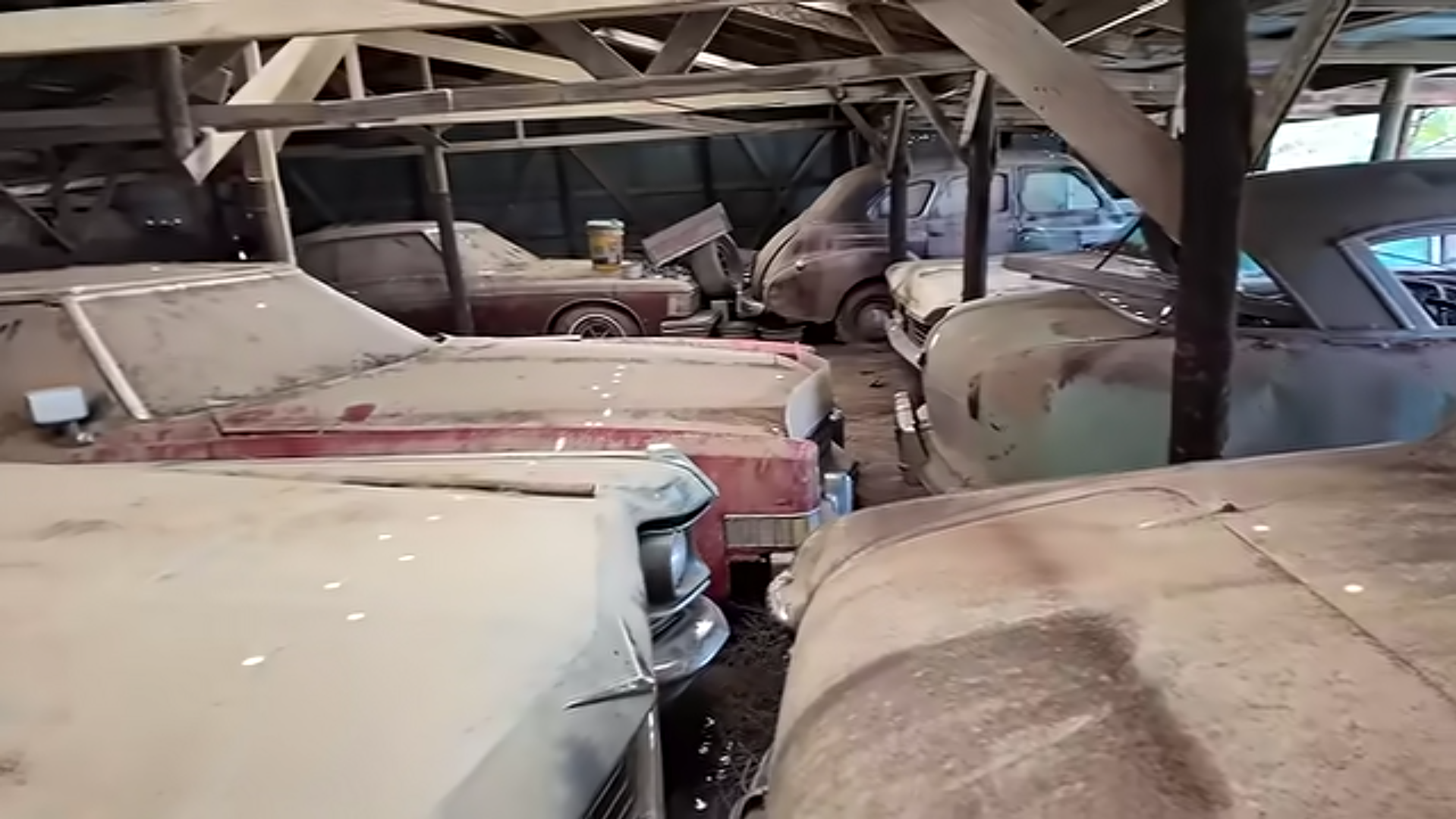
Some car collections are carefully arranged in climate-controlled warehouses, with polished floors and every vehicle cataloged under soft lighting. This one is very different, with more than 3,500 classic cars spread across a remote Kansas property, many sitting in long rows beneath the open sky.
The massive collection belongs to Tom Reed, an 85-year-old enthusiast who has reportedly been gathering vehicles since 1955. His property includes outdoor fields, sheds, barns, trailers, and outbuildings packed with everything from familiar American classics to obscure trucks and long-forgotten project cars.
David Newbern and his crew visited the site during a cross-country trip in their newly built ramp truck. What began as a search for another project quickly turned into a tour through one of the most overwhelming privately owned collections they had ever encountered.
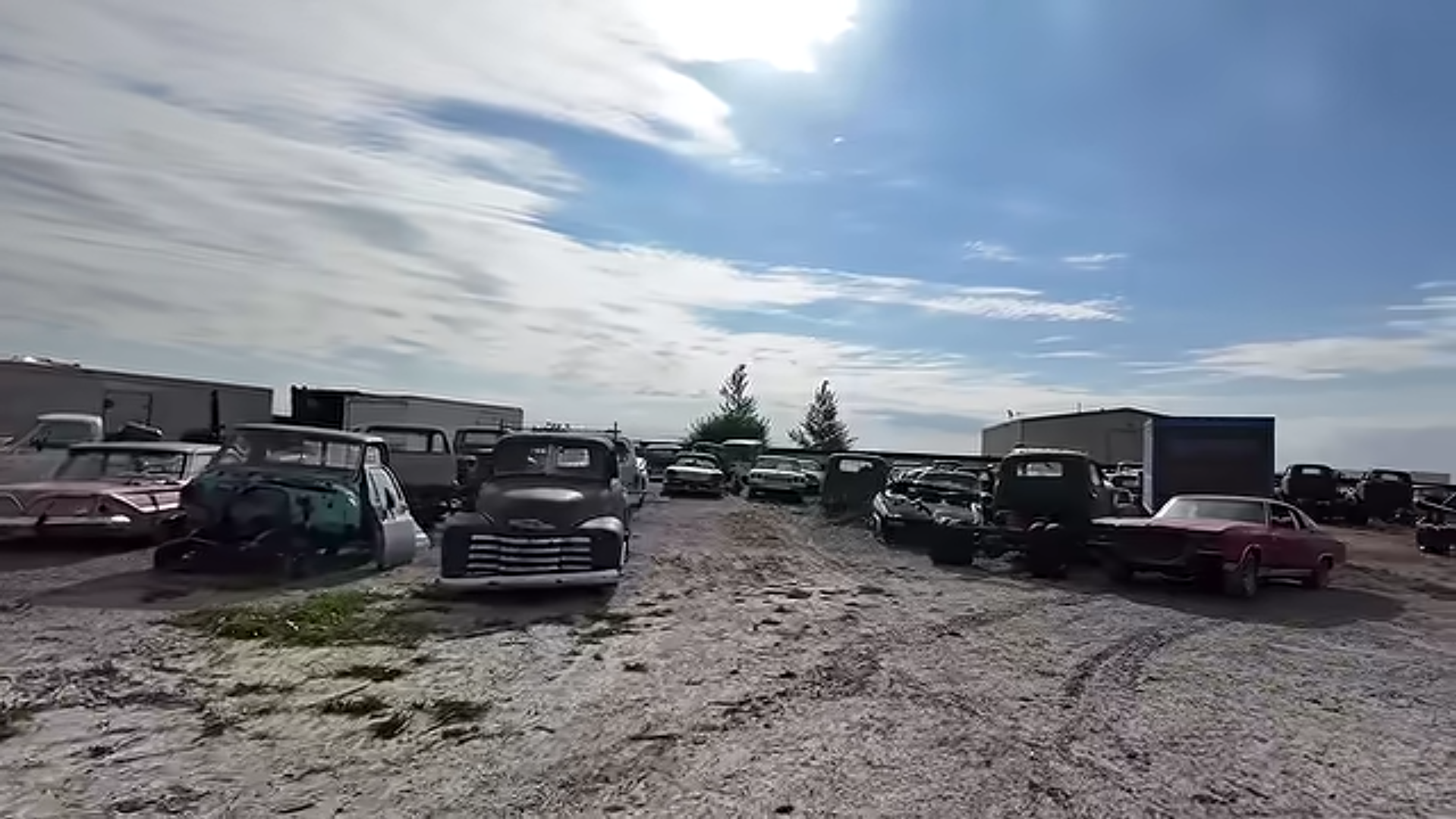
Photographs apparently failed to prepare the group for the true scale of the place. Rows of vehicles seemed to stretch into the distance, with thousands of cars still waiting to be explored long after the crew had already found more potential projects than they could reasonably haul home.
Thousands Of Cars Hidden In Rural Kansas
The journey began after the crew left a major automotive event in Tulsa and headed toward Scott City, Kansas. There they met enthusiast Scott Andrews, who had invited Newbern to visit his own lots before introducing him to Reed’s enormous farm collection.
Andrews estimated that Reed owned more than 3,500 vehicles, accumulated across roughly seven decades of collecting. The property sat well off the beaten path, making the sight of so many vintage cars in one location even more unexpected.
The collection was not limited to one make, model, or era. Chevrolet sedans, Buick Rivieras, old Cadillacs, Nash models, trucks, hearses, military vehicles, tractors, and unusual compact cars appeared throughout the property.
Rare Cars Were Mixed With Everyday Survivors
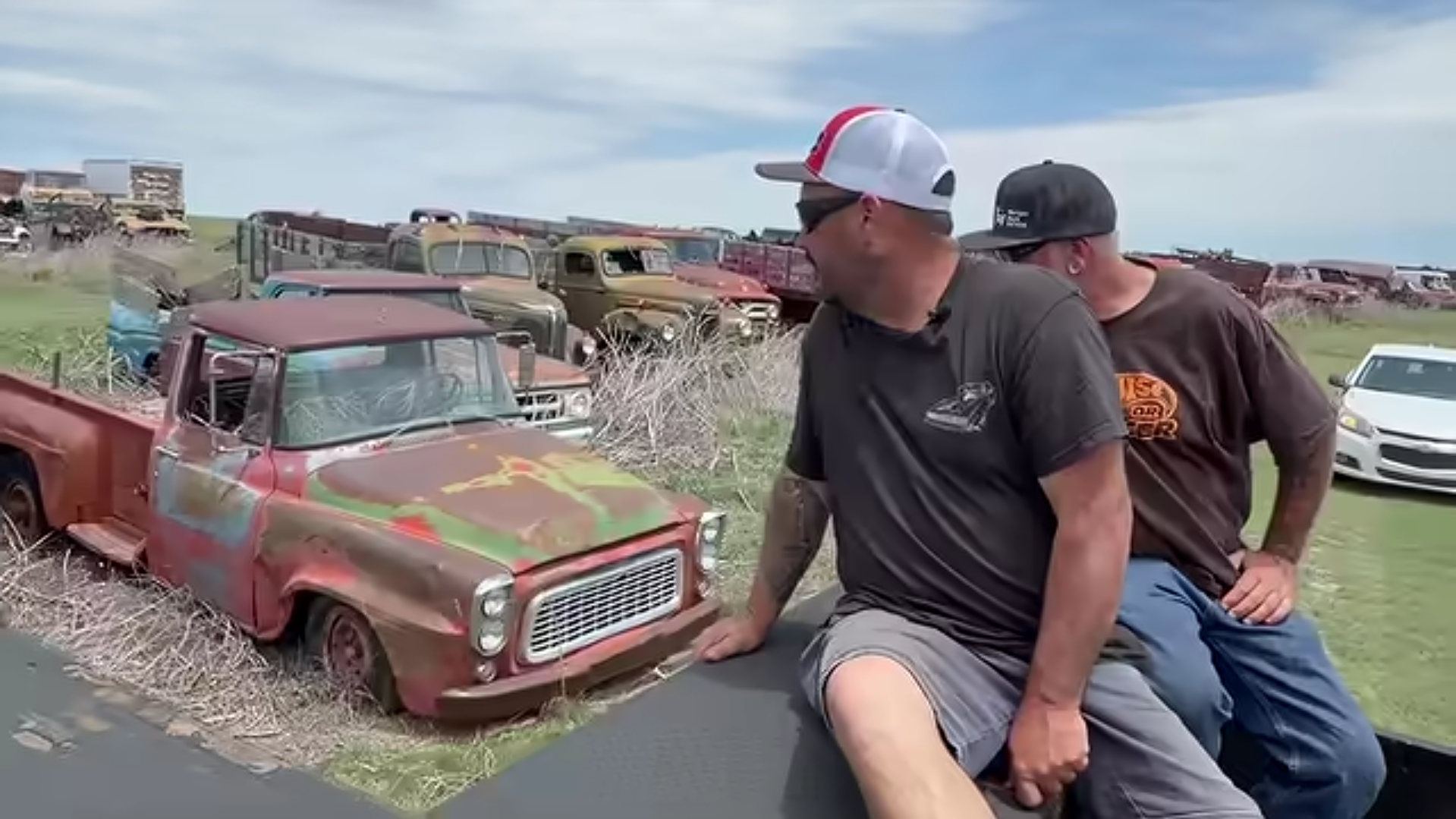
Several vehicles immediately caught the crew’s attention, including a Henry J, a 1957 Chevrolet four-door hardtop, vintage Lincolns, and a rare Mack Junior pickup. The Mack was described as a product of a short-lived partnership involving Mack and REO, giving it a level of rarity far beyond the typical farm truck.
The collection also included vehicles connected to Reed’s personal history. One 1949 Chrysler had been purchased by Reed in 1955 and later rolled when he was 15 years old, while another battered Plymouth had been used in a demolition derby during the early 1970s.
Those stories made the property feel less like a conventional salvage yard and more like a physical record of one man’s automotive life. Some cars had obvious collector value, while others survived because Reed remembered where they came from and what had happened behind the wheel.
Barns And Buildings Held Even More Surprises
The cars stored outdoors represented only part of the collection. Several barns and sheds contained additional vehicles, parts, signs, boats, wheels, and pieces of automotive memorabilia that had been saved over the years.
One building reportedly came from a former Indian motorcycle dealership and still displayed traces of its earlier identity. Elsewhere, vehicles were tucked behind doors and inside trailers, creating the sense that another discovery waited around every corner.
The crew repeatedly described the property as impossible to absorb in a single visit. Even after hours of walking, they had explored only a fraction of the rows and buildings scattered across the farm.
Not Every Car Was Coming Home
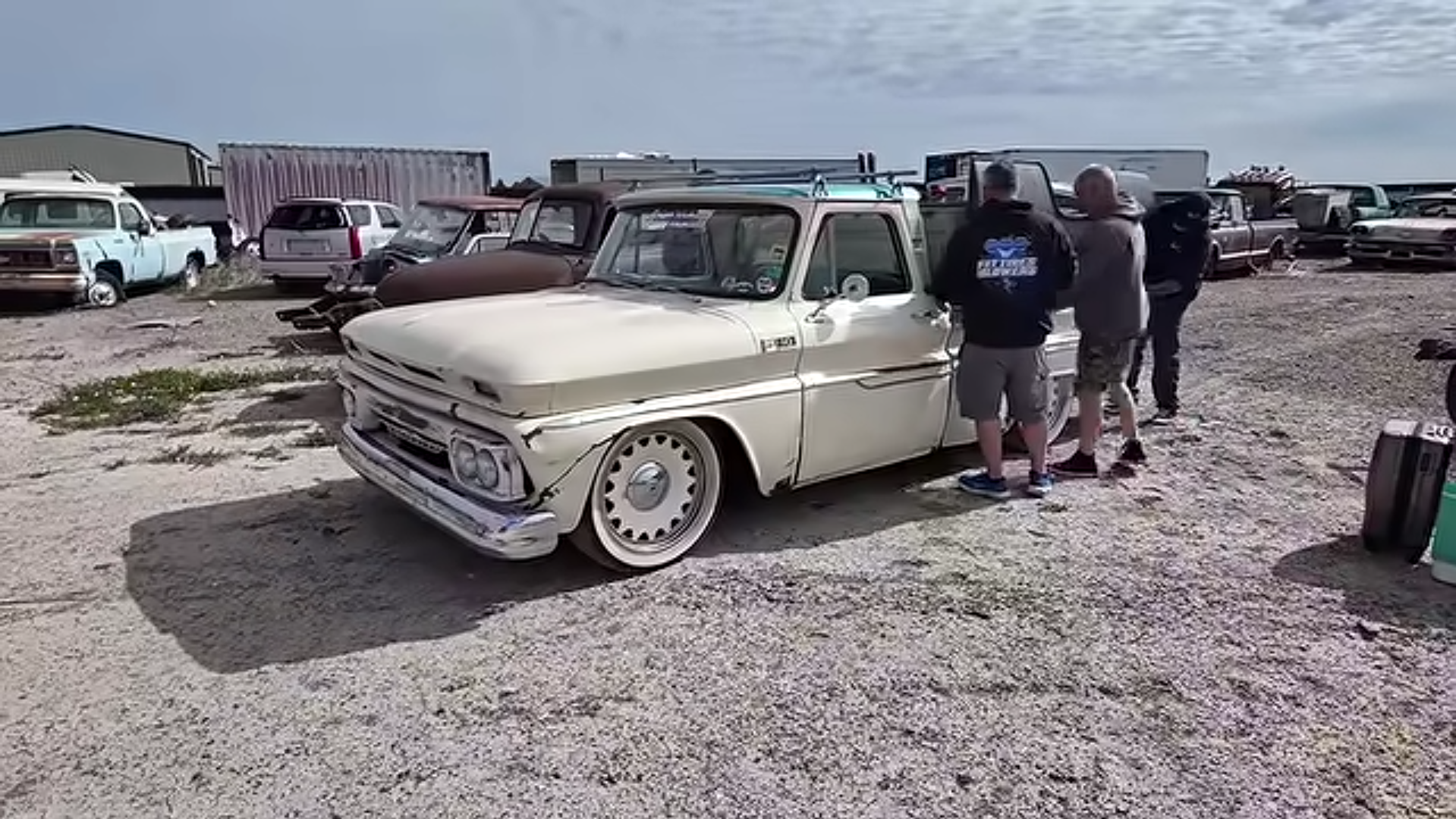
Despite the temptation, Newbern did not immediately purchase one of the major vehicles from Reed’s collection. The group found several appealing candidates, but the sheer number of possibilities made choosing a single project difficult.
They did, however, collect parts during the trip, including a bed for a Chevrolet C10 and components needed for other builds. The visit also allowed them to repair a leaking power steering system on the ramp truck using parts sourced locally.
The search continued in Wichita, where the crew visited another seller with several hundred vehicles. That stop finally produced two truck projects and additional body parts, all loaded onto the ramp truck for the trip back to Georgia.
A Collection That Feels Almost Endless
Reed’s Kansas property is remarkable not simply because of the 3,500-car estimate, but because of the variety and personal history hidden across it. Some vehicles are valuable restoration candidates, while others may be useful primarily for parts, yet nearly every row appears to contain something worth stopping to examine.
Collections of this scale are becoming increasingly rare as old salvage yards close, land changes hands, and weather continues to take its toll on vehicles stored outdoors. Reed’s farm remains an extraordinary snapshot of American automotive history accumulated one purchase, trade, and rescue at a time.
For Newbern and his crew, the visit did not end with one obvious dream car being dragged from a barn. It delivered something even harder to find: miles of automotive possibilities sitting quietly in rural Kansas, with far too much history to uncover in a single day.