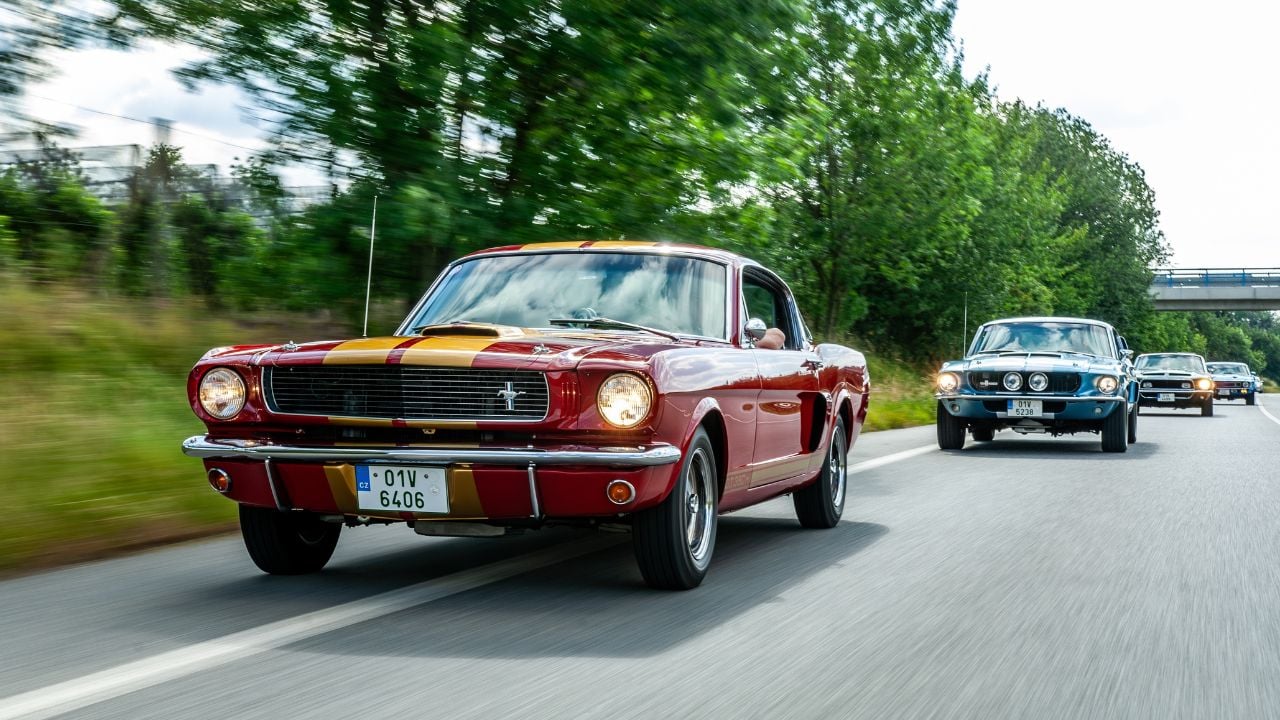
Remember cruising down Main Street in the summer of ’78, the vinyl seats warmed by the sun and the radio playing Fleetwood Mac? Back then, Camaros, Beetles, and Mustangs were just part of the daily background—no museum labels, no collectible price tags. That sense of freedom, the smell of hot asphalt and motor oil, is exactly what draws you back behind the wheel today.
But treating a restored beauty like your everyday commuter takes more than nostalgia-fueled courage. You’ll need a plan that respects both the quirks of older engineering and the memories you’re chasing. From fluid checks to lighting upgrades, here are the tips that let you recapture yesterday’s thrills without turning your commute into a mechanical scavenger hunt.
Fluid Checks and Oil Changes

When you filled your tank for 50 cents a gallon and grabbed a soda at the drive-in, no one warned you about rubber seals drying out. On a classic, low oil pressure or rusty coolant can turn your tribute to “American Graffiti” into a stranded roadside scene. Check engine oil, coolant, brake fluid, and transmission fluid before every long run. A fresh oil change every 3,000 miles or six months keeps bearings happy and recalls that pit stop ritual of the past.
Modern Lighting Upgrades

Think of your headlamps like the tailfins of the ’50s: design first, function later. Original bulbs cast about as much light as an old arcade machine. Swapping in halogen or LED bulbs designed for vintage housings brightens foggy mornings and rainy afternoons. You’ll still feel like you’re starring in a drive-in thriller, but with the safety of a modern-day co-star.
High-Quality Modern Tires

Back when whitewalls were as common as drive-through diners, traction was an afterthought. Today’s radial tires in period-correct profiles give you old-school style with grip that actually sticks in wet corners. Better traction means shorter stops at that old intersection by the bowling alley. Your classic will corner like you remember it—only with fewer heart-pounding moments.
Brake Care and Stopping Distance

Recall the blissful days before ABS and power brakes, when you measured your stopping distance in skid marks? On a classic, drum brakes and narrow shoes demand regular attention. Inspect shoes, drums, lines, and master cylinders every few months, and consider performance linings that bolt right in. Leave extra space at the light, because tailgating in a car from the Nixon era is a fast track to trouble.
Keep Filters Fresh
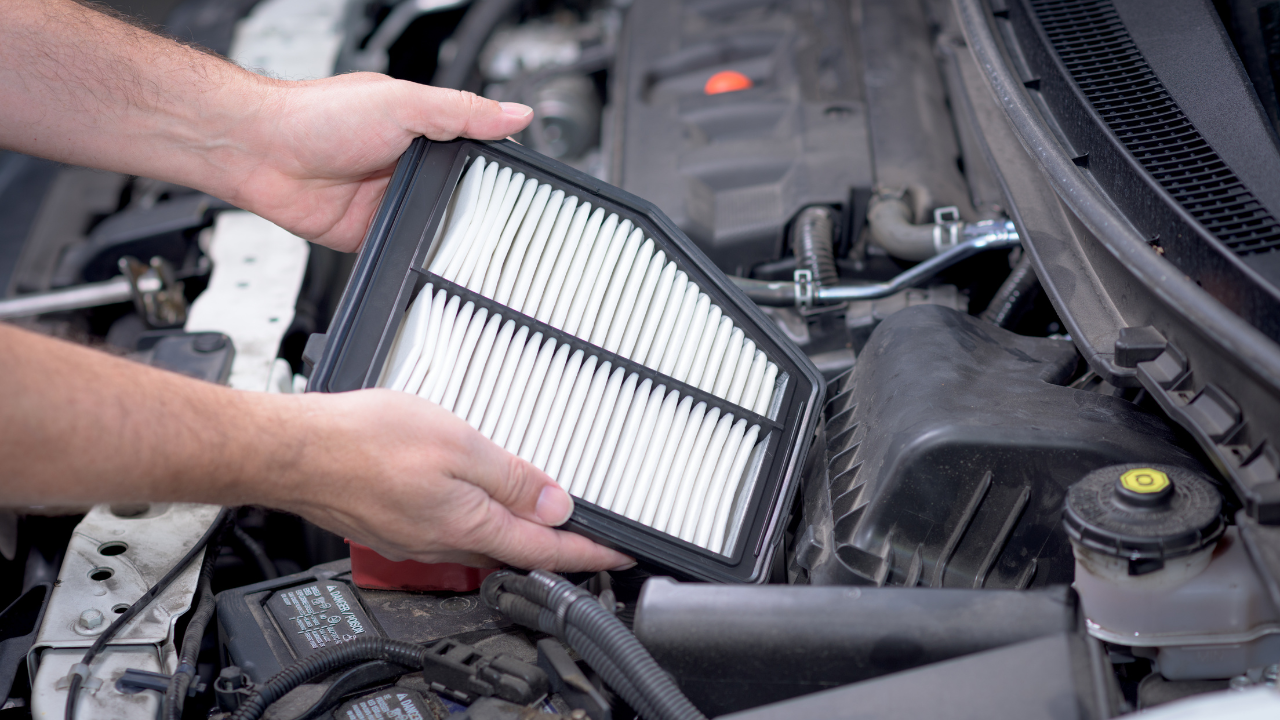
When carburetors ruled supreme and fuel stations sold leaded gas, clogged filters could ruin a Sunday drive. Replace your air filter annually and swap fuel filters every 12 months to avoid the hiccups that turned school-run commutes into repair stops. Clean filters preserve that smooth throttle feel you remember when your first road trip playlist was cassette-taped in the glovebox.
Plan Your Daily Route

You used to dart through every shortcut from the drive-in to the roller rink. Today, potholes and speed humps can rattle decades of body-on-frame restoration. Map a route that steers clear of rough patches and construction zones. A gentle detour can save you from an alignment bill and keep your morning coffee from becoming a jostled adventure.
Proper Insurance and Documentation

In the days of fake ID booth photos and handshake deals, paperwork was optional. Now, insuring a classic for daily use means being upfront about mileage and usage. Seek an insurer specializing in vintage vehicles and lock in agreed-value coverage. Tuck registration, inspection stickers, and proof of coverage in a weather-proof folder—think of it as the modern equivalent of your dad’s glovebox mixtape.
Secure Parking and Theft Deterrents

Remember how car alarms were optional, and everyone knew everyone’s business at the local diner? Today’s thieves aren’t as sociable. Add a subtle alarm, a steering wheel lock, or a hidden GPS tracker. Whenever possible, park under a streetlamp or in a locked garage. You’ll trade the open-air camaraderie of the past for peace of mind that your classic won’t roll off with someone else’s Saturday night memories.
Fuel Quality Matters

Back when “Super Unleaded” was a novelty and octane ratings ruled the radio waves, ethanol blends were science fiction.Modern ethanol-free gas is ideal for protecting old carburetor parts and rubber fuel lines. If you can’t get it, use a trusted fuel stabilizer to help keep today’s blends from going stale and causing trouble in the system. In cooler months, keep your tank topped off to reduce condensation—no one wants their morning departure to stall like a ’65 Skylark in winter.
Carry Basic Tools and Spares
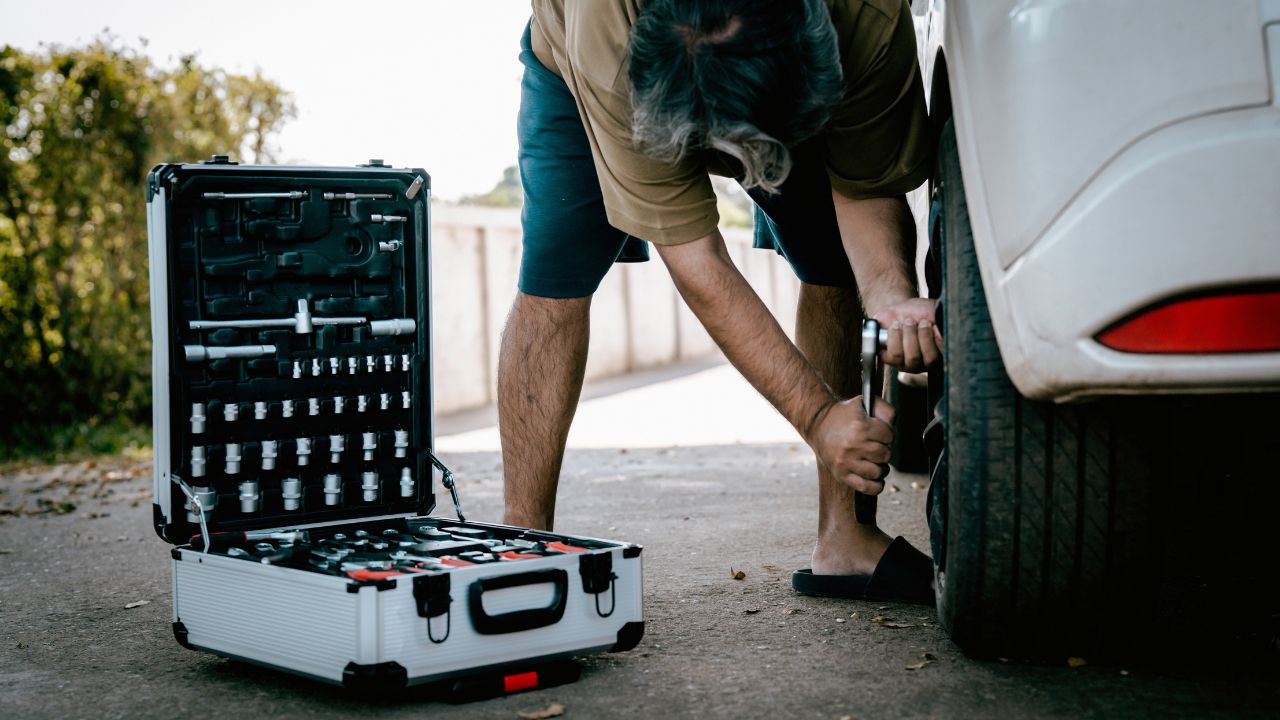
Your dad’s glovebox held a map, a pack of cigarettes, and maybe a loose tire gauge. Yours should hold a small toolkit with wrenches, pliers, a funnel, spare bulbs, fuses, belts, and hoses. Throw in a flashlight and battery jumper pack. When your ’72 charger coughs on the interstate, turning to these basics feels a lot like roadside camaraderie—only without the crowd of curious neighbors.
Wrapping It Up

Daily driving a classic car means weaving your own story into the tapestry of automotive history. By blending simple maintenance, modern safety tweaks, and a hint of nostalgia, you keep that Friday-night drive-in magic alive every morning. Anyone who grew up dodging CB chatter and gravity-powered roll-downs will tell you: a well-prepped vintage ride is more than transportation.
So honor the memories, embrace the quirks, and build a crew of trusted mechanics, insurance pros, and fellow enthusiasts. With the right prep and a dash of nostalgia, your commute will feel less like a chore and more like a scene straight out of your favorite childhood road trip.