Auto manufacturers often get held up by emissions regulations and the broader uncertainty over which fuel technology will reign supreme in the next two or three decades. This can stall key projects that require years of research and development.
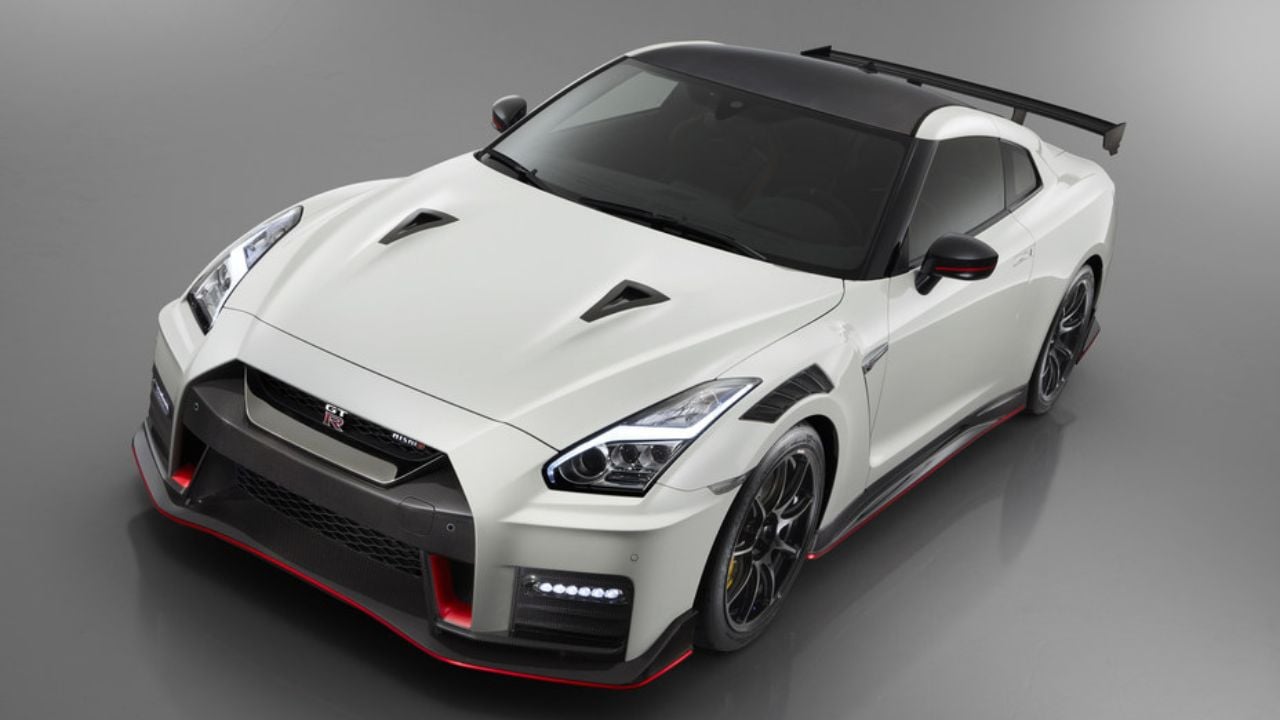
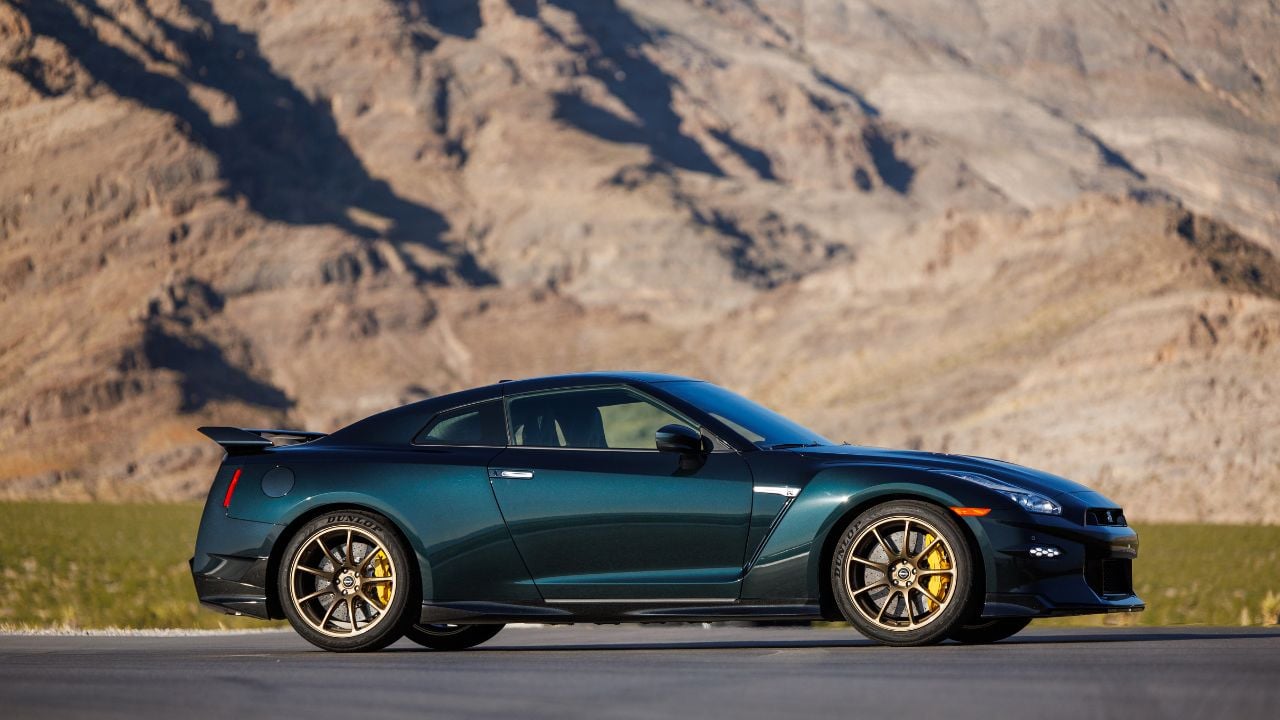
Nissan is one such manufacturer that ended the production of its iconic GT-R R35 after 18 years in 2025, bringing an end to what one can describe as a practical everyday supercar.
Nissan has been developing the next-generation GT-R for some time, but uncertainty surrounding future emission norms has hampered progress on the much-awaited car, which the brand intends to give a “really long life.”
The issue highlights how a shifting political landscape surrounding vehicle regulations is getting in the way of an automaker’s plans to develop a fast car and keep it alive for performance enthusiasts.
The Nissan GT-R R35 Nearly Had a Choked Powertrain Just to Meet Emission Standards

The Senior Vice President and Chief Planning Officer for Nissan North America, Ponz Pandikuthira, opened up on The Drivecast podcast, revealing what led the company to end production of the GT-R after nearly two decades. He said:
“Look, what I think is the biggest challenge with the current generation of GT-R is it just didn’t meet emissions. And there was too much stuff that had to be done to the car that would basically choke the powertrain to make it compatible with the latest emission standards. So it was definitely time to sunset that vehicle.”
While Nissan is facing a similar problem with the next-generation GT-R, the company is following a wait-and-watch strategy to finalize the upcoming car’s long-term development trajectory.
What is Slowing the Development of the Next-Generation GT-R?
Pandikuthira explained that while the emission norms have been relaxed a little bit, a clear path won’t be ascertained until 2028. He said:
“What we want to do is future-proof next-generation GT-R that it can have a really long life and keep evolving over its lifecycle. But the unknown, the big unknown is which way are emissions regulations going to go?
“We currently have a reprieve with the current administration. They’ve backed off on a lot of the regulations. And so there’s many things we can do today, but we don’t know if we can do them maybe post ’28 or post ’32.
“And so that’s what’s actually slowing down the development of what we want this car to be.”
Pandikuthira then elaborated on why he shortlisted the year 2028. He said:
“So the reason I said 2028 is that’s when we’ll actually know if there’s going to be a change in the administration, and then we’ll find out a trajectory of what emissions will look like, and then that’ll solidify the plans.
“That said, you can’t start in 2028. So clearly a lot of the work will be done here, but hopefully by 2028, with somebody like Ivan as the CEO now, I think it’ll get a higher priority and we should be able to make some concrete announcements by ’28 of a timeline of when exactly you’d be able to see a new GT-R in showrooms.”
Nissan’s senior VP then assured that a “core group” of GT-R lovers is actively developing the next-generation model. He said:
“Hakone Skyline Road, I highly recommend it. Rent a car, drive on this Ashinoko-Skyline Hakone Toll Road, because that’s where the GT-R was developed. When I lived here in Japan, I had an R35 GT-R.
“That road is made for it. And these guys who are working on us, this core group, they’re out there taking their cars every weekend and playing with it. So believe me, they’re actively working on figuring out the right way to bring the GT-R back. So when the time is right, the car will be absolutely right.”