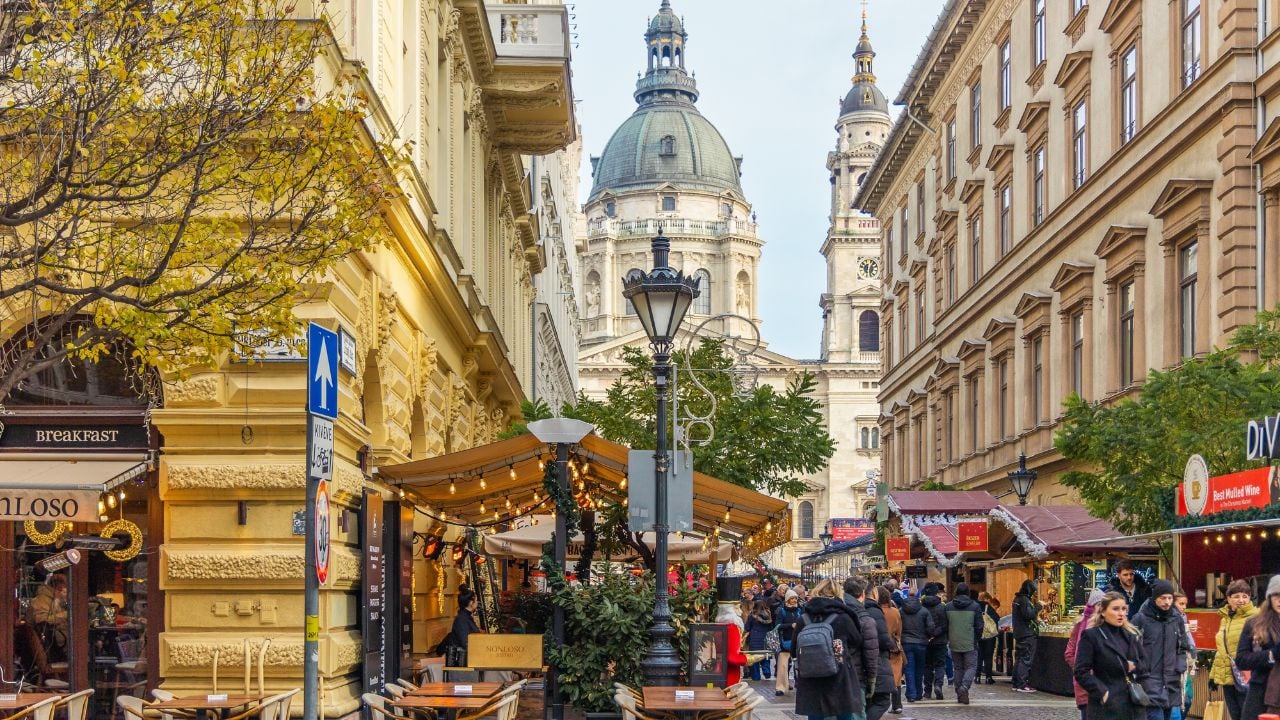
Budget urban travel used to have a bad reputation for a reason. Too often, “saving money” meant standing outside major landmarks, skipping the strongest parts of a destination, and pretending a thin day still felt satisfying. The result was often a trip that was technically affordable but emotionally flat.
A newer wave of guide-led planning tools is pushing in the opposite direction. FREETOUR.com’s 2026 ranking of the 100 best cities for free walking tours drew on booking data and traveler reviews from more than a million trips, and the company says the strongest destinations now stand out through walkability, route variety, and guides who turn streets into stories.
Tourism boards are helping that shift. Vienna offers a free city-guide app with themed walks and hidden-gem routes, Mexico City publishes official walking itineraries through its historic center, and Tokyo supports visitors with both a dedicated page for no-cost attractions and a large brochure hub. These tools do not eliminate spending, but they do make it easier to build days that feel rich before the ticket costs start piling up.
Taken together, they make a strong case for a different kind of low-cost getaway, one built around atmosphere, public space, and local context instead of relentless penny-pinching. The cities below work because they still feel rewarding on foot, whether or not a major admission fee ever enters the plan.
1. Budapest, Where the Route Is Part of the Reward
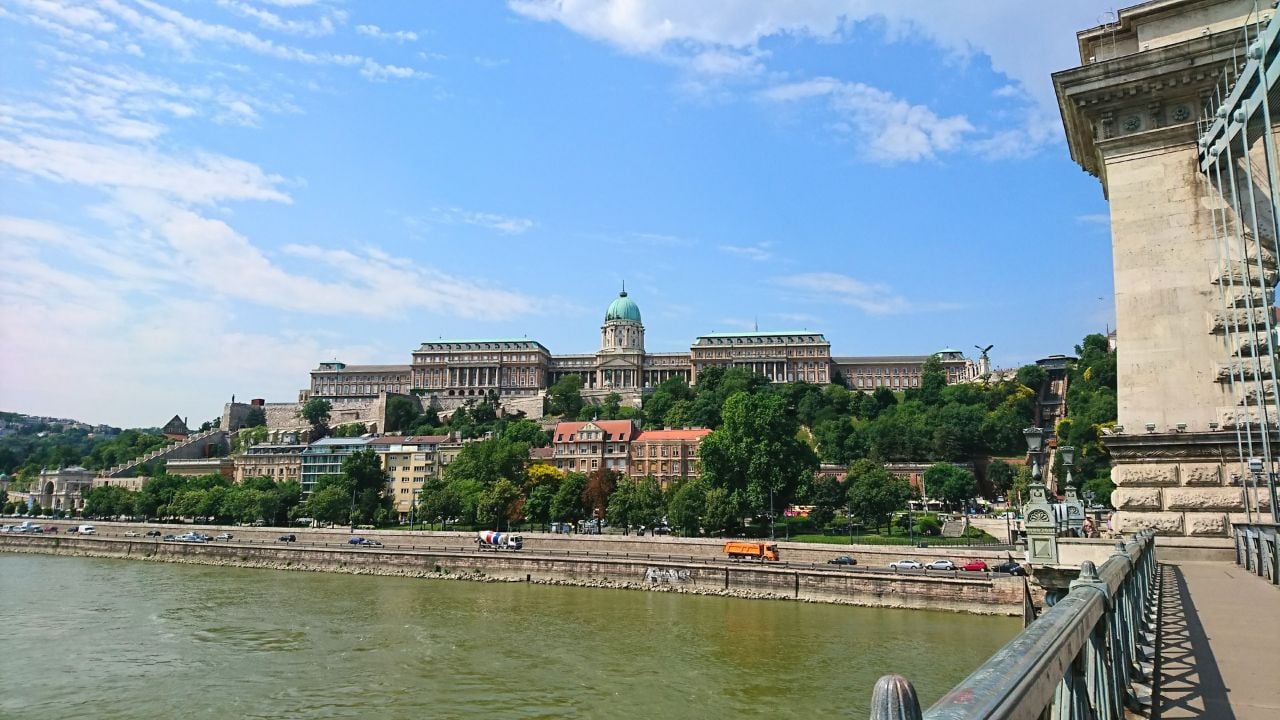
Budapest landed in first place on FREETOUR.com’s 2026 list, and the logic is easy to see once you picture the city in motion. The ranking highlights Castle Hill, the Danube, and the way the Hungarian capital opens itself gradually to people on foot rather than all at once from behind ticket barriers. Budapest Info also describes the Castle District as one of the capital’s most important historical and cultural areas, set 70 meters above the river on Castle Hill. That combination gives even a simple walk a strong sense of shape and elevation.
Part of the pleasure here comes from linking panoramas and public stretches instead of rushing from one paid stop to the next. Budapest Info calls the Danube Promenade one of the finest walks in the city, and its tourism material also points visitors toward free walking tours covering both Pest and Buda. Add a riverside tram ride, a climb through the Castle Quarter, and a pause for views back across the water, and the day already feels full before a major admission charge ever enters the picture.
2. Rome, Where Wandering Still Pays Off
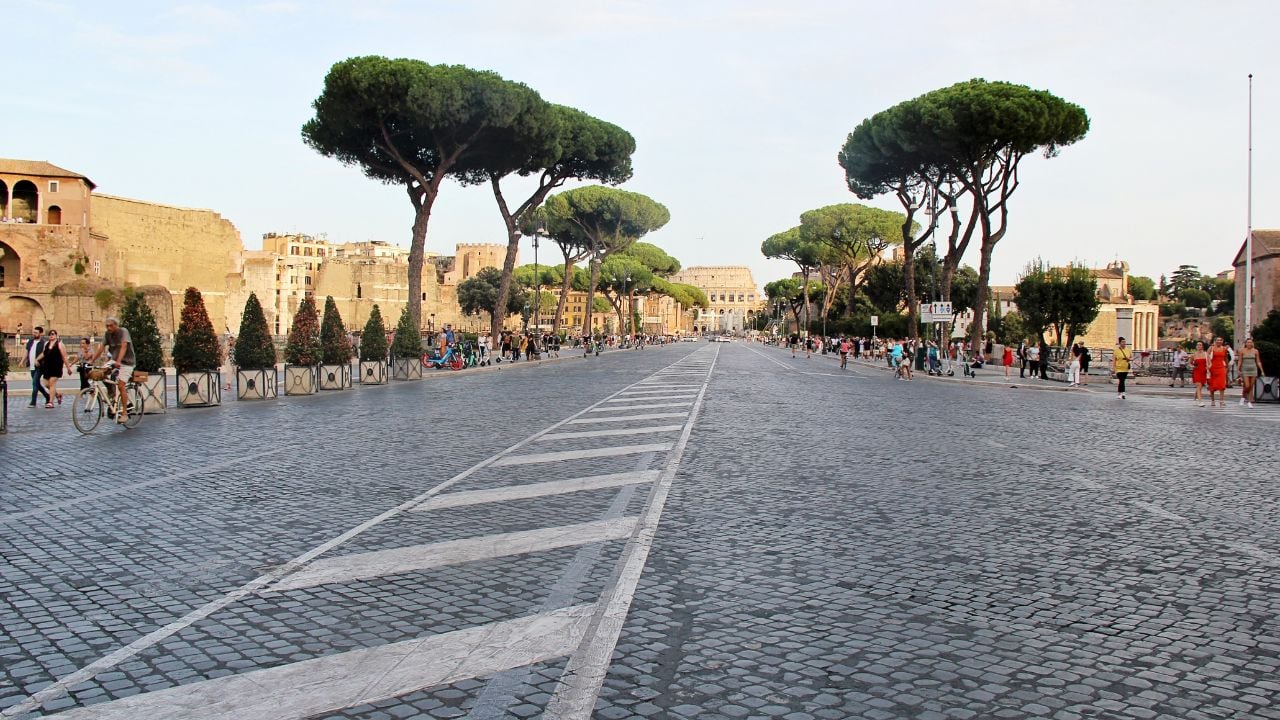
Rome placed second in the 2026 FREETOUR.com ranking, which feels almost inevitable for a city that rewards slow movement so generously. Turismo Roma’s official itinerary from Termini Station to the Imperial Forums says outright that walking is the best way to get to know the capital, then leads visitors across three of the city’s seven hills before ending near the Forum and the Palatine. That gives travelers a ready-made structure without making the outing feel mechanical.
Timing can make the Roman experience even better for travelers watching costs. Turismo Roma notes that admission to museums and archaeological sites in the Roma Capitale network is free on the first Sunday of the month, and the same page says the offer also covers places such as the Imperial Forums archaeological area, the Circo Massimo archaeological area, Largo di Torre Argentina, and the Museum of the Forma Urbis.
Even beyond that perk, Rome is full of no-ticket anchors, including major basilicas and landmark piazzas, which is exactly why wandering here so often feels like the main event rather than the fallback plan.
3. Vienna, Where a Polished Capital Still Gives You Plenty for Nothing
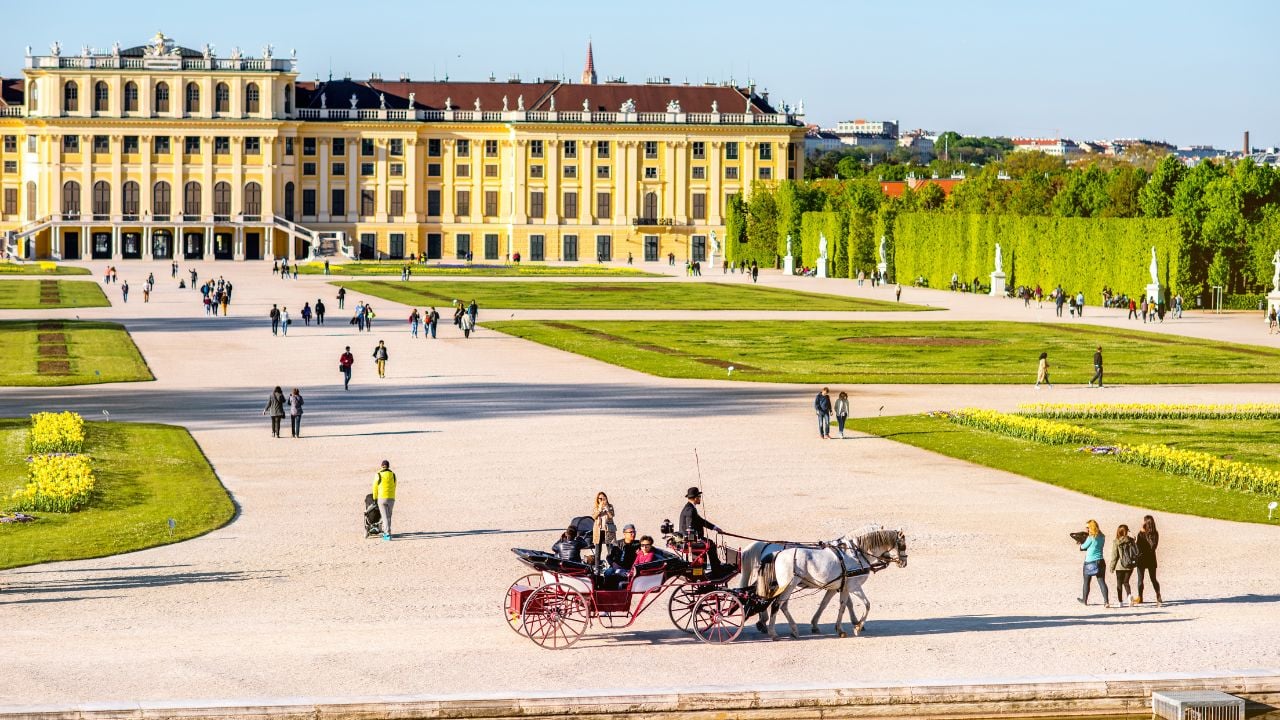
Vienna handles this trend with unusual elegance. The Vienna Tourist Board’s ivie app is free to download and presents itself as a digital companion filled with stories, walks, and lesser-known corners of the city.
Its Walks & Guides feature points users toward classic routes, neighborhood strolls, unusual museums, parks, and themed audio chapters such as the Ringstrasse Walk, the Sigmund Freud Guide, and the Sisi Guide. In other words, Vienna does not ask budget travelers to improvise blindly.
The city’s own visitor material makes the lower-cost side of the destination clear as well. Vienna’s official low-budget guidance notes that many sights can be enjoyed without an admission charge and specifically points visitors toward options such as Schönbrunn Palace Park, while a separate tourism-board page lists multiple free tour providers.
That matters because Vienna can look intimidating from afar, with its imperial facades, concert halls, and polished cafés. On the ground, it becomes much easier to navigate when the public realm, the app, and the walking options all work in your favor.
4. Mexico City, Where the Center Comes With Its Own Playbook
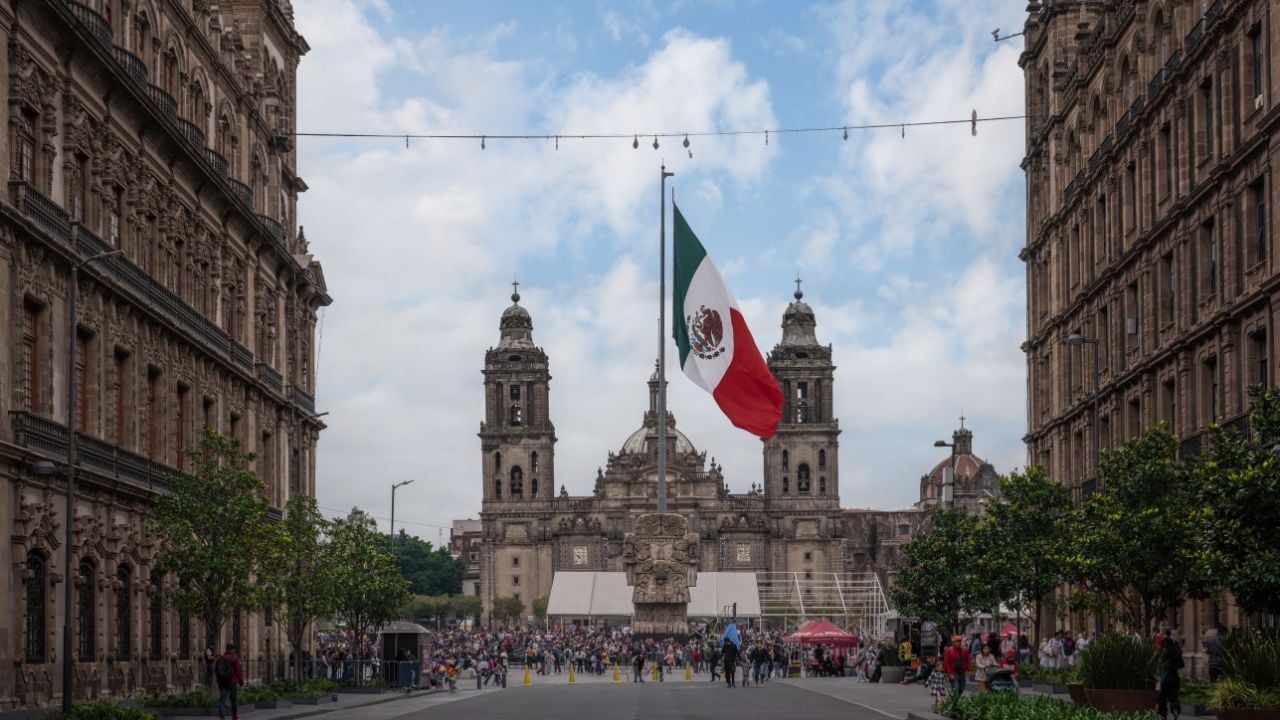
Mexico City reaches the same result through a different style. Instead of hiding its best orientation material behind passes or premium products, the city’s official tourism portal lays out a full set of walking itineraries through the historic center, including Zócalo and Templo Mayor, Alameda Central and Avenida Madero, Santo Domingo and Santa Catarina, and several others.
One of those routes describes the Zócalo-to-Templo Mayor walk as one of the surest ways to get a first introduction to modern Mexico City and ancient Tenochtitlan. That is an unusually confident invitation, and a very useful one for first-time visitors.
The framework works because the center already has enough depth to fill hours. The city’s official Zócalo page calls the square the central plaza of both Mexico City and, in many ways, the country itself, adding that it hosts fairs, carnivals, concerts, parades, and many other major events throughout the year.
The Alameda-Madero route folds in stops such as Alameda Central, Casa de los Azulejos, churches, and museums, so a day on foot never feels thin. For travelers who like history with noise, movement, and public life all around them, few places deliver so much so quickly.
5. Tokyo, Where “Expensive” Is Only Part of the Story

Tokyo is often filed under the category of places worth the splurge, but its own tourism material makes a more nuanced case. GO TOKYO maintains a dedicated page for no-cost attractions, highlighting places such as the Tokyo Metropolitan Government Office observation room and the Ad Museum Tokyo. The city also supports visitors with an official brochure library designed to help with sightseeing planning across the capital. That pairing changes the feel of a first trip because it gives people useful structure before they start paying for big-name experiences.
One stop captures the appeal especially well. Japan’s National Tourism Organization says the free observation deck in Tokyo Metropolitan Main Building No. 1 sits on the 45th floor, 202 meters above ground, and on clear days reveals Mt. Fuji, Tokyo Skytree, Tokyo Tower, Meiji Shrine, and the Tokyo Dome.
The same source notes that the building is reachable on foot from Shinjuku Station or directly via Tochomae Station. When a metropolis this dense offers a panorama like that at no charge, the whole idea of budget travel starts to feel less like sacrifice and more like knowing where to look.
Taken together, these cities suggest that low-cost urban travel works best when it is built around access, walkability, and public-facing culture rather than denial. The point is not to spend nothing. It is to make sure the hours between paid attractions still feel rich, local, and worth remembering. That is what these destinations do especially well.