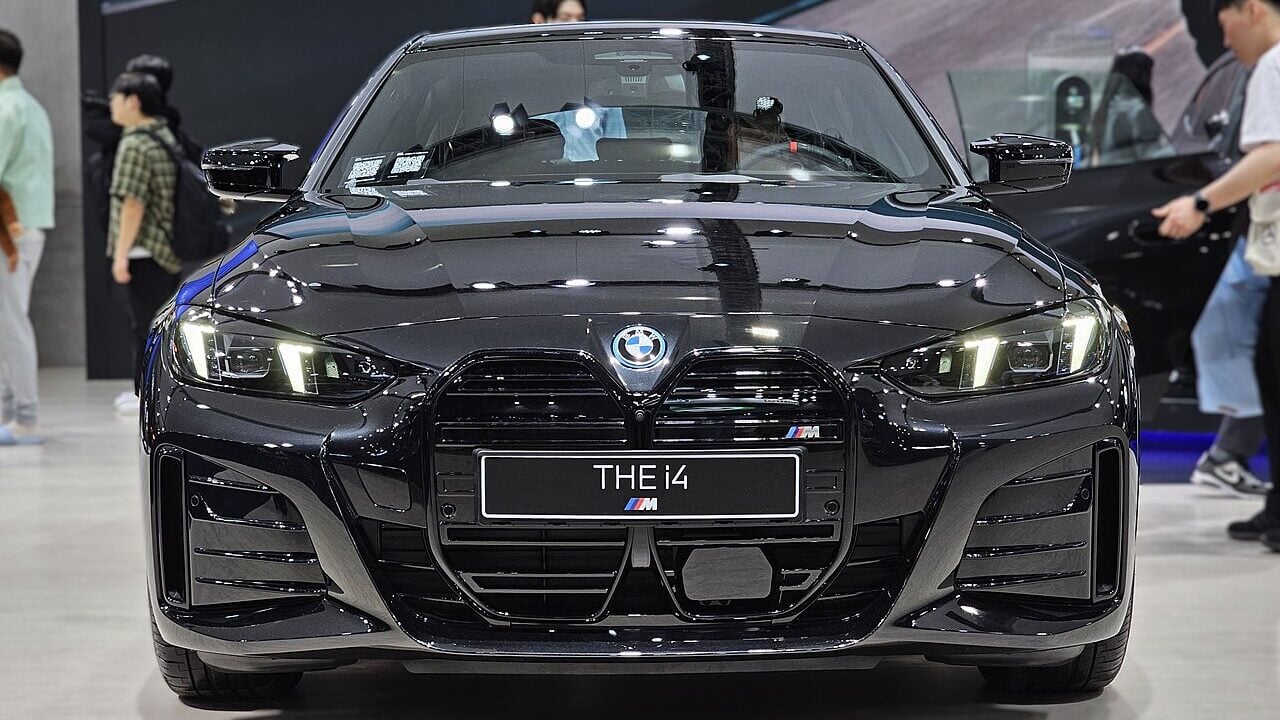

A new January 2026 study from B2B vehicle marketplace eCarsTrade ranks the BMW i4 as the most winter-resilient electric vehicle (EV) currently on sale, citing a blend of efficiency, manageable range loss, safety data, charging capability, and overall value.
The report evaluated EVs across four winter-critical performance factors: winter range loss, rated range, overall efficiency measured in Wh per kilometer, and fatal crashes per 100,000 vehicles sold.
Battery specifications including total capacity and maximum charging rate were also considered. These data points were then weighed against price to generate a composite Winter EV Worthiness Score.
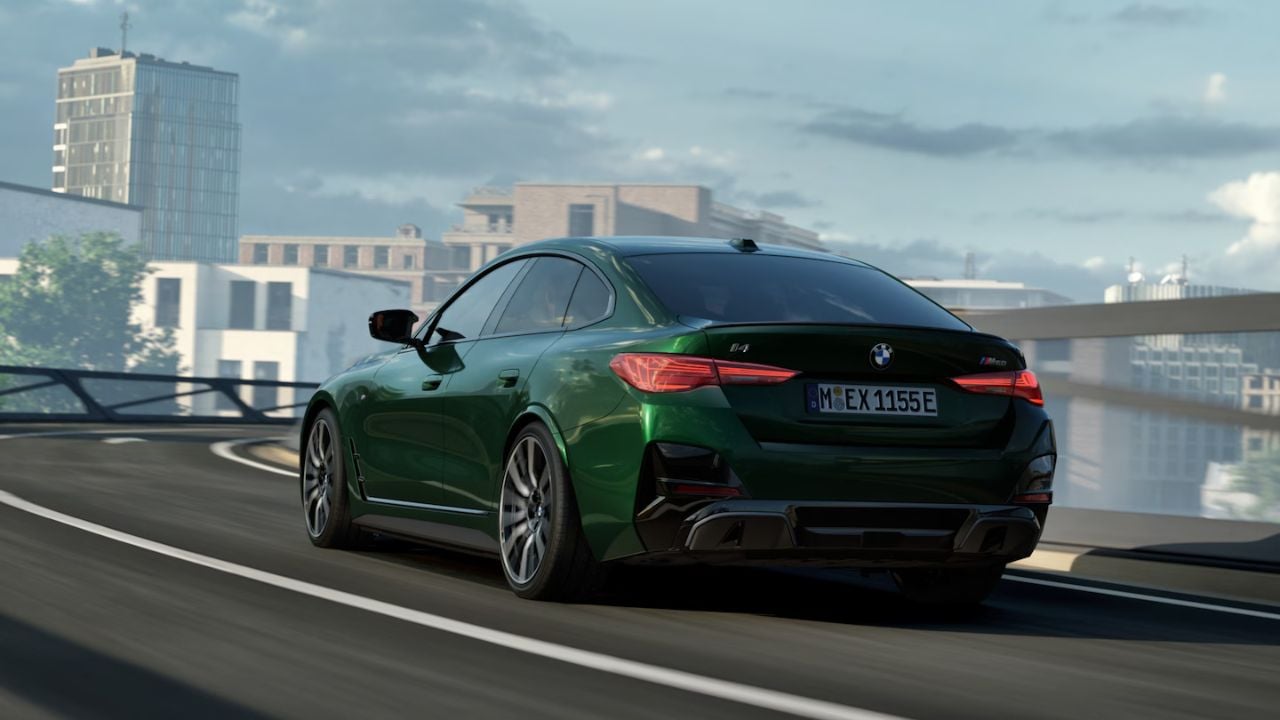
The BMW i4 tops the ranking with a score of 98 out of 100. According to the study, the i4 loses 18 percent of its rated 461 km range in cold weather, consumes just 168 Wh per kilometer, and supports fast charging up to 113 kW. It also recorded 7 fatal crashes per 100,000 units sold in the dataset used.
Why the BMW i4 Performs So Well in Winter
Cold weather is notoriously difficult for lithium-ion batteries. Low ambient temperatures increase internal resistance within battery cells, slowing electrochemical reactions and reducing usable capacity.
Cabin heating further compounds the issue since EVs must draw energy directly from the battery pack rather than from engine waste heat, as in internal combustion vehicles.
The i4’s strong showing can be attributed to several technical advantages.
BMW’s fifth-generation eDrive system integrates the electric motor, power electronics, and transmission into a compact housing.

By reducing energy losses in power conversion and drivetrain operation, the i4 maintains low consumption figures even when temperatures drop. Its 168 Wh per kilometer efficiency rating places it among the most frugal vehicles in the top 10.
Secondly, effective battery thermal management is critical in winter. The i4 uses a liquid-cooled battery system paired with predictive thermal conditioning.
When navigation is set to a DC fast charger, the vehicle can pre-warm the battery pack to its optimal temperature window before arrival. This minimizes cold-soaked charging slowdowns and helps preserve range consistency.
Maintaining the battery within its ideal thermal range reduces internal resistance and improves both charging speed and discharge efficiency. That translates into more stable winter performance compared with EVs that lack proactive conditioning strategies.

Thirdly, unlike some larger EVs with higher curb weights and more aggressive performance tuning, the i4 strikes a balance between output and efficiency.
EVs like the Rivian R1T, while powerful and capable, consume 280 Wh per kilometer in the dataset, making them more vulnerable to winter losses due to higher baseline energy demand.
Fourthly, while the Audi e-tron leads the study in lowest winter range loss at 14.5 percent and boasts a 204-kW maximum charging rate, charging peak numbers do not tell the full story.
Sustained charging performance across the curve matters more in cold climates. BMW’s battery preconditioning and stable charging profile contribute to consistent winter usability.
Last but not least, the report also incorporates fatal crash data per 100,000 vehicles sold. The i4’s 7th position places it among the safer vehicles in the ranking. While the Volkswagen ID.4 records the lowest fatal crash rate at 6, its 37 percent winter range loss significantly reduces its overall score.
The Role of Battery Preconditioning

Filipp Sevostianov, CEO at eCarsTrade, emphasized that technology alone is not enough if drivers fail to use it properly.
“Some EVs already show good durability numbers, but battery preconditioning can cut range loss in half, yet most EV owners either don’t know the feature exists or never bother using it. Warming your car while it’s still plugged in improves efficiency by 5 to 7 percent and saves 3 to 4 percent more battery charge, which translates to 15 to 30 extra winter miles. From a safety standpoint, automakers are failing to educate buyers on features that could prevent dangerous cold weather situations, and that gap between what the car can do and what drivers actually know creates liability issues nobody’s talking about yet.”
Preconditioning works by heating the battery pack and cabin while the vehicle remains connected to grid power. This reduces the immediate energy draw from the battery once driving begins, preserving range and improving regenerative braking effectiveness.
Competitive Context
The Tesla Model Y and Tesla Model 3 both perform strongly in efficiency metrics, particularly the Model 3 at 143 Wh per kilometer. However, higher fatal crash figures in the dataset and slightly greater winter degradation reduce their composite scores relative to the BMW i4.
Ultimately, the study suggests that winter EV performance is not determined by a single metric. It is the integration of thermal engineering, drivetrain efficiency, charging optimization, and real-world safety data that separates leaders from the rest. In that holistic evaluation, the BMW i4 currently sets the benchmark.