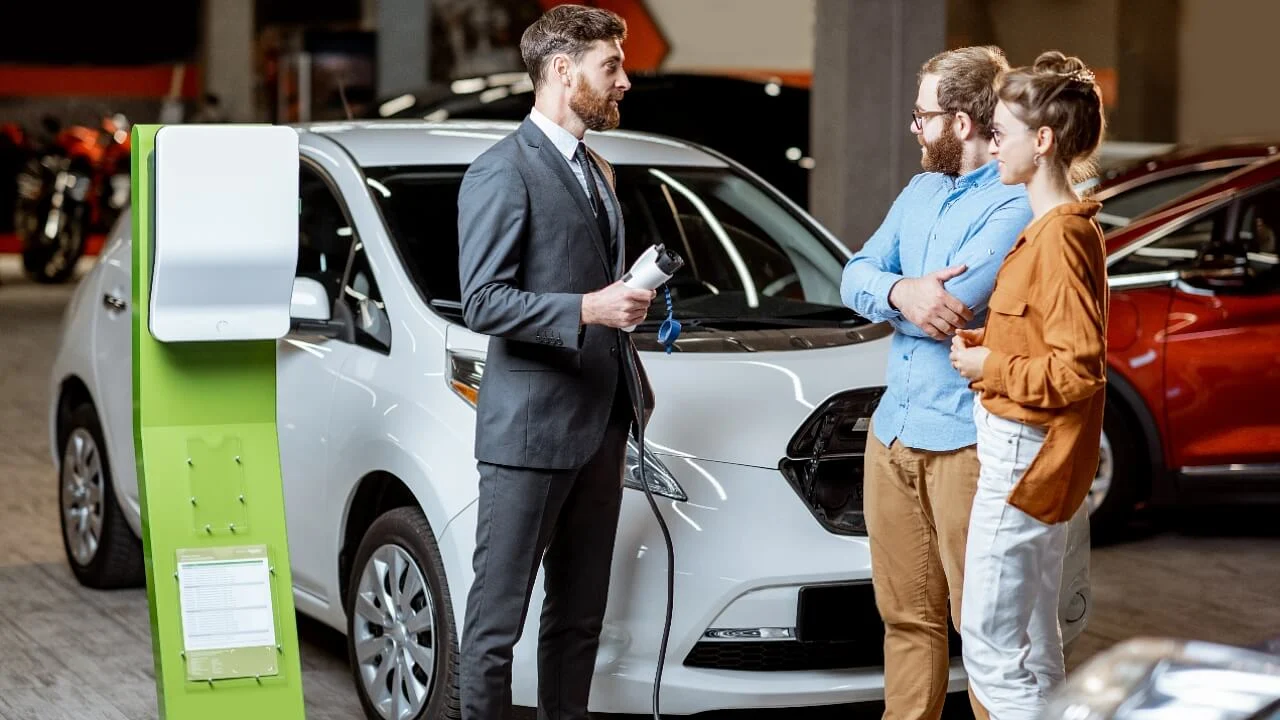

Car buyers in the United States are paying thousands more than they should, and most of them do not even realize why.
A recent study by the International Center for Law & Economics just put a number on it. The traditional dealership system adds roughly $4,000 or more to the price of a new car. That is not for better engineering, better safety, or better technology. It is the cost of the system itself.
To understand this, picture how cars are sold today. Automakers build vehicles, then ship them to independently owned dealerships. Those dealers buy the cars, store them on large lots, advertise them, and then try to sell them at a profit. Every step in that chain costs money, and that cost is passed directly to the buyer.
Where the Extra Costs Come From
One of the biggest expenses is inventory. Dealers do not get cars for free.
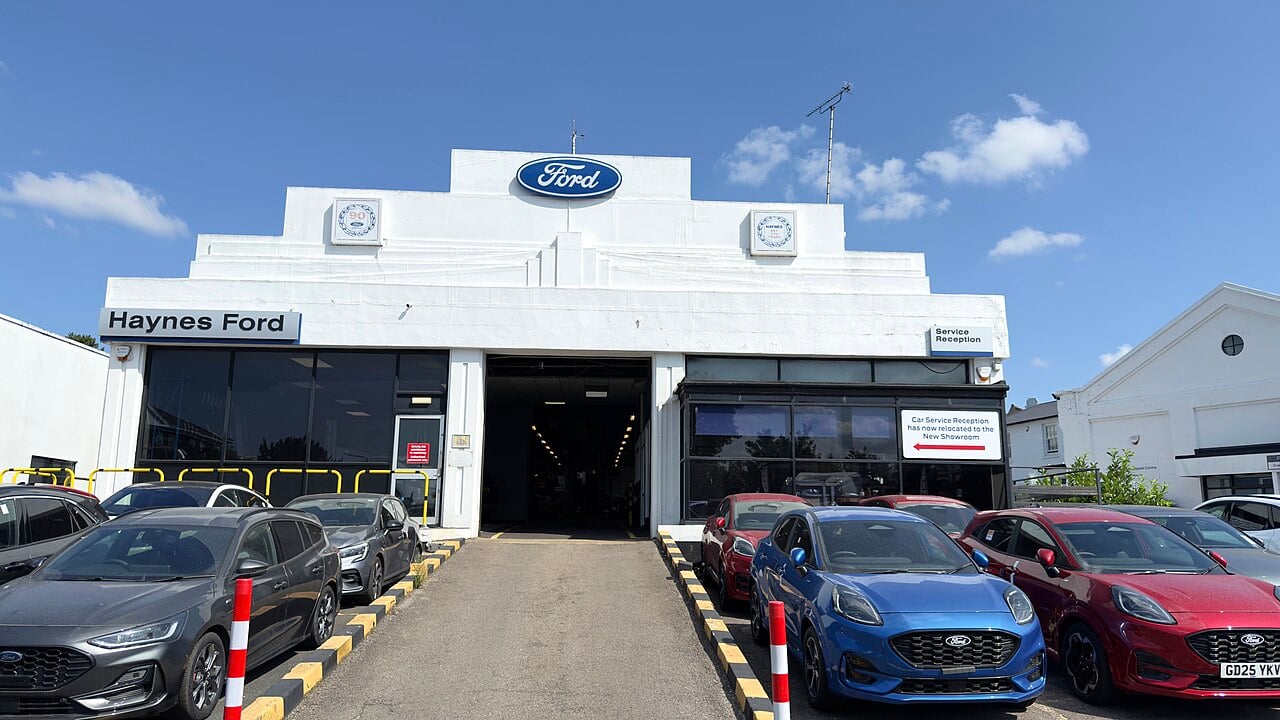
They finance them, often through loans, and pay interest while the vehicles sit on the lot. If a car does not sell for weeks or months, the cost keeps rising. That alone can add over $1,000 to the final price of a single vehicle.
Then there is the issue of mismatch. Buyers walk into dealerships with specific preferences, but the exact car they want may not be available. Instead of building to order, dealers try to move what they already have. This leads to discounts on unwanted models and pressure tactics on customers. The inefficiency of this process adds even more hidden costs.
Overhead is another major factor. Dealerships operate large physical locations with showrooms, service centers, and sales staff. All of that requires salaries, utilities, and maintenance. These are real business expenses, but they do not improve the car itself. Still, they are included in the price you pay.
So why is the industry still holding tightly to this system?
The Laws that Protect Dealerships
The answer lies in state laws that protect dealership networks.

In most parts of the United States, automakers are not allowed to sell directly to consumers. These laws were created decades ago to prevent manufacturers from undercutting independent dealers. At the time, it made sense to protect small businesses from powerful corporations.
Today, the market looks very different. Consumers are used to buying products directly online. They expect transparent pricing and a smoother experience. The dealership model often delivers the opposite. Negotiations can be stressful, pricing is not always clear, and the process takes longer than many buyers would like.
This is where newer companies have started to change the conversation. Some automakers now sell cars directly to customers, skipping the dealership layer entirely. Without the extra overhead and inventory burden, they can offer simpler pricing and, in many cases, lower costs.
That shift is not happening without resistance. Dealer associations remain powerful and have pushed back against efforts to change the law. Lawmakers in several states continue to support the traditional system, arguing that it protects jobs and local businesses.
But the numbers from this study raise a hard question. If the current model adds thousands of dollars to every vehicle, who is it really serving?
The Car Shopper’s Lens
For the average buyer, the answer is clear. You are paying more, not because the car is better, but because the system is expensive.
As car prices continue to climb, this issue becomes harder to ignore. A difference of $4,000 can be the deciding factor for many households. It can mean the gap between affording a new car or holding on to an old one for a few more years.
The industry is starting to evolve, but change is slow. Until laws catch up with modern buying habits, the dealership model will continue to shape how cars are sold and how much people pay.
For now, every trip to the dealership comes with a hidden cost. The question is how long buyers will keep accepting it.