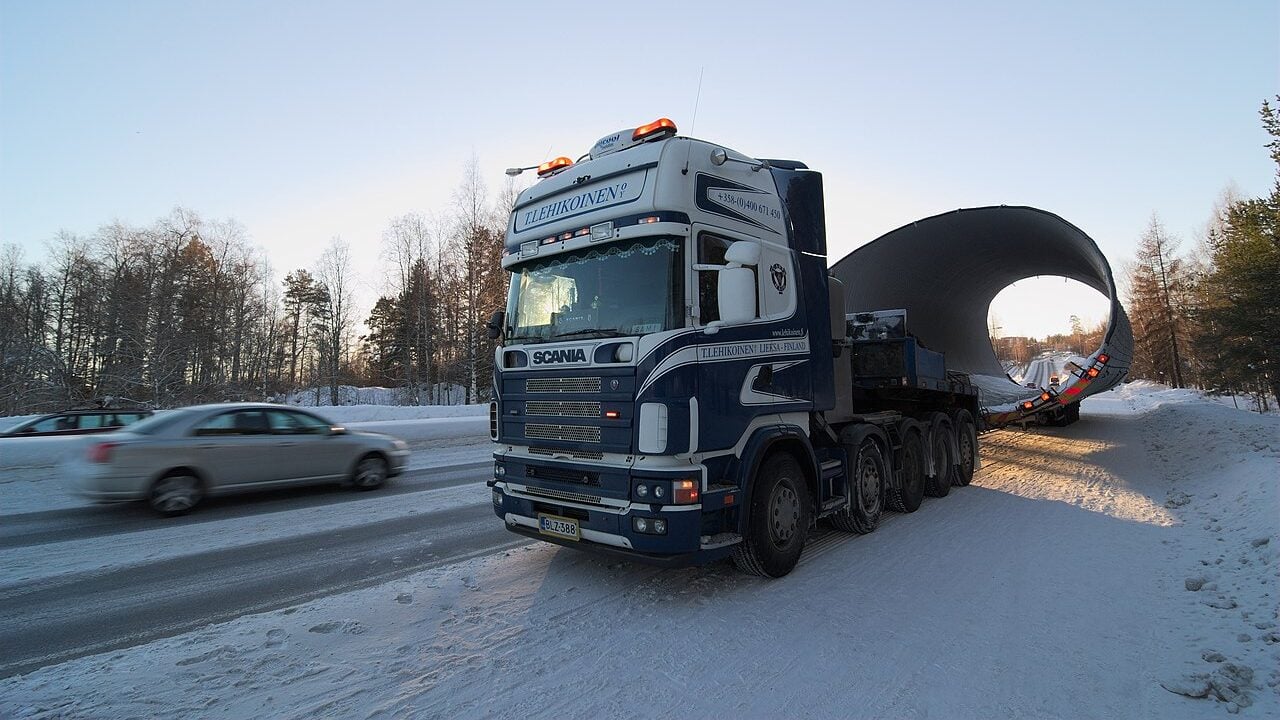

A new data-driven study is shedding light on the harsh realities of winter trucking in the United States, revealing the states where professional drivers face the toughest seasonal conditions and the hidden toll the cold months take on their safety and livelihoods.
The analysis, published by the insurance and financial services platform JW Surety Bonds, combines crash data, long-term climate records, and a survey of truck drivers to determine where winter poses the greatest challenge for the freight industry. The study also offers insight into how severe weather disrupts trucking schedules, equipment reliability, and driver wellbeing.
Wyoming Tops the List for Winter Trucking Difficulty
According to the report, Wyoming ranks as the most difficult state in the country for winter trucking. The state’s extreme cold, heavy snowfall, and long stretches of remote highway create conditions that can challenge even experienced drivers.

Following Wyoming in the rankings are Alaska, Vermont, North Dakota, and Minnesota, all of which experience severe winter temperatures and frequent snowstorms. These states combine difficult terrain with icy roads and limited infrastructure in some areas, increasing the risk of delays and accidents for freight carriers.
At the opposite end of the spectrum, Florida ranks as the least challenging state for winter trucking. The state records virtually no snowfall and maintains average winter temperatures around 62 degrees Fahrenheit, making it far more forgiving for long-haul drivers during the cold season. Other states considered relatively safe for winter trucking include California, Louisiana, Texas, and Georgia.
Winter Adds Hours to Trucking Schedules
Beyond geography, the study highlights how winter weather alters the daily routine of truck drivers. A survey of 141 professional drivers conducted as part of the research found that winter conditions add an average of 9.1 hours to drivers’ weekly schedules.
These additional hours are largely the result of slower speeds, detours to avoid hazardous routes, and delays caused by storms or road closures. Many drivers also adjust their rest and sleep schedules during winter to account for unpredictable weather patterns.
In fact, 82 percent of drivers reported modifying their rest stops or sleep schedules during winter months, often stopping earlier or waiting for storms to pass before continuing their routes.
Equipment Failures Emerge as Top Concern

While icy roads and reduced visibility are often associated with winter driving hazards, the study found that equipment reliability is the top concern among truck drivers.
About 33 percent of surveyed drivers cited mechanical failures as their biggest winter safety worry, ahead of poor visibility at 28 percent and unpredictable behavior from other motorists at 25 percent. Cold temperatures can strain engines, batteries, brakes, and tires, increasing the likelihood of breakdowns during long-haul journeys.
These problems can have financial consequences for drivers. Nearly 89 percent of respondents said they have experienced unpaid downtime during winter, usually because severe weather forced them to stop driving or delayed deliveries. Additionally, 31 percent said they miss delivery deadlines very often during winter months.
Mental And Physical Strain on Drivers

The research also highlights the psychological toll of winter trucking. According to the survey results, 92 percent of drivers said winter driving has made them consider quitting the profession at some point.
The combination of long hours, dangerous road conditions, and pressure to maintain delivery schedules contributes to elevated stress levels across the industry. About 44 percent of drivers reported high stress levels during winter, while 91 percent said harsh driving conditions cause them to feel exhausted more quickly.
Compounding these issues, 30 percent of drivers reported feeling pressured to drive in unsafe winter conditions, reflecting the operational demands placed on the freight sector even during severe weather events.
How The Analysis Was Conducted
To identify the toughest states for winter trucking, researchers analyzed fatal crash data involving tractor trailers from the National Highway Traffic Safety Administration’s Fatality Analysis Reporting System for 2022 and 2023.

The study focused on crashes occurring during the winter months of December through March.
This crash data was combined with long-term climate information from the National Oceanic and Atmospheric Administration. Researchers evaluated average winter temperatures, snowfall levels, and fatal crash rates involving tractor trailers to produce a weighted ranking of states.
In total, the dataset included 1,872 fatal crashes involving tractor trailers across 49 states and territories during winter months over a two-year period, providing a broad snapshot of the risks drivers face when temperatures drop and roads turn icy.
The findings underline the importance of winter safety measures across the trucking industry, which remains a critical backbone of the American supply chain even in the harshest seasonal conditions.