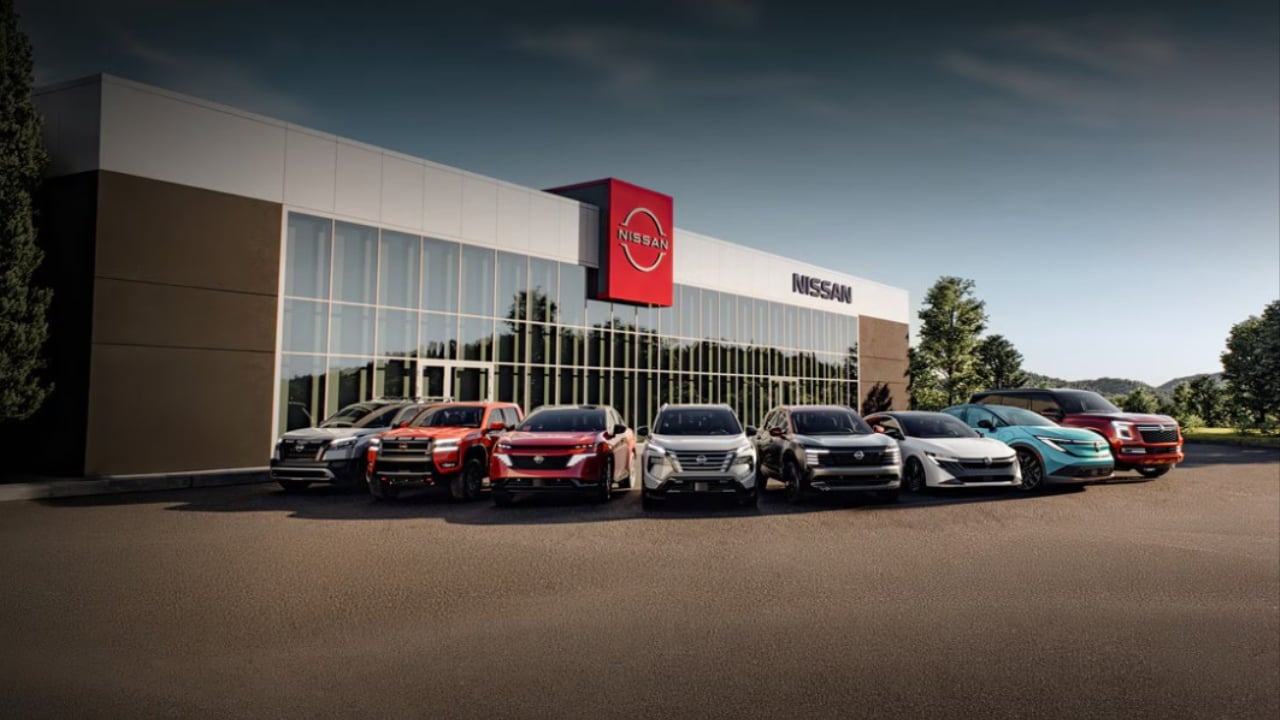
Buying a new car in America is getting more expensive again, and manufacturers aren’t doing quite as much to soften the blow as previously. Average transaction prices climbed in July while incentives declined for the second consecutive month.
According to Kelley Blue Book data published by Cox Automotive, the average new vehicle sold for $49,855 in July 2026. That’s the highest average transaction price recorded this year, representing a 0.2 percent increase from June and a 1.9 percent jump compared with July 2025.
The figure remains below the all-time record of $50,612 set in December 2025. Still, the direction is noteworthy because new-vehicle transaction prices historically decline slightly during July rather than increase.
Meanwhile, buyers are gravitating toward less expensive cars and SUVs, which is helping prevent the industry-wide average from climbing even faster. July sales were down 1.5 percent year over year, with comparatively affordable segments performing better than full-size trucks, large SUVs, and several luxury categories.
Discounts Are Getting Smaller

Automaker incentive spending fell to 6.4 percent of the average transaction price in July, its lowest level since January. That’s down from 7 percent in June and 7.3 percent in July 2025.
Discounts are still relatively generous in several high-volume categories. Incentive spending averaged 8.6 percent for full-size pickups, 7.8 percent for compact SUVs, and 6.8 percent for midsize SUVs.
Cox Automotive executive analyst Erin Keating says declining incentives aren’t solely responsible for rising prices. The arrival of 2027 model-year vehicles is also introducing updated equipment and higher sticker prices, putting additional upward pressure on what consumers ultimately pay.
Average MSRP reached $51,621 in July, up 1.9 percent from a year earlier. Interestingly, sticker prices actually declined 0.1 percent from June, while transaction prices continued moving upward.
Affordable Segments Are Holding Down The Average
Consumers appear increasingly willing to shop downmarket as vehicle prices stay elevated. Subcompact SUVs, compact cars, and midsize cars all recorded year-over-year sales gains during July.
A new compact car averaged $27,904, while subcompact SUVs averaged $31,052. Compact SUVs were considerably pricier at $37,745, although all three categories remained comfortably below the overall industry’s nearly $50,000 average.
That move toward cheaper vehicles is effectively acting as a brake on new-car inflation. Without consumers moving toward lower-priced segments, the headline average could be noticeably higher.
EV Buyers Are Losing Some Big Incentives Too
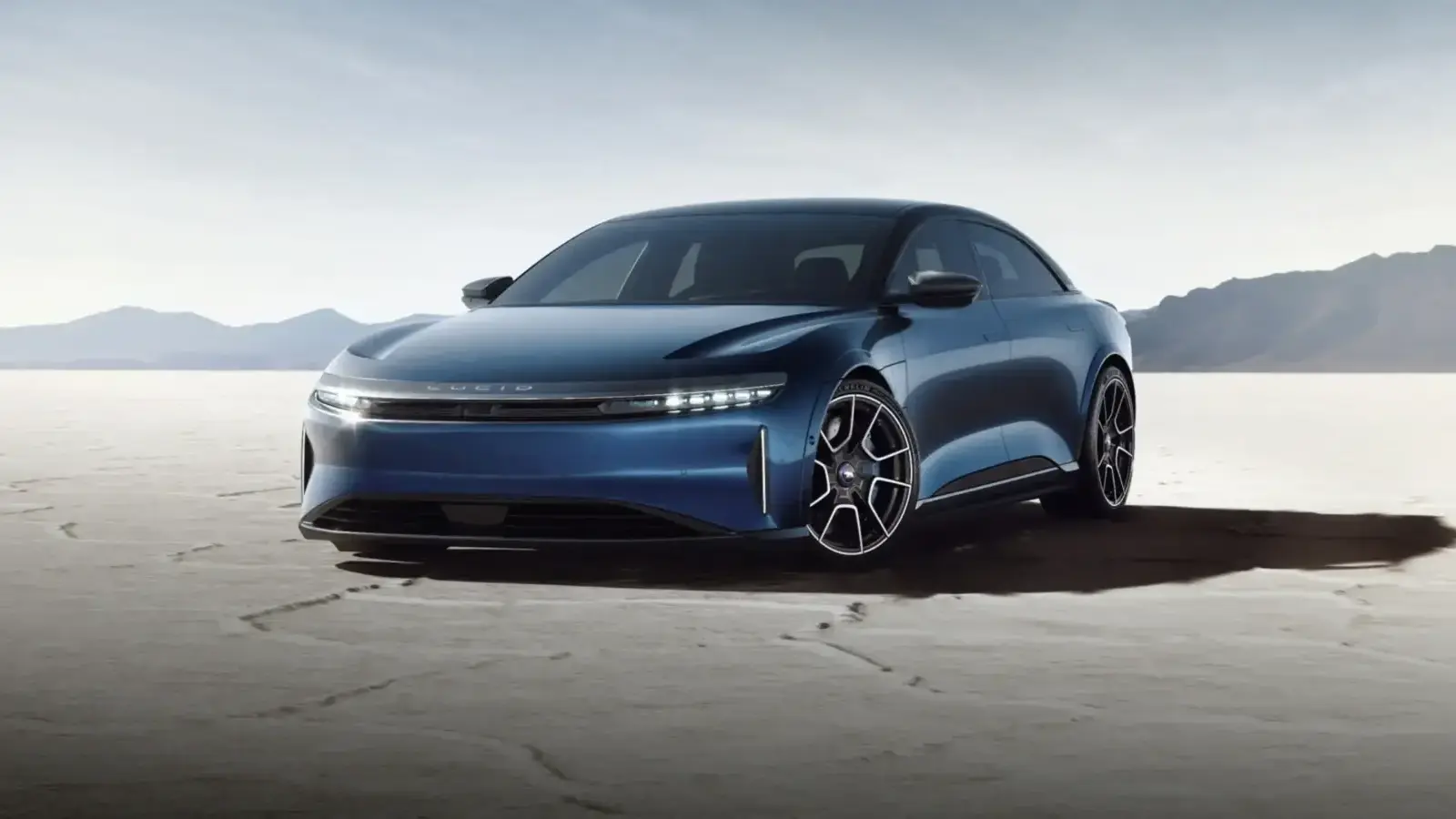
Electric vehicles aren’t escaping the trend. The average EV transaction price increased to $56,126 in July, rising 1.2 percent from June and 1.6 percent year over year.
EV incentives simultaneously dropped to an average of $6,626, falling 9.1 percent in a single month and 24.3 percent compared with last year. Incentives still represented 11.8 percent of the average EV transaction price, substantially higher than the industry’s 6.4 percent average.
Tesla followed a similar trajectory, with its average transaction price reaching $53,891 as incentives declined nearly 34 percent year over year. For shoppers waiting for falling prices and increasingly aggressive discounts, July’s numbers suggest the market is currently heading in the opposite direction.
Would shrinking incentives make you reconsider buying a new car right now? How high would average new-car prices have to climb before you decided to buy used instead? Let us know in the comments.