Modern cars are packed with technology designed to make driving safer, easier, and less stressful. Apparently, plenty of owners would rather switch some of it off and take their chances.
A new UK survey has found a noticeable gap between the technology automakers install and the features drivers actually want to use. Simple conveniences such as Bluetooth and reversing cameras are popular, while several sophisticated driver-assistance systems are frequently ignored or deliberately disabled.
The research was commissioned by British dealership group Dick Lovett and conducted by Censuswide, surveying 1,350 UK motorists during the summer of 2026. Among the more surprising findings, 21.3 percent of drivers with automatic emergency braking said they actively choose not to use it.
Lane-keeping assistance doesn’t fare much better, while adaptive cruise control leaves an even larger percentage of owners reaching for the off switch. The results suggest automakers may have a usability problem alongside the usual challenge of convincing buyers that increasingly complicated technology is worth paying for.
Drivers Are Switching Off Safety Systems

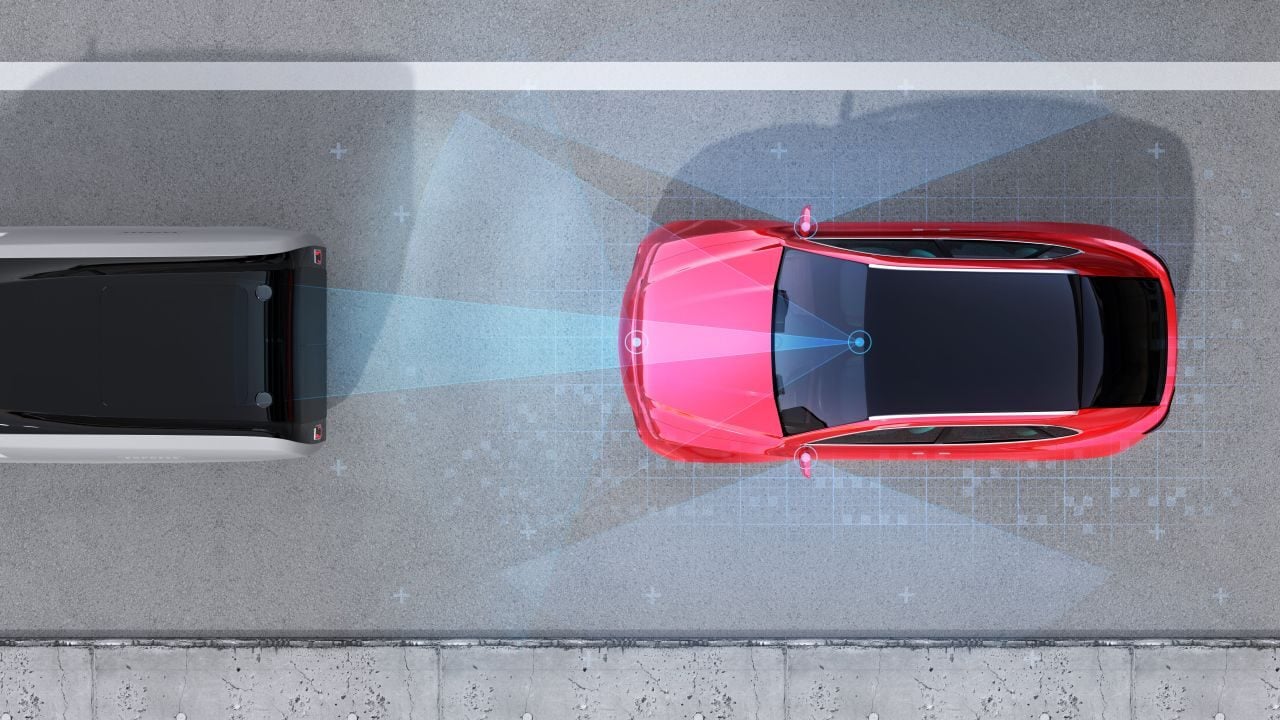
Automatic emergency braking is designed to detect an impending collision and apply the brakes when the driver fails to react quickly enough. Despite its potential to prevent or reduce the severity of crashes, 21.3 percent of surveyed owners with the feature said they choose not to use it.
Lane-keeping assistance is another unpopular safety aid, with nearly 18 percent of respondents actively avoiding it. Dick Lovett noted that some motorists believe these systems can intervene too aggressively, creating an experience they find distracting or even counterproductive.
Adaptive cruise control generated the strongest rejection among common driver-assistance technologies. Of motorists whose vehicles are equipped with it, 25.9 percent said they deliberately don’t use the system, while another 7 percent admitted they don’t know how it works.
Those numbers point toward two separate issues. Some drivers understand the systems and dislike their behavior, while others may simply never have been properly shown what the technology does or how to operate it.
Drivers Prefer Technology That Keeps Things Simple
There was far greater enthusiasm for straightforward features that solve everyday problems without requiring much explanation. Bluetooth connectivity topped the survey, with 58.3 percent of respondents identifying it as technology they regularly use and appreciate.
Reversing cameras came second at 45.7 percent, followed by built-in navigation at 44.5 percent and heated windscreens at 41 percent. Heated seats and wireless phone charging tied at 31.9 percent, while blind-spot monitoring reached 29.4 percent.
That contrast reveals that drivers appear considerably happier with technology that quietly provides an obvious benefit than systems that actively intervene in how the vehicle is being driven.
Even driving modes aren’t especially popular despite becoming commonplace across everything from economy cars to performance models. Only 27.3 percent regularly switch between settings such as Eco, Comfort, and Sport, although usage rises to 38.3 percent among drivers aged 25 to 34.
Some Expensive Features Barely Get Used
Several heavily marketed premium features also appear to spend much of their lives untouched. Among drivers whose vehicles have massaging seats, only 22 percent regularly use them, while augmented-reality head-up displays are regularly used by just 22.4 percent of owners.
Remote engine start through a smartphone app comes in at 24.5 percent. AR head-up displays also create some confusion, with 17.1 percent deliberately avoiding them and another 7 percent saying they don’t know how to operate the technology.
Age plays a significant role in what gets used. Smartphone-controlled functions are considerably more popular among younger motorists, while only 5.1 percent of drivers aged over 55 regularly use remote start compared with roughly a quarter of younger drivers.
Heated windscreens reverse that trend, becoming increasingly popular with older respondents. Usage rises from 27.2 percent among drivers aged 18 to 24 to nearly 45 percent among those between 45 and 54.
Automakers May Need To Explain Their Cars Better
The study doesn’t necessarily mean drivers dislike technology altogether. Instead, it suggests that acceptance falls rapidly when a feature becomes confusing, intrusive, or requires owners to change how they normally drive.
Dick Lovett automotive expert Alex Lee argues that education will become increasingly important as vehicles grow more complicated. Teaching owners how systems work could help them extract greater value from their cars while also improving safety and confidence behind the wheel.
That’s particularly important with technology such as automatic emergency braking and lane assistance, where switching the feature off can remove a layer of protection engineered specifically for situations where human reactions aren’t fast enough. Automakers can keep adding sensors, cameras, and software, but getting drivers to trust those systems may prove every bit as important as developing them in the first place.