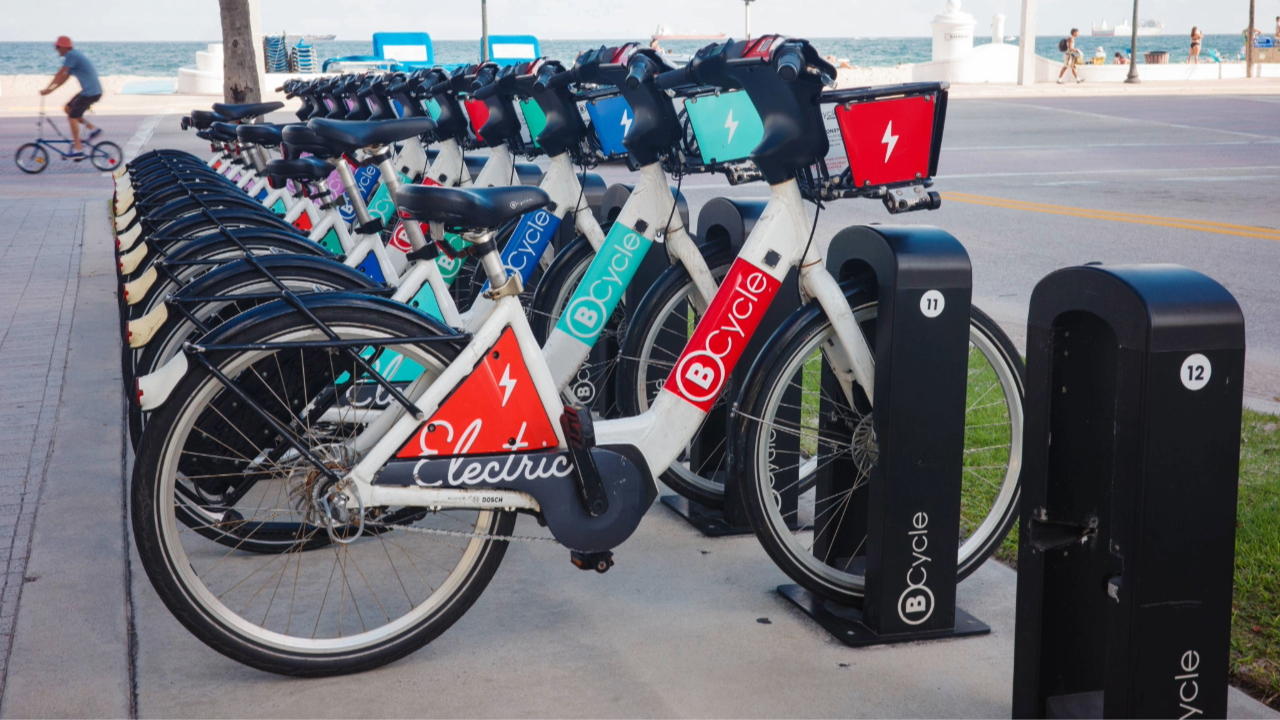
Most parents say they are not well informed about the different types of e-bikes, even as the bikes become more common among children and teenagers, according to a new national survey from the University of Michigan Health C.S. Mott Children’s Hospital.
The C.S. Mott Children’s Hospital National Poll on Children’s Health found that just 6% of parents considered themselves very informed about different types of e-bikes. Another 27% said they were somewhat informed, while 67% said they were not informed.
The nationally representative survey was conducted in July 2026 and included responses from 1,234 parents of children ages 11 to 18.
Parents See Benefits — And Risks
Thirty-five percent of parents said someone in their family had ridden an e-bike. They cited transportation when a car is unavailable, fun, physical activity, and greater independence among the benefits.
But safety remains a concern, as 82% identified rider injury as a downside, while 62% were concerned about injuries to pedestrians.
Other concerns included drivers being unfamiliar with e-bikes, batteries catching fire while charging and bikes being left on roads or sidewalks.
Parents surveyed expressed stronger support for safety measures than for banning e-bikes with 80% strongly supported helmet requirements, while 68% favored labels showing minimum ages for different types of e-bikes. Sixty-three percent supported clearer markings showing where e-bikes should be ridden, and 57% backed safety training.
Only 11% strongly supported a complete ban.
The survey also explained the three-class system used for e-bikes. Class 1 and Class 2 models can provide assistance up to 20 mph, while Class 3 models can assist riders up to 28 mph.
Nearly Half Unsure Where E-Bikes Belong
Where e-bikes should be ridden was another area where parents reported uncertainty.
45% of parents said they didn’t know where e-bikes were supposed to be ridden. Among those who answered, 29% said bike lanes, 11% said sidewalks, 10% said the edge of the road and 5% said in the same lane as cars.
For a typical teenager, 65% of parents viewed e-bikes as more dangerous than regular bicycles.
Pediatric Doctor Reports Seeing Serious Injuries
Separate reporting by WILX 10 highlighted concerns from pediatric emergency medicine physician Dr. Andy Hashikawa of Michigan Health.
Hashikawa told WILX that hospitalization rates involving e-bikes and e-scooters are nearly twice those associated with regular bicycles. He said emergency physicians are seeing injuries including lacerations, fractures, bruises, head injuries and significant internal injuries.
WILX also reported that health experts recommend riders use helmets designed for e-bikes and that parents and children understand which class of e-bike they are using.
A HealthDay report published in March 2026 also examined injuries involving children and teenagers riding e-bikes.
The report discussed research presented at the American Academy of Orthopaedic Surgeons’ annual meeting that found e-bike injuries among young riders had increased substantially in San Diego. The research found children involved in e-bike crashes were more likely to suffer arm or leg injuries and broken bones than conventional bicycle riders.
The findings come as e-bikes become a more common form of transportation and recreation for young people, while parents and health professionals continue to raise questions about safety, rider knowledge and where the bikes should be used.